Pennsylvania’s landscapes — from the Alleghenies to the Delaware River valley — record a long geological story, with coal seams, metamorphic belts, and pegmatites that produce a wide variety of mineral specimens. Whether you’re a collector, student, or just curious, the state’s mineralogy reflects that diversity in accessible outcrops, mine dumps, and glacial deposits.
There are 39 Minerals in Pennsylvania, ranging from Albite to Zircon. For each entry I’ve organized the data by Class,Hardness (Mohs),Common localities (county/site); you’ll find these details below.
Where in Pennsylvania are most of these minerals found?
Mineral occurrences concentrate in a few geologic settings: Appalachian metamorphic belts and associated pegmatites, coal and iron-bearing sedimentary units, and glacially transported deposits. Many specimens come from southeastern pegmatite districts and from old mine workings across central and northeastern counties, so check locality notes for county- or site-specific guidance.
Can I legally collect minerals like Albite and Zircon, and what should I know?
Collecting rules vary — private land requires landowner permission, and state parks, preserves, and active mine sites often prohibit removal. Always confirm regulations for the specific site, avoid protected areas, follow safety best practices, and consider joining a local rock and mineral club for guided field trips and current locality information.
Minerals in Pennsylvania
| Name | Class | Hardness (Mohs) | Common localities (county/site) |
|---|---|---|---|
| Quartz | Silicate | 7 | Statewide (pegmatites, veins, outcrops; Bucks, Chester, Dauphin) |
| Calcite | Carbonate | 3 | Limestone quarries and caves (Lehigh, Lancaster, Centre) |
| Dolomite | Carbonate | 3.5 | Dolostone and quarries (Lehigh, Lancaster) |
| Gypsum | Sulfate | 2 | Gypsum beds and quarries (southeastern and central PA) |
| Pyrite | Sulfide | 6.5 | Coalfields and hydrothermal veins (Schuylkill, Lackawanna, Luzerne) |
| Marcasite | Sulfide | 6 | Coal and sedimentary deposits (Schuylkill, Lackawanna) |
| Pyrrhotite | Sulfide | 4.5 | Anthracite region and metamorphic zones (Luzerne, Lackawanna) |
| Magnetite | Oxide | 6 | Cornwall iron region (Lebanon County) and iron deposits |
| Hematite | Oxide | 5.5 | Historic iron ore localities (Cambria, Centre, Blair) |
| Goethite | Oxide | 5.5 | Weathered iron deposits and bog iron (Lehigh, Lancaster) |
| Siderite | Carbonate | 3.5 | Coal measures and carbonate-hosted veins (various coal and limestone localities) |
| Galena | Sulfide | 2.5 | Historic lead-zinc localities and veins (various central and eastern counties) |
| Sphalerite | Sulfide | 3.5 | Lead‑zinc mines and hydrothermal veins (historic localities) |
| Chalcopyrite | Sulfide | 4 | Cornwall copper mine (Lebanon County) and hydrothermal veins |
| Pyromorphite | Phosphate | 3.5 | Old lead mines and oxidized zones (historic localities) |
| Cerussite | Carbonate | 3.5 | Oxidized lead ore zones in historic mines |
| Malachite | Carbonate | 3.5 | Copper localities (Cornwall, Lebanon County and others) |
| Azurite | Carbonate | 3.5 | Copper-bearing localities (e.g., Cornwall area) |
| Barite | Sulfate | 3.5 | Hydrothermal veins and carbonate-hosted deposits (central PA) |
| Apatite | Phosphate | 5 | Pegmatites and igneous/metamorphic rocks (Bucks, Chester) |
| Muscovite | Silicate (mica) | 2.5 | Pegmatites and metamorphic schists (Bucks, Chester, Monroe) |
| Biotite | Silicate (mica) | 3 | Metamorphic rocks and igneous intrusives (statewide) |
| Orthoclase | Silicate (feldspar) | 6 | Pegmatites, granitic bodies and gneisses (Chester, Bucks) |
| Microcline | Silicate (feldspar) | 6.5 | Pegmatites and crystalline rocks (Pike, Chester) |
| Albite | Silicate (plagioclase) | 6 | Pegmatites, granites and gneisses (Bucks, Pike) |
| Garnet (Almandine) | Silicate (garnet) | 6.5-7.5 | Schists and gneisses (Monroe, Carbon, Pocono Mountains) |
| Staurolite | Silicate | 7.5 | Piedmont schists; classic twinned crystals (Chester, Lancaster) |
| Kyanite | Silicate | 4.5-7 | Regional metamorphic belts (Sullivan, Monroe) |
| Epidote | Silicate | 6.5 | Metamorphic and hydrothermal occurrences (Monroe, Bucks) |
| Chlorite (clinochlore) | Silicate | 2.5 | Metamorphic rocks and phyllites (Pocono, Allegheny) |
| Serpentine (antigorite) | Silicate | 3.5 | Serpentinite bodies and ultramafic outcrops (Chester, Lancaster) |
| Graphite | Native element (C) | 1.5 | Metamorphosed carbon-rich rocks (Schuylkill, Carbon) |
| Tourmaline (schorl) | Borosilicate | 7 | Pegmatites and metamorphic pockets (Bucks, Chester, Monroe) |
| Zircon | Nesosilicate | 7.5 | Pegmatites, metamorphic rocks and heavy-mineral concentrates (statewide) |
| Titanite (Sphene) | Nesosilicate | 5 | Metamorphic rocks and skarn localities (various counties) |
| Ilmenite | Oxide | 5.5 | Metamorphic and igneous rocks; heavy-mineral concentrates (various) |
| Fluorite | Halide | 4 | Hydrothermal veins and carbonate-hosted deposits (various historic localities) |
| Siderite | Carbonate | 3.5 | Coal measures and carbonate veins (coalfields and limestone localities) |
| Native gold | Element | 2.5 | Minor placer and lode occurrences (some stream gravels and historic localities) |
Images and Descriptions
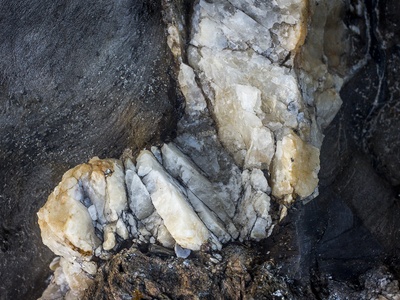
Quartz
Transparent to milky crystal common across Pennsylvania. Forms drusy pockets, veins and pegmatite crystals; easy to identify by hardness and crystal habit. Collectors find smoky and clear specimens in pegmatites and stream gravels.
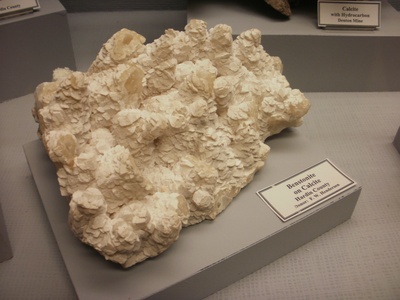
Calcite
Common in carbonate rocks and quarries as clear to white rhombohedral crystals. Reacts with dilute acid, shows r/3 cleavage, and is a staple find for students and collectors in PA limestone exposures and old quarries.
Dolomite
White to gray crystals and rock-forming mineral in Pennsylvania limestones. Often occurs in bedrock and quarry exposures; identifies by pearly luster, rhombohedral form, and reaction with acid when powdered.
Gypsum
Soft, translucent sulfate mineral forming fibrous and massive gypsum in evaporite sequences and mine workings. Easy to scratch with a fingernail; found in sedimentary basins and some quarry operations.
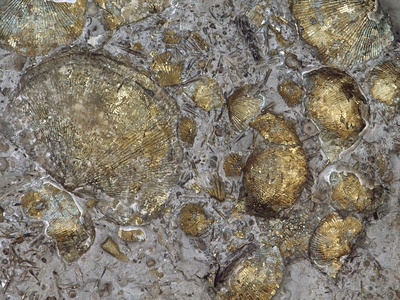
Pyrite
Brassy metallic “fool’s gold” abundant in coal beds, sedimentary rocks, and vein deposits. Forms cubes and pyritohedra; notable for collectors and students studying coal-region mineralogy and oxidation products.
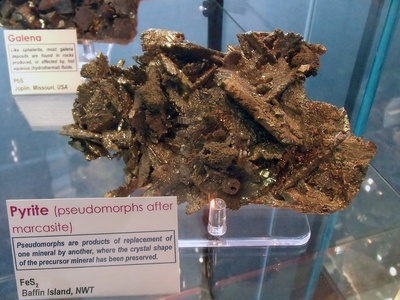
Marcasite
A polymorph of pyrite with pale brass color and tabular crystals. Occurs in coal and sedimentary rocks; often forms delicate crystal groups sought by hobbyists, though it can weather rapidly.
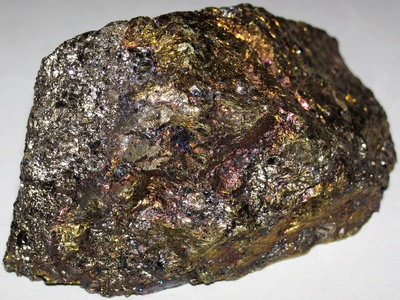
Pyrrhotite
Iron sulfide common in metamorphosed coal and contact-metamorphic rocks. Magnetic when concentrated, bronze-colored, and associated with other sulfides in PA’s coal and iron-bearing districts.
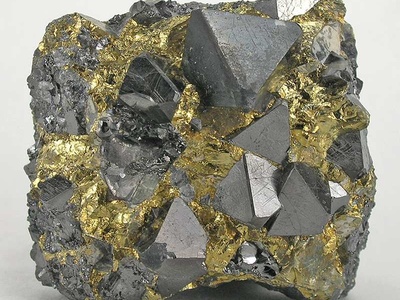
Magnetite
Black, strongly magnetic iron oxide that formed major historic iron ores in Pennsylvania. Collectible at historic mine sites like Cornwall; identifiable by magnetism and high specific gravity.
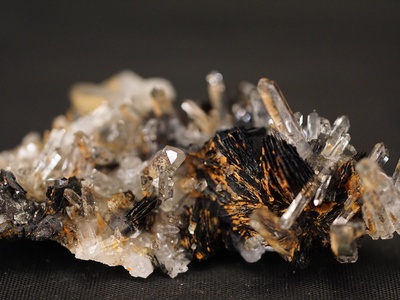
Hematite
Red to metallic black iron oxide important in PA’s iron industry history. Appears as earthy red masses or specular crystals; common in iron-bearing rocks and weathering zones.

Goethite
Common iron-oxide weathering product in soils, bogs, and oxidized ore zones. Brown to yellow streaks, earthy to crystalline forms; useful for understanding weathering in Pennsylvania iron districts.
Siderite
Iron carbonate occurring as nodules in sedimentary rocks and associated with some ore veins. Brown to tan crystals and concretionary forms; of interest to collectors from coal and carbonate exposures.
Galena
Dense, metallic lead sulfide found in old lead-zinc mines and veins. Prominent cubic crystals and bright metallic luster make it a favorite of mineral collectors and a marker of historic mining sites.
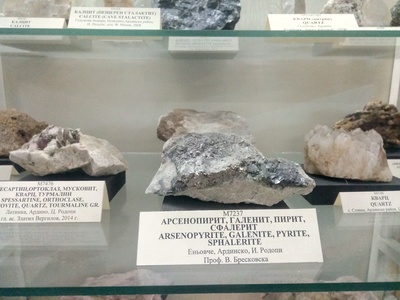
Sphalerite
Primary zinc ore commonly associated with galena and chalcopyrite. Brown to black resinous crystals; important for students learning ore mineral associations and found in several Pennsylvania vein deposits.
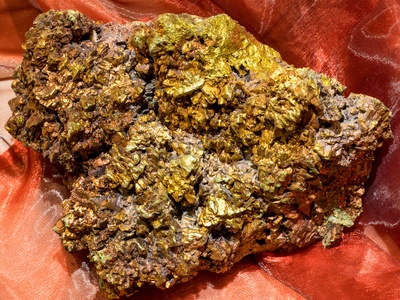
Chalcopyrite
Brassy copper-iron sulfide historically tied to copper prospects like Cornwall. Tarnishes iridescent; common in sulfide mineral assemblages and a useful identification target near historic mining sites.
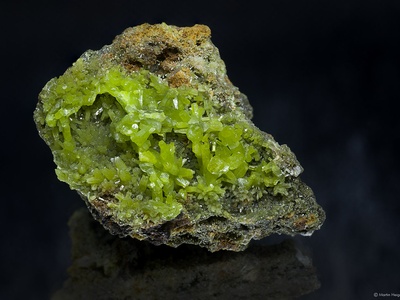
Pyromorphite
Bright green to brown lead phosphate occurring as attractive small crystals in oxidized lead deposits. A favorite of collectors at old Pennsylvania lead localities for its color and crystal habits.
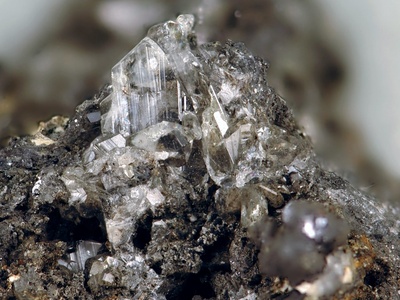
Cerussite
Lead carbonate that forms attractive colorless to white orthorhombic crystals in oxidized portions of lead deposits. Fragile but prized by collectors for crystal form and association with galena remnants.
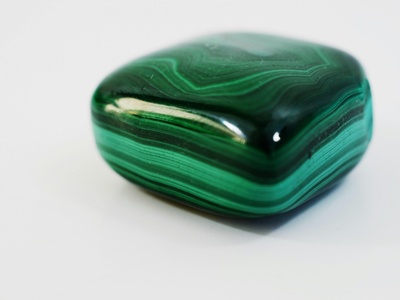
Malachite
Green secondary copper carbonate forming attractive botryoidal and crystalline masses in oxidized copper zones. Commonly associated with historic copper workings and used by collectors to illustrate weathering of copper ores.
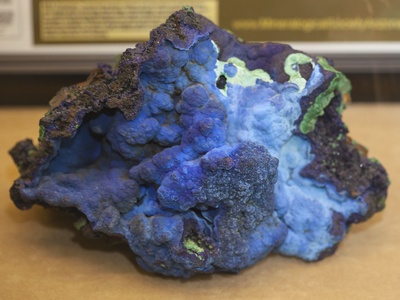
Azurite
Deep-blue secondary copper carbonate found with malachite in oxidized copper deposits. Valued for striking color in small specimens from historic Pennsylvania copper mines.
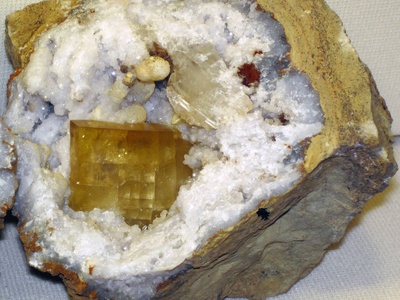
Barite
Heavy, white to tan sulfate mineral in vein fillings and carbonate rocks. Collectible crystals occur in open vugs; used to illustrate vein mineralogy and commonly encountered in regional mineral shows.
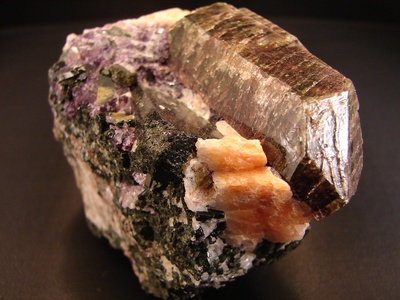
Apatite
Calcium phosphate occurring as green to brown hexagonal crystals in pegmatites and metamorphic rocks. Important for geology students and collectors interested in pegmatite mineral suites in eastern Pennsylvania.
Muscovite
Silvery, flaky mica common in pegmatites and schists. Easily split into thin sheets and widely used to teach cleavage and mineral habit in Pennsylvania field courses and collecting trips.
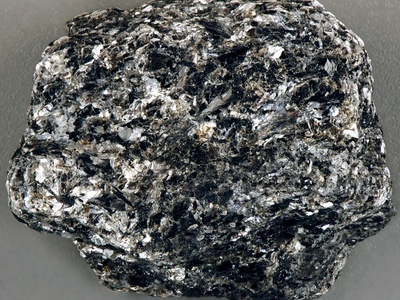
Biotite
Dark mica abundant in regional metamorphic rocks and granitic bodies. Shows good basal cleavage and flaky habit; useful for identifying metamorphic grade and rock types in the field.
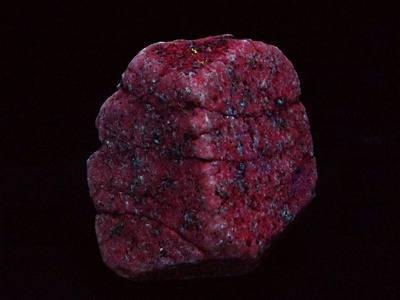
Orthoclase
Potassium feldspar that forms blocky crystals and makes up many pegmatites and granites in Pennsylvania. Often shows pink to white color and is important for identifying igneous rocks.
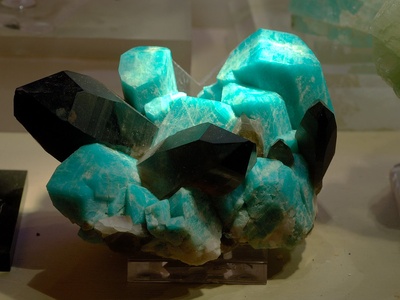
Microcline
K‑feldspar mineral common in coarse-grained pegmatites and metamorphic rocks. Can show cross-hatch tartan twinning; prized in pegmatite collecting and useful for rock identification.
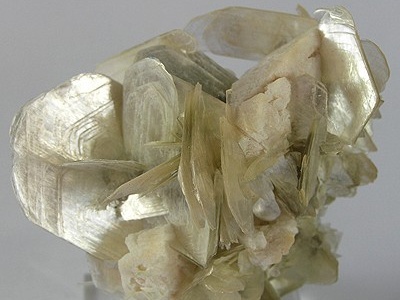
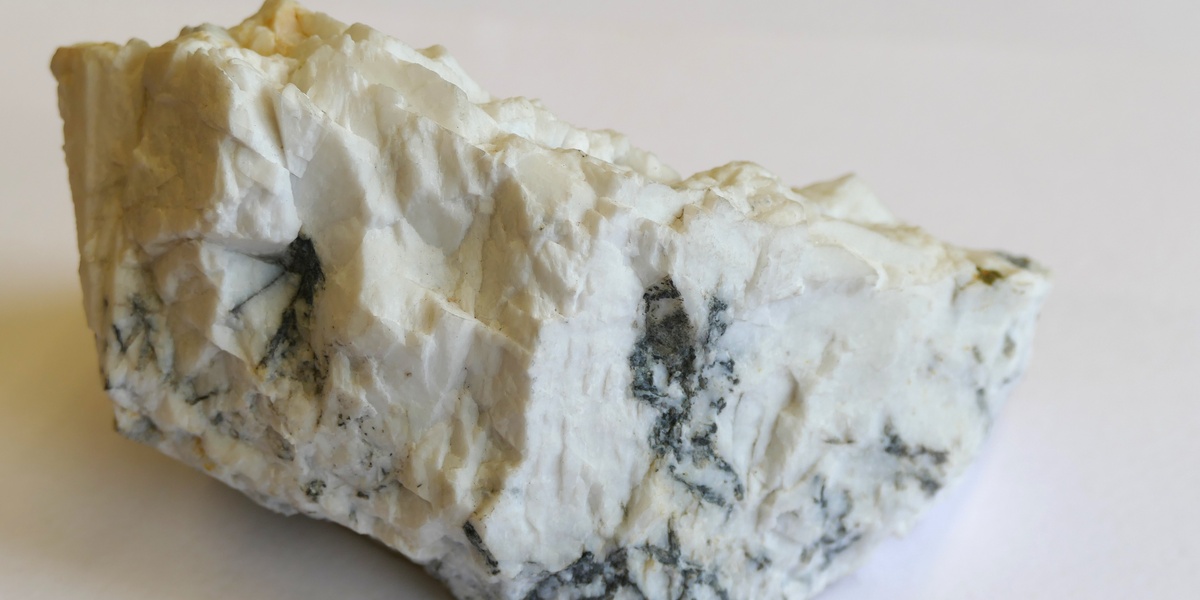
Albite
Sodium-rich plagioclase feldspar common in igneous and metamorphic rocks. White to gray tabular crystals; useful for identifying intrusive bodies and pegmatite mineral suites in Pennsylvania.
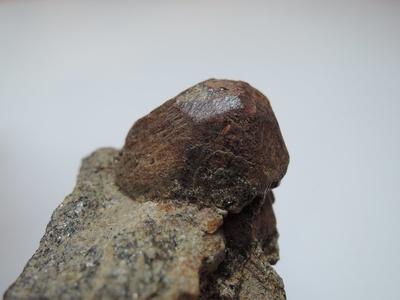
Garnet (Almandine)
Deep red to brown almandine garnets are typical in metamorphic rocks across PA. Often forms rounded dodecahedral crystals collected by rockhounds and used to study metamorphic conditions.
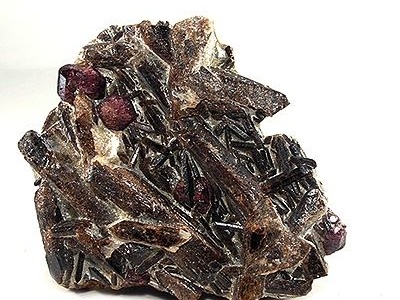
Staurolite
Well-known for cross-twinned “fairy cross” crystals found in Piedmont schists. Brown translucent crystals are a popular collector’s item and educational specimen for metamorphic petrology.
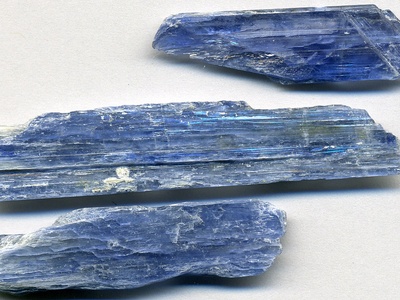
Kyanite
Blue to gray bladed crystals found in high‑pressure metamorphic rocks. Kyanite’s directional hardness and bladed habit make it a diagnostic mineral for metamorphic rock identification in Pennsylvania.
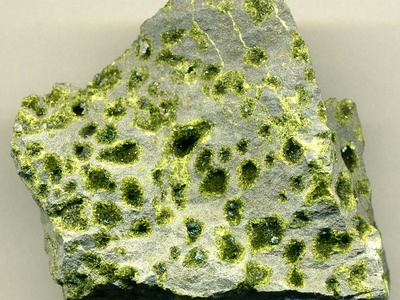
Epidote
Green pistachio-colored mineral common in altered metamorphic rocks and veins. Often found with garnet and quartz, epidote is useful for studying alteration and metamorphic conditions.
Chlorite (clinochlore)
Green, flaky chlorite group minerals form during low-grade metamorphism. Soft and greasy-feeling, they are common in regional metamorphic sequences across Pennsylvania.
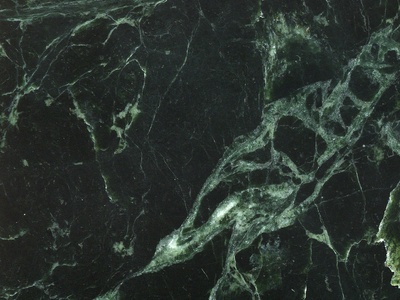
Serpentine (antigorite)
Green to dark fibrous or massive antigorite in serpentine masses. Associated with ophiolitic rocks and historic asbestos occurrences; of interest to collectors and students studying ultramafic geology.
Graphite
Soft, black carbon mineral from metamorphosed organic matter in shales and anthracite regions. Greasy feel and streak, with historical uses and relevance in coal-region mineral studies.
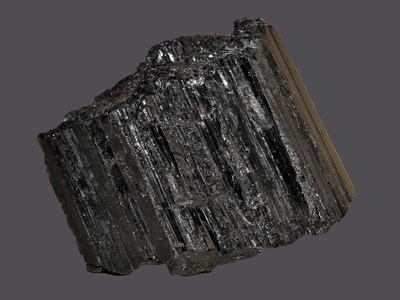
Tourmaline (schorl)
Black schorl tourmaline commonly occurs in Pennsylvania pegmatites and metamorphosed rocks. Forms elongated prismatic crystals prized by collectors; helps indicate pegmatite zonation.
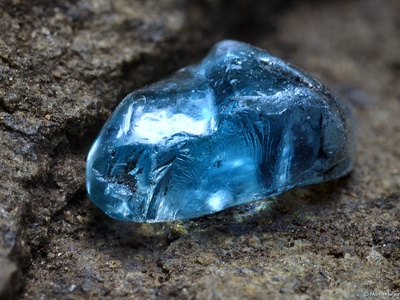
Zircon
Small, high‑density crystals used as geochronology targets. Brown to reddish zircon is common in pegmatites and crystalline rocks; often separated by collectors and used in educational displays.
Titanite (Sphene)
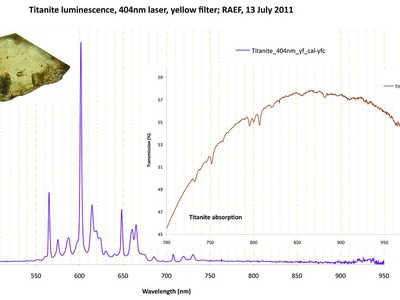
Brown to yellow wedge-shaped crystals occurring in contact-metamorphosed rocks and skarns. Noted for high dispersion and collectible small crystals from regional metamorphic exposures.
Ilmenite
Black metallic titanium-iron oxide present in metamorphic and igneous rocks. Found in heavy-mineral separations and scattered localities; of interest to collectors and mineralogists studying provenance.
Fluorite
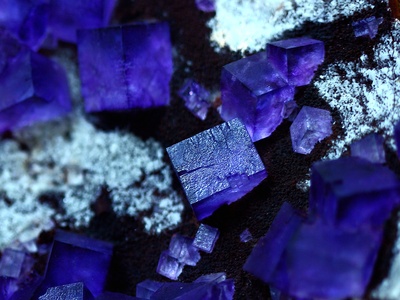
Colorful fluorite occasionally occurs in Pennsylvania vein deposits and carbonate-hosted systems. Cubic crystals can be purple, green, or clear and are prized by collectors when found in open pockets.
Siderite
Iron carbonate forming nodules and vein fillings in sedimentary sequences and altered zones. Brown to tan crystals and masses are common in coal-related strata and carbonate outcrops.
Native gold
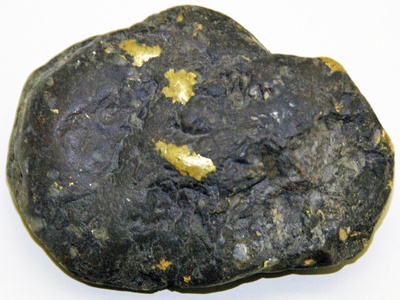
Sparse but documented gold occurrences in stream gravels and lode localities across Pennsylvania. Usually found as tiny flakes or grains; of interest to prospectors and local-history collectors.