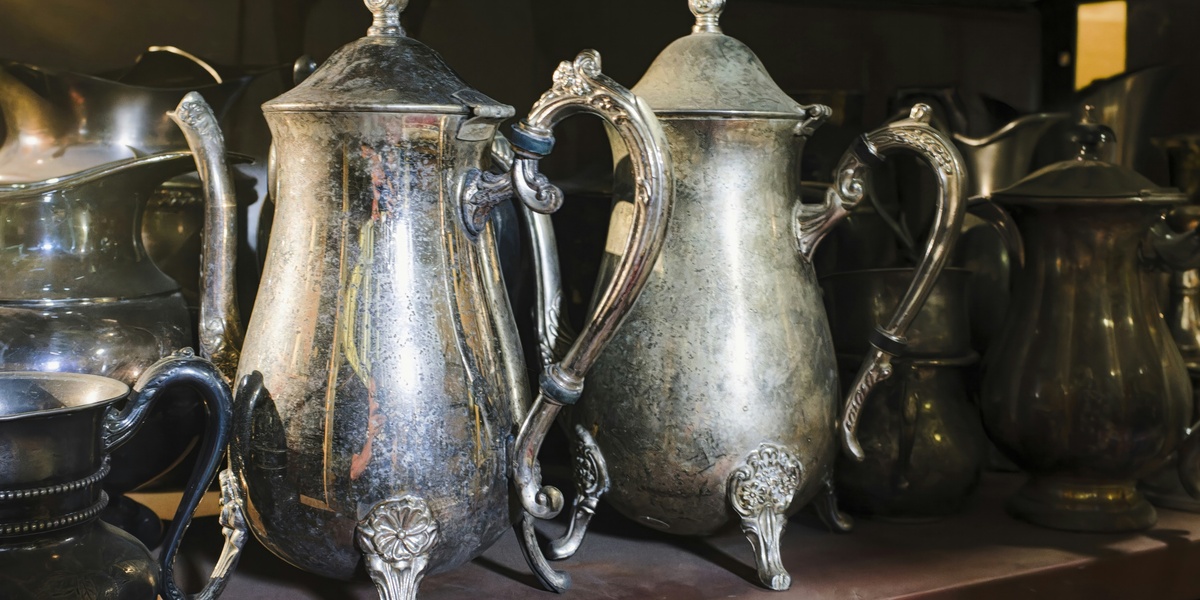
Ancient silverware often darkened within weeks of use; Romans mentioned blackened tableware in letters, and conservators still wrestle with the same surface chemistry today. For anyone who’s buffed a spoon or stored a family tray, that sudden darkening feels immediate and frustrating.
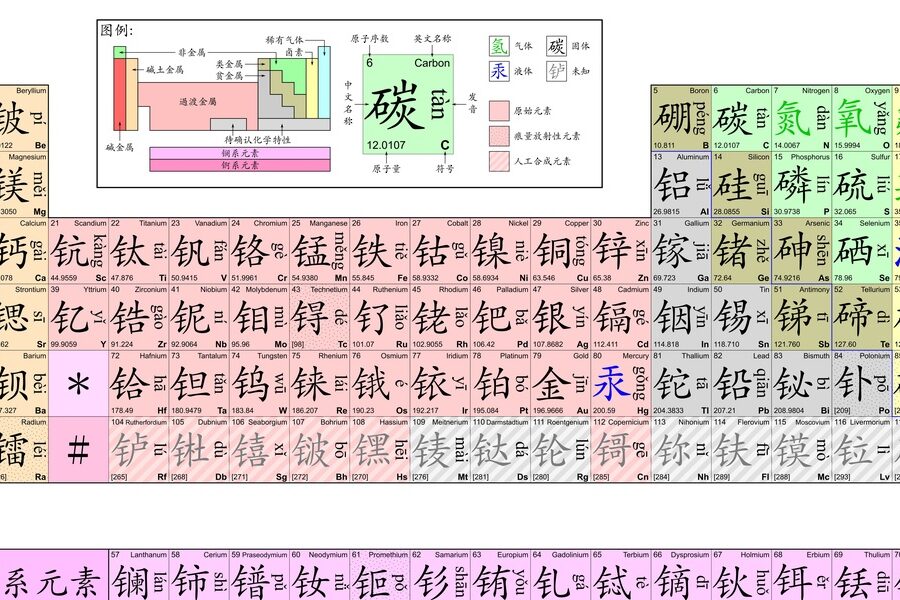
Silver is element number 47 on the periodic table, and its surface chemistry—especially with a handful of specific elements—drives color, conductivity, and even safety concerns for objects and devices. This piece lists eight elements silver reacts with, grouped into three practical categories (chalcogens, halogens, and oxygen/nitrogen), explains why each reaction matters for jewelry, photography, medicine, and conservation, and gives clear examples and precautions.
Let’s start with the chalcogens.
Chalcogens: Sulfur, Selenium, Tellurium
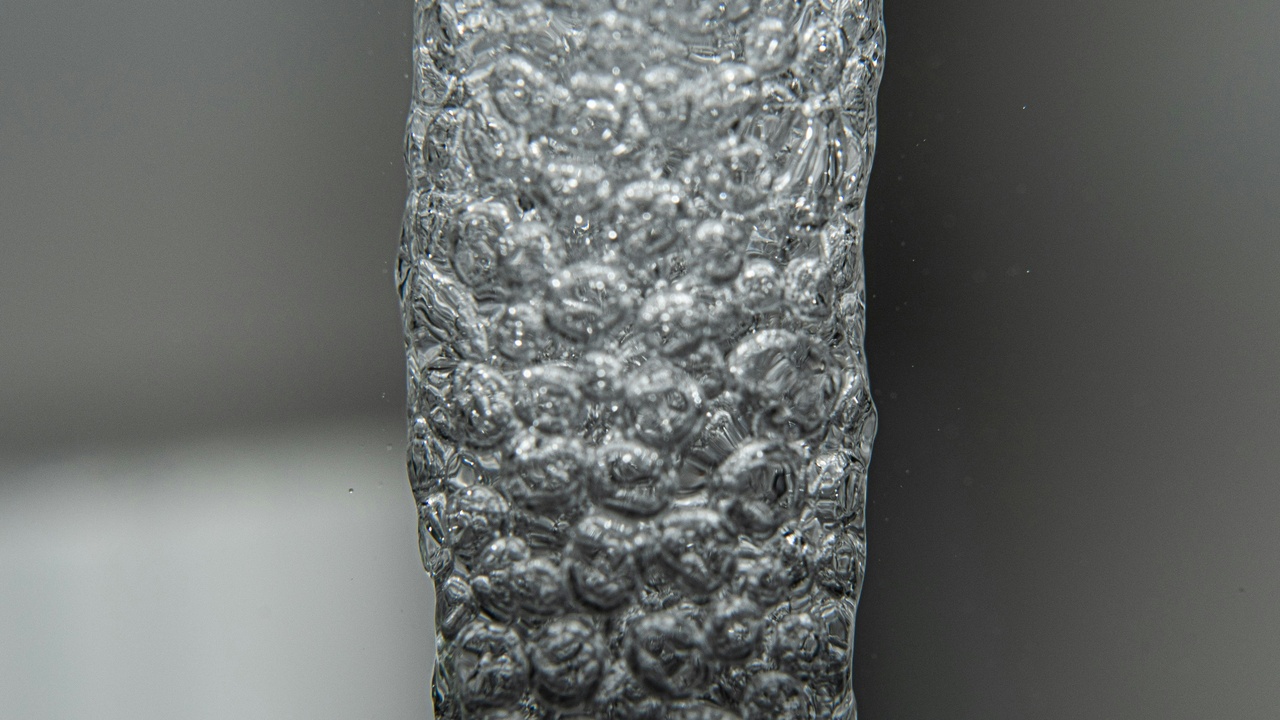
The chalcogen family (oxygen-group elements) includes sulfur, selenium, and tellurium, and these are the usual suspects when silver takes on dark, black, or gray films. Their chemistry with silver produces sulfides, selenides, and tellurides that alter appearance and sometimes electrical behavior.
Below are the three chalcogens most relevant to everyday objects, conservation, and select industries, with what to watch for and why they matter.
1. Sulfur (S) — Tarnish and silver sulfide
Sulfur and sulfur-containing gases produce silver sulfide, Ag2S, the familiar black tarnish you see on flatware and jewelry.
Even trace levels of hydrogen sulfide (H2S) in air—parts per billion in polluted or indoor environments—are enough to start Ag2S formation on exposed silver surfaces. Ag2S is black, chemically stable, and visible after surprisingly small exposures.
Practically, that means eggs, garlic, onions, and some rubber products can darken a fork or spoon overnight. Museums routinely monitor gallery air for H2S and use sealed cases or activated carbon filters to protect silver collections; private owners use anti-tarnish strips and airtight storage.
2. Selenium (Se) — selenides and unusual discoloration
Selenium can form silver selenide (Ag2Se), which looks similar to sulfide tarnish but has different environmental sources and electrical properties.
Ag2Se is more electrically conductive than Ag2S and shows up most often near industrial sites where selenium vapors or compounds are present, or in niche manufacturing streams. You won’t usually see selenium tarnish at the dinner table.
In material science, Ag2Se finds use in some sensor and semiconductor contexts; in the field, unintended selenide films have caused discoloration on photographic or electronic components stored near selenium processing equipment.
3. Tellurium (Te) — tellurides and darkening in specific niches
Tellurium forms silver telluride (Ag2Te), a dark compound encountered primarily in mining, metallurgical recoveries, and certain electronic materials.
Telluride formation is rare in homes but important where ores are processed or thermoelectric materials are manufactured. Ag2Te can appear when silver-bearing materials are exposed to tellurium-rich streams during extraction or refining.
If you work in ore recovery or with specialty thermoelectric components, telluride formation is a handling and quality-control issue; for most consumers, it’s an unlikely cause of tarnish.
Halogens: Chlorine, Bromine, Iodine
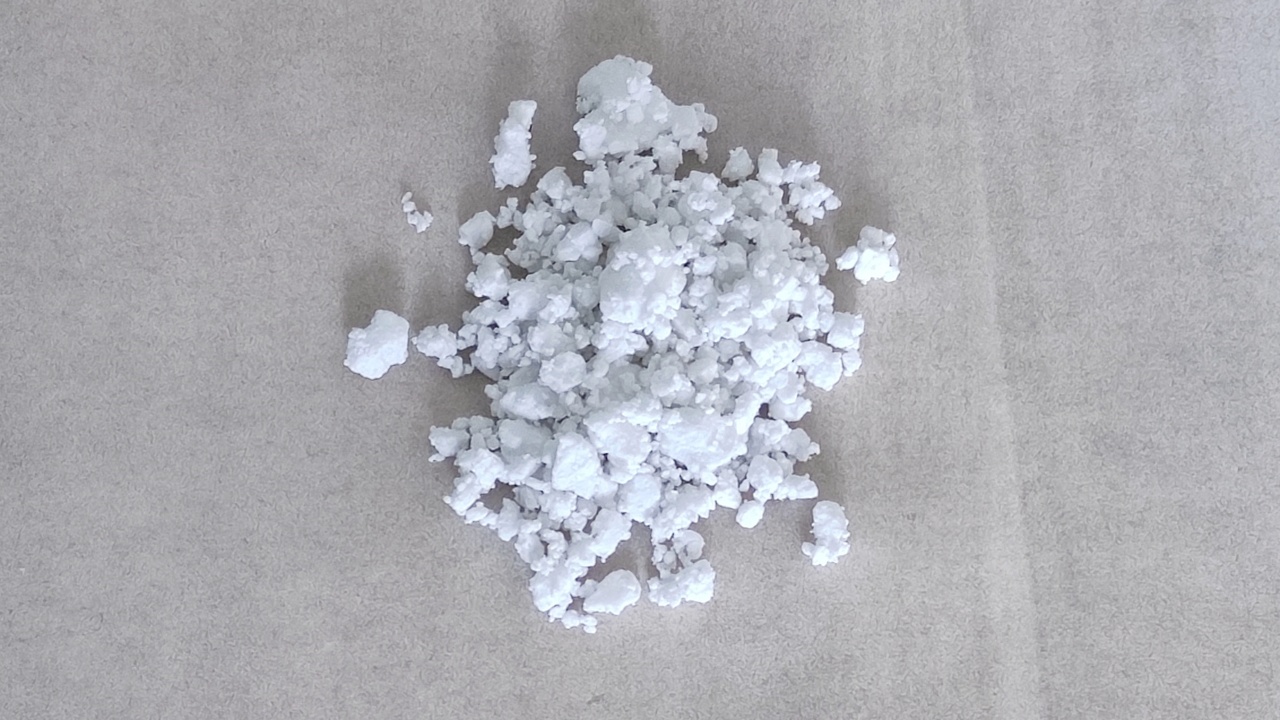
Halogens—chlorine, bromine, and iodine—react with silver to form silver halides (AgCl, AgBr, AgI). Those compounds aren’t just corrosion products; they underpin some major technologies and can behave very differently from tarnish.
Below are the three halogens that interact with silver, with notes on imaging, corrosion, and specialized uses.
4. Chlorine (Cl) — silver chloride and corrosion
Chlorine forms silver chloride (AgCl), a white solid that can darken when reduced or when sulfide contaminants are present.
AgCl is photosensitive—exposure to light can trigger changes—and chloride ions in seawater or pool water promote corrosion and pitting in silver alloys. Coastal air with salt spray accelerates surface attack compared with inland environments.
That explains why seaside jewelry can corrode faster than the same piece kept inland. Lab chemists also prepare AgCl for qualitative tests and photographic use, so handle chloride-rich silver compounds with routine precautions.
5. Bromine (Br) — silver bromide in imaging
Bromine gives silver bromide (AgBr), a highly photosensitive salt that was central to film photography through much of the 20th century.
In classic black-and-white film and photographic paper, AgBr grains (microscopic crystals) captured light and, during development, produced the image. AgBr-based emulsions dominated photography from roughly the late 1800s into the 20th century.
Legacy photographic archives and darkroom waste streams still require careful handling and disposal of silver bromide-containing materials to protect both images and the environment.
6. Iodine (I) — silver iodide and specialized uses
Iodine reacts to form silver iodide (AgI), another photosensitive compound with deliberate scientific uses.
AgI is used in photography and, notably, in cloud-seeding projects where silver iodide crystals (AgI) encourage ice nucleation in the atmosphere. Atmospheric scientists have used AgI in weather modification experiments since the mid-20th century.
In laboratory settings, unintended AgI formation can occur during some reagent mixes; when it’s deliberate, personnel handle AgI with standard chemical safety and environmental controls.
Oxygen and Nitrogen: Oxides and Nitrides

Silver resists everyday oxidation better than many base metals, but under specific conditions it forms oxides and, rarely, nitrides. These reactions matter for electronics, batteries, and laboratory safety.
Treat oxygen and nitrogen separately below, since their occurrence and consequences differ.
7. Oxygen (O) — oxide films and battery chemistry
Silver can form silver oxide (Ag2O) under oxidizing conditions, though oxide films are less common at room temperature than sulfides.
Ag2O is a functional material: silver-oxide button cells use Ag2O as the active cathode in many watch and small-device batteries. Those batteries are standard for small electronics and are rated for low-drain applications.
Surface oxidation also appears after high-temperature processing or exposure to strong oxidizers, and it can change reflectivity or catalytic behavior in sensors and mirrors.
8. Nitrogen (N) — nitride formation under special conditions
Silver nitride (often described as Ag3N in older literature) is uncommon but noteworthy because the compound can be shock-sensitive and hazardous.
Ag3N can form in lab scenarios where silver salts (like silver nitrate) react with concentrated ammonia and sunlight, producing dark, explosive residues. Chemists warn against letting such solutions evaporate to dryness in glassware.
The practical takeaway: follow standard lab safeguards—don’t let silver-containing solutions concentrate and dry, clean glassware thoroughly, and consult safety literature if unusual brown or black residues appear after silver/ammonia work.
Summary
- Sulfur (S) — Ag2S is the most common cause of black tarnish; foods and H2S in air produce visible darkening.
- Selenium (Se) and Tellurium (Te) — form Ag2Se and Ag2Te respectively; more likely in industrial, mining, or electronics settings than at home.
- Chlorine (Cl), Bromine (Br), Iodine (I) — form AgCl, AgBr, AgI; these halides are photosensitive and underlie historical photography and specialized uses like cloud seeding.
- Oxygen (O) — Ag2O appears under strong oxidizing conditions and is the active material in many button cells used in watches and small devices.
- Nitrogen (N) — rare nitride residues (Ag3N) can be shock-sensitive; avoid letting silver nitrate/ammonia mixtures dry in glassware.
- Practical care tips: store silver with anti-tarnish strips, avoid prolonged contact with sulfur-rich foods and seawater, and clean gently when needed or consult a conservator for valuable pieces.
- Remember the list: eight elements covered (S, Se, Te, Cl, Br, I, O, N). If you want a quick recap of which elements silver reacts with for a specific context—jewelry, archives, or lab work—seek tailored guidance from a conservator or safety officer.