In 1973, Stanley Cohen and Herbert Boyer performed the first successful recombinant DNA experiments, laying a foundation that would eventually make engineered organisms part of mainstream science and industry. That moment set in motion both enormous promise and clear risks: therapies that can cure genetic diseases, diagnostics that reach remote clinics, but also questions about safety, scale, and public trust as biological design moves beyond the lab. The choices we make now determine whether engineered biology becomes a practical problem‑solver or a source of unintended harms.
Synthetic biology is moving from lab curiosity to real‑world solutions — this article highlights eight concrete, surprising ways engineered biology is reshaping medicine, the environment, industry, and food systems. You’ll find facts grounded in approvals, pilot projects, and commercial products across four categories: medical and healthcare; environmental and sustainability; industrial and manufacturing; and agriculture and food. Throughout, I point to specific examples and dates (1973, 1982, 2017, 2016) so you can see how quickly the field has matured.
Medical and Healthcare Applications
Over the past four decades engineered biology has gone from academic proof‑of‑concepts to approved medicines and point‑of‑care diagnostics. Regulatory milestones mark that transition: recombinant human insulin reached patients in 1982, and the first CAR‑T cell therapies won FDA approval around 2017. Those approvals show regulators can evaluate designed biologics, and patients are feeling the impact through life‑changing treatments and faster, cheaper tests.
1. Engineered therapeutics and personalized medicine
Engineered cells and gene circuits enable therapies tailored to individual patients. CAR‑T therapies such as Kymriah (Novartis) received FDA approval in 2017 for certain blood cancers, demonstrating that living drugs can be safe and effective in clinical practice.
That clinical progress builds on earlier recombinant biologics: Humulin, the first recombinant human insulin, reached the market in 1982 and established manufacturing and regulatory pathways for biologic medicines. Since then, gene therapies like Luxturna (approved 2017) and hundreds of active cell and gene therapy trials worldwide have expanded the pipeline for precision interventions.
Real‑world effects are tangible: patients with previously untreatable conditions now have durable responses, and companies are shortening development cycles by using standardized genetic parts and automated design tools to iterate faster.
2. Faster, cheaper diagnostics and biosensors
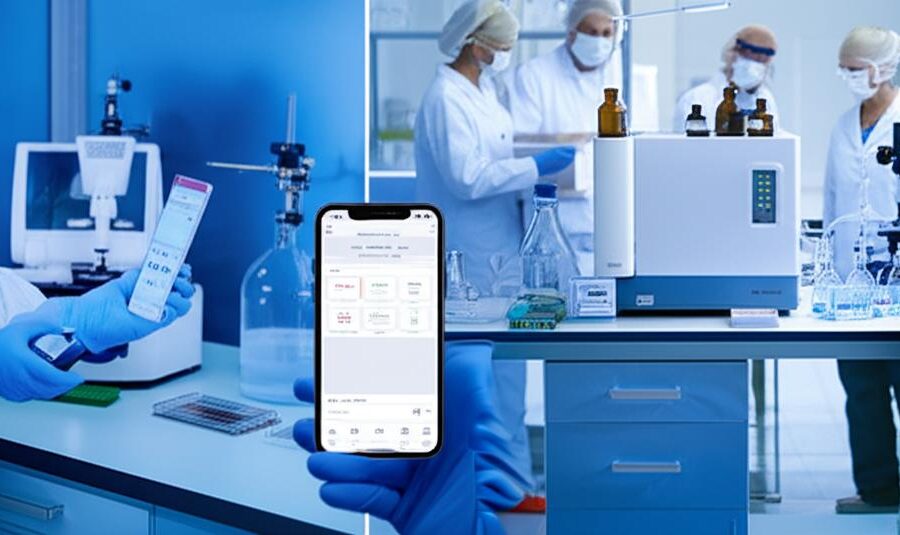
Designed biological systems have produced sensitive, low‑cost diagnostics that work outside traditional labs. CRISPR‑based platforms such as SHERLOCK and DETECTR (demonstrated in 2017–2018) showed the feasibility of rapid nucleic‑acid detection on simple readouts.
Paper‑strip tests and portable devices can deliver results in minutes to an hour and, in lab settings, approach single‑copy sensitivity with amplification. During outbreaks, these tools help triage patients faster, lower costs for remote clinics, and reduce dependence on centralized laboratories.
Environmental and Sustainability Applications
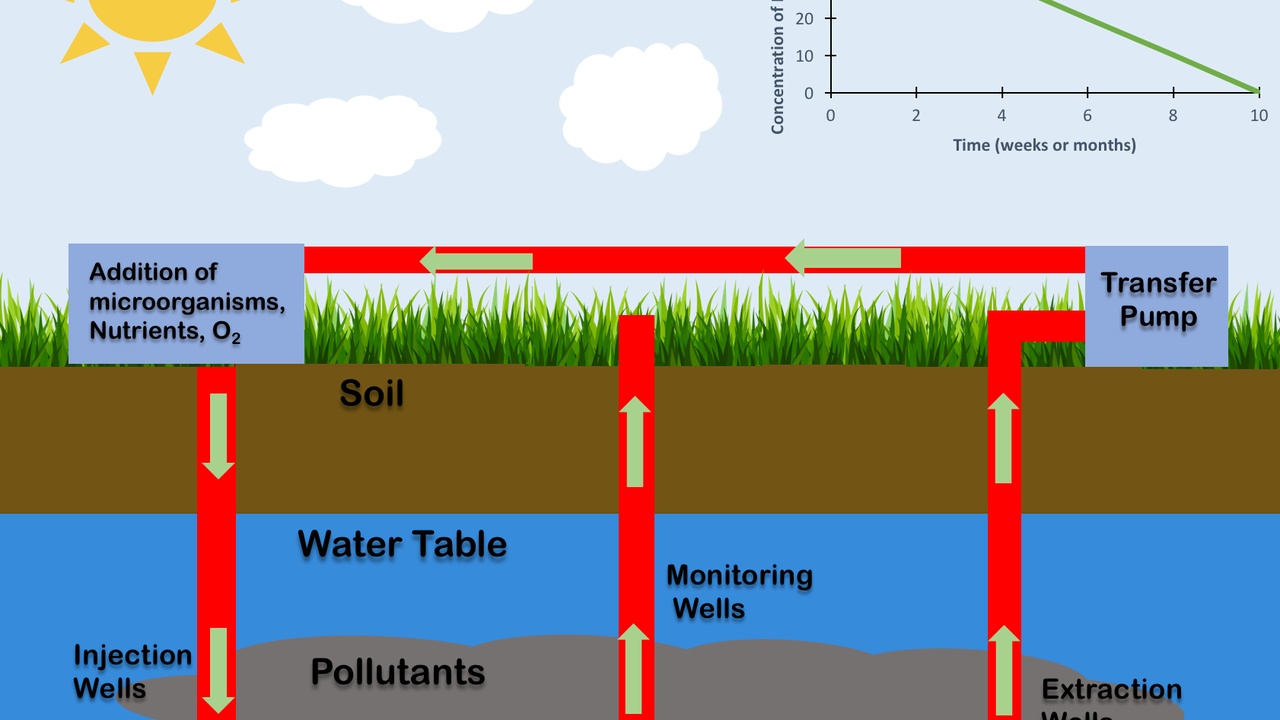
Engineered organisms and designer enzymes offer scalable approaches to pollution and resource constraints that complement mechanical and chemical methods. From plastic‑degrading enzymes discovered in the mid‑2010s to microbes tuned for waste conversion, pilot projects now test these ideas outside the lab. The field aims to reduce environmental footprints while acknowledging tradeoffs in scale and energy inputs.
3. Bioremediation and pollutant degradation
Engineered microbes and enzymes can break down persistent pollutants that resist conventional treatments. A notable discovery came in about 2016, when researchers characterized PETase, an enzyme that digests polyethylene terephthalate (PET) plastic.
Subsequent protein engineering increased PETase activity in laboratory conditions, turning a process that might take decades in the environment into one that proceeds in months under optimized settings. Other teams have tailored microbes for oil‑spill degradation and heavy‑metal cleanup in pilot studies, while built‑in containment systems (genetic kill switches and nutrient dependencies) address release and safety concerns.
4. Carbon capture and sustainable biomaterials
Researchers and startups are rewiring microbial carbon‑fixation pathways to convert CO₂ into fuels, chemicals, and materials. Companies using engineered microbes have progressed from bench demonstrations to pilot plants that test continuous conversion of industrial off‑gases into useful products.
Examples include fermentation routes to bio‑based polymers and CO₂‑to‑chemical platforms that aim to replace petrochemical feedstocks. These projects have produced prototypes and pilot volumes, though scaling to gigatonne‑level impact requires solving energy balances and feedstock logistics.
Industrial and Manufacturing Applications
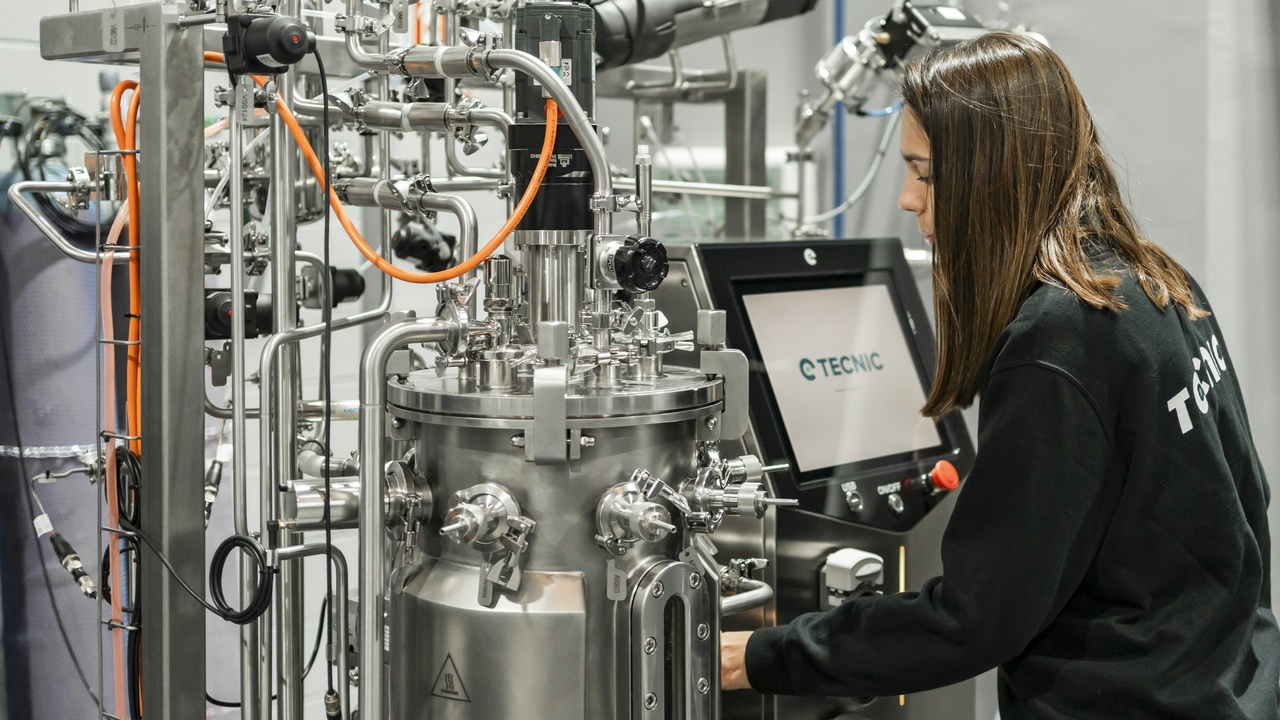
Designing microbes for manufacturing has cut costs and supply‑chain risk for complex molecules. Biomanufacturing systems now produce drugs, flavors, and specialty chemicals at commercial scale, offering environmental advantages over some petrochemical routes.
5. Biomanufacturing of drugs, fragrances, and specialty chemicals
Engineered microbes can make molecules that were previously scarce or expensive to obtain from wild harvests. A prominent example is the semi‑synthetic production of artemisinin precursors using engineered yeast, a project commercialized in the early 2010s to stabilize malaria‑drug supply chains.
Similarly, companies now ferment flavor and fragrance compounds and scale them for food and consumer markets. Those efforts improve supply stability, reduce pressure on wild botanical sources, and enable consistent quality at industrial volumes.
6. Tailored enzymes and improved industrial processes
Enzyme engineering has altered everyday industrial steps. Customized cellulases and other hydrolases are used in biofuel production, paper pulping, and laundry detergents, lowering temperatures and reducing harsh chemicals.
Industrial users report measurable efficiency gains: enzymatic pretreatments can raise sugar yields from biomass and cut downstream energy or chemical inputs by substantial percentages in commercial deployments. The result is lower waste, lower emissions, and often lower operating costs.
Agriculture and Food Applications
Synthetic biology addresses food security and consumer preferences by improving crops and creating animal‑free ingredients. Regulatory pathways and public acceptance vary by region, so developers pair rigorous safety testing with transparency as companies move products toward market.
7. Enhanced crops and engineered symbioses
Biological design can improve crop resilience and reduce fertilizer dependence. Several research programs and startups are working to confer nitrogen‑fixation traits or engineer beneficial rhizosphere microbes for cereals, aiming to cut synthetic nitrogen inputs.
Field trials and greenhouse studies suggest these approaches could lower fertilizer needs by tens of percent in some systems, while engineered genes for drought or pest tolerance can stabilize yields. Regulatory review and farmer adoption will determine how broadly these gains appear on farms.
8. Alternative proteins and precision fermentation
Microbes now make specific animal proteins and flavor components via precision fermentation. Companies such as Impossible Foods use engineered yeast to produce the heme molecule that gives its burger a meat‑like aroma, while Perfect Day manufactures dairy proteins without cows.
These products reached consumers in the late 2010s and early 2020s and aim to reduce land, water, and greenhouse‑gas footprints compared with conventional animal agriculture. Lifecycle assessments and independent studies frequently report large resource savings for particular ingredients, though outcomes vary by product and production pathway.
Summary
- Engineered biology has moved into clinical practice: recombinant insulin (1982), CAR‑T approvals (~2017), and hundreds of trials show patient‑level impact.
- Environmental fixes are practical at pilot scale: PETase (discovered ~2016) and tailored microbes offer real routes to degrade plastics and convert waste into materials.
- Industry is adopting biomanufacturing and enzyme‑driven processes—examples include semi‑synthetic artemisinin and precision fermentation for flavors and pharmaceuticals.
- Food systems are changing: engineered microbes supply animal‑free dairy proteins and heme for meat analogs, and crop engineering could cut fertilizer use substantially.
- Facts about synthetic biology applications point to clear opportunities and tradeoffs—safety, scale, and public acceptance will shape which projects deliver on their promise. What will you watch next?