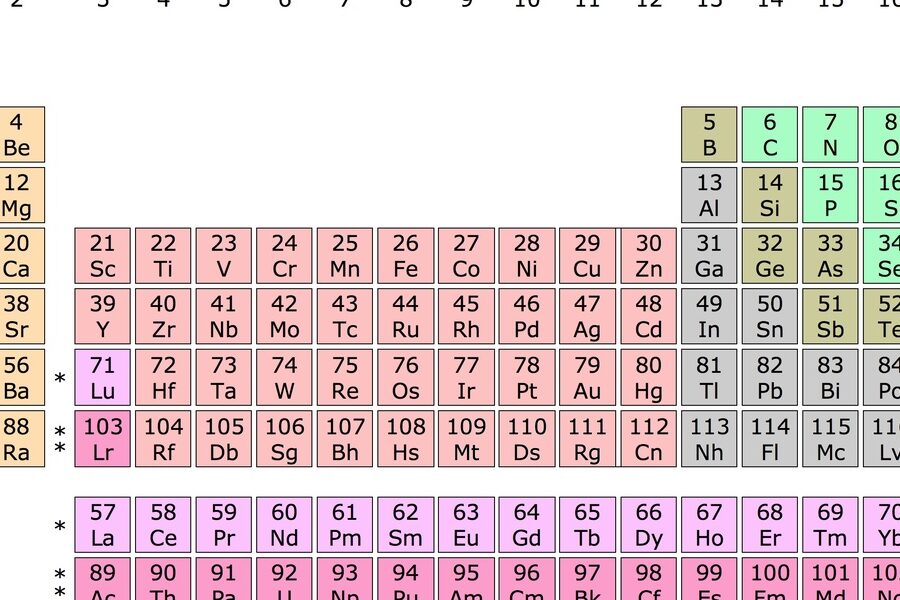
In 1955 a team at the University of California, Berkeley synthesized a new element by bombarding einsteinium with alpha particles and named it for Dmitri Mendeleev.
That element, mendelevium (atomic number 101), has virtually no commercial footprint — yet it matters to scientists. The uses of mendelevium are mostly scientific: it helps researchers probe heavy-nucleus behavior, calibrate ultra-sensitive instruments, and teach the history and methods of modern radiochemistry.
This article breaks those roles into three categories and eight specific uses: (1) nuclear and fundamental research, (2) practical technical and analytical roles, and (3) educational and historical functions. Each section gives concrete examples from national labs and the original 1955 Berkeley work so you can see why an element you’ll never buy still advances science.
Roles in Nuclear and Fundamental Research

Most of mendelevium’s scientific value comes from experiments that test nuclear models and expand actinide chemistry. Short-lived, heavy nuclides like element 101 are testbeds for shell effects, decay mechanisms, and chemical trends that theory must reproduce.
1. Fundamental nuclear-structure research
One of the main roles of mendelevium is as a probe in nuclear-structure experiments. Discovered in 1955 by a UC Berkeley team led by Glenn T. Seaborg and Albert Ghiorso (with colleagues Harvey, Choppin, and Thompson), Md (atomic number 101) was made by bombarding einsteinium with alpha particles.
Measurements of energy levels, decay schemes and nuclear spins in Md isotopes provide direct tests of shell effects and deformation in heavy nuclei. Even a few measured transitions or level spacings constrain theoretical models for actinides and transactinides.
Those experiments are small in scale but high in impact: data from Lawrence Berkeley National Laboratory and successor campaigns are routinely cited when refining nuclear-structure calculations for heavy elements.
2. Isotope production and decay studies
Producing and characterizing Md isotopes yields decay and half-life data that are vital to actinide science. For example, Md‑258 has a half-life of about 51.5 days, a concrete datum used in decay-chain studies.
Decay-mode information—alpha energies, branching ratios for spontaneous fission or neutron emission—helps improve predictions for neighboring nuclei and informs synthesis routes for heavier elements. Acquiring these data requires alpha spectroscopy, radiochemical separation and highly specialized detectors.
Because sample amounts are minute, campaigns at national labs combine careful chemical separation with sensitive counting to extract reliable half-lives and branching data from a handful of decay events.
3. Advancing actinide chemistry
Mendelevium experiments extend our understanding of the actinide series’ chemical behavior. Comparative studies with fermium (Z=100) and nobelium (Z=102) reveal periodic trends in preferred oxidation states and ligand interactions.
Work is limited by supply and radiation safety, but radiochemical separations and micro-scale chemistry yield high-value insights for theoretical and computational chemistry. Observations about complexation behavior and redox preferences help validate quantum-chemical models for heavy elements.
These small but precise studies feed back into broader actinide science—useful for both basic theory and informed experimental planning at accelerator facilities.
4. Precision measurements and tracer-scale experiments
Researchers use mendelevium in tracer experiments to measure chemical yields, reaction pathways and separation efficiencies at carrier-free scales. Often the samples are at the atom-to-picogram level.
By following the fate of a tiny Md spike through a procedure, teams validate separation chemistry, quantify losses, and optimize radiochemical methods. That kind of micro-scale validation improves confidence in results where larger quantities are impossible.
These tracer-scale uses are technical, highly controlled, and typically limited to national-lab radiochemistry groups that can handle minute, high-specific-activity materials.
Practical, Technical, and Analytical Uses
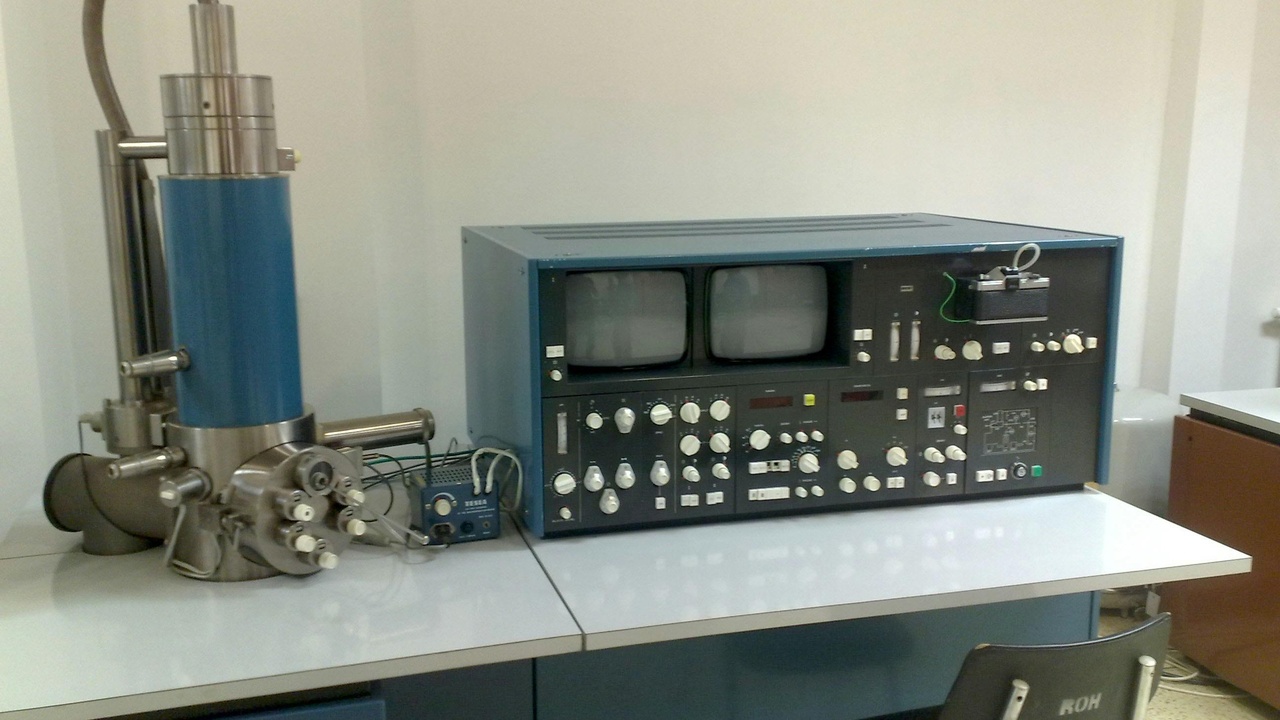
Short half-lives and tiny production quantities rule out broad practical deployment, but Md still serves targeted analytical roles. Labs use it as a reference point, calibration standard and niche forensic marker when high precision is needed.
Regulatory controls and limited supply mean these roles occur in specialized facilities, not in commercial settings. The payoff is improved measurement accuracy in campaigns where every count matters.
5. Tracer and calibration standard in analytical work
Uses of mendelevium include serving as a calibration standard or tracer for ultra-sensitive instruments despite its scarcity. Isotopic standards can improve the accuracy of mass-spectrometry and alpha-spectrometry measurements in radiochemistry.
Carefully characterized Md spikes help reduce uncertainty in isotope-ratio determinations and decay counting efficiency. That in turn tightens error bars on cross-section data and derived quantities used across heavy-element research.
Practical limits—availability, short half-lives and regulatory handling—mean labs reserve Md standards for critical checks rather than routine calibration work.
6. Reference point for nuclear forensics and reaction cross sections
Mendelevium decay data can function as a fingerprint in niche nuclear-forensics contexts and help validate reaction cross-section measurements for heavy-element synthesis. Knowing specific alpha energies and half-lives clarifies which reaction channels were active in an experiment.
For example, detecting a characteristic Md decay signature in a post-irradiation sample helps reconstruct the production pathway used in an accelerator run. That information supports both forensic interpretation and planning of future synthesis campaigns.
Such uses are specialized and rely on data collected at accelerator facilities and national labs during targeted experimental campaigns.
Educational, Historical, and Institutional Uses
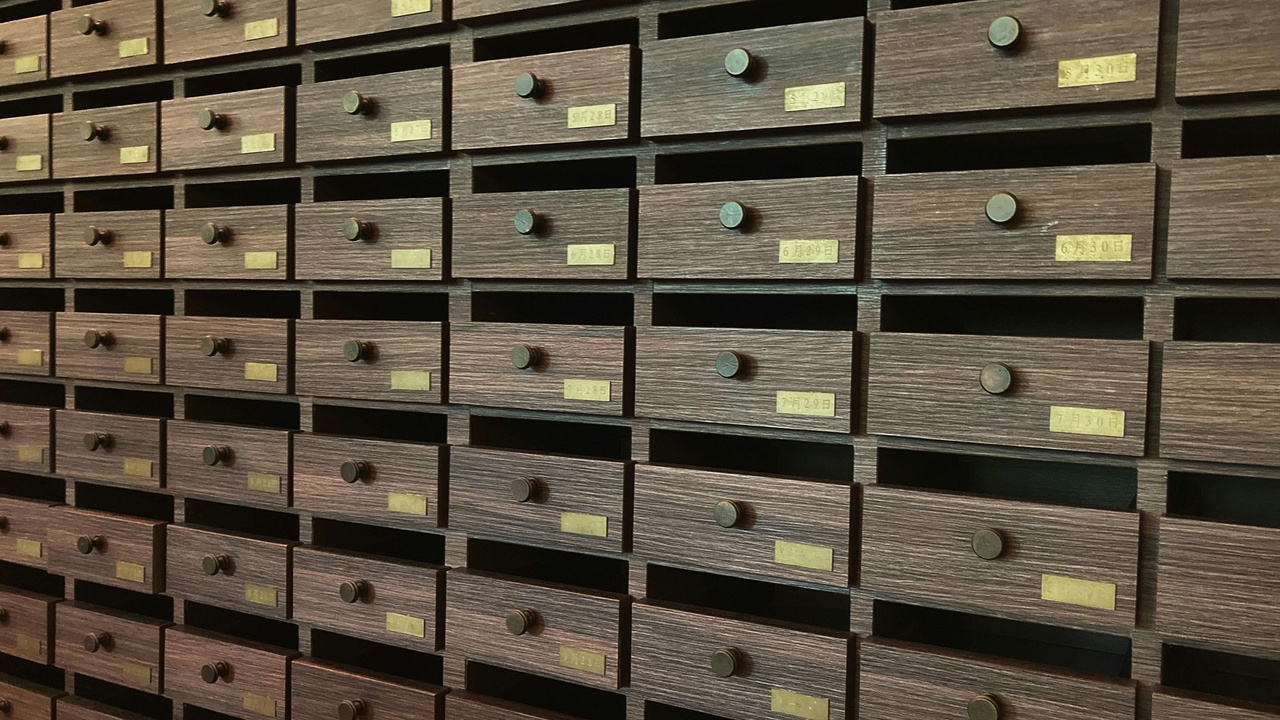
Outside the lab, mendelevium plays a strong symbolic and pedagogical role. It’s a clear example in stories about the periodic table, mid‑20th‑century nuclear chemistry, and how modern elements are discovered and named.
Museums and institutions preserve photographs, lab notes, and sometimes minute preserved samples to document that history and to teach successive generations about the techniques used to make element 101.
7. Teaching advanced chemistry and nuclear courses
Mendelevium often appears in graduate-level courses as a case study in element discovery, radiochemistry and actinide behavior. Instructors use the 1955 Berkeley story and the experimental methods to show how modern elements are synthesized and characterized.
Concrete teaching examples include lecture modules on decay-chain analysis, problem sets that trace production routes, and simulated radiochemical separations rather than hands-on work with large samples. These exercises teach students practical experimental design and data-interpretation skills.
That pedagogical use helps train the next generation of nuclear chemists and radiochemists who will work at national labs and accelerator facilities.
8. Historical exhibits and institutional stewardship
Mendelevium features in museum exhibits, lab histories and archives as part of the broader story of element discovery. Institutions like Lawrence Berkeley National Laboratory maintain photographs, correspondence and experimental records connected to the original team.
These holdings emphasize the naming after Dmitri Mendeleev and document the 1955 synthesis by Ghiorso, Seaborg, Harvey, Choppin and Thompson. The value is symbolic and educational rather than practical, but it preserves scientific heritage.
Archivists and historians use such materials to trace the development of nuclear science and to contextualize how national labs advanced heavy-element research in the mid‑20th century.
Summary
- Mendelevium’s main contributions are scientific and educational rather than commercial; it was first made at Berkeley in 1955 as element 101.
- It provides rare but crucial data that improve nuclear-structure and actinide-chemistry models.
- At tracer and calibration scales, Md helps validate measurements and reduce uncertainty in high-precision experiments.
- Institutions preserve its story—archival materials and course modules keep the history of element discovery alive.