Tellurium quietly underpins technologies from solar panels to specialty electronics, yet it’s produced in only a handful of places worldwide. Understanding which countries supply it helps track supply risk and where refining or recycling investments matter most.
There are 10 Tellurium-Producing Countries, ranging from Belgium to the United States. For each country I list the Flag,Production (t, year),Primary source so you can compare reported output and primary origins — you’ll find below.
How reliable are the production numbers for tellurium?
Country-level tellurium figures can vary because tellurium is often a by-product of copper, lead or zinc refining and reporting standards differ; many estimates come from industry reports, trade data and national statistics. Check the “Primary source” column in the table below to see where each number came from and whether it’s an official government figure or an industry estimate.
What factors determine which countries produce tellurium?
Production depends less on tellurium deposits and more on the presence of base-metal mining and refining capacity, local recycling, and demand from photovoltaics and electronics; countries with integrated smelting/refining setups or significant recycling tend to appear among the top producers.
Tellurium-Producing Countries
| Country | Flag | Production (t, year) | Primary source |
|---|---|---|---|
| China | 🇨🇳 | 170 (2022) | Copper and lead anode slimes, smelting/refining |
| Japan | 🇯🇵 | 50 (2022) | Copper refining (anode slimes), electrolytic refining |
| Canada | 🇨🇦 | 35 (2022) | Copper anode slimes, smelter byproducts |
| Belgium | 🇧🇪 | 30 (2022) | Refining/recycling (primary refiners) |
| Peru | 🇵🇪 | 28 (2022) | Copper smelters and refineries (byproduct) |
| Finland | 🇫🇮 | 18 (2022) | Copper/zinc smelting and refinery byproducts |
| South Korea | 🇰🇷 | 15 (2022) | Refining and anode slime processing |
| Mexico | 🇲🇽 | 10 (2022) | Copper smelting/refining byproducts |
| Russia | 🇷🇺 | 8 (2022) | Copper and nickel refining byproducts |
| United States | 🇺🇸 | 5 (2022) | Recycling, refining byproducts, small domestic recovery |
Images and Descriptions

China
China is the largest refined tellurium producer, recovering it as a byproduct of copper and lead smelting and refining. Output supports photovoltaic and electronics supply chains; figures fluctuate with base-metal refining rates and reporting transparency.
Japan
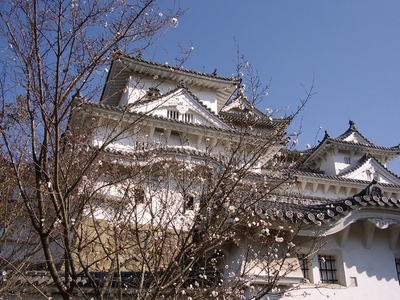
Japan recovers tellurium primarily from copper anode slimes at integrated refiners. Steady domestic recovery and high-purity refining capacity supply electronics and specialty alloy markets; production reflects stable refining throughput rather than primary mining.

Canada
Canada’s tellurium comes mainly as a byproduct of copper refining. Te recovery is concentrated at major smelters and refinery operations; production can rise or fall with copper output and refinery economics, and some material is exported for downstream processing.
Belgium
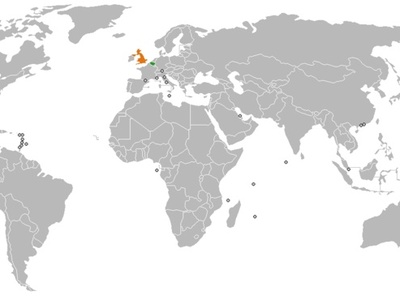
Belgium’s refined tellurium output is tied to large specialty metal refiners that process anode slimes and recycled materials. High-value refining and alloy production make Belgium a notable processor despite limited primary mining, with output dependent on feedstock availability.

Peru
Peru recovers tellurium as a byproduct of large copper smelting operations. As a major copper producer, Peru’s tellurium output scales with ore throughput and refining practices; recovery rate and reporting can vary between companies and years.
Finland
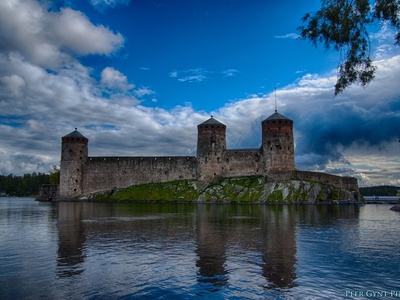
Finland’s smaller but steady tellurium production comes from smelting and refining byproducts processed at Nordic refineries. Output supports specialty materials sectors; production varies with regional base-metal mining and processing volumes.

South Korea
South Korea recovers tellurium at electrolytic and specialty refiners tied to copper production and recycling. Domestic high-purity refining capacity supplies regional electronics and PV industries, and output depends on refined feedstock and global demand.

Mexico
Mexico produces tellurium mainly as a byproduct of copper smelting and refining. Production is modest and linked to base-metal industry activity; occasional increases follow expansions in copper processing or improvements in recovery technology.

Russia
Russia’s tellurium output is produced as a byproduct of copper and nickel refining at several integrated metallurgical complexes. Production is intermittent and tied to base-metal output, domestic refining capacity, and export flows to downstream processors.
United States
U.S. tellurium production is limited and comes from recovery at copper refineries, recyclers, and specialty refiners. Domestic output is small relative to demand; the U.S. relies on imports and recycling for industrial and technology applications.