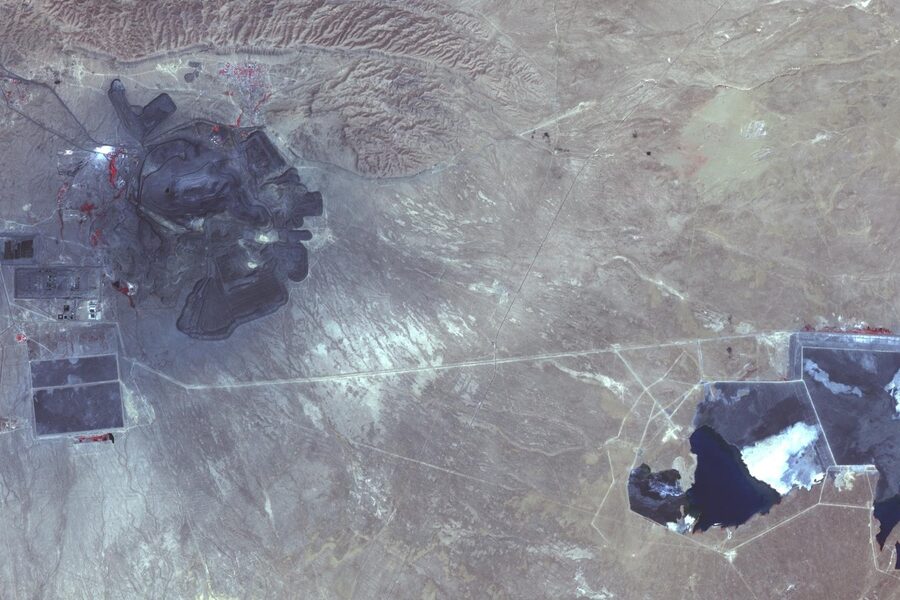
Gold has long driven exploration, trade and regional development, shaping landscapes from artisanal panners to industrial mines. Understanding where gold comes from helps readers follow market shifts, travel interests, and the environmental and economic impacts in producing regions.
There are 25 Gold-Producing Countries, ranging from Argentina to Uzbekistan. For each entry you’ll find below the country flag and quick data organized as Flag,Production (t),Main mines so you can compare output and key operations at a glance — you’ll find below.
Which countries currently lead global gold production?
Top producers tend to be the usual leaders such as China, Australia and Russia, with significant output also from the United States, Canada, Peru and South Africa; the exact ranking can shift year to year based on mine expansions, closures and exploration results, so use the production column to see the latest totals.
How recent and reliable is the production data listed?
The figures are compiled from national agencies, industry reports and organizations like the USGS and World Gold Council and are typically updated annually; check the Production (t) column for the year referenced and consult source notes for methodology or revisions.
Gold-Producing Countries
| Country | Flag | Production (t) | Main mines |
|---|---|---|---|
| China | 🇨🇳 | 360 | Jiaodong region, Shandong, Zijin |
| Australia | 🇦🇺 | 310 | Fosterville, Super Pit (Kalgoorlie), Boddington |
| Russia | 🇷🇺 | 293 | Olimpiada, Kupol, Natalka |
| United States | 🇺🇸 | 170 | Carlin, Cortez (Nevada), Fort Knox (Alaska) |
| Canada | 🇨🇦 | 170 | Red Lake, Detour Lake, Canadian Malartic |
| Peru | 🇵🇪 | 130 | Yanacocha, Lagunas Norte, La Zanja |
| Ghana | 🇬🇭 | 120 | Obuasi, Tarkwa, Ahafo |
| South Africa | 🇿🇦 | 100 | Mponeng, Driefontein, Kloof |
| Mexico | 🇲🇽 | 95 | Peñasquito, Saucito, La Herradura |
| Indonesia | 🇮🇩 | 90 | Grasberg, Batu Hijau, Tujuh Bukit |
| Brazil | 🇧🇷 | 80 | Mina Grande, Jacobina, Serra Pelada region |
| Uzbekistan | 🇺🇿 | 75 | Muruntau, Amantaytau |
| Kazakhstan | 🇰🇿 | 60 | Vasilkovskoye, Varvarinskoye |
| Argentina | 🇦🇷 | 55 | Veladero, Cerro Vanguardia, Lama |
| Mali | 🇲🇱 | 50 | Sadiola, Loulo-Gounkoto, Syama |
| Papua New Guinea | 🇵🇬 | 45 | Lihir, Porgera, Ok Tedi |
| Turkey | 🇹🇷 | 40 | Çöpler, Kisladag, Ovacik |
| Chile | 🇨🇱 | 38 | El Peñón, La Coipa, Maricunga |
| Philippines | 🇵🇭 | 35 | Didipio, Masbate, Maco |
| Colombia | 🇨🇴 | 32 | Segovia, Marmato, La Colosa (exploration) |
| Burkina Faso | 🇧🇫 | 30 | Houndé, Essakane, Taparko |
| Kyrgyzstan | 🇰🇬 | 30 | Kumtor, Makmal |
| Ecuador | 🇪🇨 | 24 | Fruta del Norte, Azuay projects |
| Democratic Republic of the Congo | 🇨🇩 | 22 | Kibali, Moto, Twangiza |
| Tanzania | 🇹🇿 | 20 | Geita, Bulyanhulu, North Mara |
Images and Descriptions
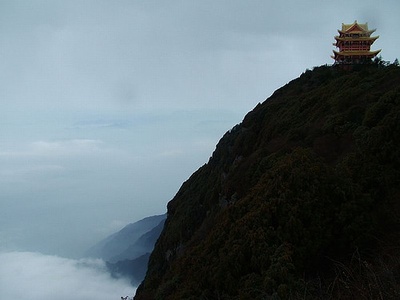
China
China is the world’s largest gold miner with large, diverse operations from northeastern to eastern provinces. Production is driven by both state-owned and private miners and major new projects in the Jiaodong district.
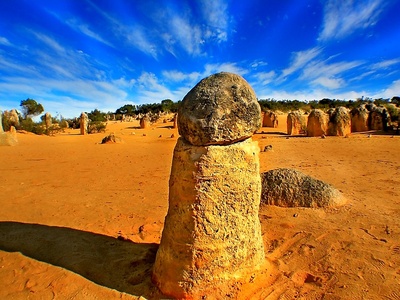
Australia
Australia is a top producer with high-grade underground and large open-pit mines across Western Australia. It combines long-lived established mines and new discoveries, making it a global mining investment hub.
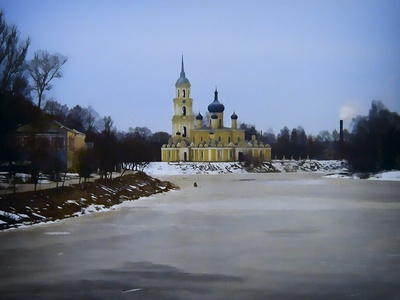
Russia
Russia’s gold output comes from large Siberian and Far East mines operated by major domestic producers. Strong exploration and state-backed investment keep Russia among the world leaders in mined gold.

United States
US production is concentrated in Nevada’s prolific districts with modern large-scale open-pit and underground mines. The industry is technologically advanced and supports significant exploration spending.
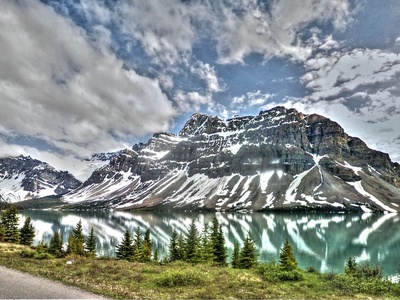
Canada
Canada’s gold comes from Ontario, Quebec, and western provinces. It has a mix of high-grade underground and large low-grade open-pit mines and a robust junior exploration sector.
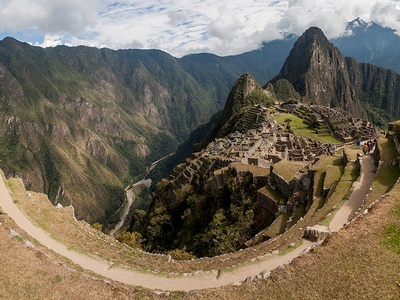
Peru
Peru is a major South American producer with large high-altitude open-pit mines. Gold is often produced alongside copper and silver at big polymetallic operations.
Ghana
Ghana is West Africa’s largest gold producer with long-established mines and significant artisanal activity nearby. It remains central to the region’s mining economy and investment pipeline.
South Africa
Once the world leader, South Africa still produces significant gold from deep underground operations. Declining grades and aging infrastructure have reduced output, but major producers remain active.
Mexico
Mexico has a mix of high-output open-pit and underground mines across several states. It is a steady North American producer with both domestic and international mining companies active.
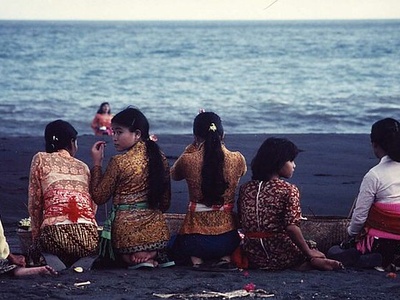
Indonesia
Indonesia hosts some of the world’s largest gold-copper deposits. Production is concentrated in Papua and Sulawesi, with both open-pit and complex high-elevation operations.
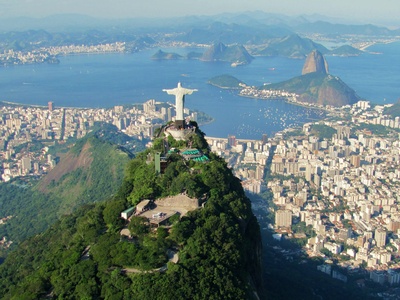
Brazil
Brazil’s gold comes from large-scale mines and extensive small-scale operations in the Amazon and Minas Gerais. The sector includes big commercial mines and significant artisanal activity.
Uzbekistan
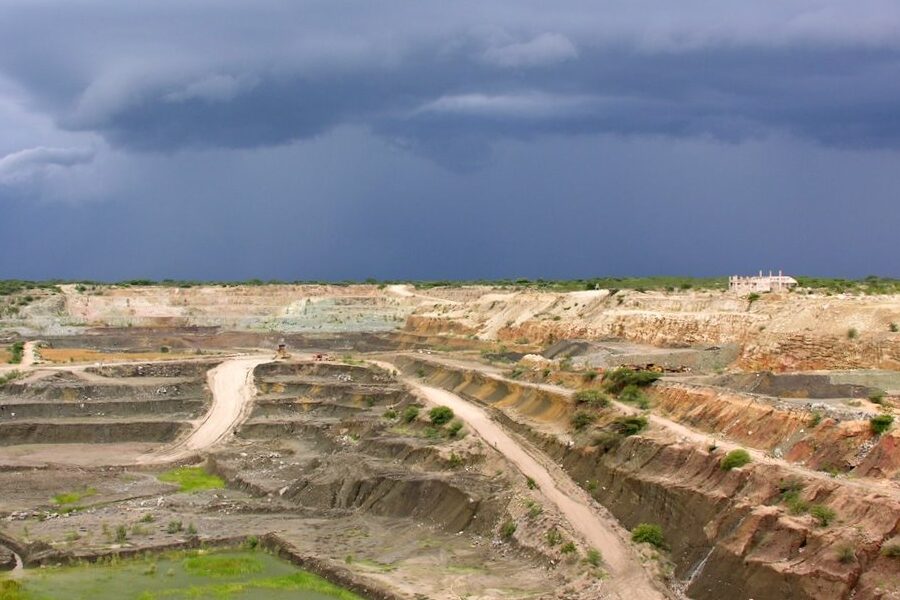
Uzbekistan’s Muruntau is one of the world’s largest single gold mines, producing heavy volumes. State mining companies dominate the sector with consistent, sizable annual output.
Kazakhstan
Kazakhstan produces gold from large open-pit and underground operations in its mineral-rich steppe regions. It is a significant Central Asian producer with growing exploration efforts.
Argentina
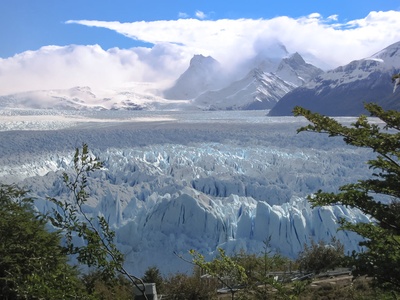
Argentina’s production comes from high-elevation Andean mines and expanding projects in Patagonia. The country has attracted investment for multi-year open-pit operations.
Mali
Mali is a major West African producer with several large commercial mines and extensive artisanal mining. Political and security factors affect operations, but reserves remain significant.
Papua New Guinea
PNG’s large island deposits produce gold often alongside copper. Remote sites and challenging logistics are offset by very high-grade deposits and substantial output.

Turkey
Turkey has developed substantial gold production from both open-pit and underground mines, supported by a growing domestic industry and favorable geology in Anatolia.
Chile
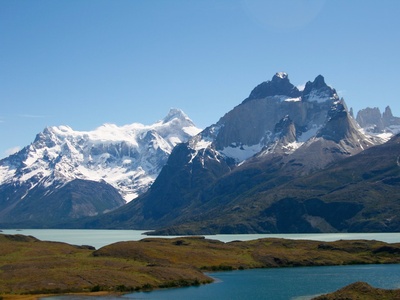
Primarily known for copper, Chile also produces notable gold as a byproduct of porphyry deposits in the Andes. Mines are generally high-tonnage, lower grade.
Philippines
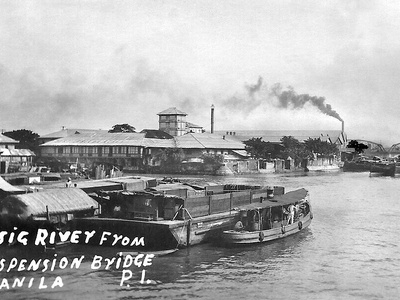
The Philippines’ gold sector includes several medium-sized mines and new projects. Operations are often controversial due to environmental and social concerns.
Colombia
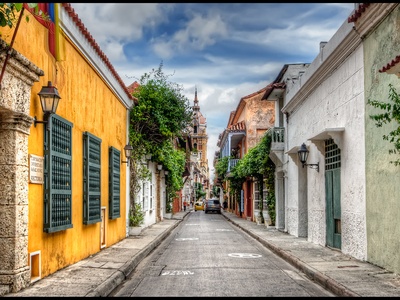
Colombia’s output comes from both commercial and artisanal miners, concentrated in Andean districts. Strong exploration activity continues despite regulatory and security challenges.
Burkina Faso
Burkina Faso is a fast-growing West African producer with large open-pit operations run by international companies; artisanal mining is also widespread.
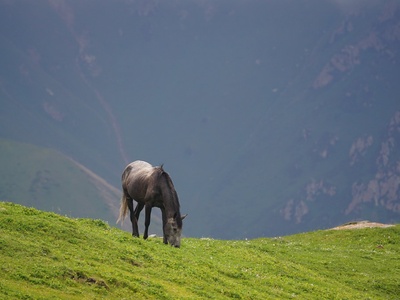
Kyrgyzstan
Kyrgyzstan’s Kumtor mine historically accounts for the bulk of national production. The sector is dominated by a few large operations and is geopolitically sensitive.
Ecuador
Ecuador’s modern gold sector grew rapidly after major projects like Fruta del Norte began production, attracting foreign investment into the Andes foothills.
Democratic Republic of the Congo
DRC produces gold from large industrial mines and extensive artisanal operations. Infrastructure and governance challenges contrast with significant resource potential.
Tanzania
Tanzania is East Africa’s leading producer with a mix of large-scale mines and artisanal activity. The sector is important for the national economy and export revenues.