7 Interesting Facts About Snakes
Some snakes can go months between meals and still emerge ready to strike — a dramatic reminder of how different their biology is compared with mammals. Remarkable. If you shrug snakes off as scary or exotic, you might miss how central they are to healthy ecosystems, medicine, and human culture. From farmers who appreciate rat snakes to researchers mining venom for life‑saving drugs, these animals matter in surprising ways.
This piece lays out seven specific, evidence-backed points that reveal why snakes deserve attention: their roles as predators, their unusual anatomies and venoms, and the human stories—medical, mythic, and conservation—that surround them. Read on for seven numbered facts that illustrate snake biology and practical implications for people and places where snakes live.
Ecology and Behavior
These points cover snakes’ ecological roles, hunting styles, and global distribution. Expect examples from farms, deserts and rainforests, plus concrete traits that shape how snakes interact with people and prey.
1. Natural pest controllers that protect crops and homes
Snakes suppress rodent populations and so reduce crop damage and disease risk around farms and dwellings. Rodents cause substantial losses to stored grain and fields worldwide, and predators like nonvenomous rat snakes and kingsnakes help keep those numbers down. In many rural areas, farmers tolerate or even encourage native snakes near barns to reduce the need for chemical rodenticides.
For example, rat snakes commonly patrol barns and grain stores, eating mice and rats that would otherwise damage supplies. Where snakes are present, producers often report fewer rodent sightings and less need for traps or poisons—an ecological service with direct economic value.
2. Found nearly everywhere — except Antarctica
Snakes occupy a vast range of habitats across the globe: tropical rainforests, temperate woodlands, deserts, grasslands and even urban edges. Herpetology estimates put the number of recognized species at roughly 3,700, with about 600 considered venomous. That broad distribution matters because snakes contribute to regional biodiversity and frequent human-wildlife interactions.
High-diversity hotspots include the Amazon and Southeast Asian forests (home to reticulated pythons and many colubrids), while arid zones support specialists like sidewinder rattlesnakes. Their presence on every continent except Antarctica makes snakes a near‑global element of terrestrial ecosystems.
3. A range of hunting styles — stealth, speed, and venom
Snakes employ three primary hunting approaches: ambush predators, constrictors, and venomous strike hunters. Ambush species wait motionless for prey, constrictors like boas and pythons wrap and suffocate, and venomous snakes immobilize or digest prey chemically.
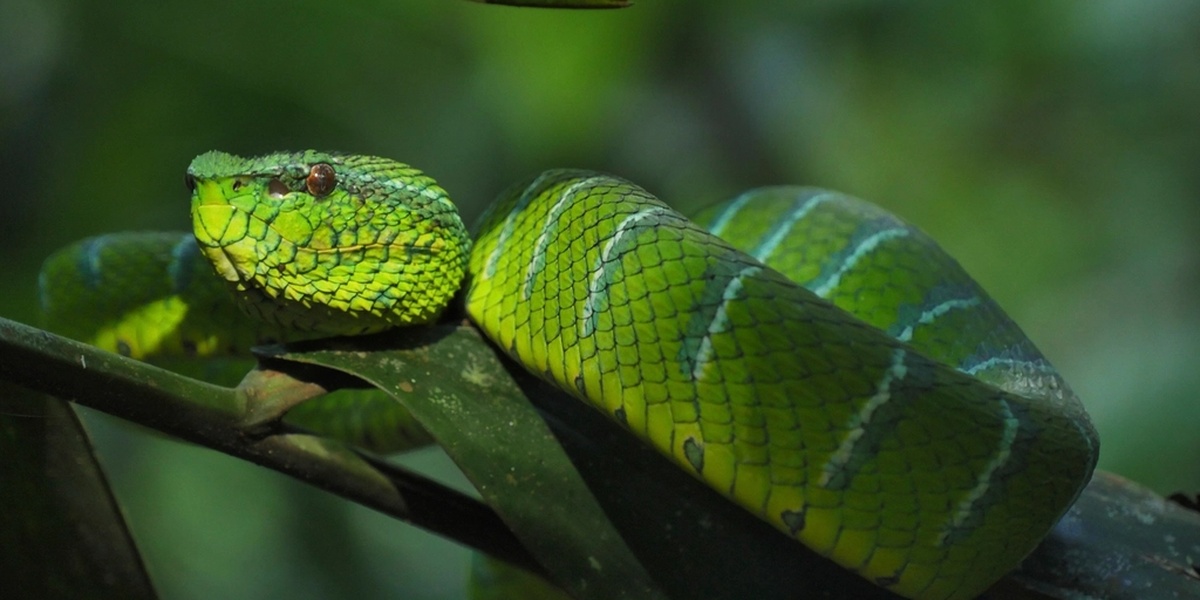
Adaptations back those strategies: pit vipers possess infrared-sensing pits to detect warm-blooded prey, some vipers can strike in fractions of a second, and large constrictors reach impressive sizes (reticulated pythons have been recorded up to about 7 m / 23 ft). Understanding these styles helps shape safety guidance and wildlife management in areas where people and snakes overlap.
Anatomy and Physiology
Snakes show several anatomical marvels that explain how they move, grow, and deliver venom. The next two points cover spine and locomotion, plus shedding and venom chemistry.
4. A long spine and no limbs — built to move in surprising ways
Snakes typically have about 200–400 vertebrae, each with an attached pair of ribs; that many segments gives extraordinary flexibility. That anatomy supports multiple locomotion modes: lateral undulation for general travel, rectilinear movement for slow, stealthy advances, and sidewinding for loose sand and unstable surfaces.
Those movement patterns have real‑world applications: engineers model sidewinder motion when designing snake robots for search-and-rescue and pipeline inspection. Larger snakes also use rectilinear motion to creep forward quietly when stalking prey, an advantage in ambush hunting.
5. Shedding, venom chemistry, and biomedical surprises
Snakes shed their skin (ecdysis) regularly: juveniles may shed every 4–6 weeks while adults typically shed 2–4 times per year, depending on growth and season. Shedding removes parasites and allows growth; it also signals health and reproductive state to other animals.
Venoms, meanwhile, are complex cocktails of enzymes and peptides with diverse effects on blood, nerves and tissues. Researchers turned one such peptide into the ACE inhibitor captopril after studies beginning in the 1960s; captopril reached approval in 1981 and helped launch a new class of blood-pressure drugs. Antivenoms (for example, CroFab for North American pit viper bites) and production centers like Instituto Clodomiro Picado play crucial roles in treatment. The World Health Organization estimates snakebite causes roughly 81,000–138,000 deaths per year, underscoring both the medical threat and the opportunity that venom research presents.
Human Connections: Medicine, Culture, and Conservation
Snakes intersect human life through drug discovery, deep cultural symbolism, and pressing conservation needs. These final points touch on venoms in medicine and the cultural and practical challenges of protecting snake diversity.
6. Venoms power drug discoveries and lifesaving antivenoms
These facts about snakes include the surprising path from venom peptides to widely used medicines. Scientists isolated bradykinin‑potentiating peptides from Brazilian pit viper venom in the 1960s, work that led to captopril (approved 1981), an early ACE inhibitor that transformed hypertension treatment.
Beyond blood‑pressure drugs, venom research contributes leads for painkillers, anticoagulants and diagnostic tools. Antivenom production—often involving immunizing host animals and purifying antibodies—is a separate, vital enterprise; producers like Instituto Clodomiro Picado and commercial products like CroFab save thousands of lives each year while responding to the WHO‑documented global snakebite burden.
7. Deep cultural roots — and a conservation challenge
Snakes appear in myths from the ouroboros to the Rod of Asclepius, symbolizing cycles, healing and danger across cultures. That symbolic power coexists with everyday realities: habitat loss, persecution, and illegal trade threaten many species.
The eastern indigo snake provides a concrete example—once common in parts of the southeastern U.S., it now benefits from habitat protection and recovery plans. Conservation strategies that work include protected areas, research-driven translocations, and community outreach that reduces fear and killing. Coexistence on a local scale—simple measures like secure poultry housing and education—can make a big difference.
Summary
Snakes are ecologically essential predators, anatomical marvels, and sources of medically useful compounds; they also face real conservation pressures. Supporting research, sensible policy, and respectful coexistence helps preserve both biodiversity and the human benefits snakes provide.
- Snakes act as natural pest controllers, reducing rodent damage and lowering reliance on poisons.
- Their anatomy—≈200–400 vertebrae and specialized locomotion—has inspired robotics and explains varied hunting tactics.
- Venoms have led to drugs such as captopril (research in the 1960s; approval 1981) and demand ongoing antivenom production (e.g., CroFab, Instituto Clodomiro Picado).
- Conservation and coexistence—education, habitat protection and targeted recovery programs—are practical ways to safeguard snakes and the services they provide.