In December 1952 a dense, yellow-black fog choked London for days. Known as the Great Smog of London, the episode overwhelmed people’s lungs, filled hospitals, and killed thousands before clean-air laws followed. That shock made it clear how fragile respiratory health can be when pollution rises and the lungs are pushed beyond their defenses.
Knowing how lungs work matters for personal choices, public policy, and medical innovation. Lungs are finely tuned organs that trade oxygen and carbon dioxide across a vast microscopic surface, fend off inhaled particles with built-in cleaning systems, and rely on precise blood flow to do their job. When those systems fail—because of smoke, infection, or pollution—the consequences ripple through communities and health systems.
The piece will present eight clear, science-backed facts about the lungs.
Anatomy and How the Lungs Work
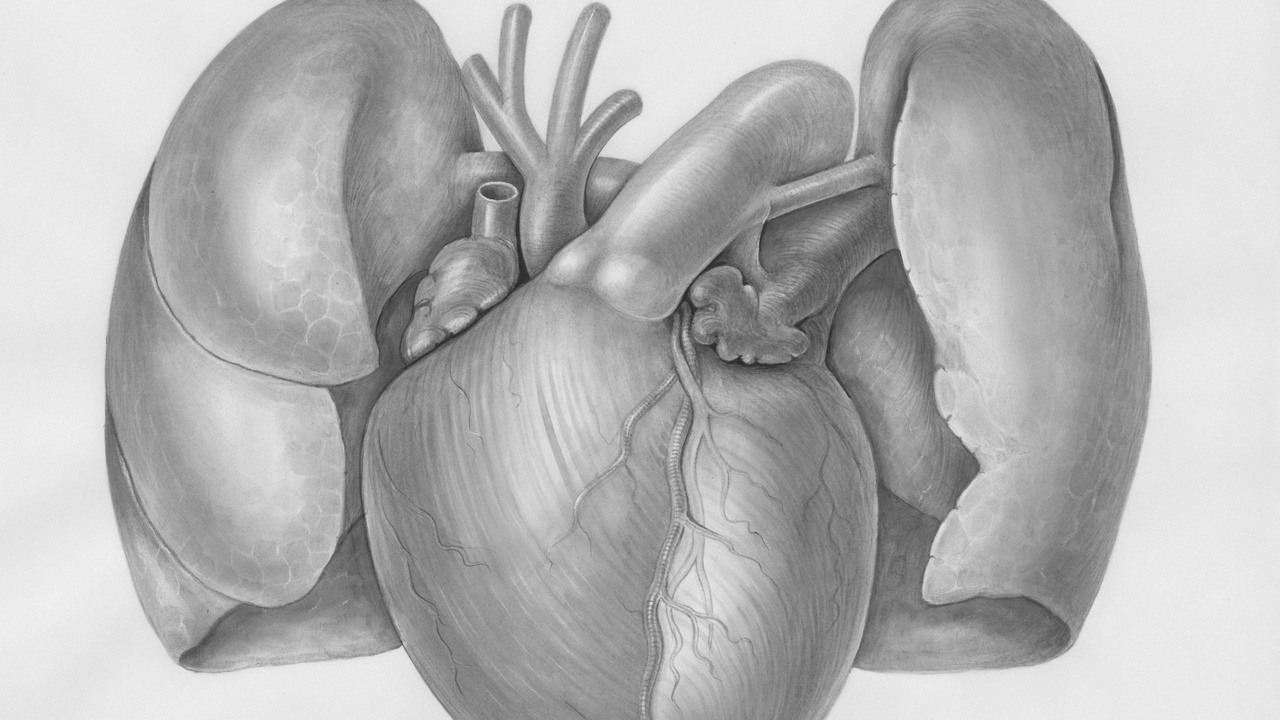
The lungs are built for two complementary jobs: maximize the surface for gas exchange, and keep that surface clean and well perfused. Below you’ll find three related themes: the alveolar surface area that enables rapid oxygen uptake; the mucociliary clearance system that removes particles and microbes; and the lung’s specialized blood supply that makes diffusion extremely efficient. These basics set the stage for the numbered facts that follow.
1. Lungs have an enormous surface area — about the size of a tennis court
The inner surface area of healthy adult lungs is roughly 60–80 square meters, comparable to a tennis court. That area comes from about 300 million alveoli, tiny sacs where oxygen and carbon dioxide pass between air and blood.
A large exchange surface speeds diffusion, so oxygen gets into blood quickly and carbon dioxide is expelled efficiently. Endurance athletes and people living at altitude depend on this capacity; when demand rises, the same surface area supports much higher gas transfer rates.
To picture the scale: your alveoli folded out would cover roughly a tennis court or about half a badminton court—remarkable for organs tucked inside a ribcage.
2. The lungs are self-cleaning thanks to mucus and tiny cilia
The airways are lined with mucus that traps dust, pollen, and microbes, and with microscopic hair-like cilia that beat rhythmically to move that mucus upward toward the throat. Scientists call this the mucociliary escalator.
Cilia normally beat many times per second to clear particles; mucus is produced continuously and increases with irritation or infection. Cigarette smoke paralyzes cilia and thickens mucus, which explains why smokers develop chronic bronchitis and are more prone to lung infections.
Historic events such as the 1952 London smog showed how a sudden particulate overload can overwhelm these defenses and trigger widespread respiratory illness.
3. Lungs have a specialized blood supply that maximizes gas exchange
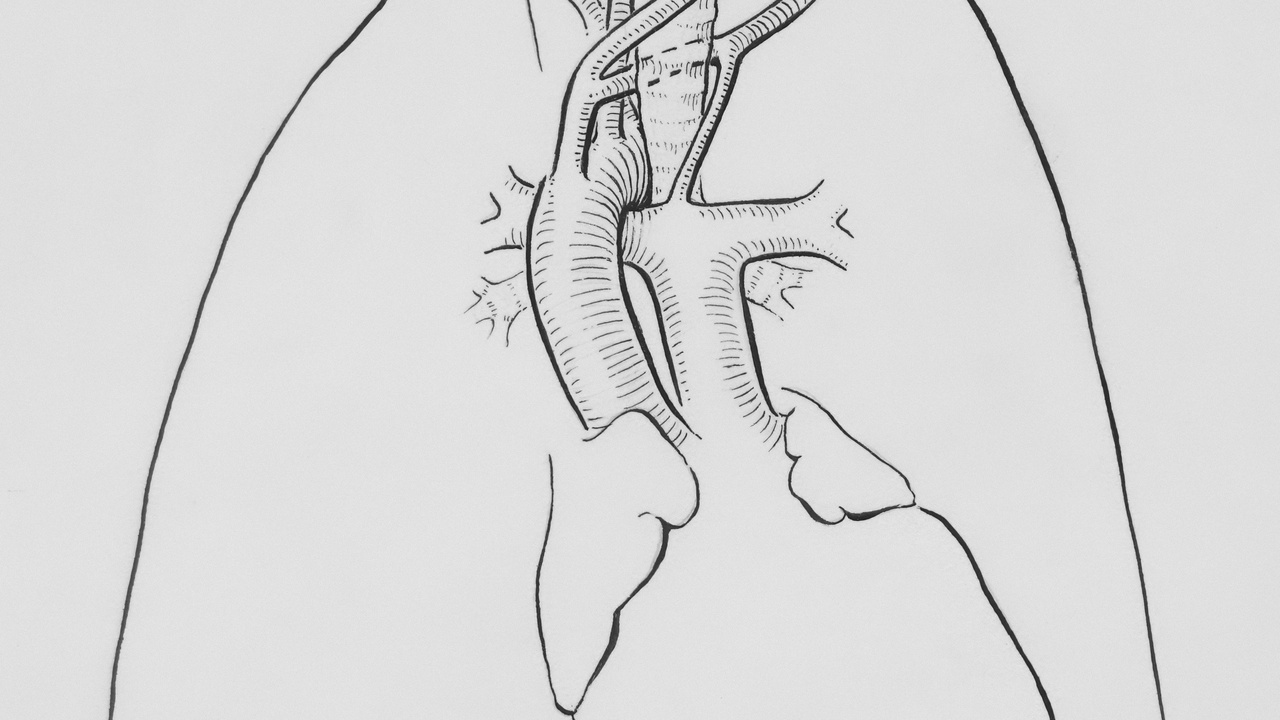
Blood reaches the lungs through two systems: the pulmonary arteries carry deoxygenated blood from the right ventricle to the alveolar capillaries for gas exchange, while the bronchial circulation supplies airway tissues with nutrients.
The pulmonary capillary network is extremely dense, minimizing the distance oxygen must diffuse into blood. That geometry is why even small changes—fluid in the alveoli (pulmonary edema) or blocked vessels (pulmonary embolism)—can sharply reduce oxygen uptake.
Clinically, a pulmonary embolism can cause sudden shortness of breath and low oxygen levels; diagnosis and treatment often involve imaging and anticoagulation or surgical intervention in severe cases.
Lungs and Health: Risks, Repair, and Public Impact
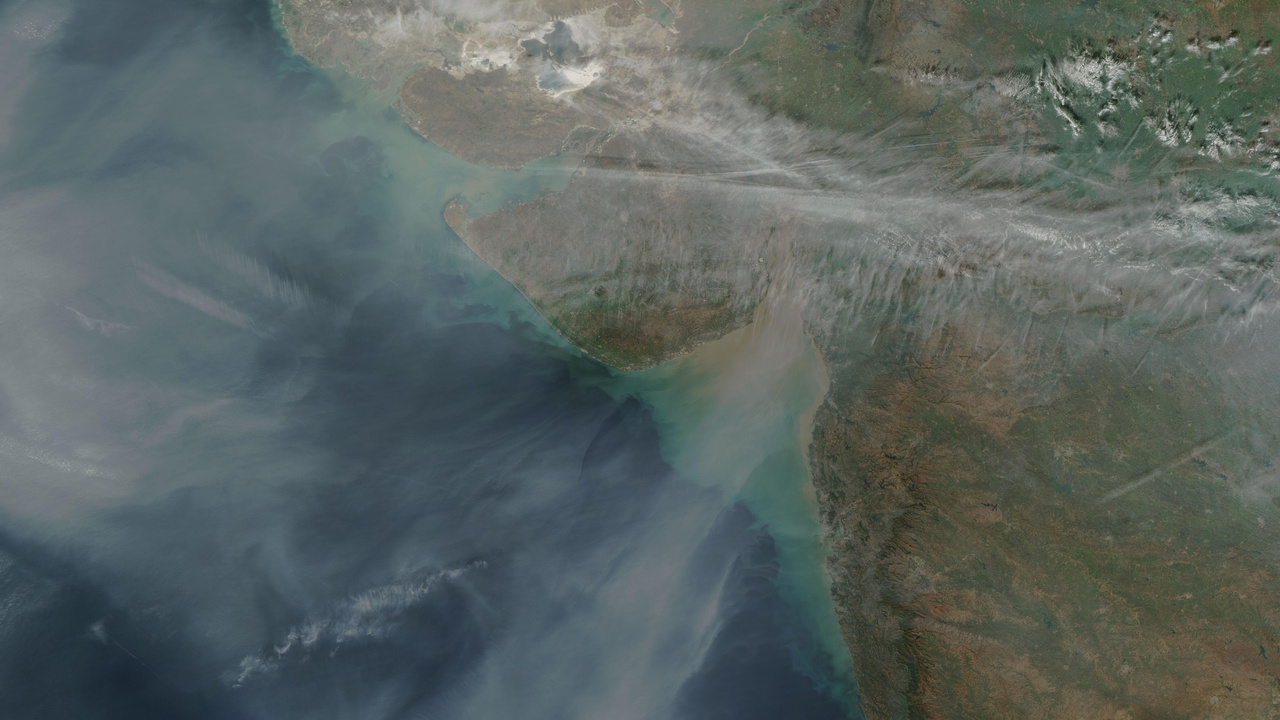
Respiratory health spans from individual healing to global policy. The lungs can recover from limited injury, yet many lung diseases remain leading causes of death worldwide. Environmental exposures—outdoor air pollution, indoor smoke—translate directly into disease burden, and policy interventions change outcomes across populations.
Below are three facts that connect regeneration, epidemiology, and the policy levers that shape pulmonary health.
4. The lungs can repair themselves — but only to a point
Lung tissue contains resident progenitor cells (including alveolar epithelial progenitors) that can proliferate and restore damaged epithelium after limited injury. Animal and human studies show partial regeneration after surgical resection or localized damage.
However, severe or repeated injury often leads to scarring (fibrosis) that is largely irreversible. That limitation is why early treatment matters and why regenerative research—stem-cell approaches and tissue engineering—is an active area of study.
Practical examples include measurable regrowth after partial lung removal and promising preclinical models where progenitor cells repopulate alveoli following moderate injury.
5. Respiratory diseases are among the world’s deadliest conditions
Global estimates show ambient air pollution contributes to roughly 4.2 million premature deaths annually (WHO estimates), and diseases such as COPD, lung cancer, and lower respiratory infections remain top causes of mortality.
GLOBOCAN estimated lung cancer deaths around 1.8 million in 2020, and COPD accounts for millions more each year. Major drivers include tobacco use, air pollution, occupational exposures, and infections.
Prevention—smoking cessation, vaccination (influenza, pneumococcal), and stronger air-quality measures—remains the most effective way to reduce this burden.
6. Air quality — from city smogs to indoor pollution — directly shapes lung outcomes
The 1952 Great Smog of London is a stark example: thousands of excess deaths and respiratory hospitalizations led to the UK Clean Air Act and subsequent policies. Today, fine particulate matter (PM2.5) is linked to cardiovascular and respiratory mortality worldwide.
PM2.5 particles penetrate deep into the lungs and can enter the bloodstream, causing inflammation that raises long-term risks for COPD and lung cancer. Indoor sources—cooking smoke, poorly vented heating—also drive disease in many regions.
Practical measures such as HEPA filtration, indoor ventilation improvements, smoking bans, and urban low-emission zones reduce exposure and improve population health.
Everyday Life, Performance, and Technology Inspired by the Lungs
The lungs influence daily stamina and elite performance, and their physiology has guided medical devices that save lives. This section covers how lung capacity affects exercise and how engineers and clinicians replicate lung function in devices such as ventilators and ECMO.
7. Lung capacity and gas exchange shape athletic performance and everyday stamina
Basic lung volumes matter: a typical resting tidal volume is about 0.5 liters, while vital capacity varies with age, sex, and body size. Diffusion capacity and cardiac output together determine oxygen delivery during exercise.
VO2 max reflects that combined system: elite endurance athletes—top cyclists and cross-country skiers—often have VO2 max values in the 70–85 mL/kg/min range. Training improves efficiency and ventilatory control, but it rarely increases maximal lung size dramatically in adults.
Athletes use targeted breathing techniques and altitude training to improve oxygen delivery and utilization, while routine aerobic fitness raises stamina for everyday activities.
8. The lungs inspired life-saving technologies — from ventilators to artificial lungs (ECMO)
Understanding lung mechanics made mechanical ventilation possible. Early negative-pressure devices (the iron lung during polio epidemics) gave way to positive-pressure ventilators in the mid-20th century, which are now a staple of intensive care.
Extracorporeal membrane oxygenation (ECMO) takes blood outside the body, removes carbon dioxide, and adds oxygen—effectively replacing lung function temporarily in severe respiratory failure. ECMO and ventilators were widely used during the 2020 COVID-19 pandemic at major centers to support critically ill patients.
These technologies continue to evolve with better sensors, imaging guidance, and materials informed by lung physiology and clinical needs.
Summary
Key takeaways tie the anatomy and public-health lessons together and point to simple actions people and policymakers can take to protect respiratory health.
- The lungs’ exchange surface is enormous—about 60–80 m², roughly a tennis court—allowing rapid oxygen and CO₂ transfer.
- The mucociliary escalator (mucus plus cilia) is a primary defense; smoking and pollution reduce its effectiveness and raise infection risk.
- Air pollution causes millions of premature deaths annually (WHO estimates), and events like the 1952 Great Smog changed policy on clean air.
- Advances in regenerative research, ventilators, and ECMO stem from understanding lung biology and have real-world impact in critical care.
- Protective steps are clear: quit smoking, get vaccinated, improve indoor air quality, and support clean-air policies to preserve pulmonary health.