Your heart — a muscle — beats roughly 100,000 times a day, powering every minute of your life. That single statistic hints at a larger truth: muscles do far more than move bones; they shape metabolism, protect organs, power athletic feats, and inspire medical and engineering advances. These seven facts about muscles will change how you think about the body’s engine. The points below mix anatomy, physiology, practical advice, and examples from medicine and technology so you can appreciate why muscles matter for health, performance, and innovation.
Muscle biology: types and composition
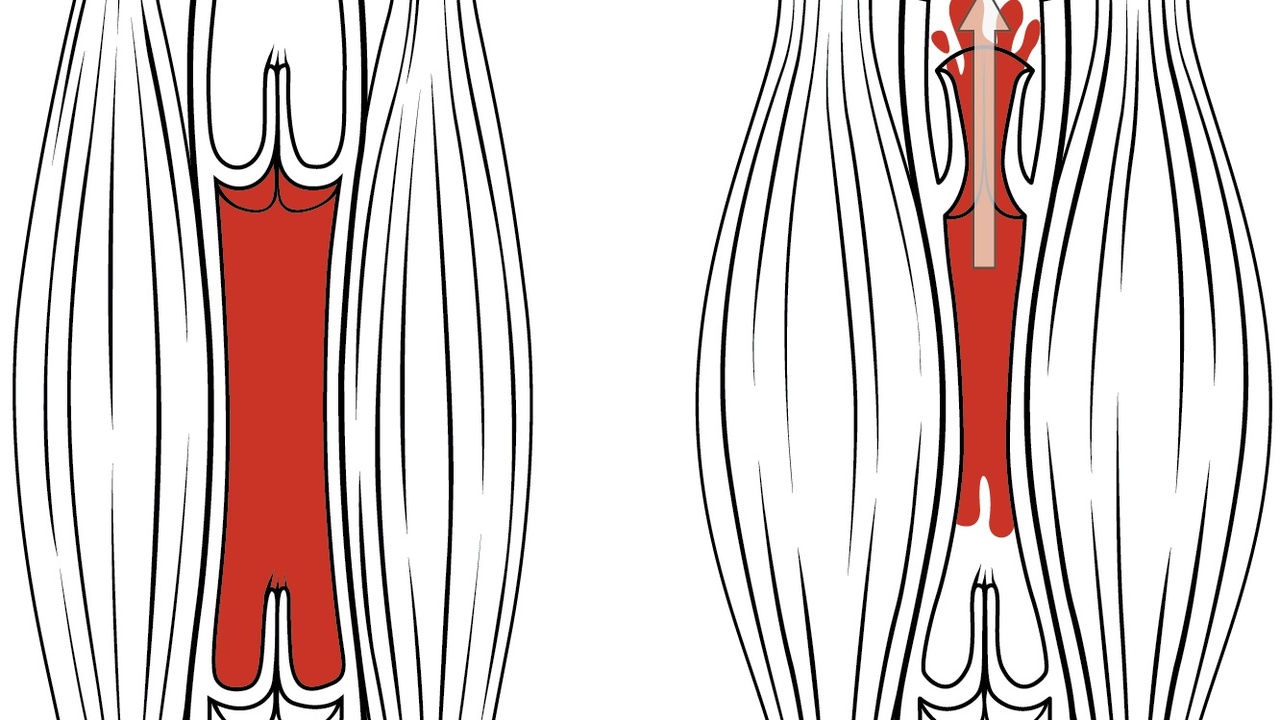
At the simplest level, muscle tissue is classified into three types—skeletal, cardiac, and smooth—and that classification drives how muscles behave in health and disease. Knowing the differences matters for surgery, rehabilitation, training, and treating illness.
1. There are three distinct muscle types: skeletal, cardiac, and smooth
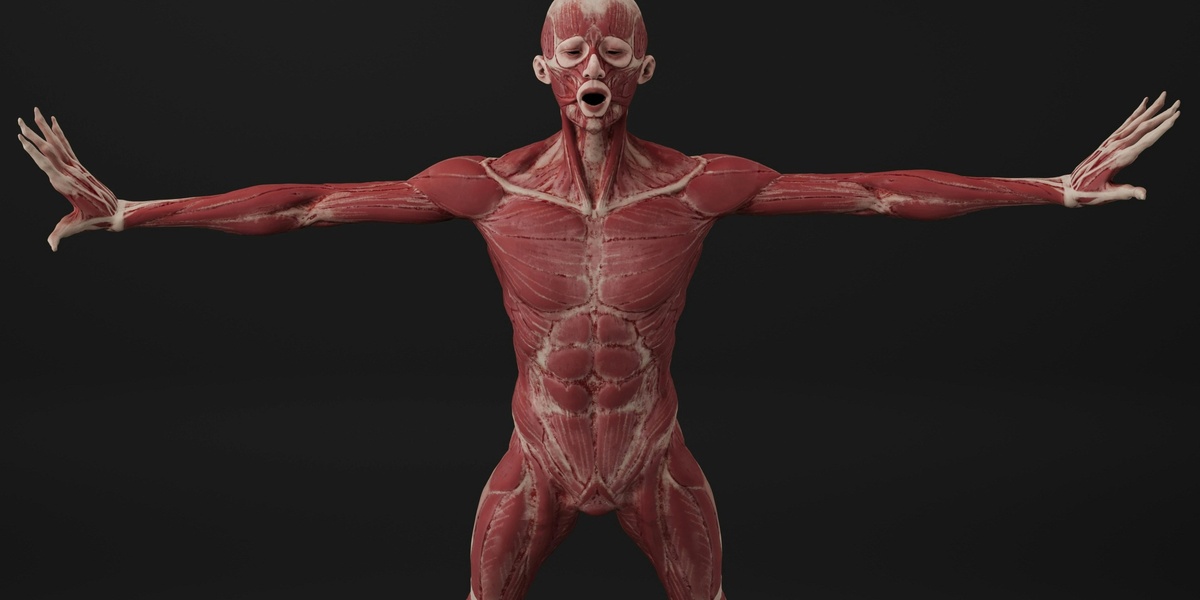
Human muscles fall into three categories with distinct structure and roles. There are roughly 600 named skeletal muscles, and skeletal muscle accounts for about 40% of body mass in men and ~30% in women (sources: standard anatomy texts and public health summaries). Skeletal muscle is striated and under voluntary control (think biceps brachii or the diaphragm), cardiac muscle is striated but involuntary and contracts rhythmically (the heart beats ~100,000 times per day), and smooth muscle in places like the intestinal wall and blood vessels is non‑striated and involuntary. Clinically, this matters because injury, pharmacology, and surgical approaches differ by muscle type.
2. Muscle fibers come in distinct types that affect performance and fatigue
Skeletal fibers are commonly grouped into slow‑twitch (Type I) and fast‑twitch (Type II) types, which have different metabolic and mechanical profiles. Type I fibers are oxidative, contract slowly, and resist fatigue; they dominate postural muscles and are abundant in endurance athletes. Type II fibers are glycolytic or mixed, contract rapidly, and generate more power but fatigue sooner; sprinters and power athletes recruit these more heavily. The proportion of fiber types varies between individuals and can shift modestly with training—elite marathoners often have higher Type I percentages while sprinters show more Type II—so fiber composition influences training choices and rehabilitation plans (ACSM).
3. Contraction depends on the sliding-filament mechanism and a tiny chemical fuel: ATP
At the molecular level, muscle contraction follows the sliding‑filament model: myosin heads on thick filaments form cross‑bridges with actin thin filaments and pull them past one another. ATP is the immediate energy currency that powers cross‑bridge cycling, and calcium released from the sarcoplasmic reticulum is the on/off switch that exposes binding sites on actin. During intense work muscles consume large amounts of ATP and must resynthesize it rapidly (creatine phosphate helps short bursts). Disruptions of calcium or ATP handling underlie clinical problems such as malignant hyperthermia, and ion imbalances contribute to muscle cramps.
Muscles and health: metabolism, aging, and recovery

Muscle is more than a motor: it’s an active metabolic organ that affects blood sugar, basal energy use, and resilience as we age. How you move and eat shapes long‑term health through muscle mass and function.
4. Muscle is a metabolic organ: it helps regulate blood sugar and burns calories at rest
Skeletal muscle stores glycogen and is the primary site for insulin‑mediated glucose uptake, so greater muscle mass and regular muscle activity improve insulin sensitivity and glycemic control. Because skeletal muscle comprises a large share of body mass (~40% in men), increasing it modestly raises resting metabolic rate and helps glucose disposal. That’s why organizations like the American College of Sports Medicine and the American Diabetes Association recommend regular resistance and aerobic exercise as part of type 2 diabetes care; even twice‑weekly resistance sessions contribute to better metabolic health.
5. Muscle mass declines with age, but targeted exercise can slow or reverse it
Muscle mass and strength decline with age in a measurable way—typical estimates put loss at roughly 3–8% per decade after age 30, with faster losses after about 60. The condition of age‑related muscle loss is called sarcopenia and it raises falls, frailty, and metabolic risk. Progressive resistance training plus adequate protein intake reliably builds strength and size in older adults; beginners often see 20–40% strength gains in 8–12 weeks in clinical trials. Public health guidance (WHO, ACSM) emphasizes resistance work and protein distribution across the day for preservation and recovery.
Performance, adaptation, and technology inspired by muscles
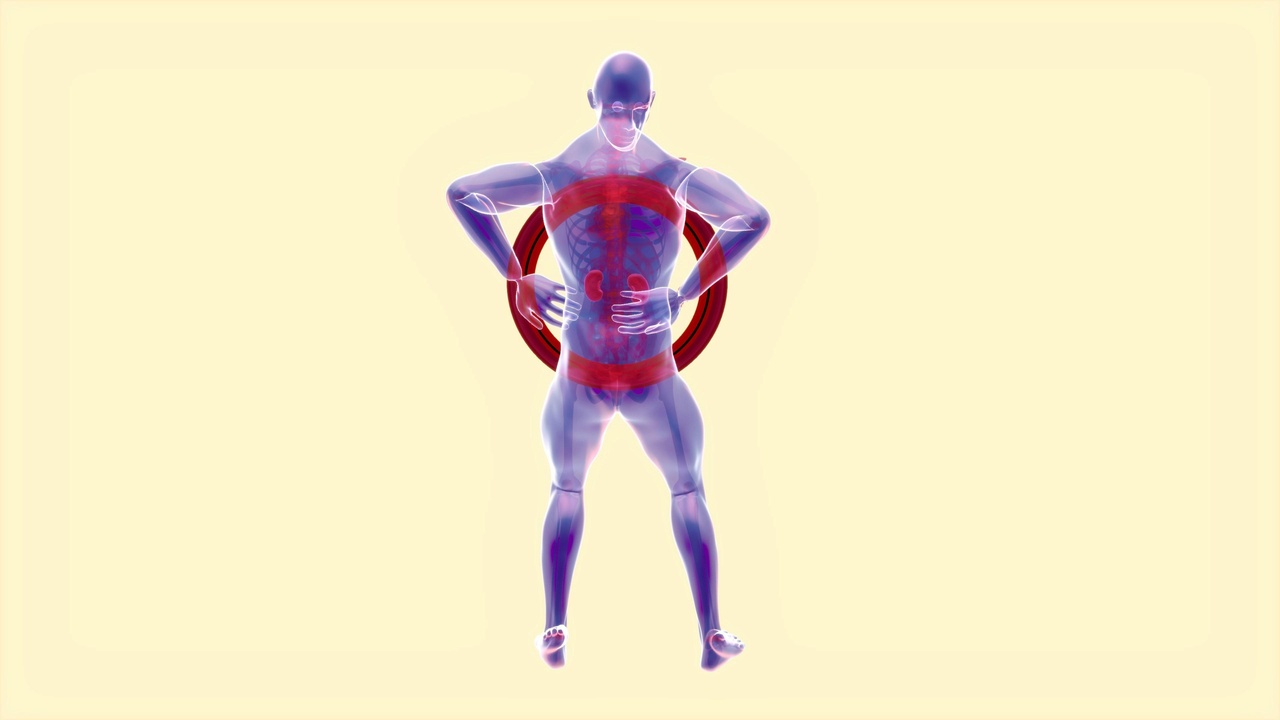
Muscle adapts to demand, and our understanding of that adaptability has driven innovations from training programming to prosthetics and drug development. Engineers and clinicians translate muscle science into devices and therapies that restore or augment function.
6. Muscles quickly adapt to loading: strength gains come from both neural change and hypertrophy
When you start a resistance program, much of the early improvement in strength is neural—better motor unit recruitment, coordination, and reduced inhibition—followed by measurable hypertrophy of fibers over weeks to months. Novices commonly gain 20–40% in strength during the first 8–12 weeks, while increases in muscle cross‑sectional area accumulate more slowly. That timeline explains why periodized programs and progressive overload are effective in both athletic training and rehabilitation, and why tools like ultrasound or DXA are used to track structural change.
7. Muscle science drives real technologies: prosthetics, exoskeletons, and new therapies
Understanding muscle signals and mechanics underpins technologies that restore function. Surface electromyography (EMG) enables myoelectric prostheses from companies such as Össur and Ottobock to be controlled intuitively, while exoskeletons from manufacturers like Ekso Bionics assist walking in stroke or spinal‑injury rehabilitation. On the therapeutic front, research into myostatin inhibitors, gene therapies, and tendon transfer surgeries aims to treat muscle‑wasting diseases; some approaches are in clinical trials and show promise but remain experimental. These translational efforts illustrate how muscle biology informs engineering and medicine.
Summary
- Muscles are diverse tissues that enable movement, regulate metabolism, and protect organs; roughly 600 named skeletal muscles and the heart’s ~100,000 beats per day underline their scale.
- Fiber types (slow vs fast) shape performance and fatigue, so training and rehab target those differences.
- Age‑related muscle loss (sarcopenia) is common but largely modifiable—progressive resistance training and adequate protein often restore substantial strength.
- Muscle science has practical outcomes: EMG‑controlled prosthetics (Össur, Ottobock), exoskeletons (Ekso Bionics), and emerging molecular therapies translate biology into function.
- Actionable step: add two resistance sessions per week to preserve muscle, support metabolic health, and reduce age‑related decline.