Everyday chemistry is full of mirror images — from the scents in a kitchen to the active forms of medicines — and knowing which version of a molecule you’re looking at matters. Chirality controls how a compound interacts with biological systems, materials and flavor/aroma receptors, so a compact list of common examples is a useful quick reference.
There are 26 Examples of Enantiomers, ranging from 1-Phenylethanol to Warfarin metabolite example — 6-hydroxywarfarin. For each entry you’ll find below the columns Enantiomers (R / S), Chiral center(s), Natural source / application, giving a clear snapshot of configuration, stereocenters and context you’ll find below.
How do enantiomers change biological or sensory effects?
Enantiomers can behave very differently because biological targets are chiral; one enantiomer may bind tightly and produce an effect while the other is inactive or causes side effects. Classic cases include odor differences (R- vs S-limonene smell like orange vs lemon) and drugs where one stereoisomer is therapeutically active while the other has reduced potency or different metabolism.
What’s a practical way to assign R or S to a chiral center?
Use the Cahn–Ingold–Prelog priority rules: rank substituents by atomic number, orient the lowest-priority group away, and trace the order 1→2→3; clockwise is R, counterclockwise is S. Molecular models, drawing conventions or software tools make this much easier for complex molecules.
Examples of Enantiomers
| Name | Enantiomers (R / S) | Chiral center(s) | Natural source / application |
|---|---|---|---|
| 2-Butanol | (R)-2-butanol / (S)-2-butanol | 1 (C2) | Solvent, organic synthesis example |
| 1-Phenylethanol | (R)-1-phenylethanol / (S)-1-phenylethanol | 1 (C1, benzylic) | Fragrances, chiral building block |
| 2-Chlorobutane | (R)-2-chlorobutane / (S)-2-chlorobutane | 1 (C2) | Organic chemistry example, intermediate |
| Lactic acid | (R)-lactic acid / (S)-lactic acid | 1 (C2) | Fermented foods, muscle metabolism, biodegradable plastics |
| Alanine | (R)-alanine / (S)-alanine | 1 (C2, α-carbon) | Protein building block, metabolism |
| Ibuprofen | (R)-ibuprofen / (S)-ibuprofen | 1 (α-C) | Analgesic, anti-inflammatory drug |
| Naproxen | (R)-naproxen / (S)-naproxen | 1 (α-C) | NSAID, pain relief |
| Warfarin | (R)-warfarin / (S)-warfarin | 1 (C3, carbonyl-adjacent) | Anticoagulant drug, clinical monitoring |
| Propranolol | (R)-propranolol / (S)-propranolol | 1 (α-C, benzylic) | Beta-blocker, cardiovascular drug |
| Salbutamol (Albuterol) | (R)-salbutamol / (S)-salbutamol | 1 (β-C) | Asthma bronchodilator (R active) |
| Ketamine | (R)-ketamine / (S)-ketamine | 1 (α-C) | Anesthetic, antidepressant (S = esketamine) |
| Methadone | (R)-methadone / (S)-methadone | 1 (α-C) | Opioid analgesic, addiction therapy |
| Omeprazole / Esomeprazole | (R)-omeprazole / (S)-omeprazole (esomeprazole) | 1 (sulfur stereocenter) | GERD and acid reflux treatment |
| Escitalopram | (R)-escitalopram / (S)-escitalopram | 1 (α-C) | Antidepressant (SSRI), anxiety treatment |
| Thalidomide | (R)-thalidomide / (S)-thalidomide | 1 (α-C) | Immunomodulatory drug; historical teratogen |
| Carvone | (R)-carvone / (S)-carvone | 1 (C5) | Flavor and fragrance: spearmint vs caraway |
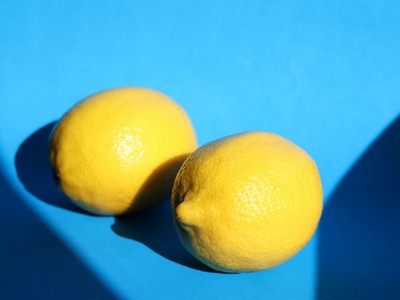
| Limonene | (R)-limonene / (S)-limonene | 1 (C4) | Citrus flavoring, cleaning products |
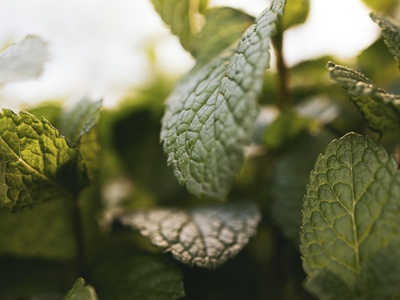
| Menthol | (1R,2S,5R)-menthol / (1S,2R,5S)-menthol | 3 (C1,C2,C5) | Peppermint oil, cooling topical agent |
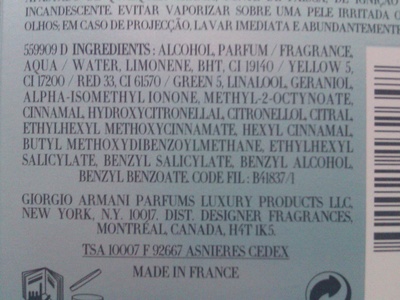
| Linalool | (R)-linalool / (S)-linalool | 1 (allylic C3) | Floral fragrance, lavender, coriander |
| Methamphetamine | (R)-methamphetamine / (S)-methamphetamine | 1 (α-C) | Illicit stimulant; some medicinal forms exist |
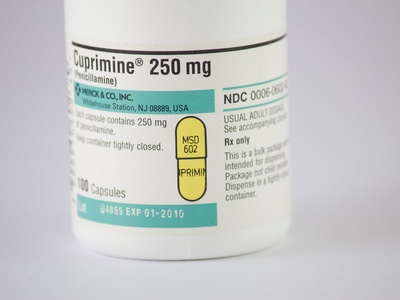
| Penicillamine | (R)-penicillamine / (S)-penicillamine | 1 (α-C) | Chelation therapy (Wilson disease), rheumatoid arthritis |
| Morphine | (multiple stereocenters: natural configuration) enantiomer pair | 5+ (several C atoms) | Analgesic opioid, pain management |
| Warfarin metabolite example — 6-hydroxywarfarin | (R)-6-hydroxywarfarin / (S)-6-hydroxywarfarin | 1 (hydroxylated C) | Metabolic study, pharmacology |
| R‑ and S‑propylene oxide | (R)-propylene oxide / (S)-propylene oxide | 1 (epoxide C) | Intermediate in polymer and chemical manufacture |
| Fenchone | (R)-fenchone / (S)-fenchone | 1 (bridgehead C) | Fragrances, essential oils |
| Thromboxane B2 enantiomers | (R)-thromboxane B2 / (S)-thromboxane B2 | 1 (allylic C) | Biochemical signaling metabolite, platelet function studies |
Images and Descriptions

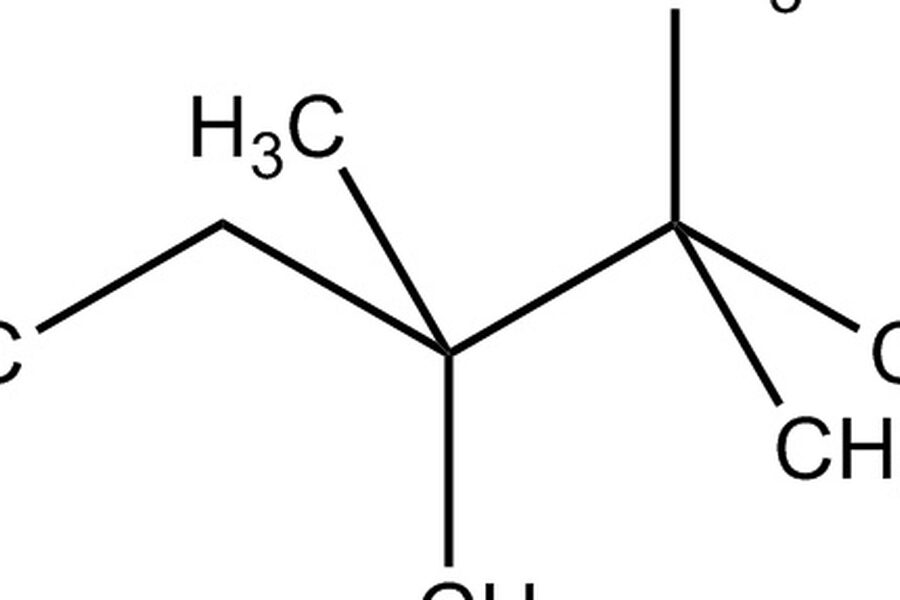
2-Butanol
Simple chiral secondary alcohol used as a solvent and teaching example; its enantiomers have identical physical properties but differ in optical rotation and are classic textbook cases for stereochemistry and chiral resolution.
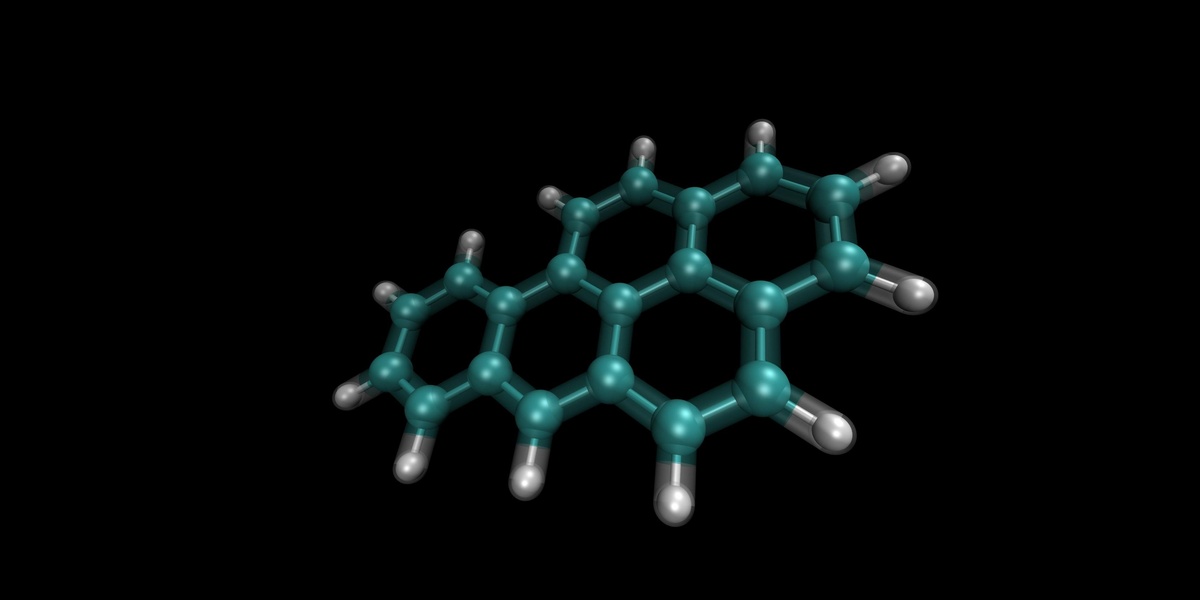
1-Phenylethanol
A common chiral alcohol in perfumery and synthesis; the two enantiomers have different odor profiles and are used as reference compounds in asymmetric-catalysis research and flavor chemistry.
2-Chlorobutane
A simple chiral haloalkane often used in teaching and mechanistic studies; its enantiomers are mirror images with identical boiling points but opposite optical rotations.
Lactic acid
Produced by fermentation and in muscle, lactic acid’s (S)-enantiomer is the common “L‑lactic acid” in food and biology; enantiomers differ in taste, metabolism, and polymer properties.
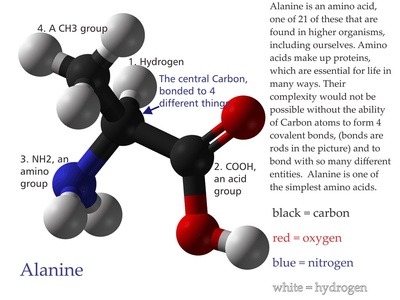
Alanine
A standard amino acid where the natural protein form is L‑alanine ((S)-alanine). Enantiomers have identical chemistry but only the L form is incorporated into proteins and recognized by enzymes.

Ibuprofen
Common over-the-counter pain reliever sold as a racemate; (S)-ibuprofen is the pharmacologically active enantiomer, illustrating how enantiomers can have different biological potency.
Naproxen
An anti-inflammatory drug where the marketed active form is (S)-naproxen. Its enantiomers show different activity profiles and this example explains enantiomer-specific drug action.
Warfarin
An anticoagulant whose (S)-enantiomer is substantially more potent; warfarin illustrates stereochemistry’s clinical importance and why dosing and interactions matter in chiral drugs.
Propranolol
A classic beta‑blocker where the (S)-enantiomer shows stronger beta‑adrenergic blocking activity, demonstrating enantioselective receptor binding in cardiovascular therapeutics.
Salbutamol (Albuterol)
Used for asthma relief, the (R)-enantiomer provides bronchodilation while the (S)-enantiomer has different pharmacology; formulation and enantiomeric purity affect efficacy and side‑effect profile.
Ketamine
An anesthetic and rapid-acting antidepressant; (S)-ketamine (esketamine) is more potent for NMDA receptor activity and is used clinically in some formulations.
Methadone
A long-acting opioid where the (R)-enantiomer is primarily responsible for analgesic effects; methadone highlights enantiomer differences in potency and side effects.
Omeprazole / Esomeprazole
Proton-pump inhibitor with a stereogenic sulfur (sulfoxide); esomeprazole is the single (S)-enantiomer marketed for improved and more consistent acid suppression in some patients.
Escitalopram
The S‑enantiomer of citalopram is marketed as escitalopram and is the primary active stereoisomer responsible for antidepressant effects, showing how single‑enantiomer drugs can improve efficacy.

Thalidomide
Famous historic example: one enantiomer had sedative effects while the other was teratogenic. Thalidomide racemizes in vivo, underscoring complexities of stereochemistry and drug safety.
Carvone
Two enantiomers with distinct smells: one smells like spearmint, the other like caraway/dill. Carvone is a clear sensory example of enantiomer-dependent odor perception.
Limonene
Common terpene where (R)-(+)-limonene smells like orange and (S)-(-)-limonene smells like turpentine/pine; used widely in flavors, fragrances, and industrial cleaners.
Menthol
A multi‑chiral natural product giving peppermint’s cooling sensation; the naturally occurring (1R,2S,5R) form has strong mint odor and topical cooling effects used in foods and medicines.
Linalool
A common floral terpene alcohol with enantiomers that smell different; one is associated with lavender, the other with coriander, showcasing enantiomeric odor variation in essential oils.
Methamphetamine
A chiral stimulant where the (S)-enantiomer (d‑methamphetamine) is more psychoactive. It illustrates how enantiomers can differ drastically in pharmacological effect and regulation.
Penicillamine
A chiral sulfur-containing amino acid derivative used medically—one enantiomer is therapeutic for metal chelation, highlighting enantiomer-specific therapeutic use.
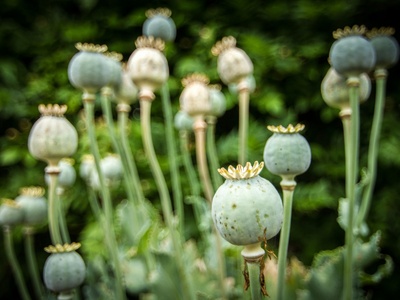
Morphine
Natural morphine has multiple stereocenters; its specific stereochemical arrangement is essential for opioid receptor activity. Mirror-image enantiomers would have drastically different or reduced activity.
Warfarin metabolite example — 6-hydroxywarfarin
Metabolites of chiral drugs often retain stereochemistry; 6‑hydroxywarfarin enantiomers are studied in pharmacokinetics to understand metabolism and variable anticoagulant response.
R‑ and S‑propylene oxide
A small chiral epoxide used as a building block; its enantiomers are important in asymmetric synthesis and studying chiral interactions in industrial chemistry.
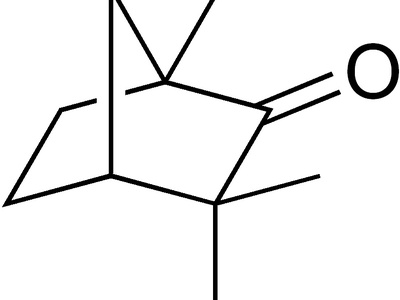
Fenchone
A bicyclic ketone in essential oils where enantiomers have different odor notes; fenchone illustrates how stereochemistry shapes fragrance character and natural product diversity.
Thromboxane B2 enantiomers
Biologically active lipid metabolites have specific stereochemistry controlling receptor interaction; thromboxane enantiomers are used in pharmacology to probe platelet aggregation mechanisms.