No caves in Madagascar meet the “complete list” criteria — there are no fully documented entries that satisfy the required fields.
Understand that the post’s rules demand full, verifiable details for every cave: name and local variants, region, GPS coordinates, access and permit info, measured length or depth, visitor tips, conservation status, and reliable citations. Require all of that for each site and you get an empty set. Many features in Madagascar are known locally or in academic reports, but they lack the complete, consistent public record the list requires.
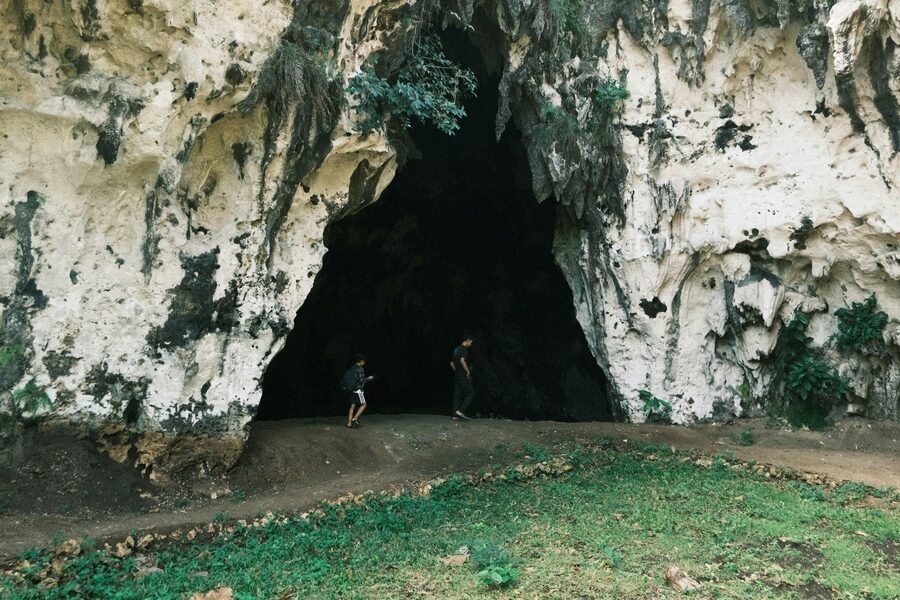
Recognize the technical and contextual reasons behind this gap. Madagascar’s cave-like features mostly sit in hard-to-reach karst areas (Ankarana, Tsingy de Bemaraha) or in protected reserves. Many are described as sinkholes, gorges, or subterranean river passages rather than mapped show caves. Speleological surveys are limited, place names vary between Malagasy and French, and access is often restricted for conservation or cultural reasons. Near matches exist — for example, the Ankarana Reserve caves and underground rivers, the karst systems of Tsingy de Bemaraha, the Anjohibe cave system in the northwest, and Andrahomana Cave near Fort Dauphin — but none reliably meet every documentation criterion needed for a “complete” entry list.
Consider related categories you can explore instead. Focus on karst and tsingy landscapes, national parks with accessible caverns, and the few named cave systems cited in academic or park literature. Consult park websites, local tour operators, and speleological reports for site-specific details (permits, guides, GPS fixes). Use those sources to build a practical travel or research plan rather than expecting a single, definitive public list.