From city balcony herbs to broad-acre fields, good soil and the right feed make a big difference in plant health and yields. Choosing natural options can improve structure, support microbes, and reduce chemical runoff while meeting crop needs.
There are 58 Examples of Natural Fertilizers, ranging from Agricultural lime (calcitic/dolomitic) to Zeolite. For each, you’ll find below Primary nutrients (N-P-K %),Best uses,Application rate (g/m²).
How do I choose the right natural fertilizer for my soil and plants?
Start with a soil test to identify nutrient gaps and pH; match fertilizers to those needs (look at the Primary nutrients column). Consider plant type, release speed (fast versus slow), and whether you want added organic matter or trace minerals. Use the Best uses and Application rate (g/m²) info below to pick practical, site-appropriate options.
Can natural fertilizers cause nutrient imbalances or harm if misused?
Yes — some natural materials are high in one nutrient or salts and can burn roots or shift pH if overapplied. Follow the listed Application rate (g/m²), monitor plant response, and retest soil periodically; combining complementary products often prevents single-nutrient excesses.
Examples of Natural Fertilizers
| Name | Primary nutrients (N-P-K %) | Best uses | Application rate (g/m²) |
|---|---|---|---|
| Compost | 1.00–0.50–1.00% | All gardens, soil building, potting mixes | 5,000 g/m² once yearly or 1,000 g/m² topdress quarterly |
| Cow manure (well-rotted) | 0.50–0.25–0.50% | Vegetable gardens, field crops, soil conditioning | 3,000–5,000 g/m² once yearly |
| Horse manure (well-rotted) | 0.70–0.30–0.60% | Vegetable beds, compost feedstock, soil aeration | 3,000 g/m² once yearly |
| Chicken manure (composted) | 3.00–2.00–2.50% | Heavy-feeding vegetables, side-dress, compost boost | 500–1,000 g/m² once yearly or 100–200 g/m² side-dress |
| Poultry litter (raw) | 4.00–2.00–3.00% | Bulk soil amendment after composting, field crops | 1,000–3,000 g/m² once yearly (compost first) |
| Rabbit manure | 1.80–0.30–0.50% | Vegetable gardens, direct-to-plant topdress, cold frames | 300–1,000 g/m² once or twice yearly |
| Sheep/Goat manure | 0.70–0.40–0.80% | Orchards, vegetable plots, compost ingredient | 2,000–4,000 g/m² once yearly |
| Worm castings (vermicompost) | 1.50–0.50–1.00% | Seedlings, potting mixes, side-dress, houseplants | 200–500 g/m² monthly or 1,000 g/m² yearly |
| Fish emulsion | 4.00–1.50–2.00% | Quick foliar feed/soil feed for vegetables and ornamentals | 50–200 g/m² every 2–4 weeks (diluted per label) |
| Fish meal | 8.00–5.00–1.00% | Soil incorporation for lasting N and P release | 200–500 g/m² once yearly or at planting |
| Fish hydrolysate | 3.00–1.00–1.00% | Liquid soil drench, seedling feed, foliar spray | 50–150 g/m² every 2–4 weeks (diluted) |
| Bone meal | 3.00–15.00–0.00% | Root crops, bulbs, phosphorus-deficient soils | 100–300 g/m² once at planting |
| Blood meal | 12.00–1.00–0.50% | Quick nitrogen boost, leafy vegetables, side-dress | 50–200 g/m² single application |
| Feather meal | 12.00–0.50–0.50% | Slow-release nitrogen source for long-term feeding | 200–400 g/m² once yearly |
| Seaweed meal (kelp meal) | 1.00–0.50–2.50% | Trace elements, stress resistance, foliar/soil amendment | 200–500 g/m² once or twice yearly |
| Liquid seaweed extract | 0.50–0.05–1.50% | Foliar tonic, transplant root stimulator | 20–100 g/m² every 2–4 weeks (diluted) |
| Greensand (glauconite) | 0.00–0.03–0.30% | Slow K and iron, sandy soils, long-term fertility | 500–2,000 g/m² once every 1–3 years |
| Rock phosphate (mined) | 0.00–16.00–0.00% | Long-term phosphorus soil amendment, acidic soils | 100–500 g/m² incorporated once every 1–3 years |
| Soft rock phosphate | 0.00–12.00–0.00% | Soils needing gradual phosphorus replenishment | 150–600 g/m² once every 1–3 years |
| Bone char | 0.00–20.00–0.00% | High-phosphorus soil amendment, long-term P supply | 100–300 g/m² at planting |
| Wood ash | 0.10–0.50–3.00% | Raise pH, supply K and Ca, alkaline soils | 100–300 g/m² once yearly (avoid acid-sensitive plants) |
| Agricultural lime (calcitic/dolomitic) | 0.00–0.00–0.00% | Raise pH, add Ca and Mg to soils | 500–3,000 g/m² once every 1–3 years (soil test) |
| Gypsum (calcium sulfate) | 0.00–0.00–0.00% | Improve structure, add Ca and S, sodic soils | 200–1,000 g/m² once yearly |
| Epsom salt (magnesium sulfate) | 0.00–0.00–0.00% | Quick Mg and S correction for leaves | 10–50 g/m² as foliar/soil feed monthly |
| Sulfate of potash / langbeinite | 0.00–0.00–22.00% | Potassium and sulfur for fruiting crops | 50–200 g/m² once at planting or seasonally |
| Azomite (trace mineral dust) | 0.00–0.00–0.00% | Trace minerals, soil remineralization, gardens | 50–200 g/m² once yearly or mixed into compost |
| Basalt rock dust | 0.00–0.00–0.00% | Remineralize soils, improve trace elements | 100–500 g/m² once yearly or every few years |
| Glacial rock dust | 0.00–0.00–0.00% | Slow-release trace elements and minerals | 100–500 g/m² once every 1–3 years |
| Zeolite | 0.00–0.00–0.00% | Improve cation exchange, retain NH4+, reduce leaching | 50–200 g/m² mixed into soil once |
| Humic/fulvic acids (leonardite) | 0.00–0.00–0.00% | Stimulate microbes, increase nutrient uptake | 5–50 g/m² in solution monthly or 100–300 g/m² yearly |
| Biochar (charged with compost) | 0.50–0.05–0.50% | Improve CEC, retain nutrients, long-term carbon | 100–500 g/m² once (charge with compost first) |
| Green manure / cover crops (clover, vetch, buckwheat) | 2.00–0.20–1.50% | Fix N, organic matter, erosion control | Grow and incorporate biomass at 2,000–5,000 g/m² when tilled in |
| Alfalfa meal | 2.50–0.30–1.50% | Nitrogen feed, soil conditioner, tea feedstock | 200–500 g/m² once yearly or side-dress |
| Soybean meal | 7.00–2.50–1.00% | Organic N source, vegetable gardens, compost blend | 200–400 g/m² once yearly |
| Cottonseed meal | 6.00–2.50–1.50% | Acid-loving plants, slow-release nitrogen source | 150–400 g/m² once yearly |
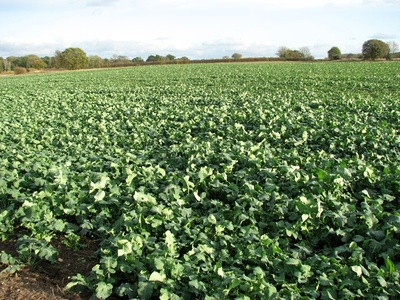
| Canola (rapeseed) meal | 4.00–0.50–1.50% | Soil-building, moderate N release, compost ingredient | 200–500 g/m² once yearly |
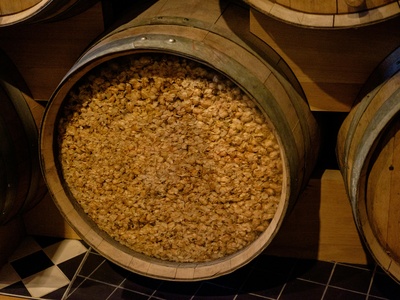
| Brewer’s spent grains | 2.00–0.60–0.50% | Compost additive, mulch, soil amendment | 500–2,000 g/m² mixed into compost or as mulch |
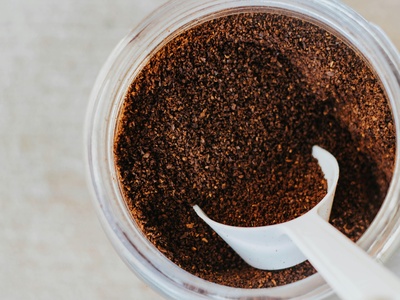
| Coffee grounds | 2.00–0.30–0.30% | Compost ingredient, mulch for acid-loving plants | 100–500 g/m² mixed into soil or compost monthly |
| Eggshells (crushed) | 0.00–0.00–0.00% | Long-term calcium source, garden lime alternative | 50–200 g/m² worked into soil annually |
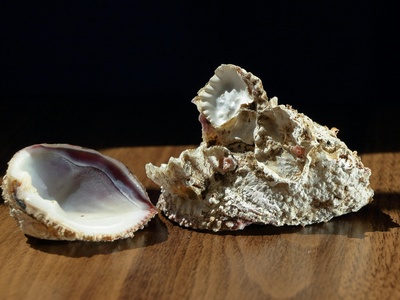
| Oyster shell flour (crushed shells) | 0.00–0.00–0.00% | Calcium for tomatoes, strawberries, poultry feed supplement | 100–300 g/m² once yearly |
| Crab/shrimp meal (chitin-rich) | 6.00–2.00–1.00% | Soil health, disease suppression, N and P supply | 200–400 g/m² once yearly or applied in compost |
| Bat guano | 10.00–3.00–1.00% | High-N or P formulas, blooms, potting mixes | 50–200 g/m² once per season (product dependent) |
| Seabird guano | 8.00–10.00–1.00% | Rapid nutrient boost, high-phosphorus needs | 50–200 g/m² once per season |
| Spent mushroom substrate | 1.00–0.50–0.50% | Soil conditioner, compost ingredient, raised beds | 1,000–3,000 g/m² mixed into soil once yearly |
| Composted municipal biosolids (treated) | 4.00–2.00–1.50% | Large-scale soil building in non-sensitive areas | 1,000–5,000 g/m² once yearly (local regs) |
| Human urine (diluted) | 10.00–1.00–2.00% (variable) | Quick nitrogen for non-edible ornamentals, foliar/soil feed | Dilute 1:10–1:20; apply 50–200 g/m² every 2–4 weeks |
| Hair (composted) | 15.00–0.00–0.00% | Slow-release N, compost additive, seed-start mixes | 100–500 g/m² mixed into compost |
| Molasses | 0.00–0.00–0.00% | Microbial food to stimulate compost/soil biology | 20–100 g/m² as drench or compost additive monthly |
| Potassium chloride (muriate of potash, mined) | 0.00–0.00–60.00% | Quick potassium for non-chloride-sensitive crops | 50–200 g/m² once at planting or split applications |
| Nettle liquid fertilizer (stinging nettle tea) | 1.50–0.20–1.50% | Organic foliar/soil feed, micronutrients and nitrogen | Dilute 1:10–1:20; apply 20–100 g/m² every 2–4 weeks |
| Spent brewery yeast (inactive yeast) | 5.00–2.00–1.00% | Compost activator, soil feed, foliar tonic | 50–200 g/m² mixed into compost or soil seasonally |
| Banana peel compost (dried/ground) | 0.50–0.10–1.50% | Potassium boost for compost and planting holes | 50–200 g/m² mixed into compost or planting hole |
| Algae/sea algae powder | 1.00–0.50–2.00% | Trace elements, seedling tonic, foliar sprays | 50–200 g/m² mixed into soil or applied diluted |
| Clay (bentonite) amendment | 0.00–0.00–0.00% | Improve moisture retention, CEC in sandy soils | 100–1,000 g/m² incorporated once |
| Sulfur (elemental) | 0.00–0.00–0.00% | Lower soil pH, add sulfur for deficient crops | 20–100 g/m² once every 1–3 years |
| Chitin (shellfish-derived) powder | 6.00–2.00–1.00% | Disease suppression, microbial stimulation in soil | 100–300 g/m² mixed into soil or compost |
| Silicate rock dust (diatomite/kelp mix) | 0.00–0.00–0.00% | Strengthen plants, supply silica and trace elements | 50–200 g/m² once yearly |
| Tallow/animal fat composted solids | 3.00–1.00–1.00% | Compost ingredient for carbon and slow nutrients | 200–1,000 g/m² mixed into compost |
Images and Descriptions
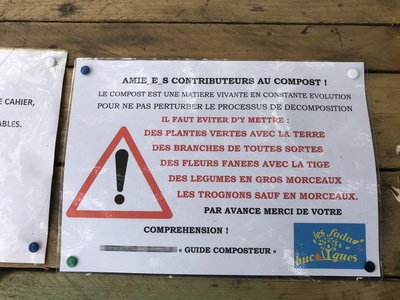
Compost
Decomposed organic matter supplying modest NPK, improved structure and water retention. Widely available or home-made. Safe when thoroughly composted; avoid fresh manure. Apply thick annually or as a mulch/topdress for continuous soil fertility improvement.

Cow manure (well-rotted)
A common farm manure with low-moderate NPK and lots of organic matter. Use well-aged to avoid burning and pathogens. Fresh manure can be too hot; compost before use, especially on edibles, and apply months before harvest when possible.
Horse manure (well-rotted)
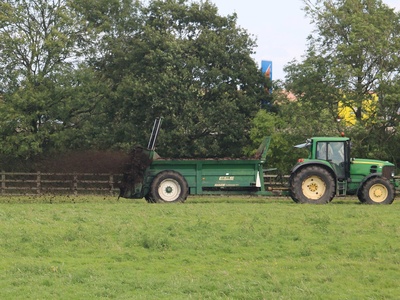
Similar to cow manure but often contains more bedding and carbon. Good for structure and modest nutrients. Compost well to kill weed seeds and pathogens. Fresh or hot manure can burn plants — age before use.
Chicken manure (composted)
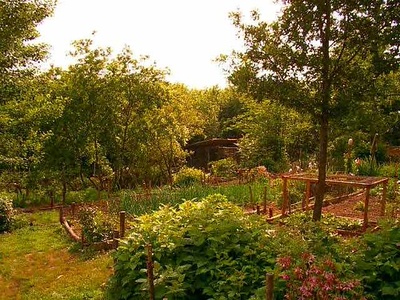
High-nitrogen poultry manure ideal for vegetables when composted. Very strong — can burn plants and contain salts; always compost or age and apply sparingly. Use lower rates near seedlings and follow with mulch to retain moisture.
Poultry litter (raw)
Mixed manure and bedding with high nutrient load. Compost or heat-treat before application to reduce pathogens and ammonia. Can be odorous and saline; monitor salt-sensitive plants and application timing.
Rabbit manure
Dense, nutrient-rich droppings that can be used fresh or composted. Gentle on plants and often used as topdress or in compost. Watch for concentrated nitrogen if applied heavily; composting stabilizes nutrients and reduces odor.
Sheep/Goat manure
Smaller livestock manure with modest NPK and fibrous bedding. Good for improving soil and feeding crops when composted. Fresh manure should be aged to reduce odor and pathogen risk before using on food crops.
Worm castings (vermicompost)
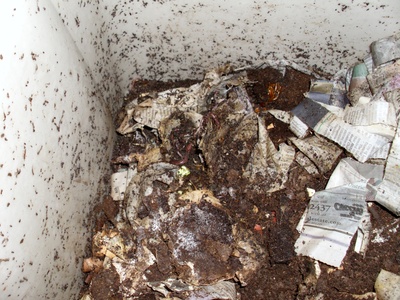
Rich, biologically active compost produced by worms. Provides plant-available nutrients, humus and beneficial microbes. Safe and gentle for seedlings. Premium product — use sparingly as topdress or in potting blends.
Fish emulsion
Liquid fertilizer from fish; fast-acting nitrogen with some P and K. Good for foliar feeding and recovery. Can smell and attract animals; dilute properly to avoid foliar burn. Store cool and use quickly.
Fish meal
Ground, dried fish byproduct rich in nitrogen and phosphorus. Slow-release and valuable in mixed organic fertilizers. Can be costly; use where animal-derived inputs are acceptable. Keep dry and mix into soil to reduce odors.
Fish hydrolysate
Less-processed fish product retaining soluble nutrients and microbes. Good for quick nutrient boost and biological stimulation. Can smell strongly; store refrigerated and apply diluted. Avoid near roads or where odor is problematic.
Bone meal
Crushed or steamed bones supplying high phosphorus and calcium. Slow-release P ideal for flowering and root development. Not suitable for acidic-phosphorus-locked soils without microbes. Avoid surface use in areas with wildlife that eat bones.
Blood meal
Dried animal blood with high available nitrogen. Fast-acting and can burn plants if overapplied. Attracts wildlife and pests; use gloves and keep away from pets. Mix into soil for safer slow release.
Feather meal
Hydrolyzed poultry feathers offering slow, steady nitrogen release as they decompose. Good for long-term fertility planning. Slow to mineralize in cool soils; combining with compost or microbes speeds availability.
Seaweed meal (kelp meal)
Dried seaweed concentrates trace minerals, hormones and potassium. Low N and P but stimulates root growth and stress tolerance. Sustainable sourcing matters; avoid contaminated seaweed and rinse if high-salt.
Liquid seaweed extract
Concentrated plant biostimulant from seaweed. Supplies minor nutrients and growth regulators, supports stress tolerance. Gentle and low-risk. Avoid if salt-sensitive or contaminated seaweed suspected; dilute as directed.
Greensand (glauconite)
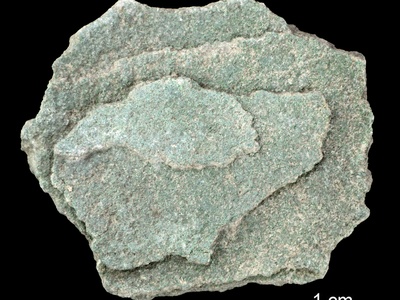
Mined silicate mineral supplying potassium, iron, and slow-release trace nutrients. Works slowly to improve CEC and moisture retention. Low immediate N/P; do not expect quick plant response.
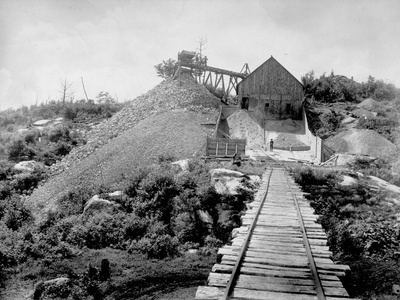
Rock phosphate (mined)
Phosphate rock is a slow-release P source best used in acidic, biologically active soils. Not suitable for immediate P corrections; needs microbial activity or acidification. Avoid where rapid P uptake is required.
Soft rock phosphate
Softer phosphate rock with more available P than hard rock. Slowly releases phosphorus over seasons; best incorporated and combined with compost or acidic soils to increase availability.
Bone char
Charred animal bone product rich in phosphorus and carbon. Provides long-term P and raises soil carbon. Not kosher/vegan-friendly for some gardeners; apply at planting and mix into soil.
Wood ash
Burned wood residue rich in potassium and calcium carbonate; raises pH and supplies trace nutrients. Use sparingly on acid soils; avoid on alkaline soils or near seedlings. Test soil pH before use.
Agricultural lime (calcitic/dolomitic)
Ground limestone neutralizes acidity and supplies calcium (calcitic) or calcium+magnesium (dolomitic). Not an NPK source but essential for nutrient availability and soil biology. Apply per soil test and incorporate.
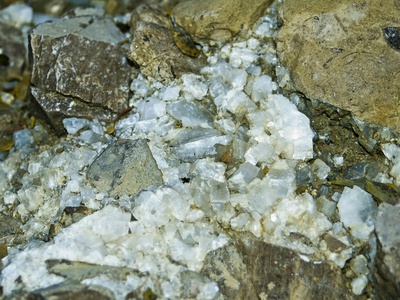
Gypsum (calcium sulfate)
Supplies calcium and sulfur without altering pH much. Helps flocculate sodic soils, improve drainage and root growth. Not a major NPK source; useful for specific soil chemistry problems.
Epsom salt (magnesium sulfate)
Mined mineral providing magnesium and sulfur. Useful for magnesium-deficient plants and blossom formation. Overuse can cause salt buildup; confirm deficiency before application and dilute for foliar sprays.
Sulfate of potash / langbeinite
Mined potassium-sulfur minerals supplying available K and S without chloride. Good for vegetables, fruits and some specialty crops. Use per crop needs; avoid overapplication on salt-sensitive soils.
Azomite (trace mineral dust)
Volcanic-derived mineral dust rich in trace elements. Low NPK but improves mineral diversity and micronutrient availability. Use as long-term soil remineralizer; results slow and cumulative.
Basalt rock dust
Finely ground volcanic rock supplying minerals and silica. Improves soil mineral content slowly and supports microbial activity. Not an immediate NPK source; wear dust mask when spreading.
Glacial rock dust
Mined and ground rock rich in trace minerals. Used for long-term soil health and micronutrient balance. Benefits accrue slowly; combine with compost for better biological uptake.
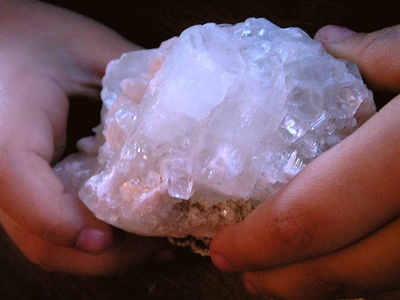
Zeolite
Natural aluminosilicate that holds nutrients and moisture. Doesn’t supply NPK directly but reduces leaching and releases cations slowly. Useful in sandy soils and container mixes; consider particle size.
Humic/fulvic acids (leonardite)
Mined oxidized organic matter that improves nutrient exchange, soil structure and microbial activity. Low in NPK but powerful as a biological stimulant. Use diluted per product instructions.
Biochar (charged with compost)
Charred biomass that increases soil porosity, nutrient retention and microbial habitat. Low immediate nutrients; “charge” with compost, manure, or fertilizer to avoid nutrient tie-up. Use sparingly for long-term benefits.
Green manure / cover crops (clover, vetch, buckwheat)
Living plant crops that add organic matter and nitrogen (legumes) when incorporated. Grow as off-season or summer cover; mow and rototill in at flowering for best nutrient return. Avoid seeding weeds.
Alfalfa meal
Dried alfalfa plant meal supplying moderate N, trace elements and growth stimulants. Good as slow-release fertilizer or compost additive. Can introduce seeds if not fully processed; compost or incorporate to reduce volunteer plants.
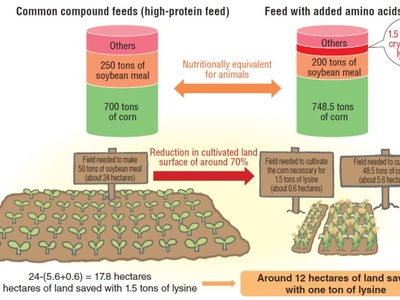
Soybean meal
Byproduct of soybean oil processing with good protein-derived nitrogen and some phosphorus. Slow-to-moderate release; blend with compost. Not suitable for soy-allergy restrictions or where legume residues are undesired.
Cottonseed meal
Protein meal from cottonseed; releases nitrogen slowly and is often slightly acidifying. Safe when composted; avoid use on crops where cottonseed-derived inputs are restricted. Watch for salt content in some products.
Canola (rapeseed) meal
Oilseed meal with moderate nitrogen and organic matter. Good in compost mixes and for steady feeding. Check for processing residues if sourcing from industrial suppliers.
Brewer’s spent grains
Byproduct of brewing rich in organic matter and modest nutrients. Great for composting or as short-term mulch. Can attract pests if fresh; incorporate or compost to stabilize.
Coffee grounds
Kitchen waste with modest nitrogen and organic carbon. Works well in compost or around acid-loving plants. Avoid thick uncomposted layers that repel water; balance with browns when composting.

Eggshells (crushed)
Crushed eggshells supply slow-release calcium carbonate. Useful in vegetable gardens to reduce blossom-end rot risk over time. Not an immediate fix; finely crush for greater availability and compost before use.
Oyster shell flour (crushed shells)
Processed shell product that supplies calcium carbonate slowly. Useful for correcting calcium deficiencies and stabilizing pH. Slow acting; best applied and incorporated before planting season.
Crab/shrimp meal (chitin-rich)
Ground crustacean shells provide nitrogen, phosphorus and chitin to stimulate beneficial microbes. Can aid disease suppression and biological activity. Beware of shellfish allergens for handlers and soil contact near food crops.

Bat guano
Bird/bat droppings concentrated into fertilizers rich in N or P depending on source. Fast-acting and prized for flowering. Sourcing must be sustainable; raw guano may contain pathogens — use processed products and follow safety guidance.

Seabird guano
Coastal bird guano rich in nitrogen and phosphorus, used historically as potent fertilizer. High odor and variable composition; use processed material and apply carefully to avoid burning plants and attracting pests.
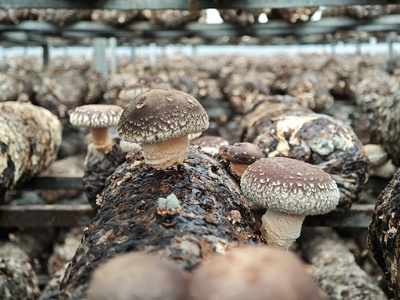
Spent mushroom substrate
Used mushroom growing substrate offers organic matter and residual nutrients. Good for improving structure and moisture retention. Check for contaminants or persistent fungicides; composting before use reduces disease risk.
Composted municipal biosolids (treated)
Treated sewage sludge composted to stabilize nutrients; supplies NPK and organic matter. Regulated and variable in quality. Check local regulations, contaminant testing, and use restrictions for food crops before applying.
Human urine (diluted)
Rich in plant-available nitrogen and some P/K when diluted. Readily available and effective but requires hygienic handling. Use on ornamentals or well-composted systems; avoid direct application to root crops and follow local guidance.
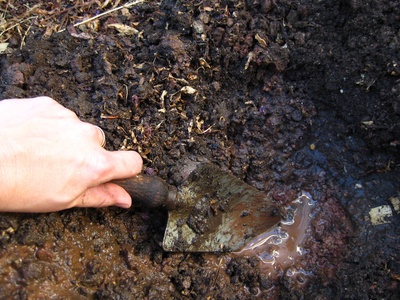
Hair (composted)
Trimmed hair is high in nitrogen and decomposes slowly in compost. Good for long-term nutrient supply when well-mixed. Avoid using fresh clumps that repel water; ensure thorough composting to prevent odor and pests.
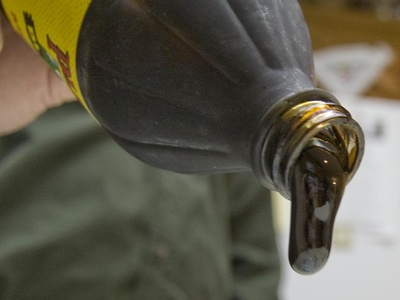
Molasses
Sugarcane or beet byproduct that feeds soil microbes and boosts biological activity. Not a direct NPK source but can accelerate composting and microbial nutrient cycling. Use sparingly to avoid microbial imbalances or fermentation issues.

Potassium chloride (muriate of potash, mined)
Mined potassium salt supplying highly soluble K. Fast-acting for potassium-deficient soils but contains chloride, which can harm sensitive plants. Use carefully and test soil salinity; not ideal for chloride-sensitive crops.
Nettle liquid fertilizer (stinging nettle tea)
Fermented nettle infusion yields a mild, nutrient-rich liquid fertilizer high in nitrogen and trace elements. Homemade and fast-acting. Strain to avoid solids; smell can be strong and caution needed around children and pets.
Spent brewery yeast (inactive yeast)
Byproduct from brewing containing protein and minerals. Stimulates microbial activity and adds nitrogen. Use stabilized commercial products or compost before broad soil application to avoid odour and pests.
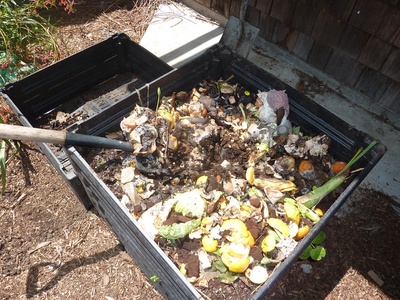
Banana peel compost (dried/ground)
Dried and ground banana peels are a modest source of potassium and organic matter. Good when composted; fresh peels may attract pests. Use in compost or mixed into potting blends for gradual nutrient release.
Algae/sea algae powder
Concentrated algal powder provides micronutrients and stimulants similar to seaweed meal. Low N/P but valuable for root development and stress tolerance. Source sustainably to avoid contaminants.
Clay (bentonite) amendment
Natural clay mineral that increases water holding and cation exchange capacity. Does not supply NPK directly but improves nutrient retention in sandy soils. Avoid over-application that causes compaction.

Sulfur (elemental)
Elemental sulfur is used to acidify alkaline soils and supply sulfur after microbial oxidation. Slow-acting and requires microbial activity; apply per soil test. Use gloves and follow safety handling instructions.
Chitin (shellfish-derived) powder
Ground shellfish chitin stimulates beneficial microbes and can suppress some soil pathogens. Adds modest nutrients and improves soil biology. Avoid if shellfish allergy concerns exist for handlers.
Silicate rock dust (diatomite/kelp mix)
Silica-rich amendments improve plant tissue strength and stress tolerance. Not an NPK source but supports disease resistance and structure. Use in combination with organic matter for best uptake.
Tallow/animal fat composted solids
Rendered or composted animal fats add energy and some nutrients to compost. Must be well-composted to avoid odors and pests. Avoid raw fats that attract rodents; mix thoroughly to aid decomposition.