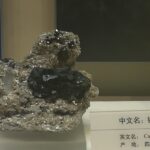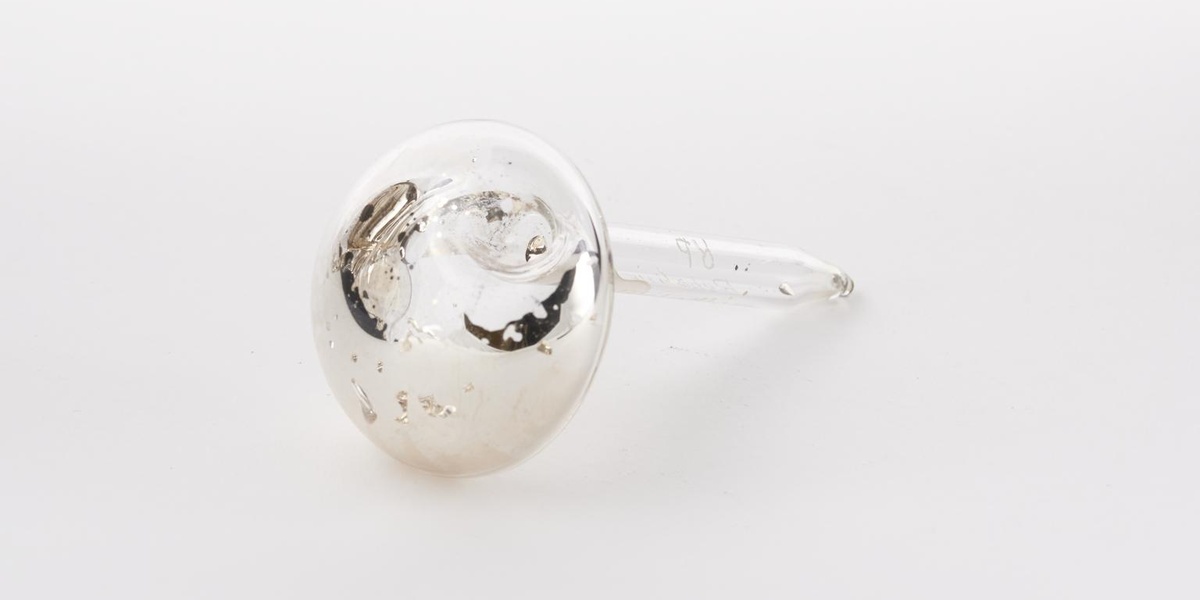
In 1861 Robert Bunsen and Gustav Kirchhoff identified rubidium by its deep red spectral lines, introducing a soft metal that would later find roles far beyond the chemistry lab.
Rubidium has atomic number 37, a melting point of 39.3°C, and an atomic weight of about 85.47. Its lone valence electron and the presence of Rb‑87 make its atomic behavior especially useful in precision physics and applied technologies.
That atomic detail is why, among the many rubidium applications, clocks and quantum experiments rely on it so often. The isotope Rb‑87 underpins compact atomic time standards, while radioactive Rb‑82 serves niche clinical imaging needs (more on those below).
This piece walks through seven concrete uses of rubidium—from network timekeeping and cardiac PET to ultracold labs, specialty glass, and even purple pyrotechnics—so you can see where this quiet element matters.
Technological and Timekeeping Applications
1. Rubidium Atomic Clocks and Precise Timekeeping
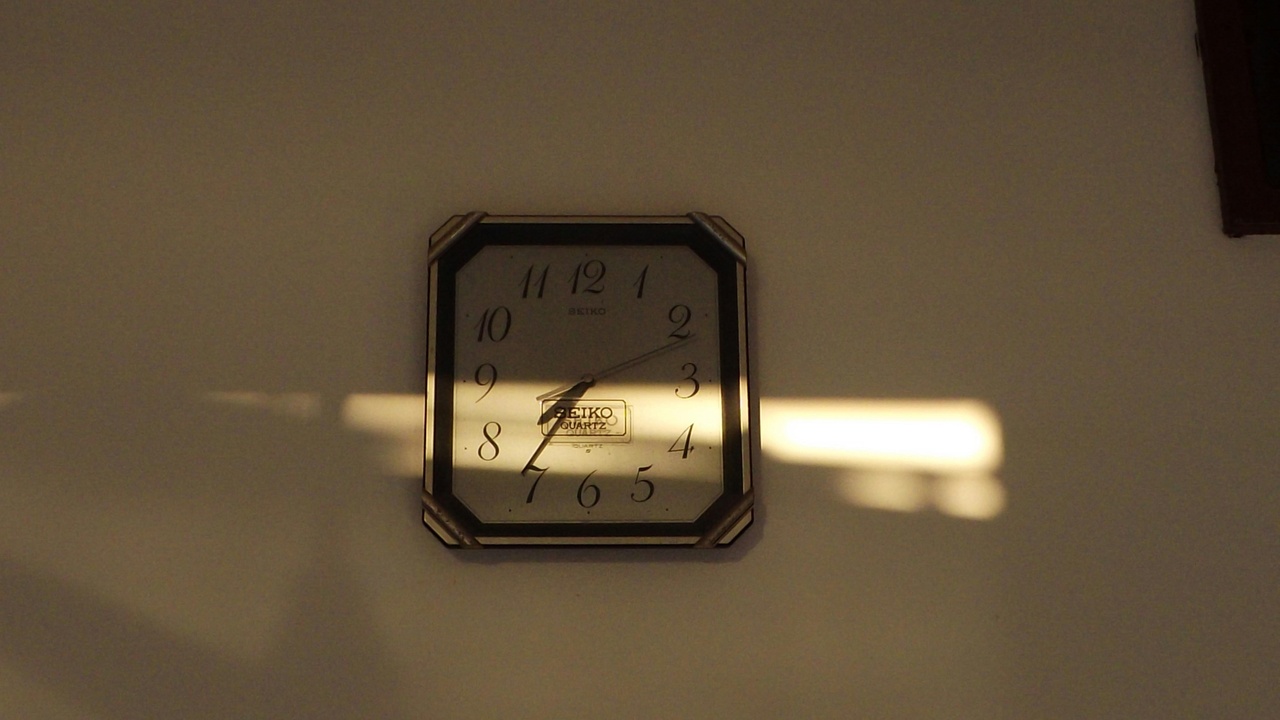
Rubidium atomic clocks deliver compact, affordable precision for many commercial needs. They lock a local oscillator to the 6.834682610 GHz hyperfine transition of Rb‑87 to stabilize frequency and time.
Typical commercial rubidium modules achieve short-term stability on the order of 10⁻¹¹, which is more than adequate for telecom and most positioning support roles. Legacy manufacturers such as Symmetricom (later Microsemi, now part of Microchip) produced the clock modules you find inside many Stratum 1 time servers and timing cards.
2. Synchronization in Navigation and Telecommunications
Precise rubidium timing keeps networks synchronized even when GPS is unavailable. These clocks enable sub‑microsecond synchronization across mobile‑phone towers, data centers, and parts of GNSS ground infrastructure.
Operators commonly use rubidium as a local Stratum 1 reference or as a resilient backup inside telecom nodes and ground stations. That way, billing systems, high‑frequency trading timestamps, and packet networks avoid errors when satellite signals drop or are restricted.
Medical and Scientific Research
3. Cardiac PET Imaging with Rubidium-82
Rubidium‑82 enables rapid myocardial perfusion PET scans that are widely used to diagnose coronary artery disease. Rb‑82 has a half‑life of about 1.27 minutes and is typically produced on‑site from Sr‑82/Rb‑82 generators (Sr‑82 half‑life ~25.5 days), allowing clinics to run multiple stress/rest imaging sequences in a single visit.
The short half‑life translates to lower radiation dose and quick repeat imaging, which improves throughput and patient comfort. Many cardiac imaging centers install Sr‑82 generators so technologists can elute Rb‑82 on demand for perfusion protocols.
4. Ultracold Atom Experiments and Quantum Sensors
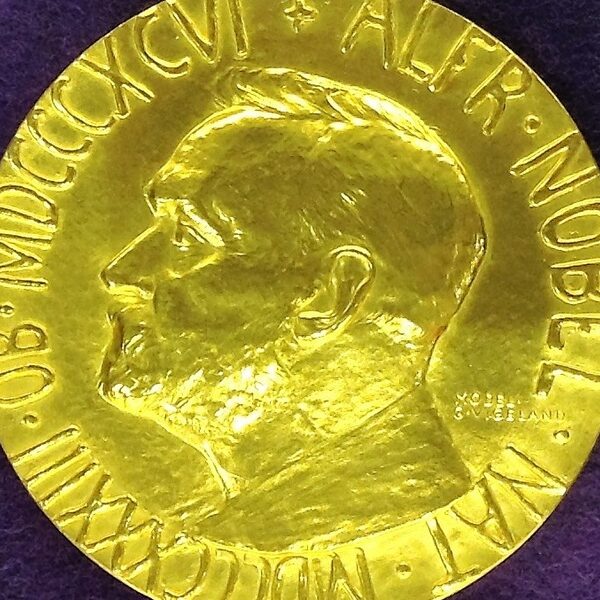
Rubidium‑87 is a workhorse for cold‑atom physics, enabling Bose–Einstein condensates and sensitive quantum sensors. The first BECs in 1995 used Rb‑87 (Cornell and Wieman), a milestone that helped earn the 2001 Nobel Prize.
Laboratories routinely cool rubidium to tens or hundreds of nanokelvin to create condensates and run atom interferometers. NASA’s Cold Atom Lab, launched to the ISS in 2018, uses rubidium to study ultracold matter in microgravity—a pathway to next‑generation inertial navigation and precision sensing.
5. Spectroscopy, Laser Cooling, and Fundamental Research
Rubidium’s relatively simple level structure makes it ideal for laser cooling and high‑resolution spectroscopy. The common D2 line for Rb‑87 sits near 780 nm, which matches readily available diode lasers and optics.
That accessibility means you see rubidium in university teaching labs, tabletop research setups, and devices like atomic magnetometers. Labs often lock 780 nm lasers to rubidium vapor cells to stabilize frequency for experiments and instrumentation.
Industrial, Chemical, and Commercial Uses
6. Specialty Glasses and Electronic Components
Small additions of rubidium oxide (Rb2O) change glass properties in ways that matter for optics and select electronics. Replacing part of the sodium or potassium fraction in a melt can tweak refractive index, thermal expansion, and ionic conductivity.
Optical designers sometimes specify rubidium‑modified glass in specialty lenses, filters, or instrument windows where those subtle property shifts improve performance. The tradeoff is cost—rubidium is pricier and rarer than sodium or potassium—so its use is limited to cases where the tuning matters.
7. Pyrotechnics, Chemical Reagents, and Emerging Energy Applications
Rubidium salts produce vivid purple or violet hues in specialized pyrotechnic recipes, and reagents such as rubidium carbonate or hydroxide appear in niche organic syntheses. Those uses are limited by price and availability compared with potassium analogs.
On the research front, small amounts of rubidium have been added to perovskite solar‑cell formulations to help stabilize films and, in some studies, improve efficiency. That’s an active academic area rather than a mass‑market solution today, but it shows how rubidium can crop up in energy materials research.
Summary
- Discovery in 1861 introduced an element that found both industrial niches and precision science roles.
- Rubidium powers compact atomic clocks (Rb‑87, hyperfine 6.834682610 GHz) that keep telecom, data centers, and navigation systems synchronized.
- Radioisotope Rb‑82 enables rapid cardiac PET imaging (half‑life ~1.27 minutes) using on‑site Sr‑82 generators.
- Rubidium‑87 has driven major advances in ultracold physics since the first BEC in 1995 and supports quantum sensors being tested on platforms such as the Cold Atom Lab (2018).
- Practical niches—specialty glass modifiers, purple pyrotechnics, niche reagents, and early perovskite research—round out its uses.