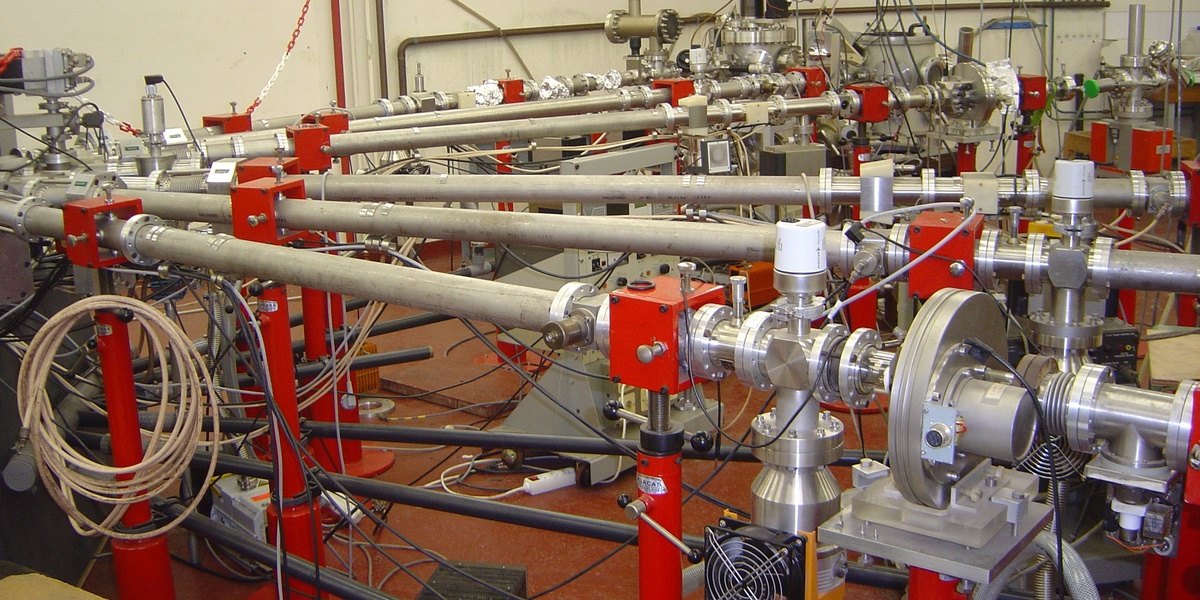
In 1994 scientists at the GSI Helmholtz Centre in Darmstadt produced a handful of atoms of a brand-new superheavy element — element 110 — for the first time. Those atoms vanished in seconds or less, yet their creation marked a clear moment in experimental nuclear science: a new member of the periodic table, fleeting but real. You might wonder why anyone would celebrate a material you can’t hold, bottle, or sell.
The short answer: darmstadtium has no commercial or medical applications today, but it’s hugely useful as a tool for science. The element’s extreme scarcity and brief half-lives force physicists and chemists to invent better detectors, refine nuclear models, and sharpen lab protocols. This piece argues that the value of darmstadtium lies in fundamental research, instrumentation advances, theoretical tests, calibration work, educational stories, improved safety, and public engagement. Read on for eight concrete ways this superheavy element matters to science.
Fundamental nuclear research
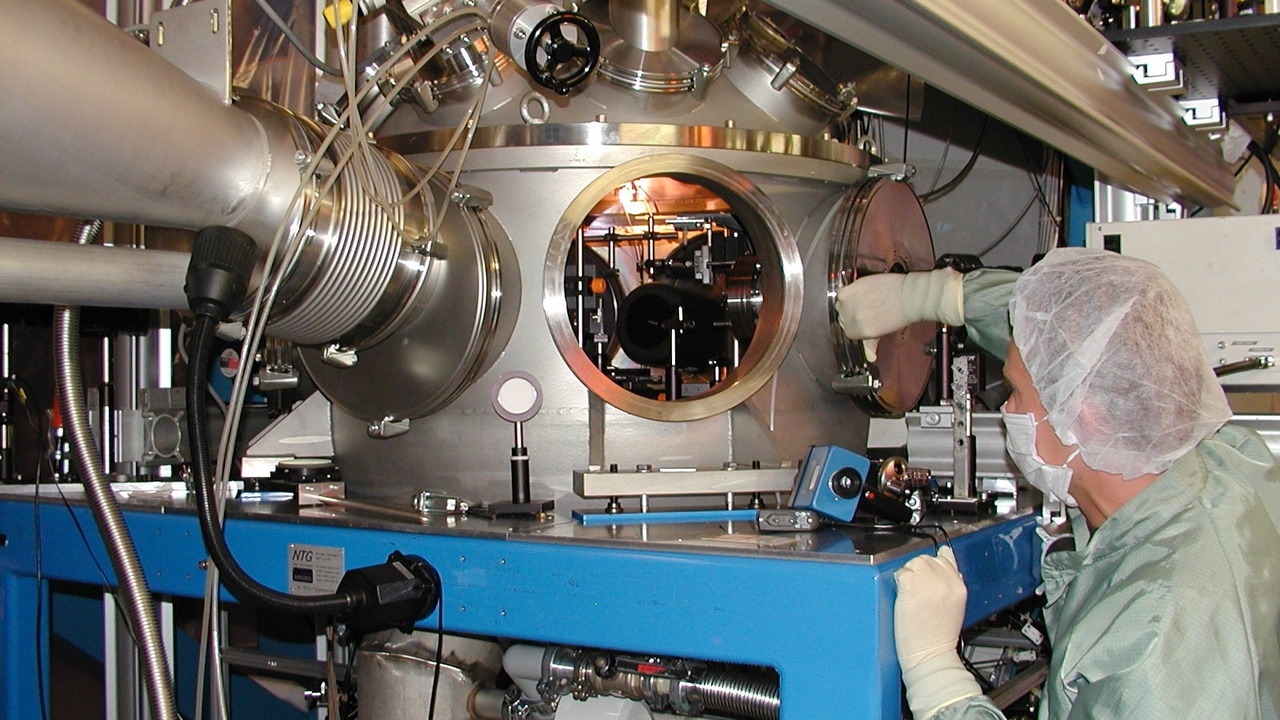
Experiments that made darmstadtium at the GSI Helmholtz Centre (first reported in 1994) provide direct tests of nuclear stability at the upper reaches of the chart of nuclides. Even single-digit counts of atoms produced in a run yield decay events and cross-section measurements that constrain theoretical models.
1. Testing nuclear structure theories
Darmstadtium allows physicists to test and refine shell-model and macroscopic–microscopic approaches for superheavy nuclei. Observed decay chains, alpha energies and measured production cross-sections put firm limits on theoretical calculations.
Crucially, experiments typically produce only single atoms or a handful per experiment, so every detected decay from atomic number 110 carries a lot of weight. Results from GSI’s 1994 runs and subsequent campaigns have helped narrow where an “island of stability” might exist and guided target choices for heavier-element searches.
2. Mapping decay modes and half-lives
Researchers use darmstadtium isotopes to study alpha decay, spontaneous fission, and very short half-lives. Isotope half-lives for Ds range from milliseconds up to a few seconds in some cases, so labs rely on rapid detection chains and very low background to capture events.
Those decay-mode measurements improve detector design and interpretation for other exotic nuclei. Instruments such as recoil separators and fast electronics record the brief signals that link a produced nucleus to its daughter products, enabling confident decay-chain assignments back to known isotopes.
Technique and instrumentation development
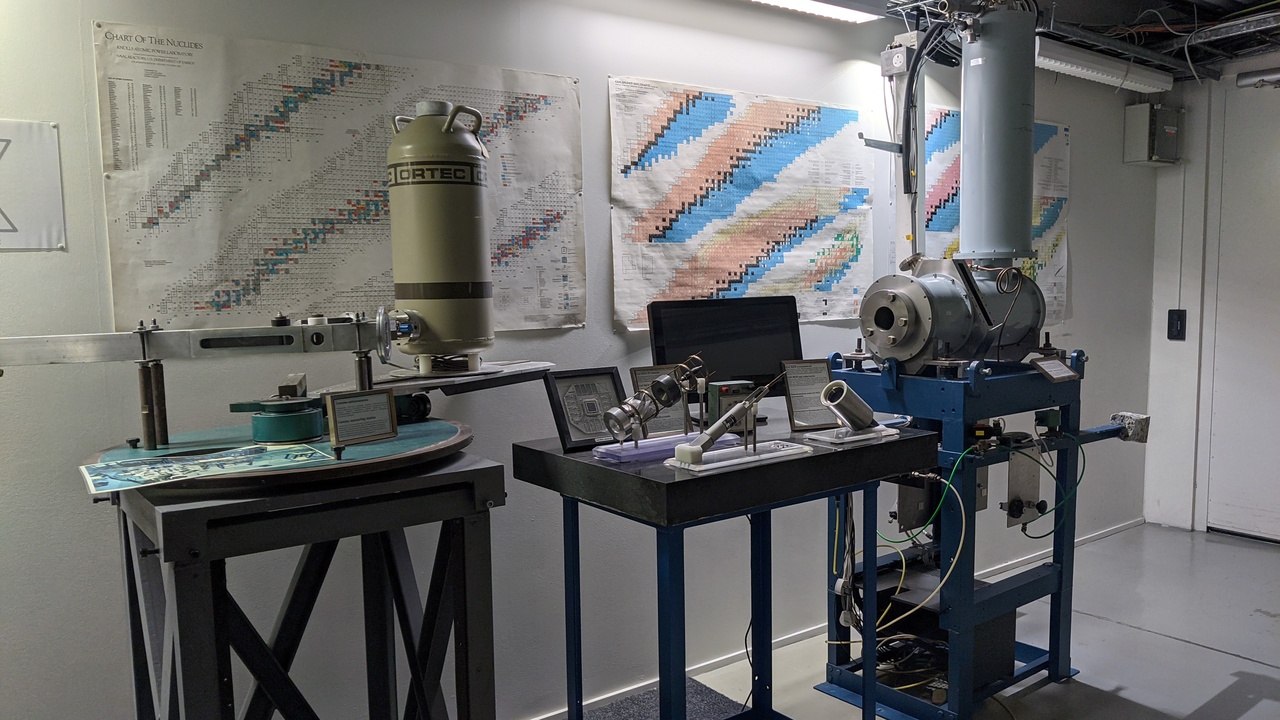
Attempting to synthesize darmstadtium drove practical advances in accelerator operation, target manufacture, separators, and detector electronics. Those instrument-level improvements are transferable to other nuclear and materials experiments even if the element itself has no direct commercial role.
3. Driving better detection systems
Making element 110 required low-background, fast-response detectors and sub-millisecond timing resolution. Silicon strip detectors, gas-filled recoil separators such as GSI’s SHIP, and advanced signal-processing chains were refined to pick out scarce alpha-decay events from noise.
Those detector and electronics advances benefit studies of short-lived medical isotopes, environmental radiation monitoring, and other experiments where signal timing and background rejection matter.
4. Refining production and target techniques
Producing darmstadtium required thin, high-purity targets and precise beam-energy tuning so fusion reactions have the best chance to succeed. Targets using lead or bismuth foils on robust backings and careful accelerator tuning protocols became standard practice at heavy-ion labs.
Those thin-film fabrication methods and beam-control techniques translate to other fields that need precise thin layers or tightly controlled ion-beam parameters, such as materials research and semiconductor testing.
Theory, modeling, and chemical insight
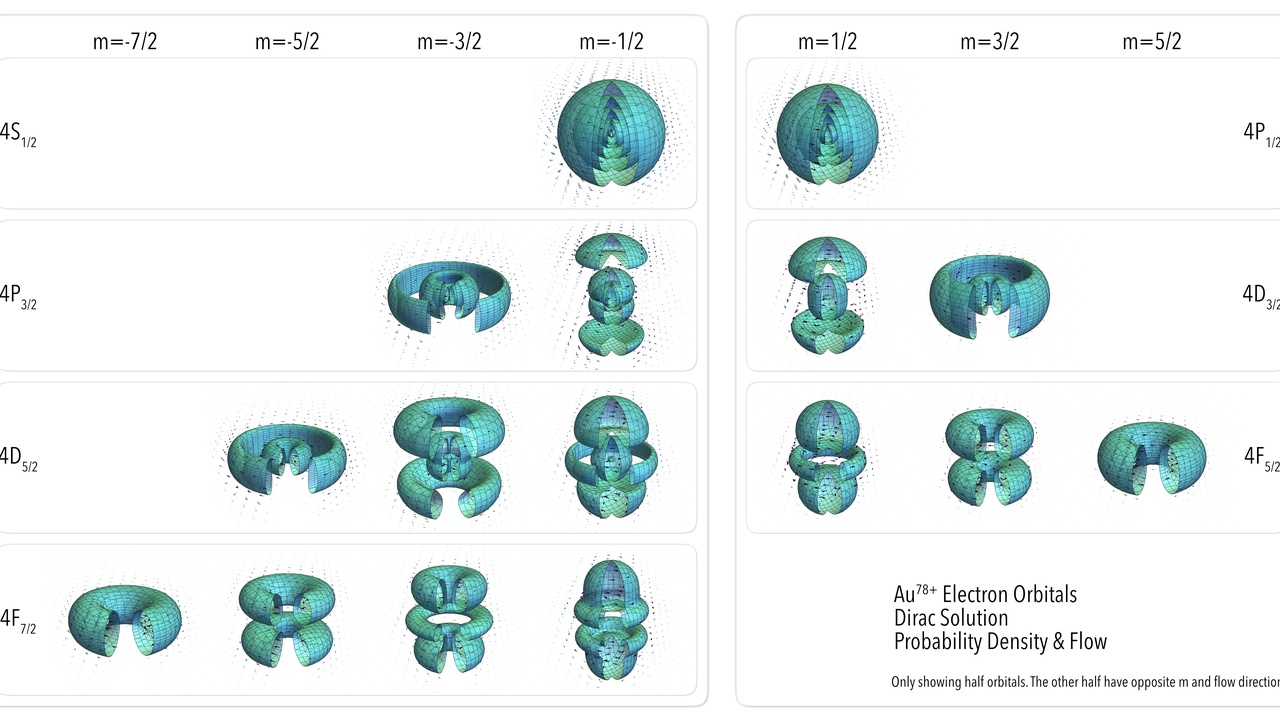
Direct chemistry on darmstadtium is essentially impossible because of its short lifetimes, but theoretical work uses Ds as a test case for relativistic quantum chemistry and for extending periodic trends into superheavy territory. Calculations probe how electron shells and chemical behavior shift when relativistic effects become dominant.
5. Benchmarking relativistic chemistry models
Theoretical studies predict that Ds will deviate from lighter group 10 congeners like platinum because strong relativistic corrections alter orbital energies and bonding tendencies. Comparing these predictions with the limited nuclear data helps benchmark computational methods used for the entire superheavy regime.
Improving those models matters: they guide expectations for the chemical behavior of heavier, less-accessible elements and help computational chemists choose appropriate relativistic Hamiltonians and basis sets.
6. Clarifying periodic trends at the extremes
Measurements of nuclear properties combined with theoretical electron-structure results inform how superheavy elements are placed in the periodic table. IUPAC deliberations and database curators rely on such information when classifying new entries and advising educators on group placement.
That clarity helps textbooks and reference tables show where element trends break down or persist, which in turn shapes how chemists predict properties of yet-unnamed elements beyond Ds.
Educational value, protocols, and public engagement

Beyond lab benches and computer models, darmstadtium’s story — discovery at Darmstadt, the experimental challenge, and the naming process — is a rich teaching and outreach resource. IUPAC approved the name around 2003, which gives a neat historical anchor for lessons on how science and nomenclature intersect.
7. Teaching and outreach value
Professors use the element 110 narrative in seminars and advanced lab courses to illustrate hypothesis testing, signal validation, and peer review. Museums and public exhibits reference the GSI facility and the 1994 synthesis to show how modern element discovery actually works.
Those stories help students appreciate experimental rigor and the incremental nature of discovery, even when results are measured in single atoms.
8. Improving lab safety and experimental protocols
Handling short-lived radioactive products demanded strict procedural development: remote handling, hot cells, contamination control, and continuous radiation monitoring. Facilities such as GSI and national radiological safety bodies documented practices that others adopt.
Those safety measures and rapid-response protocols raise the standard for labs working with exotic isotopes and contribute to safer, more reliable experimental environments across the field.
Summary
Darmstadtium — atomic number 110, first synthesized at GSI in 1994 — is not useful as a commercial product, but it plays multiple important roles for science and education. Below are the key takeaways that show why fleeting atoms can have lasting impact.
- Darmstadtium is primarily a research tool: experiments with element 110 test nuclear models and map decay properties that inform searches for heavier nuclei.
- Attempts to create and detect Ds drove advances in separators, silicon detectors, fast electronics, and target fabrication that help other nuclear and materials experiments.
- Theoretical work using darmstadtium benchmarks relativistic quantum-chemistry methods and helps clarify where superheavy elements fit on an expanded periodic table.
- The discovery story and naming (IUPAC approval ~2003) serve as valuable teaching material, while safety and remote-handling protocols developed for these experiments improve practices across labs.
- Although the practical uses of darmstadtium are essentially zero in commercial and medical contexts, its scientific and educational returns make the effort of producing a few atoms highly worthwhile.