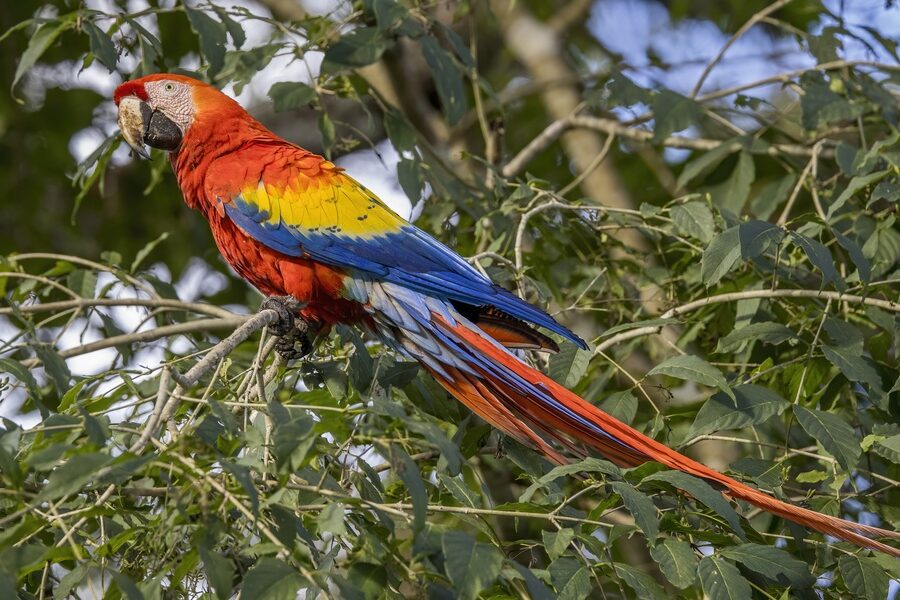
A wandering albatross can have a wingspan of up to 3.5 meters, while the bee hummingbird weighs less than 2 grams — a single glance that captures both scale and surprise. Birds range from delicate, hovering jewels to ocean wanderers that skim the waves for months. They matter: birds move seeds, pollinate plants, control pests, and inspire engineering and culture. Below are ten concise, evidence-backed facts about birds that span anatomy, behavior, ecology, and our ties to them. Read on for clear examples, numbers, and practical reasons to look up the next time something wings by.
Anatomy and Flight
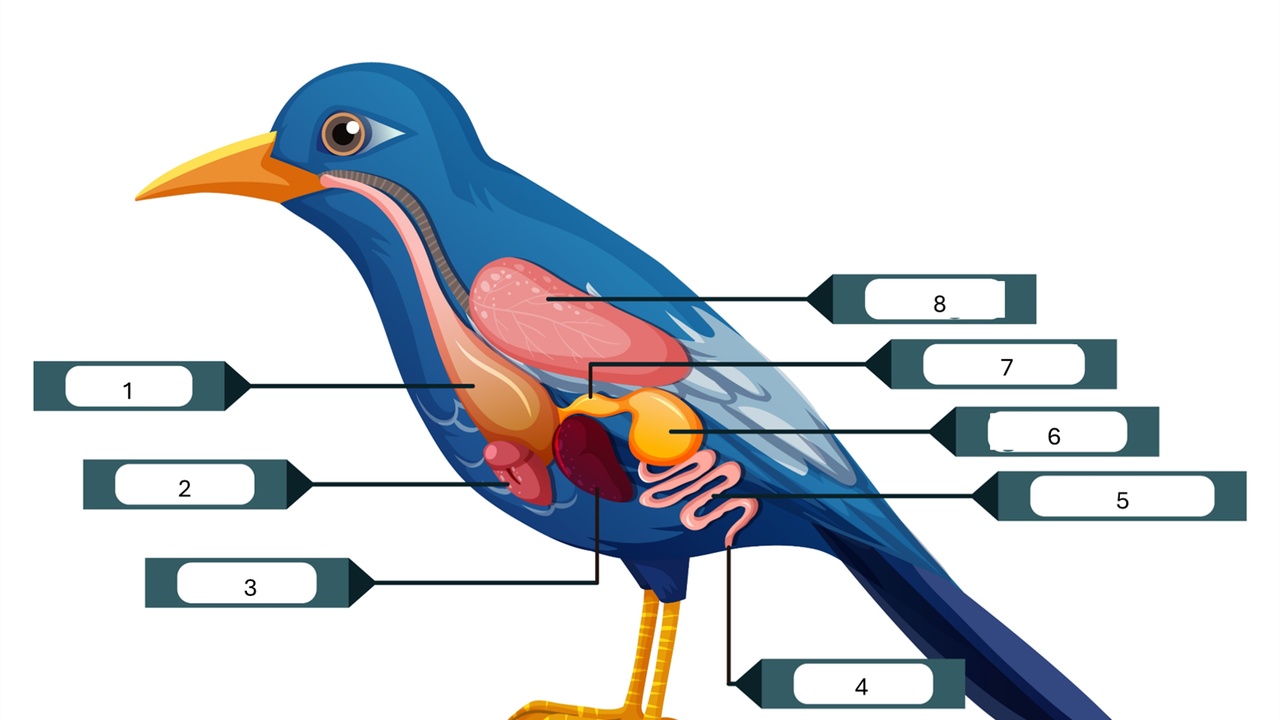
- 1. Feathers are keratin structures that enable flight, insulation, waterproofing, and display.
- 2. Many bird bones are pneumatic (air-filled) and fused to create a light but strong skeleton for flight.
- 3. Wingspans and body mass vary wildly — from a bee hummingbird at ~1.6–2 g to a wandering albatross approaching 3.5 m.
1. Feathers: The Lightweight Marvel
Feathers do more than look pretty. They’re made of keratin — the same protein in our nails — and come in types tailored for tasks. Contour feathers shape the body and reduce drag during flight. Flight feathers (remiges and rectrices) form the airfoils for lift and steering. Down feathers, soft and fluffy, trap air close to the skin for insulation; a mute swan, for example, carries roughly 25,000 feathers to stay warm in cold water.
At the microscopic level, feather barbules interlock to create a smooth surface and to trap insulating air. That microstructure is why down fills jackets and sleeping bags. Molting — the seasonal replacement of feathers — demands energy and can temporarily reduce a bird’s flight performance, affecting survival and breeding timing.
2. Hollow Bones and a Built-for-Flight Skeleton
Birds shave weight through pneumatic bones: air sacs connected to the respiratory system extend into some bones, reducing mass without sacrificing strength. Many bones are also fused — the keel (a large sternum) provides a broad anchor for powerful flight muscles, while a fused collarbone (furcula) acts like a spring during wingbeats.
That skeleton is a compromise between rigidity and lightness. Non-flying birds like ostriches illustrate the contrast: heavy, dense leg bones built for running rather than flight. Engineers study bird bone architecture when designing lightweight structures and aircraft components because the balance of stiffness and low weight is elegant and efficient.
3. Wingspan Extremes: From Hummingbirds to Albatrosses
The shape and size of wings dictate how a bird moves through air. Long, narrow wings — like those of the wandering albatross (Diomedea exulans), with a wingspan near 3.5 meters — are perfect for dynamic soaring over oceans, letting birds ride wind gradients with minimal flapping. Compact, rounded wings let birds maneuver through forests.
At the other extreme, the bee hummingbird (Mellisuga helenae) weighs about 1.6–2 grams and beats its wings so rapidly it can hover precisely to sip nectar. Wing shape influences range, hunting strategy, and even social behavior: long-distance migrants tend to have different wing profiles than short-range, territorial species.
Behavior and Intelligence
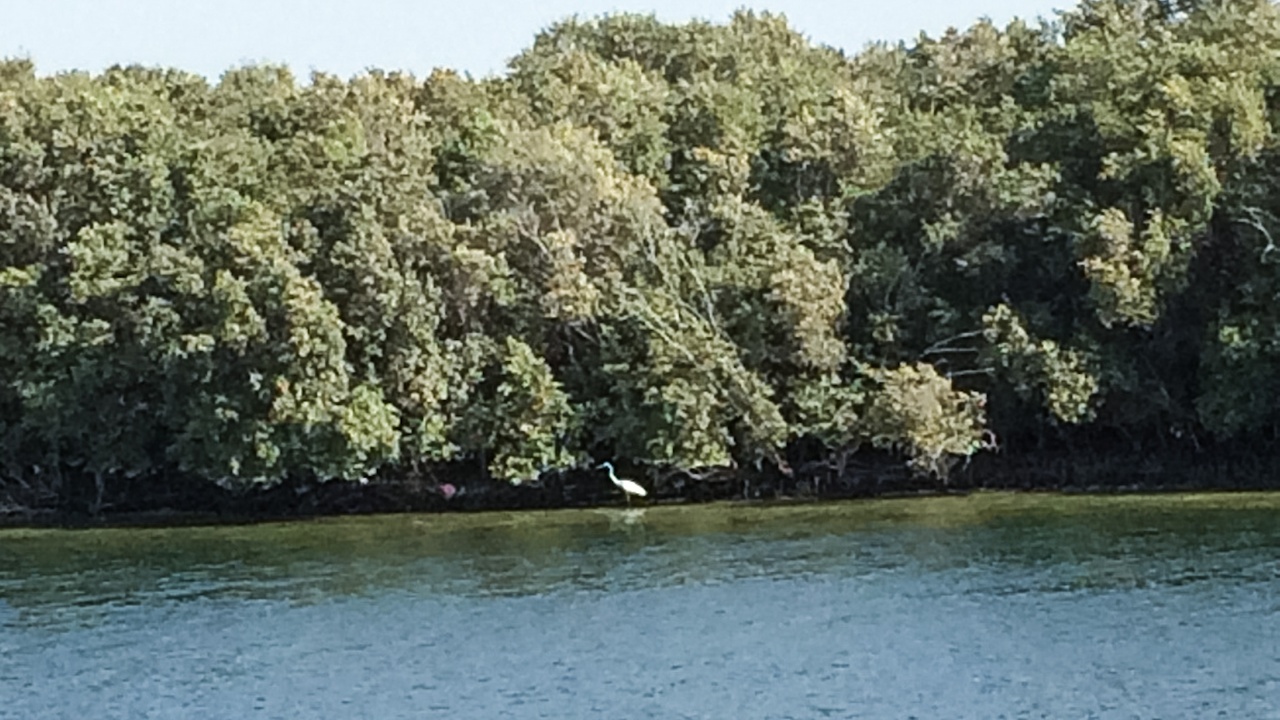
Bird behavior ranges from instinct-driven migrations to astonishing problem solving. These facts about birds highlight tool use, vocal culture, epic migrations, and extreme speeds — all of which reshape how we think about intelligence and adaptation in animals.
- 4. Tool use and problem solving appear in multiple lineages, notably corvids and some parrots.
- 5. Vocal learning produces regional dialects and impressive mimicry in species such as starlings and African grey parrots.
- 6. Some species migrate astonishing distances; the Arctic tern may travel on the order of ~70,000 km per year.
- 7. Birds set speed and endurance records — peregrine falcons dive at speeds >320 km/h; bar-tailed godwits fly nonstop for thousands of kilometers.
4. Tool Use and Problem Solving
Tool manufacture and use are not limited to primates. New Caledonian crows routinely craft hooked tools from twigs and pandanus leaves to extract prey from crevices. In captivity, Goffin’s cockatoos have bent wire into hooks to retrieve food in experiments. Lab studies show these birds can plan steps ahead and solve multi-stage puzzles.
Those abilities inform debates about animal cognition and welfare. Highly intellectual species require enriched environments in captivity and careful consideration before trade or removal from the wild. Their performances also help researchers probe the evolution of problem solving and causal understanding.
5. Vocal Learning and Regional Dialects
Many songbirds and parrots learn calls culturally rather than inheriting them at birth. Field studies document regional dialects in species like white-crowned sparrows and European starlings; young birds learn local variants from neighbors. African grey parrots can acquire hundreds of human words and use them in context.
Dialects affect mate choice and territory defense, and researchers study bird song to understand neural mechanisms of learning and memory. Work at labs like the Cornell Lab of Ornithology connects song learning to broader questions about language acquisition and brain plasticity.
6. Migration Marvels: Longest Journeys
The Arctic tern’s annual migration is a classic headline: GPS and tracking studies show individuals traveling roughly 70,000 km between Arctic breeding grounds and Antarctic feeding areas. Advances in light-level geolocators and miniaturized GPS tags made those measurements possible.
Birds navigate using multiple cues: geomagnetic fields, the sun and stars, visual landmarks, and even odors. Migratory shifts matter ecologically and for conservation; changes in timing and route tied to climate change can create mismatches with food availability. For researchers, tracking data are crucial for protecting stopover sites and flyways.
7. Speed and Endurance: Records of the Avian World
Distinguish between level-flight speed and diving speed. The peregrine falcon’s stoop is the fastest recorded bird movement, exceeding 320 km/h in dives as it hunts. For sustained, level flight, species like the white-throated needletail are reputed fast flyers, though measurements vary by method.
Endurance champions include the bar-tailed godwit, which has completed nonstop flights exceeding 11,000 km. Such feats rely on fuel-efficient fat storage, aerodynamic bodies, and precise timing. Speed and endurance shape predator-prey interactions and determine which habitats birds can exploit.
Ecology, Conservation, and Human Connections
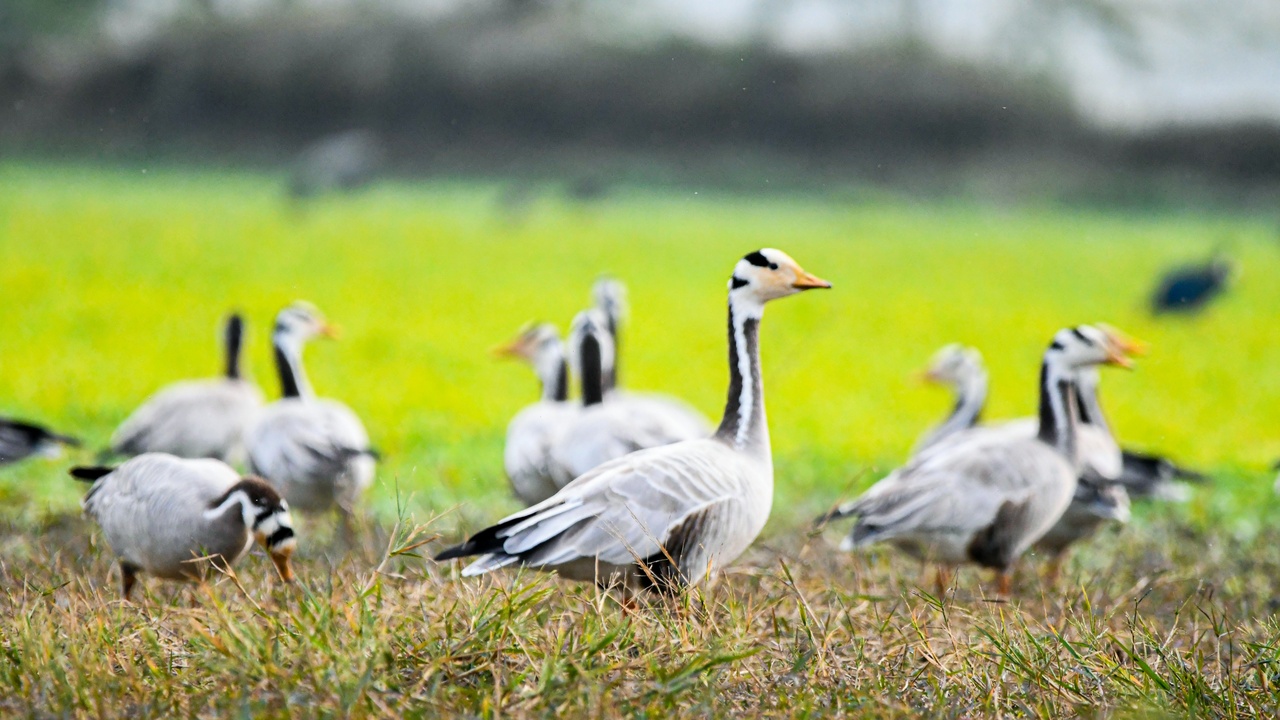
Birds knit ecosystems together, face mounting threats, and have profoundly shaped human culture and technology. The next three facts cover ecosystem services, conservation status and successes, and how birds have inspired people and tools.
- 8. Birds act as pollinators, seed dispersers, scavengers, and indicators of environmental health.
- 9. Roughly 10,000 bird species exist globally, but more than 150 species have gone extinct since 1500; targeted conservation has also produced notable recoveries.
- 10. Birds have served humans as messengers, design models, and citizen-science partners — influencing culture, engineering, and conservation practice.
8. Birds as Ecosystem Engineers and Indicators
Birds shape plant communities and food webs. Frugivores scatter seeds across landscapes, enabling forest regeneration. Hummingbirds and sunbirds pollinate flowers adapted to showy displays and long corollas. Vultures are nature’s clean-up crew, removing carcasses quickly and lowering the spread of disease.
Because birds occupy many niches and respond quickly to environmental change, shifts in bird communities often signal broader problems. Long-term monitoring programs use bird counts and breeding surveys to infer habitat quality and the effects of climate change. Those signals guide conservation priorities.
9. Threats and Conservation Successes
Worldwide there are about 10,000 bird species. Human actions have driven declines: habitat loss, invasive predators (especially on islands), climate change, pollution, and hunting are major threats. Since 1500, more than 150 bird species have been lost.
Still, focused efforts work. The bald eagle recovered from near-collapse and was officially delisted in the U.S. in 2007 after habitat protection and the ban on DDT. California condors have been brought back from the brink through captive-breeding and carefully managed releases. Simple actions we can take include planting native species, placing feeders thoughtfully, and reducing window collisions.
10. Birds in Culture, Science, and Technology
Humans have long relied on birds. Homing pigeons carried messages in wartime and still demonstrate remarkable orientation skills. Wing shapes and flight mechanics inspired early aircraft designers and continue to influence drone and winglet development. Biomimicry draws directly from feathers and wing aerodynamics.
Citizen-science platforms like eBird collect millions of observations annually and power research and conservation. Bird studies have also advanced neuroscience (song learning) and navigation research (magnetoreception), making them central to both cultural history and modern science.
Summary
- Bird anatomy blends strength and lightness: feathers of keratin, pneumatic bones, and diverse wing shapes let species occupy niches from hovering nectar-feeders to ocean-soaring albatrosses.
- Behavior and intelligence are striking — tool-using crows, vocal dialects, peregrine stoops over 320 km/h, and migrations like the Arctic tern’s ~70,000 km yearly route.
- Birds are vital ecosystem players and sensitive indicators; roughly 10,000 species exist, yet more than 150 have gone extinct since 1500 — while targeted conservation has produced inspiring recoveries such as the bald eagle.
- People can help: create native plantings, reduce window collisions, and join citizen science efforts such as eBird or a local Audubon chapter to track and protect bird populations.
- Keep watching. The small details — a hummingbird’s rapid wingbeats or a flock’s migration route — reveal surprising biology and practical connections between birds and our daily lives.