No known natural caves in the Marshall Islands meet the criteria for a cave list.
Understand that the Marshall Islands are coral atolls. Expect thin, porous reef rock and a high water table. These conditions do not produce the dry, carved caves people search for. Know that large karst caves and lava tubes form on different island types, not on low coral atolls.
Understand the technical reasons. Coral atolls grow on sinking volcanic foundations and build upward with reef growth. The rock is porous limestone and sits close to sea level. Waves and tides constantly erode the shoreline instead of letting large cavities form. Near matches include sea caves on high volcanic islands, underwater caverns and reef swim-throughs, and man-made WWII bunkers and tunnels.
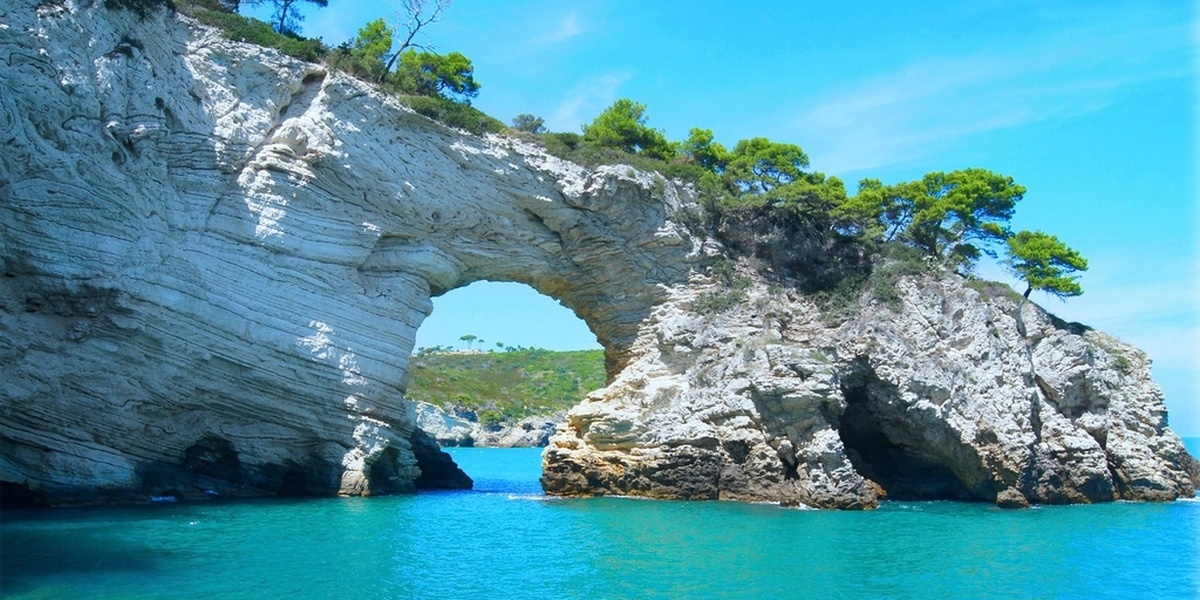
Explore related features instead. Look for sea caves and coastal blowholes on nearby higher islands, submarine swim-throughs and wreck dives at Bikini Atoll, and WWII-era bunkers and gun emplacements on atolls like Kwajalein and Enewetak. Check NOAA charts, local dive logs, and island guides for GPS points, access notes, and dive info.