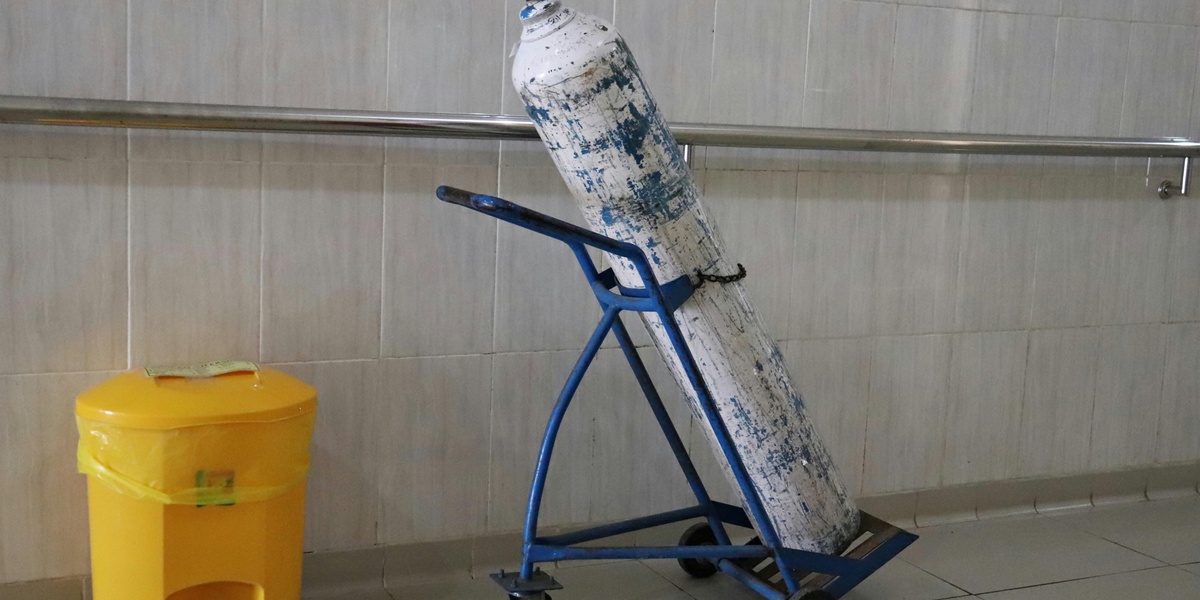
10 Uses of Oxygen
In 1774 Joseph Priestley identified a gas that supported combustion and life — the discovery that eventually led scientists to name oxygen and build entire industries around it.
Surprisingly, that same gas makes up about 21% of Earth’s atmosphere, yet we often only notice it when something goes wrong with breathing or combustion. Why should a reader care? Because oxygen quietly underpins hospitals, steel mills, rocket launches and even the water we drink.
Oxygen is more than the air we breathe: it’s a cornerstone of medicine, manufacturing, energy and everyday products — and this article explains 10 practical uses that show just how vital it is.
Ready for a few surprises? From emergency oxygen cylinders in ambulances to cryogenic tanks at launch pads, the same molecule plays roles that are both intimate and enormous.
Medical and Healthcare Uses
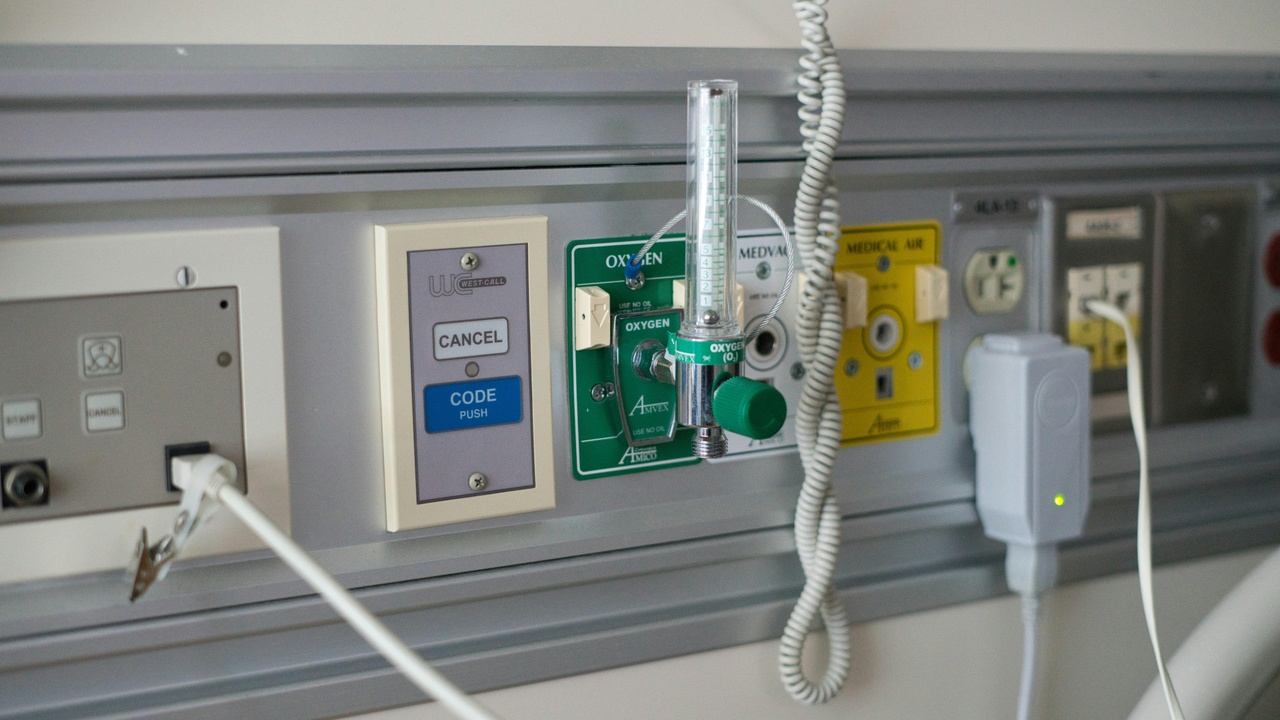
Medical settings rely on high-purity oxygen to sustain life, support anesthesia and treat respiratory illness; demand can spike sharply during outbreaks of respiratory disease. Hospitals, ambulances and home-care systems deliver oxygen in concentrated, compressed or liquid forms to raise blood oxygen saturation and support tissues.
1. Emergency and Hospital Oxygen Therapy
Supplemental oxygen saves lives in acute cases such as major trauma, sepsis and severe pneumonia by raising arterial oxygen saturation and improving tissue oxygenation.
Ambient air contains roughly 21% oxygen; medical systems deliver much higher concentrations to hit target SpO2 ranges (commonly 92–96% for many patients). Emergency departments, intensive care units and ambulances use wall-mounted piped oxygen, portable cylinders and oxygen masks to achieve these levels.
Examples include ambulance crews using compressed oxygen cylinders for front-line care and global suppliers such as Air Liquide or Linde providing medical gases and hospital pipeline systems.
2. Long-term / Home Oxygen Therapy for Chronic Conditions
Home oxygen supports people with COPD, pulmonary fibrosis and other chronic respiratory diseases, enabling better mobility and fewer hospital readmissions.
Millions worldwide rely on prescribed long-term oxygen (consult WHO or national health agencies for local figures). Delivery options include stationary concentrators, compressed gas cylinders and portable liquid oxygen systems that let patients travel and exercise more easily.
Common products include the Philips Respironics EverFlo home concentrator and compact portable units from ResMed and Philips Respironics used for daily activities and travel.
3. Surgical Uses: Anesthesia Support and Sterile Environments
Oxygen supports breathing under anesthesia and is a carrier gas in surgical circuits, helping clinicians control patient oxygenation during procedures.
Operating rooms use medical-grade oxygen mixed with anesthetic agents; anesthesia machines include flowmeters and monitors to track oxygen concentration and patient SpO2. Oxygen also appears in low-temperature plasma sterilizers where reactive oxygen species help process instruments.
Hospitals monitor oxygen flows closely and pair anaesthesia equipment with oxygen alarms and backup cylinders to maintain safe oxygenation throughout surgery.
Industrial and Manufacturing Uses
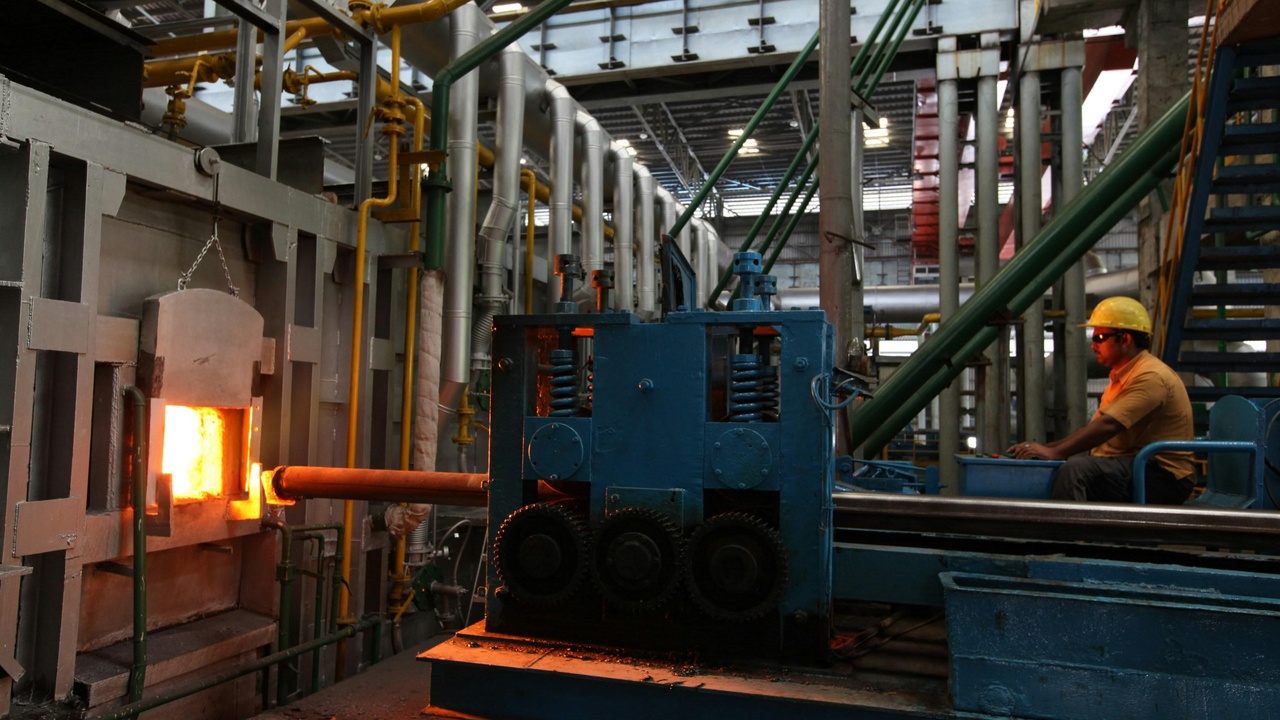
Oxygen drives high-temperature industrial processes — from steelmaking to metal cutting and chemical oxidation — improving efficiency and product quality. The sections below show where pure or enriched oxygen is industrially essential.
4. Steelmaking: Basic Oxygen and High-Temperature Processing
Modern steelmaking depends on injected oxygen to convert molten iron into steel quickly and at scale.
Basic Oxygen Furnaces (BOF) account for roughly 60–70% of global crude steel production (see the World Steel Association for data). In a BOF, pure oxygen blown into molten iron lowers carbon content and shortens processing time compared with older methods.
The result is higher throughput, lower fuel consumption per ton and improved control over impurities; major steelmakers operate BOF plants that produce thousands of tons per shift.
5. Oxy-Fuel Welding and Cutting
Oxy-fuel torches combine oxygen with a fuel such as acetylene or propane to reach very high flame temperatures for cutting, welding and brazing.
An oxy‑acetylene flame exceeds about 3,000°C (roughly 3,200°C), enabling rapid cutting and metal joining on construction sites, in automotive repair and during pipeline work.
Because oxygen strongly supports combustion, handling and storage protocols are critical: secure cylinders, regulators, flashback arrestors and proper ventilation are standard safety measures.
6. Chemical Manufacture and Purification
Oxygen is a primary oxidant and feedstock in producing chemicals such as ethylene oxide and in oxidation steps for sulfuric acid and other intermediates.
Using oxygen instead of air often increases selectivity and yield while reducing impurities. For example, petrochemical complexes use oxygen in ethylene oxide synthesis and many large plants generate oxygen on-site to feed catalytic processes.
Environmental controls such as scrubbers and catalytic converters are commonly paired with oxygen-based processes to manage emissions and meet regulatory standards.
Energy, Propulsion and Aerospace Uses
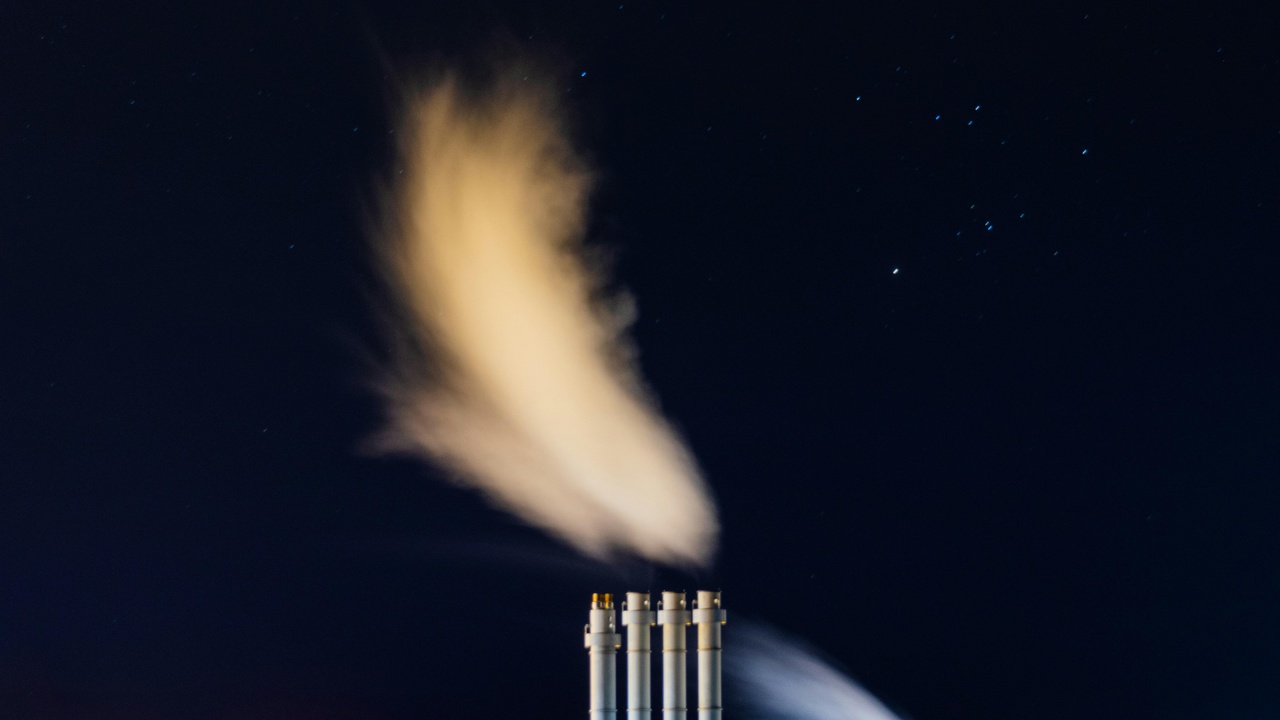
Oxygen is the standard oxidizer in rocket propulsion and a tool for increasing combustion efficiency in industrial burners. Liquid oxygen (LOX) is cryogenic — it boils near −183°C — and requires specialized handling.
7. Rocket Propulsion: Liquid Oxygen (LOX) as an Oxidizer
LOX serves as the oxidizer for many modern launch vehicles, producing high thrust when paired with appropriate fuels.
Liquid oxygen boils at about −183°C and, when combined with RP‑1 (kerosene) or liquid hydrogen, yields high specific impulse. SpaceX’s Falcon 9 uses RP‑1/LOX and NASA’s SLS core stages pair LH2/LOX; both rely on complex cryogenic storage and fueling operations at launch sites (see NASA for technical overviews).
Cryogenic logistics — insulated tanks, transfer lines and ground support equipment — are critical to safe fueling and rapid engine starts at the pad.
8. Oxygen-Enriched Combustion for Industrial Energy Efficiency
Adding oxygen to combustion air raises flame temperatures and reduces the nitrogen that dilutes combustion, improving furnace efficiency and throughput.
Oxygen enrichment can cut fuel use and increase productivity in glass melting or cement kilns; plants report significant percentage gains in fuel efficiency when switching from air to oxygen‑fuel systems (industry sources vary by application).
Trade-offs include capital costs for oxygen supply and safety systems, but reduced excess air often lowers NOx emissions and improves heat transfer in high‑temperature processes.
Environmental, Research and Everyday Uses
Oxygen supports ecosystems and engineered systems alike: it’s key to wastewater treatment and aquaculture, indispensable in research labs for reactions and cell culture, and appears in consumer products like aquarium aeration and first‑aid kits.
9. Water and Wastewater Treatment, Aquaculture
Biological wastewater treatment depends on dissolved oxygen to power aerobic microbes that break down organic matter, while aquaculture operations monitor oxygen to keep fish healthy.
Many fish species require dissolved oxygen above about 5 mg/L for optimal growth; municipal treatment plants use diffused aeration or pure oxygen injection to raise dissolved oxygen and boost treatment capacity and stability.
Technologies range from large diffused‑air blowers to concentrated oxygen injection systems, and commercial fish farms routinely monitor O2 levels to avoid stress and mortality in stock.
10. Laboratory Research, Consumer Products, and Niche Uses
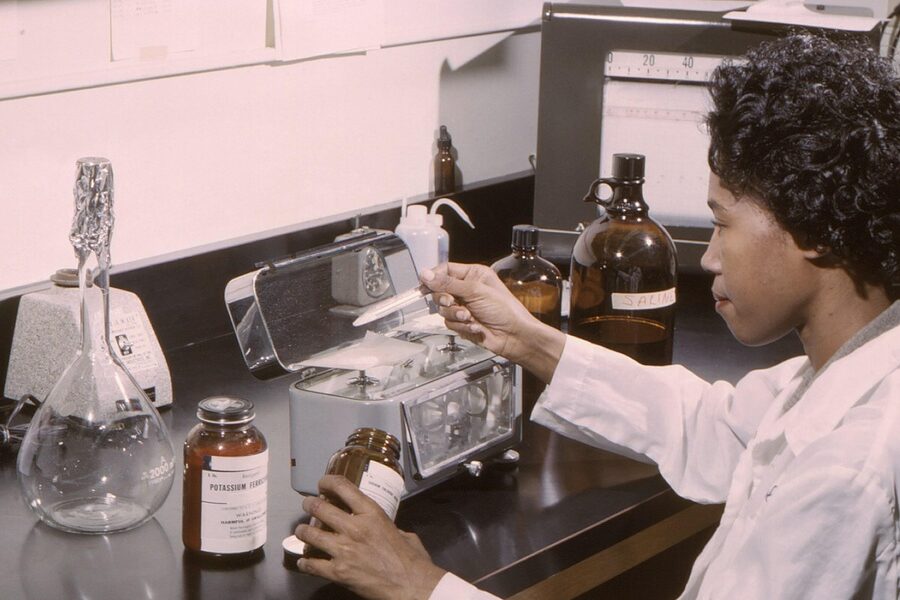
In labs, oxygen is used for oxidation reactions, analytical methods and in cell culture incubators where O2 and CO2 are controlled to mimic physiological conditions.
Consumer and niche uses include aquarium aeration, emergency first‑aid oxygen kits carried by mountain guides or event medics, recreational “oxygen bars” (controversial), and controlled oxygenation steps in winemaking. Laboratories typically store oxygen in compressed cylinders with regulators for analytical work.
Because devices marketed for health must meet standards, consumer oxygen products intended for medical use follow regulatory pathways and safety protocols.
Summary
- Oxygen connects everyday life and advanced technology: the same molecule used in hospital oxygen therapy also fuels rockets and powers steelmaking.
- Medical‑grade oxygen and home concentrators (brands such as Philips Respironics and ResMed) support millions with respiratory conditions, while emergency systems in ambulances and hospitals target SpO2 ranges around 92–96%.
- Industrially, oxygen (including LOX at about −183°C) increases process efficiency — BOF steelmaking supplies a majority of global steel output, oxy‑fuel cutting exceeds ~3,000°C, and oxygen enrichment improves furnace performance.
- Environmentally and in research, oxygen keeps wastewater microbes working, sustains aquaculture (dissolved O2 targets often >5 mg/L), and enables lab oxidations and cell culture under controlled conditions.
- Take a moment to appreciate how the uses of oxygen touch health, industry and the environment—and consider local supply resilience and safety standards for any oxygen systems you rely on.