The Netherlands sits at a crossroads of migratory routes and features a mix of coastline, wetlands and farmland that supports a wide variety of bird species; from saltmarsh roosts to inland reedbeds, the seasonal changes bring different visitors and residents to watch.
There are 60 Birds of the Netherlands, ranging from Arctic Tern to Woodcock. For each species the list shows Scientific name,Size (length cm),Status — you’ll find below.
When is the best time to see many of these species in the Netherlands?
Spring and autumn migration are peak times to catch a high diversity as passage migrants move through, while summer is best for breeding residents and marsh-nesters; winter brings large flocks of waterfowl and thrushes, so timing depends on which groups you want to observe.
How can I use the table to identify and understand conservation priorities?
Use the Size (length cm) and Scientific name columns to confirm field identifications, then check the Status column for whether a species is common, migratory or of conservation concern; combine that data with habitat and call notes from local guides or apps for accurate ID and context.
Birds of the Netherlands
| Common name | Scientific name | Size (length cm) | Status |
|---|---|---|---|
| Mute Swan | Cygnus olor | 150 | breeder |
| Whooper Swan | Cygnus cygnus | 140 | winter visitor |
| Greylag Goose | Anser anser | 76 | breeder |
| Barnacle Goose | Branta leucopsis | 56 | winter visitor |
| Brent Goose | Branta bernicla | 55 | winter visitor |
| Canada Goose | Branta canadensis | 90 | introduced |
| Pink-footed Goose | Anser brachyrhynchus | 65 | passage |
| Greater White-fronted Goose | Anser albifrons | 65 | winter visitor |
| Egyptian Goose | Alopochen aegyptiaca | 63 | introduced |
| Common Shelduck | Tadorna tadorna | 70 | breeder |
| Mallard | Anas platyrhynchos | 60 | breeder |
| Eurasian Wigeon | Mareca penelope | 45 | winter visitor |
| Northern Shoveler | Spatula clypeata | 48 | migrant |
| Northern Pintail | Anas acuta | 65 | winter visitor |
| Common Teal | Anas crecca | 34 | winter visitor |
| Tufted Duck | Aythya fuligula | 40 | breeder |
| Common Pochard | Aythya ferina | 46 | winter visitor |
| Common Eider | Somateria mollissima | 55 | winter visitor |
| Common Scoter | Melanitta nigra | 46 | winter visitor |
| Great Crested Grebe | Podiceps cristatus | 56 | breeder |
| Little Grebe | Tachybaptus ruficollis | 25 | breeder |
| Grey Heron | Ardea cinerea | 90 | breeder |
| Little Egret | Egretta garzetta | 60 | breeder |
| Great White Egret | Ardea alba | 95 | breeder |
| Eurasian Spoonbill | Platalea leucorodia | 85 | breeder |
| Eurasian Oystercatcher | Haematopus ostralegus | 42 | breeder |
| Pied Avocet | Recurvirostra avosetta | 42 | breeder |
| Black-tailed Godwit | Limosa limosa | 42 | breeder |
| Bar-tailed Godwit | Limosa lapponica | 45 | passage |
| Eurasian Curlew | Numenius arquata | 50 | breeder |
| Whimbrel | Numenius phaeopus | 40 | passage |
| Common Redshank | Tringa totanus | 28 | breeder |
| Common Greenshank | Tringa nebularia | 31 | migrant |
| Ruff | Calidris pugnax | 23 | passage |
| Dunlin | Calidris alpina | 19 | winter visitor |
| Sanderling | Calidris alba | 18 | passage |
| Red Knot | Calidris canutus | 23 | passage |
| Woodcock | Scolopax rusticola | 33 | winter visitor |
| Black-headed Gull | Chroicocephalus ridibundus | 38 | breeder |
| Herring Gull | Larus argentatus | 64 | breeder |
| Lesser Black-backed Gull | Larus fuscus | 60 | breeder |
| Great Black-backed Gull | Larus marinus | 76 | breeder |
| Sandwich Tern | Thalasseus sandvicensis | 40 | breeder |
| Common Tern | Sterna hirundo | 33 | breeder |
| Arctic Tern | Sterna paradisaea | 28 | passage |
| Common Guillemot | Uria aalge | 38 | winter visitor |
| Razorbill | Alca torda | 40 | winter visitor |
| Northern Gannet | Morus bassanus | 90 | winter visitor |
| Little Gull | Hydrocoloeus minutus | 22 | passage |
| Common Kingfisher | Alcedo atthis | 16 | breeder |
| Eurasian Hoopoe | Upupa epops | 27 | vagrant |
| Eurasian Wren | Troglodytes troglodytes | 9 | breeder |
| European Robin | Erithacus rubecula | 14 | breeder |
| Common Blackbird | Turdus merula | 25 | breeder |
| Song Thrush | Turdus philomelos | 27 | breeder |
| Fieldfare | Turdus pilaris | 28 | winter visitor |
| Redwing | Turdus iliacus | 22 | winter visitor |
| Mistle Thrush | Turdus viscivorus | 30 | breeder |
| Common Starling | Sturnus vulgaris | 21 | breeder |
| House Sparrow | Passer domesticus | 16 | breeder |
Images and Descriptions
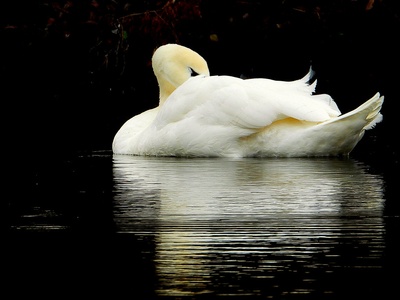
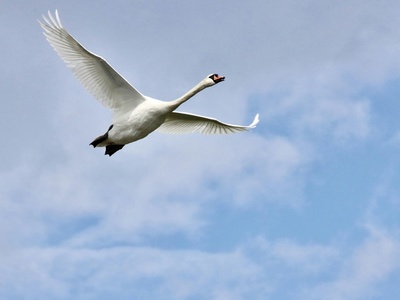
Mute Swan
Large white swan with orange bill and black knob; common on parks, lakes and canals across the Netherlands. Easily seen year-round. Notable for strong territorial pairs and iconic courtship displays; often tame near human activity.
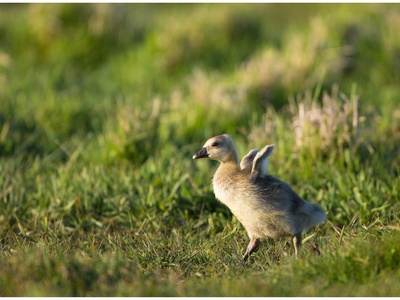
Whooper Swan
Tall, long-necked white swan with black and yellow bill; winters in wetlands, large lakes and polders. Flocks arrive October–March. Notable for loud bugling calls and long migratory flights from Arctic breeding grounds.
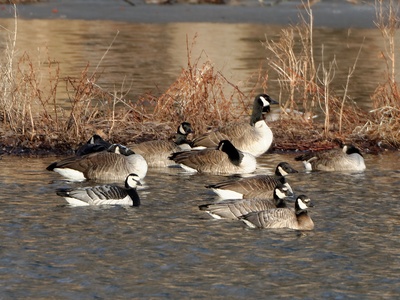
Greylag Goose
Grey-brown goose with orange bill; common breeder in farmland, marshes and coastal lagoons. Widespread across countryside and urban parks. Ancestor of domestic geese and long-associated with Dutch wetlands and reclaimed polders.
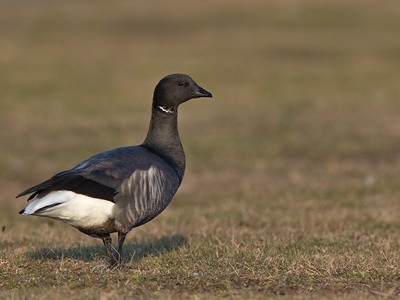
Barnacle Goose
Black-and-white head pattern and grey body; winters on coastal mudflats, saltmarshes and farmland. Large flocks December–March. Increasingly seen during cold spells and sometimes small breeding colonies on islands.
Brent Goose
Compact dark goose with pale neck patch; occurs in coastal waters, estuaries and saltmarshes in winter. Often feeds on eelgrass and seaweed. Seen in flocks along Wadden Sea and North Sea coasts.
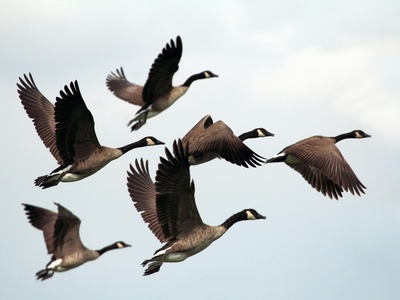
Canada Goose
Large goose with black head and white cheek patch; widespread in parks, canals and farmland. Introduced populations breed year-round and can be very tame. Notable for loud honking and urban adaptability.
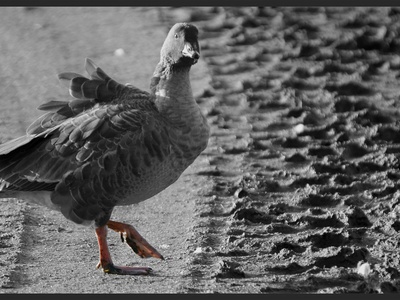
Pink-footed Goose
Medium grey goose often seen during migration and winter in agricultural fields and coastal meadows. Arrives in spring and autumn; large flocks feed on harvested crops. Breeds in Arctic Scandinavia and Iceland.
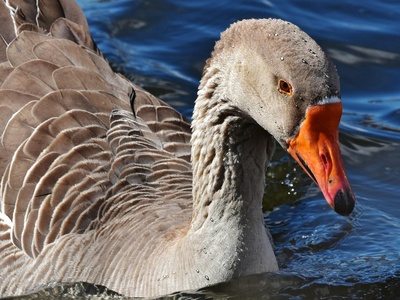
Greater White-fronted Goose
Stocky goose with orange bill and white forehead patch; found on farmland, pastures and coastal flats in winter. Often in mixed flocks. Distinctive dark belly barring visible at distance.
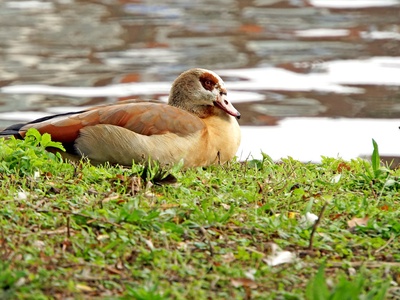
Egyptian Goose
Brownish goose with eye patches and pink legs; introduced and now locally breeding in parks, waterways and rural ponds. Often seen near water in towns. Originally an African species introduced in 20th century.
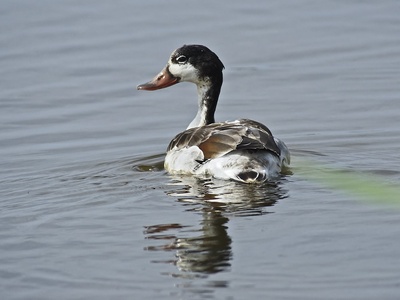
Common Shelduck
Striking black, white and chestnut waterfowl found on mudflats, estuaries and saltmarshes. Breeds in colonies along the coast and in inland brackish lakes. Notable for long migrations and loud, goose-like calls.
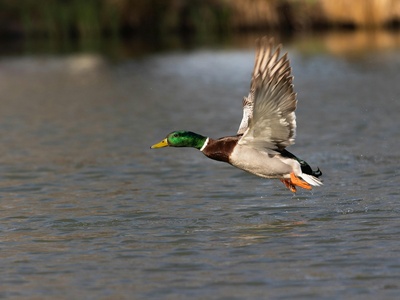
Mallard
Widespread dabbling duck; males have iridescent green head and yellow bill, females mottled brown. Found on almost any freshwater habitat year-round. Highly adaptable and ancestral to most domestic ducks.
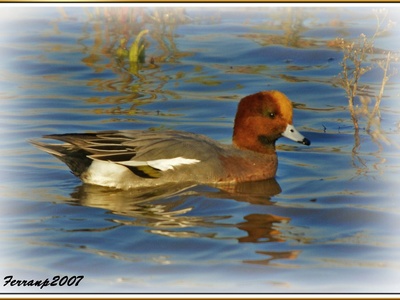
Eurasian Wigeon
Pink-brown head male with green eye-stripe; common on freshwater lakes, marshes and coastal lagoons in winter. Often forms mixed flocks with other ducks. Known for whistling call and grazing on aquatic plants.
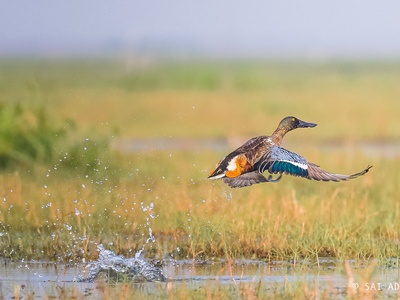
Northern Shoveler
Distinctive spoon-shaped bill for filtering small prey; males show green head and white chest. Seen in wetlands, shallow lakes and flooded fields during migration and winter. Often feeds by stirring water with feet.
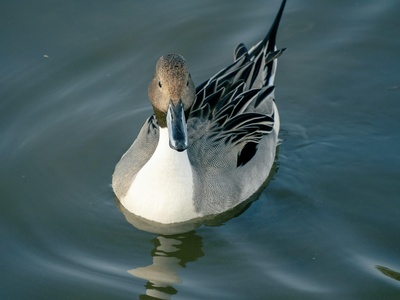
Northern Pintail
Elegant duck with long pointed tail in males and sleek profile; found on open wetlands, coastal lagoons and flooded fields in winter. Migratory flocks occur during spring and autumn passage.
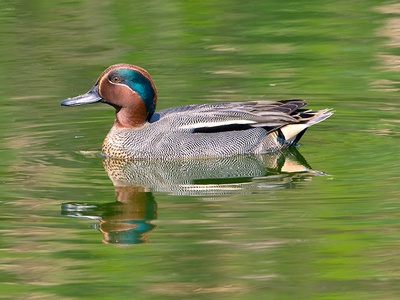
Common Teal
Small dabbling duck with green facial stripe on males; common in marshes, reedbeds and shallow wetlands during winter and migration. Frequently seen in mixed flocks and easily overlooked due to small size.
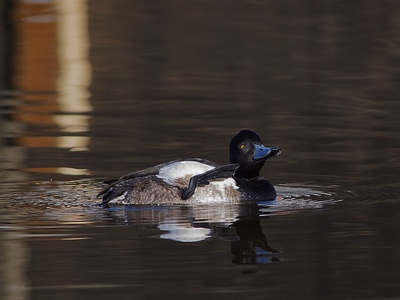
Tufted Duck
Black-and-white diving duck with distinctive head tuft in males; common on deeper lakes and reservoirs. Breeds across the Netherlands. Dives for molluscs and aquatic invertebrates; often in winter flocks with pochards.
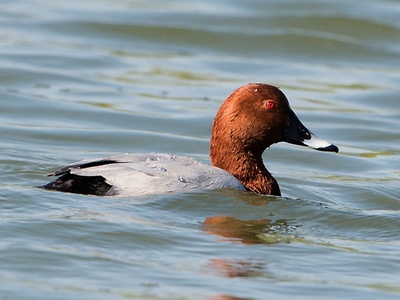
Common Pochard
Round-headed diving duck with reddish-brown head in males; found on lakes and coastal bays in winter. Numbers have declined but still regular on larger waters. Dives for plant and animal food.
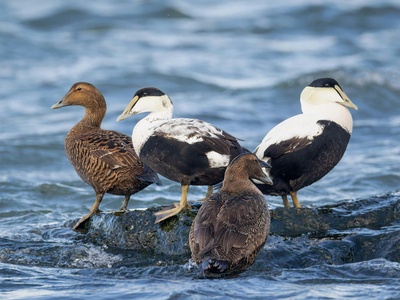
Common Eider
Large sea-duck with bulky profile; males white and black, females brown. Seen offshore and along North Sea coasts in winter. Renowned for soft eiderdown used historically for insulation.
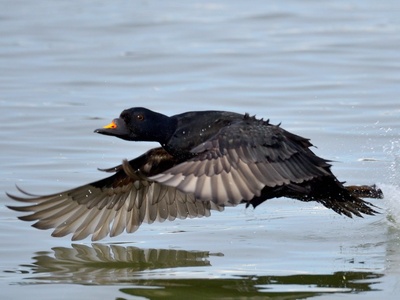
Common Scoter
All-black sea-duck in males with bulbous bill; occurs offshore and in coastal bays in winter. Forms large rafts at sea. More common in colder months and when seas are calm.
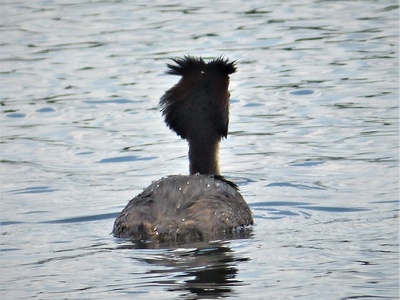
Great Crested Grebe
Elegant waterbird with ornate head plumes in breeding season; common on lakes, canals and sheltered coastal waters. Known for dramatic courtship “weed dance” and floating nests among reeds.
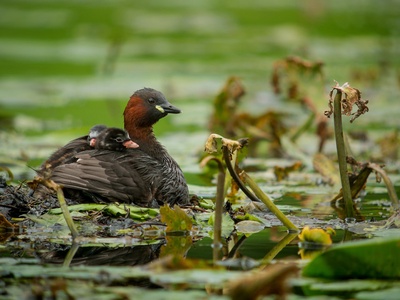
Little Grebe
Tiny, compact grebe with chestnut neck in breeding plumage; found on small lakes, ponds and canals with dense vegetation. Dives frequently and often seen in reed-fringed waters. Secretive but widespread.
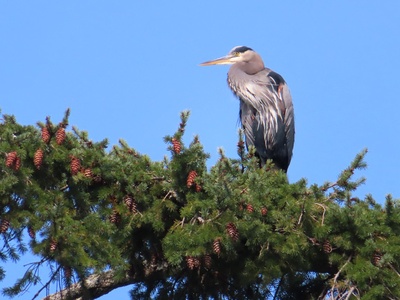
Grey Heron
Large grey heron often standing motionless hunting fish in canals, wetlands and tidal creeks. Widespread year-round and nests in colonies in trees. Distinctive long neck and slow wingbeats in flight.
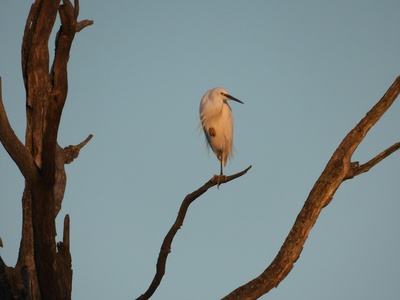
Little Egret
Slender white egret with black legs and yellow feet; increasingly common breeder in wetlands and reedbeds. Agile feeder on mudflats and shallow water. Noted for elegant plumes in breeding season.
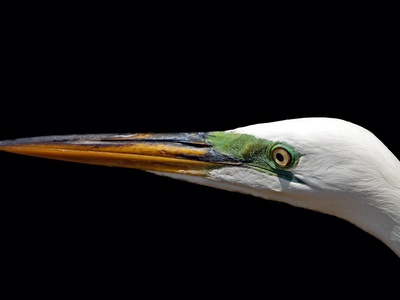
Great White Egret
Large white heron with long neck and black legs; has colonised Dutch wetlands recently and now breeds in some areas. Forages in shallow waters for fish; impressive increase in range across Europe.
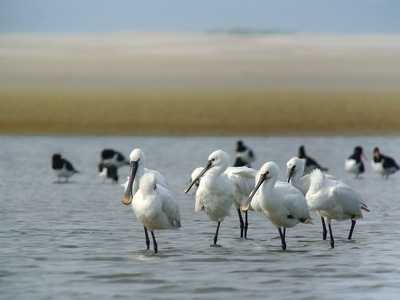
Eurasian Spoonbill
White wading bird with long spatulate bill; breeds in reedbeds and saltmarsh islands. Feeds by sweeping bill through shallow water. Iconic coastal species of the Wadden Sea and inland wetlands.
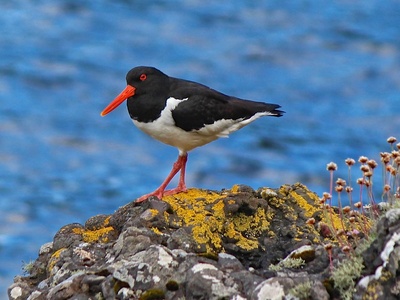
Eurasian Oystercatcher
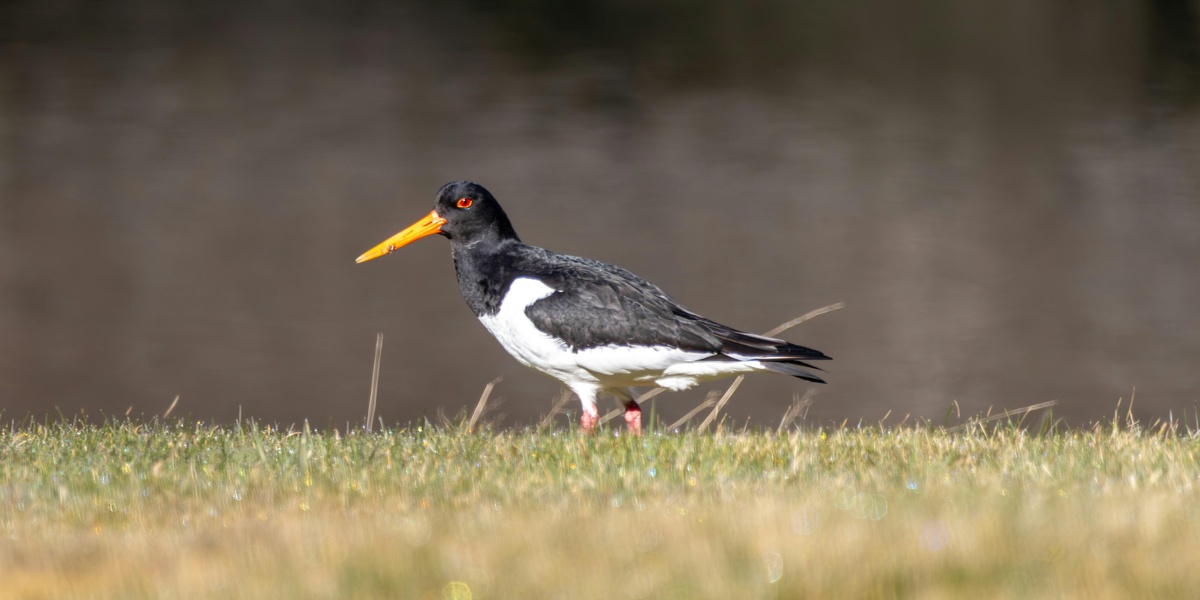
Black-and-white shorebird with long orange bill; common on mudflats, dunes and coastal breeding sites. Loud piping calls and conspicuous feeding on shellfish make it easy to spot on coastlines.
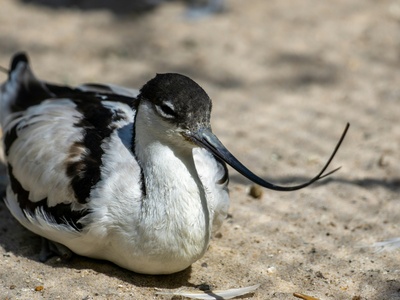
Pied Avocet
Elegant black-and-white wader with upturned bill; breeds on saltpans, shallow lagoons and coastal islands. Iconic Dutch bird associated with Wadden Sea. Feeds by sweeping bill through shallow water for invertebrates.
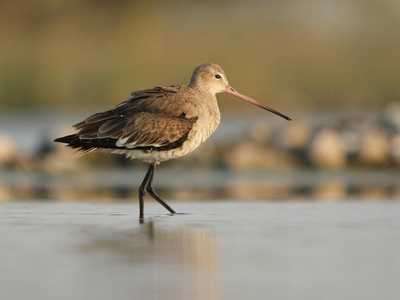
Black-tailed Godwit
Long-legged, long-billed wader with striking breeding plumage; a Netherlands speciality and national symbol. Breeds in wet grasslands and meadows. Populations are of global conservation importance.
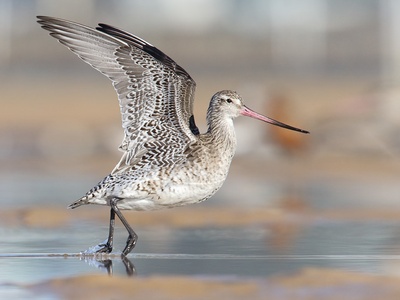
Bar-tailed Godwit
Large migrant wader with long slightly upturned bill; passes through tidal flats and coastal areas in spring and autumn. Famous for long migratory flights from Arctic breeding grounds to southern wintering areas.
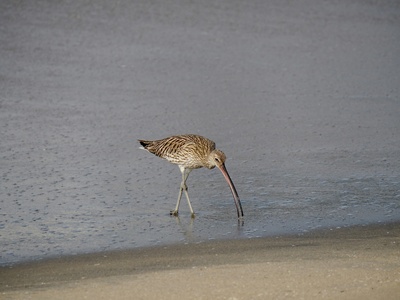
Eurasian Curlew
Large wader with long, downcurved bill and mottled brown plumage; breeds in grasslands and coastal marshes but declines noted. Distinctive bubbling call; often seen probing soft mud for invertebrates.
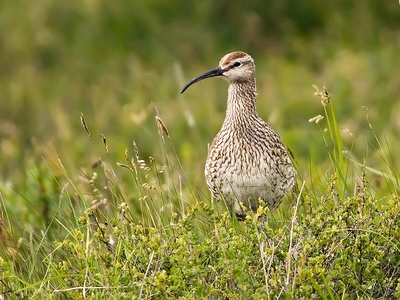
Whimbrel
Smaller curlew with shorter, kinked bill and striped head; seen on coastal mudflats and inland fields during migration. Swift migrants using Dutch coasts as stopover during spring and autumn.
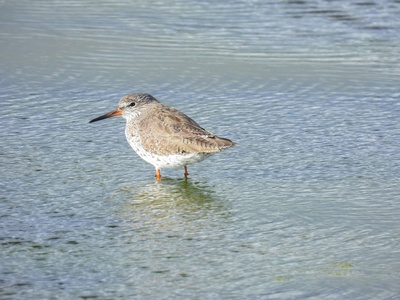
Common Redshank
Medium wader with bright red legs and upright posture; breeds in marshes, saltmarshes and wet meadows. Common across the Netherlands and noisy on breeding grounds with rattling calls.
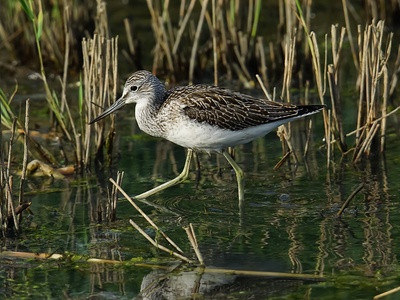
Common Greenshank
Large greenish-legged wader with slightly upturned bill; passage migrant on mudflats, estuaries and flooded fields. Tall, active feeder often probing for fish and invertebrates at water edges.
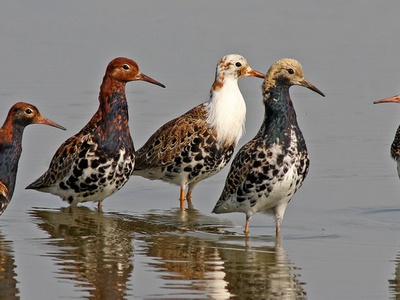
Ruff
Polymorphic wader; males in breeding season show dramatic ruffs and head tufts. Passage migrant in marshes and wet grasslands. Males perform elaborate lek displays—one of Europe’s most spectacular breeding behaviours.
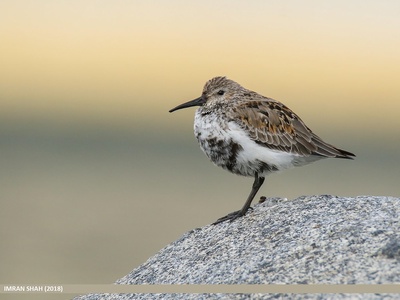
Dunlin
Small, stocky wader with slightly downcurved bill; common on mudflats and saltmarshes in winter and during migration. Breeding plumage shows black belly patch. Forms large feeding flocks on coasts.
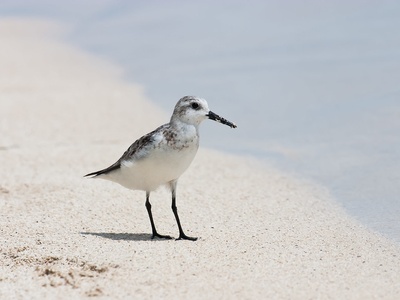
Sanderling
Small white-and-grey sandpiper that races up and down tidal beaches chasing waves. Seen on North Sea beaches during migration and winter. Recognizable by pale non-breeding plumage and energetic foraging.
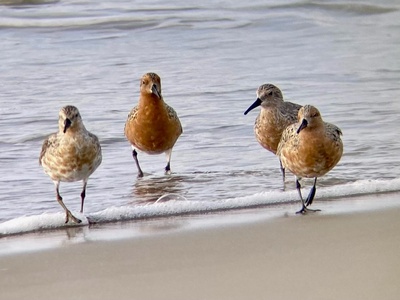
Red Knot
Chunky shorebird with heavy bill; passes through mudflats and coastal feeding sites. In autumn and spring uses Dutch Wadden Sea as crucial stopover to refuel on bivalves and worms.
Woodcock
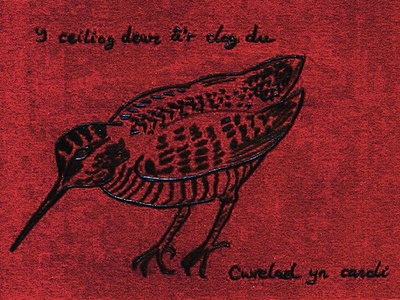
Stocky, cryptic forest wader with long bill and mottled plumage; visits gardens and woodlands in autumn and winter. Nocturnal and hard to see, revealed by roding flight displays in spring.
Black-headed Gull
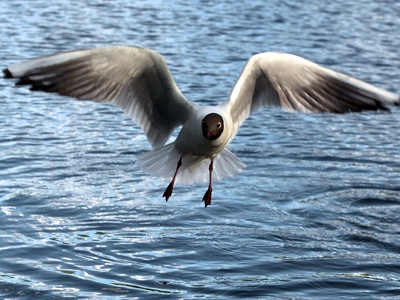
Small coastal and inland gull with chocolate-brown head in breeding season; common in towns, farmlands and wetlands. Bold and opportunistic feeder; often forms large roosts near water.
Herring Gull
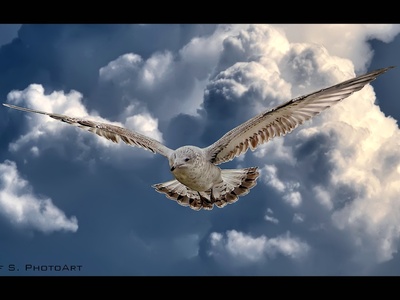
Large grey-and-white gull with pink legs and heavy bill; widespread in coastal towns, harbours and inland landfills. Opportunistic omnivore often nesting on rooftops and coastal cliffs.
Lesser Black-backed Gull
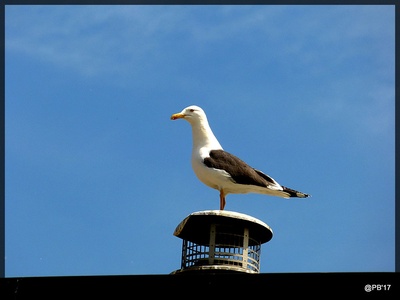
Dark-backed gull with yellow legs; common on coastlines and inland waters. Breeds on islands and urban roofs. Distinguishable from herring gull by darker mantle and slimmer build.
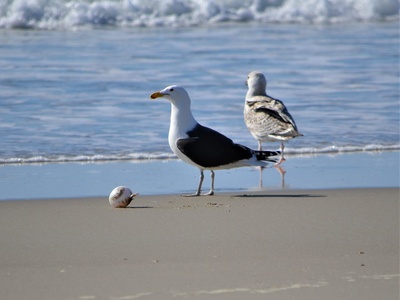
Great Black-backed Gull
Europe’s largest gull with powerful bill and very dark back; occurs on coasts and offshore islands. Apex scavenger and predator among gulls, sometimes preying on other seabirds.
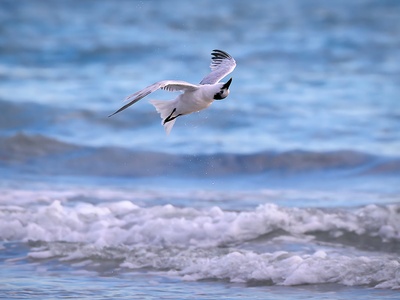
Sandwich Tern
Slender tern with black bill tipped yellow and shaggy crest in breeding season; nests in colonies on sandy islands and coastal flats. Agile plunge-diver feeding on small fish near shore.
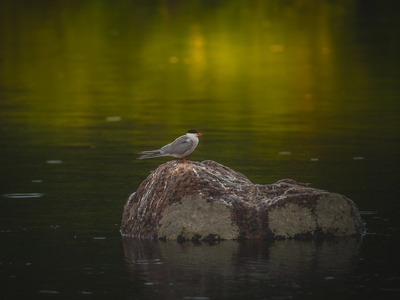
Common Tern
Graceful white tern with black cap and orange bill; breeds on coastal islands and inland lakes. Hunts by hovering then diving for small fish. Widely observed in summer months.
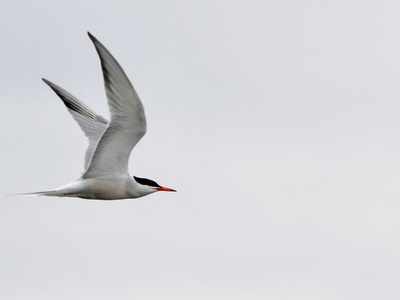
Arctic Tern
Elegant long-winged tern with very long tail streamers; passage migrant through coastal waters and islands during spring and autumn. Notable for extreme migratory distance to Antarctic wintering areas.
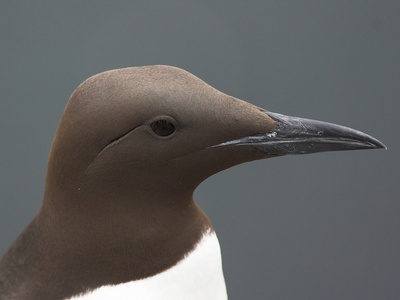
Common Guillemot
Black-and-white auk seen on cliffs and offshore waters; swims and dives for fish. Large rafts may be visible offshore. More common along North Sea coast during colder months.
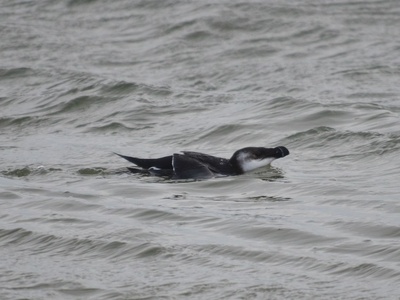
Razorbill
Black-and-white auk with thick laterally compressed bill; occurs offshore and on rocky coasts. Dives for fish and nests on sea cliffs in breeding season; winter sightings along North Sea.
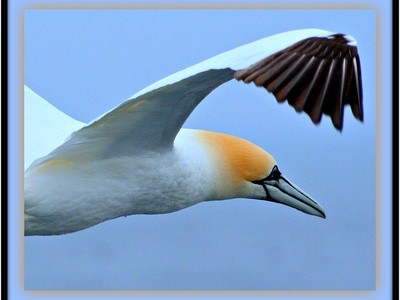
Northern Gannet
Large white seabird with black wing tips and yellowish head; soars over North Sea and plunges for fish. Seen offshore year-round, especially around gannetry colonies and fishing boats.
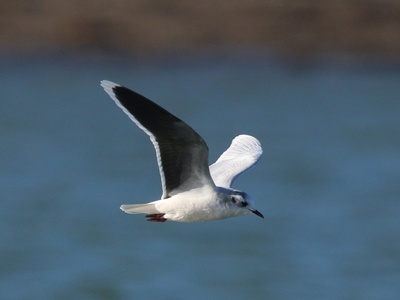
Little Gull
Small, delicate gull with black head in breeding season; passage migrant on inland lakes and coastal waters. Often flies low over water feeding on insects and small fish.
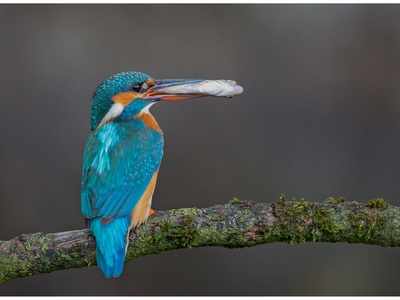
Common Kingfisher
Tiny bright blue-and-orange bird seen along clear canals, rivers and ponds; perches low before diving for fish. Resident in suitable habitats year-round but secretive and best seen at close range.
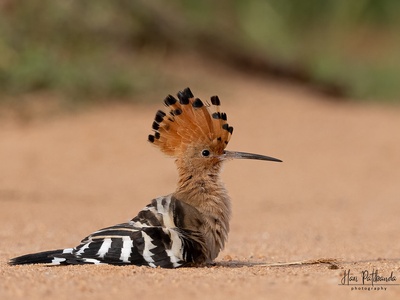
Eurasian Hoopoe
Striking bird with cinnamon plumage, black-and-white wings and crest; occasional spring and autumn visitor to open countryside and orchards. Notable for distinctive “oop-oop” call and insect-probing bill.
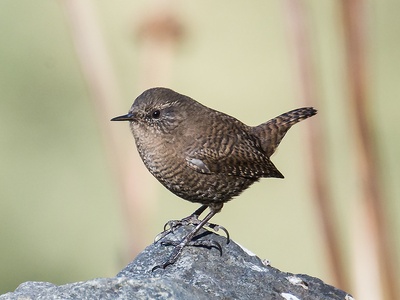
Eurasian Wren
Tiny rounded brown bird with cocked tail; common in hedgerows, gardens and woodlands. Loud, complex song from a very small body. Resident and often visible near undergrowth.
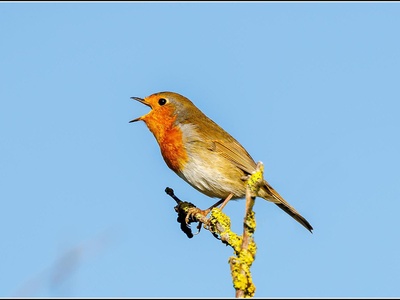
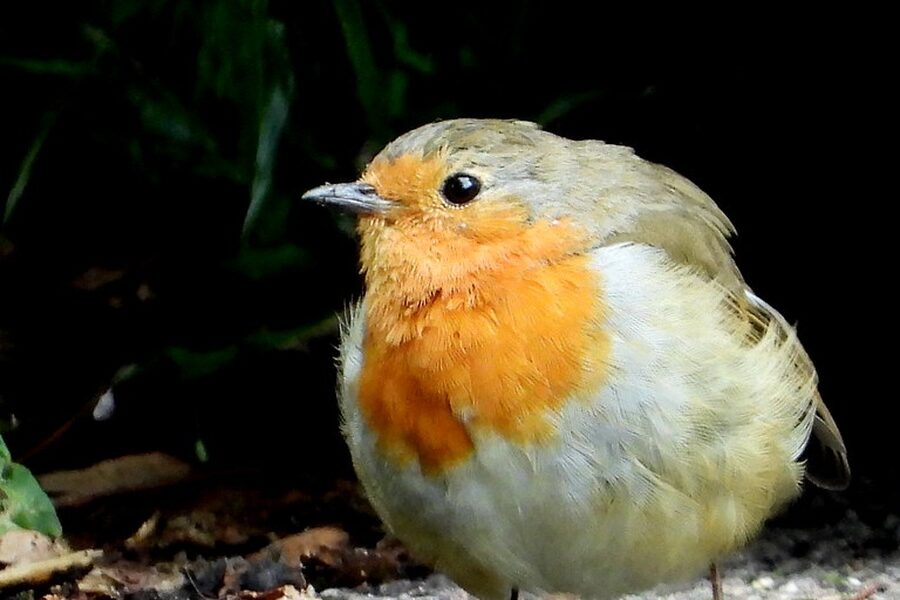
European Robin
Familiar small bird with orange-red face and breast; common in gardens, parks and woodlands year-round. Bold around humans and sings through much of the year, especially in winter.
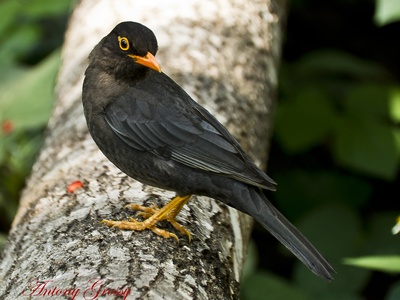
Common Blackbird
Black male with yellow bill (females brown); widespread in gardens, parks and woodlands. Melodious song and common feeder visitor. Resident or partial migrant depending on weather.
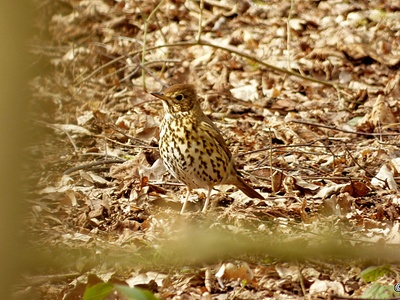
Song Thrush
Spotted brown thrush with repeated melodic phrases; inhabits woodlands, gardens and hedgerows. Eats snails and uses anvils to break shells. Common breeding species though populations vary regionally.
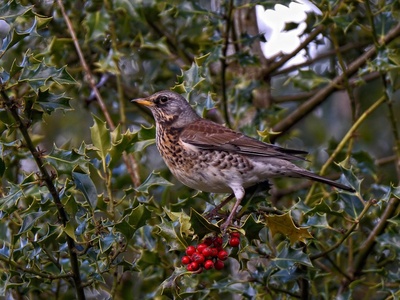
Fieldfare
Grey-headed thrush that winters in large flocks feeding on berries and fallen fruit in farmland and parks. Arrives October–March and often travels in mixed thrush flocks with redwings and starlings.
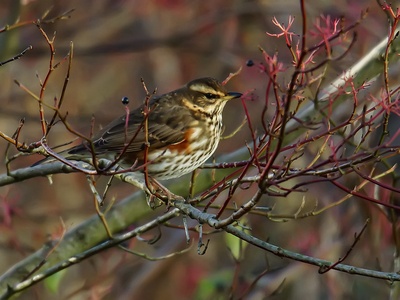
Redwing
Small migratory thrush with pale eye stripe and red flanks; common in winter on farmland, hedgerows and gardens. Arrives from Scandinavia and Russia; flocks move to berry-rich areas.
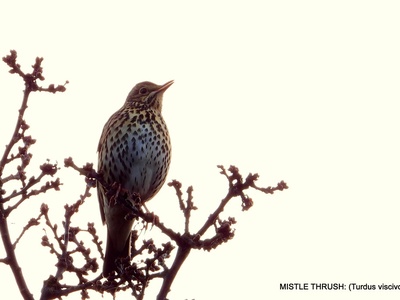
Mistle Thrush
Large spotted thrush with upright posture and loud, far-carrying song; often seen in parks, orchards and open woodland. Eats berries and can persist in parks during winter.
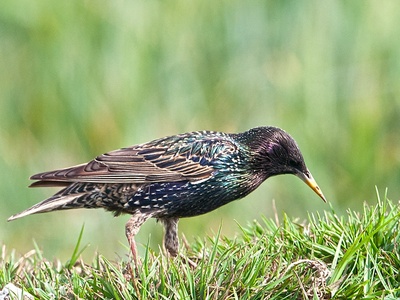
Common Starling
Glossy black bird with speckles in winter; forms huge roosts and starling murmurations. Common in towns, farmland and coastal areas. Omnivorous and adaptable; numbers have declined but still widespread.
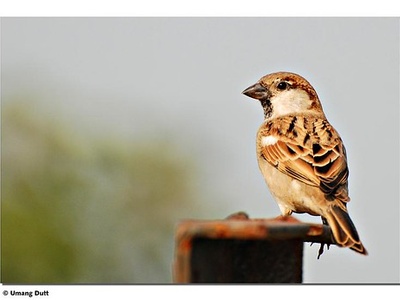
House Sparrow
Small, stocky bird with grey head and brown streaked back (male more distinctive); common in towns, villages and farmland. Nests in buildings and feeds on seeds and scraps. Associated with human settlements.