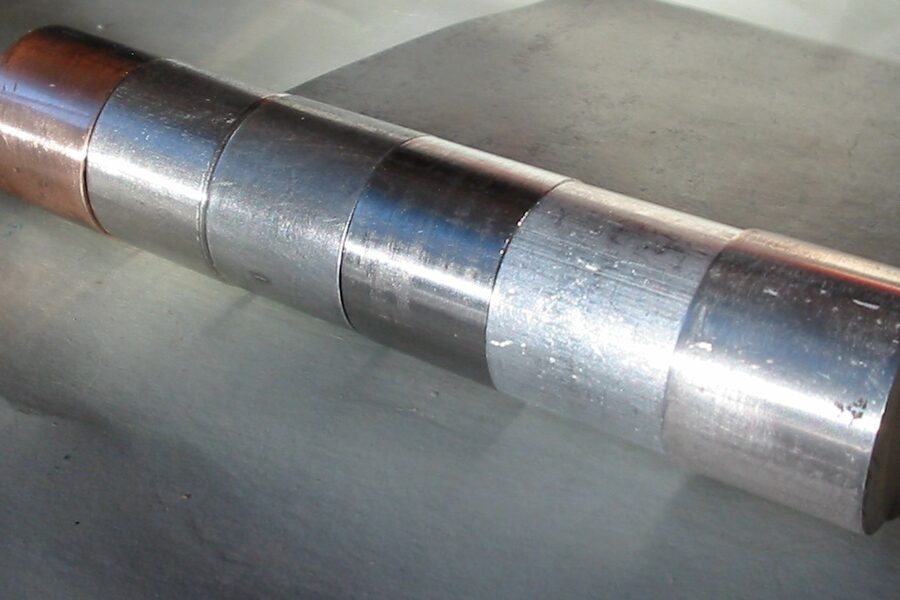
Whether you’re piecing together a vintage watch, designing a lightweight drone, or choosing a metal for a kitchen pan, alloys shape performance in everyday and high-tech products. A quick grasp of common alloys makes it easier to compare strength, corrosion resistance, weight, and cost when a choice matters.
There are 20 Examples of Alloys, ranging from 18K gold to Ti-6Al-4V (Titanium alloy). For each entry you’ll see Composition (%),Key properties,Common uses — concise data and context you’ll find below.
How do I pick the right alloy for my application?
Start by prioritizing the most important properties (strength, corrosion resistance, weight, conductivity) and check the Composition (%),Key properties,Common uses for each alloy. Match the material to the operating environment, factor in cost and manufacturability, and when in doubt choose a commonly used alloy with established supplier data and testing history.
What causes two alloys with similar names to perform differently?
Differences often come from composition tweaks, heat treatment, and manufacturing processes that change microstructure and properties. Even small additions of carbon, nitrogen or trace elements, or different tempering schedules, can shift strength, ductility, and corrosion behavior.
Examples of Alloys
| Name | Composition (%) | Key properties | Common uses |
|---|---|---|---|
| Mild steel | Fe 98-99%,C 0.05-0.25%,Mn 0.3-0.8% | Ductile, weldable, moderate strength, low corrosion resistance | Construction, automotive, structural frames, pipes |
| Stainless steel 304 | Fe 68-74%,Cr 18-20%,Ni 8-10%,C ≤0.08% | Good corrosion resistance, formable, hygienic, moderate strength | Kitchenware, food equipment, architectural, piping |
| Stainless steel 316 | Fe 62-70%,Cr 16-18%,Ni 10-14%,Mo 2-3% | Superior corrosion resistance, chloride resistant, durable | Marine fittings, chemical plants, medical devices, pumps |
| Gray cast iron | Fe 94-96%,C 2.5-4%,Si 1-3% | Good damping, compressive strength, wear resistance, brittle | Engine blocks, plumbing, machine bases, cookware |
| Brass (cartridge) | Cu 60-70%,Zn 30-40% | Good corrosion resistance, machinable, decorative, moderate strength | Plumbing, valves, musical instruments, fittings |
| Phosphor bronze | Cu 88-95%,Sn 5-10%,P 0.01-0.35% | Good fatigue resistance, wear, springiness, corrosion resistance | Bearings, springs, bushings, marine hardware |
| Aluminum 6061 | Al 95-98%,Mg 0.8-1.2%,Si 0.4-0.8% | Good strength-to-weight, weldable, corrosion resistant | Aerospace fittings, frames, bike frames, piping |
| Aluminum 7075 | Al 88-92%,Zn 5-6%,Mg 2-3%,Cu 1-2% | Very high strength, good fatigue resistance, less corrosion resistance | Aerospace fittings, high-strength components, sporting goods |
| Aluminum 2024 | Al 90-95%,Cu 3.8-4.9%,Mg 1.2-1.8% | High strength, good fatigue resistance, machinable | Aircraft structures, truck wheels, military components |
| Ti-6Al-4V (Titanium alloy) | Ti 88-90%,Al 5-6%,V 3-4% | Excellent strength-to-weight, corrosion resistant, biocompatible | Aerospace, medical implants, high-performance parts |
| Inconel 718 | Ni 50-55%,Cr 17-21%,Fe 18-21%,Nb 4-5% | High-temperature strength, corrosion and oxidation resistant | Aerospace turbines, rocket components, heat exchangers |
| Hastelloy C-276 | Ni 50-60%,Mo 15-17%,Cr 15-17%,Fe balance | Exceptional corrosion resistance in acids, high temp strength | Chemical processing, corrosive environments, heat exchangers |
| Monel 400 | Ni 60-67%,Cu 28-34%,Fe 2-3%,Mn ≤2% | Excellent corrosion resistance in seawater, strong and tough | Marine parts, chemical equipment, shafts, valves |
| Cupronickel 70/30 | Cu 70%,Ni 30% | Good seawater corrosion resistance, antimicrobial, ductile | Marine tubing, desalination, coinage, heat exchangers |
| High-speed steel M2 | Fe 82-86%,W 6-7%,Mo 5-6%,Cr 3-4%,C 0.8-1% | High hardness at elevated temps, wear resistant | Cutting tools, drills, taps, milling cutters |
| H13 tool steel | Fe 80-90%,Cr 4-6%,Mo 1-2%,V 1%,C 0.3-0.5% | Hot-hardness, thermal shock resistance, toughness | Hot-work dies, injection molds, forging tools |
| Hadfield (manganese) steel | Fe 98%,C 0.8-1.25%,Mn 11-14% | Very high impact strength, work-hardening, wear resistant | Railway crossings, rock crushers, mining equipment |
| Sn-Pb solder (60/40) | Sn 60%,Pb 40% | Low melting point, good wetting, electrically conductive | Electronics soldering (legacy), electrical joints, plumbing (historical) |
| Sterling silver | Ag 92.5%,Cu 7.5% | Good conductivity, ductile, tarnishes, decorative | Jewelry, flatware, musical instruments, coins |
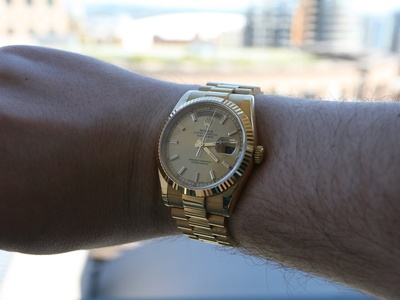
| 18K gold | Au 75%,Cu/Ag/Ni 25% (varies) | High corrosion resistance, malleable, polished finish | Jewelry, high-end watch cases, decorative items |
Images and Descriptions

Mild steel
Mild steel is a low-carbon iron alloy prized for ease of forming, welding and machining. It is inexpensive and commonly used for beams, car bodies, fasteners and general fabrication where extreme strength or corrosion resistance is not required.
Stainless steel 304
304 stainless is an austenitic stainless steel known for broad corrosion resistance and good formability. It’s widely used in sinks, appliances, food processing and architectural trim where cleanliness and rust resistance matter.
Stainless steel 316
316 stainless adds molybdenum for better resistance to chlorides and harsh chemicals, making it a go-to alloy for marine hardware, chemical processing, and medical implants where corrosion is critical.

Gray cast iron
Gray cast iron contains graphite flakes that give excellent vibration damping and machinability. It’s common in engine blocks, pump housings and heavy machine bases where rigidity and wear resistance are valued.
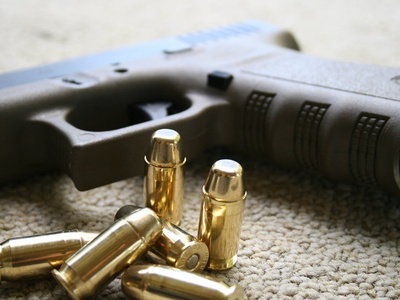
Brass (cartridge)
Cartridge brass (around 70/30 Cu/Zn) is easy to form and machine and resists corrosion; popular for plumbing fittings, decorative trim, and instruments thanks to its color and workability.
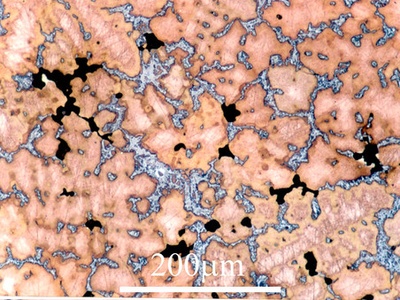
Phosphor bronze
Phosphor bronze is copper alloyed with tin and a touch of phosphorus to improve stiffness, wear resistance and spring properties; used in bearings, springs and marine components for durability and low friction.
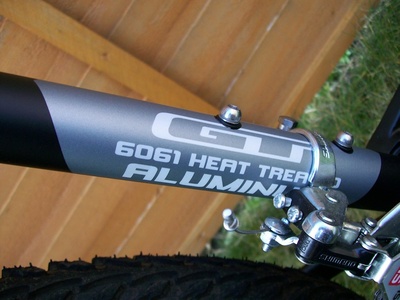
Aluminum 6061
6061 is a versatile heat-treatable aluminum alloy offering a strong combination of strength, corrosion resistance and weldability; commonly found in aircraft components, bicycle frames, structural tubing and consumer products.
Aluminum 7075
7075 is a high-strength aluminum alloy used where weight saving is critical, such as aircraft parts and high-performance sporting equipment; it offers near-structural-steel strength but is less corrosion resistant.
Aluminum 2024
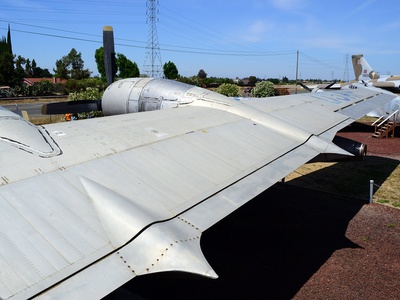
2024 aluminum is copper-rich and valued for its high strength and fatigue resistance, making it common in aircraft wings, structural components and other high-stress applications.
Ti-6Al-4V (Titanium alloy)
Ti-6Al-4V is the most widely used titanium alloy, prized for excellent strength-to-weight ratio and corrosion resistance; used in aircraft, surgical implants and racing parts where light weight and strength are crucial.
Inconel 718
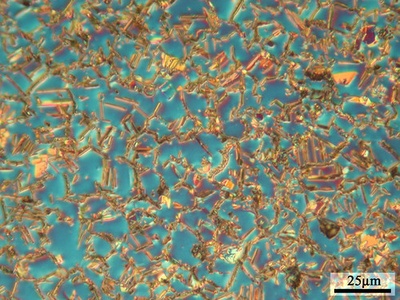
Inconel 718 is a nickel‑chromium superalloy strengthened by niobium and other elements to maintain strength at very high temperatures; commonly used in jet engines, gas turbines and space hardware.
Hastelloy C-276
Hastelloy C-276 is a nickel-molybdenum-chromium alloy designed to resist a wide range of chemical attack and pitting; used in chemical plants and pollution-control equipment.
Monel 400
Monel 400 is a nickel‑copper alloy noted for toughness and corrosion resistance in seawater and acidic conditions; used for marine hardware, pump shafts and chemical process components.
Cupronickel 70/30
Cupronickel alloys (often 70/30) resist biofouling and seawater corrosion, so they’re widely used in ship piping, condensers, and coinage where durability in saltwater is required.
High-speed steel M2
M2 high-speed steel retains hardness even when hot, making it ideal for cutting tools and drills that must withstand high temperatures and wear during machining.
H13 tool steel
H13 is a chromium-molybdenum hot-work tool steel designed for high-temperature strength and resistance to thermal shock, commonly used in die-casting, extrusion dies and hot forging tooling.
Hadfield (manganese) steel
Hadfield steel contains very high manganese for exceptional impact resistance and surface hardening under impact; it’s commonly used in wear-prone parts like rock crushers and rail components.
Sn-Pb solder (60/40)
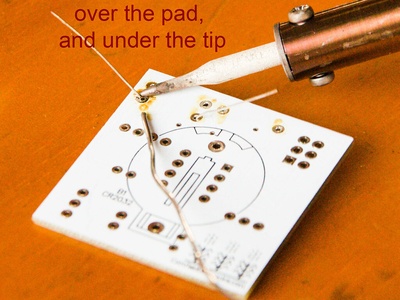
60/40 tin-lead solder has been a standard electronics alloy for easy, reliable joints due to its low melting point and good wetting; now largely replaced by lead-free solders in consumer electronics.
Sterling silver
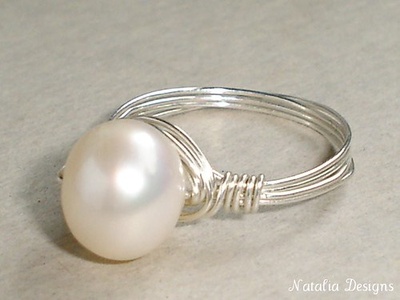
Sterling silver is 92.5% silver alloyed with copper for hardness and durability; prized for jewelry and tableware for its luster though it can tarnish and requires polishing.
18K gold
18 karat gold is 75% pure gold alloyed with other metals to increase strength and adjust color; commonly used in fine jewelry where a balance of purity and durability is desired.