Switzerland’s mix of high mountains, lakes and cultivated lowlands supports a diverse set of materials and outputs that matter to farmers, planners and businesses. Knowing what’s produced where — and in what quantities — makes it easier to compare regions and spot trends across agriculture, forestry, energy and mineral uses.
There are 15 Natural Resources of Switzerland, ranging from Agricultural land (arable & pasture) to Vineyards (grape production area). For each item I show Category,Main regions,Typical annual production/stock (unit) so you can quickly compare type, location and scale — you’ll find below.
Which resources are most important for Switzerland’s energy and raw materials?
Hydropower and sustainably managed forests are the main domestic contributors: hydropower supplies a large share of electricity, while timber supports local energy and industry. Minerals and fossil fuels are limited, so many industrial inputs and fuels are imported; check the Category and Main regions columns below to see where energy-related production is concentrated.
How should I use the table for research or regional planning?
Use the Category,Main regions,Typical annual production/stock (unit) layout to filter by resource type or province, compare production magnitudes, and combine with population or land-use data; for up-to-date planning, corroborate with cantonal statistics and national datasets referenced in the notes you’ll find below.
Natural Resources of Switzerland
| Resource | Category | Main regions | Typical annual production/stock (unit) |
|---|---|---|---|
| Freshwater (surface runoff) | Water/Energy | Alps, Plateau, major river basins (Rhine, Rhône, Ticino) | 60 km3/yr (approx) |
| Glaciers (ice mass/area) | Water/Energy | High Alps (Valais, Bernese Alps, Graubünden) | 1,200 km2 (area, approx) |
| Hydropower potential (renewable energy) | Water/Energy | Alpine reservoirs, major rivers and valleys | 35,000 GWh/yr (typical generation) |
| Groundwater | Water/Energy | Plateau aquifers, Jura, valley alluvia | 2.5 km3/yr (abstracted, approx) |
| Forests / Timber | Forest/Biomass | Alps, Plateau, Jura | 1,285,000 ha forest; 4,500,000 m3/yr roundwood (approx) |
| Agricultural land (arable & pasture) | Agriculture | Central Plateau, Valais, Ticino, Jura | 1,450,000 ha (total farmland) |
| Milk (dairy production) | Agriculture | Nationwide, especially Plateau and Alpine cantons | 3,400,000,000 L/yr (approx) |
| Cattle (livestock heads) | Agriculture | Alpine pastures, Plateau farms | 1,500,000 heads (approx) |
| Vineyards (grape production area) | Agriculture | Valais, Vaud, Geneva, Ticino, Neuchâtel | 14,000 ha (vineyard area, approx) |
| Sand & Gravel (aggregates) | Construction materials | River valleys, Plateau, lakeshores | 40,000,000 tonnes/yr (approx) |
| Limestone & Dolomite (stone, cement raw material) | Construction materials | Jura, Alpine quarries, Plateau | 8,000,000 tonnes/yr (approx) |
| Rock Salt & Brine | Minerals | Bex (Valais), Basel region, underground deposits | 600,000 tonnes/yr (approx) |
| Peat (restricted extraction) | Construction materials / Biomass | Jura and Plateau bogs and wetlands | 50,000 tonnes/yr (restricted, approx) |
| Freshwater fish & aquaculture | Biodiversity | Lakes (Geneva, Neuchâtel, Constance), rivers | 1,500 tonnes/yr (catch and aquaculture, approx) |
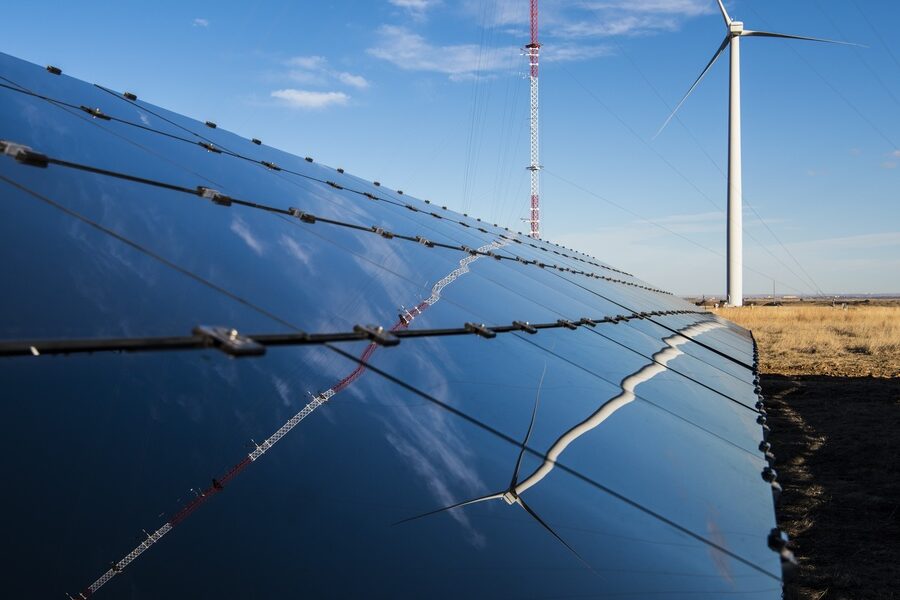
| Solar energy potential (PV & thermal) | Water/Energy | Nationwide rooftops and plateaus | 20,000 GWh/yr (technical potential, approx) |
Images and Descriptions
Freshwater (surface runoff)
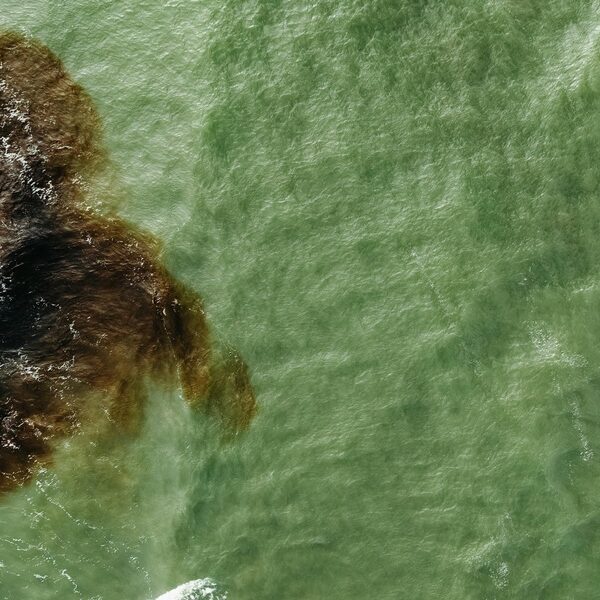
Fresh surface water from rivers and lakes supplies drinking water, irrigation and industry. Switzerland is a European “water tower”; abundant runoff fuels rivers and hydro storage but varies seasonally and with shrinkage of glaciers.
Glaciers (ice mass/area)
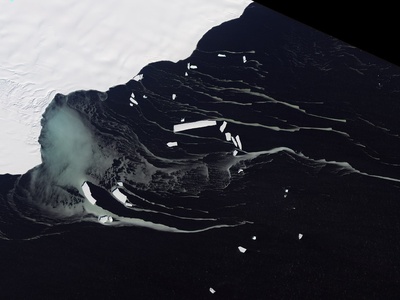
Alpine glaciers store freshwater and shape landscapes. They feed summer river flows and reservoirs; rapid retreat under warming reduces long‑term water storage and affects tourism, hydrology and hydroelectric reliability.

Hydropower potential (renewable energy)
Mountain runoff and storage provide Switzerland’s main renewable electricity source. Hydropower supplies a large share of domestic electricity and seasonal storage, crucial for balancing intermittent renewables and cross‑border energy trade.
Groundwater
Groundwater is vital for drinking water and industry across Switzerland. Aquifers under the Plateau and valleys supply towns and farms; protection from contamination and sustainable recharge are key concerns.
Forests / Timber
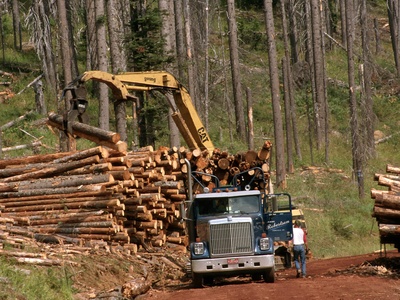
Swiss forests cover about a third of the country, providing timber, recreation and carbon sequestration. Sustainable harvesting supports local wood industries while forests protect slopes from erosion and avalanches.
Agricultural land (arable & pasture)
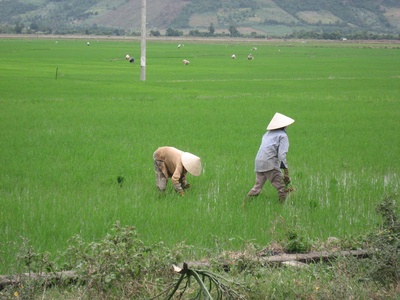
Productive valleys and plateaus supply fodder, crops and forage. Agricultural land sustains food production, preserves cultural landscapes and supports mountain farming, but faces pressure from urbanisation and biodiversity loss.
Milk (dairy production)
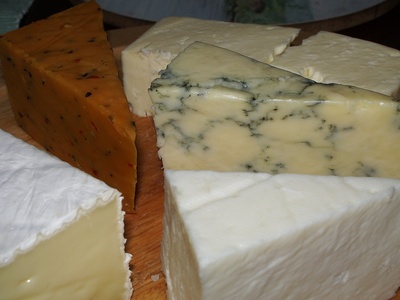
Milk is a cornerstone of Swiss agriculture, underpinning cheese and dairy industries. Mountain dairy farming maintains alpine pastures and cultural traditions, while contributing substantially to rural incomes.
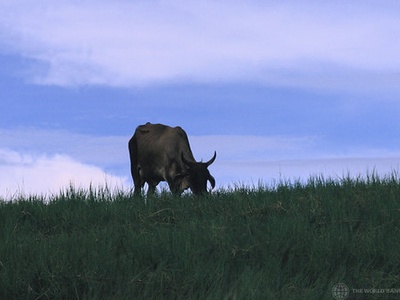
Cattle (livestock heads)
Cattle farming provides meat and milk and shapes Switzerland’s pastoral landscapes. Large numbers of kept cattle support local food systems, agro‑biodiversity and alpine grazing but generate greenhouse gas and land‑use pressures.
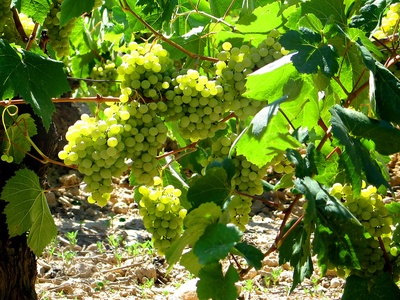
Vineyards (grape production area)
Vineyards on sunny slopes produce Swiss wines important for regional identity and tourism. Vine cultivation is concentrated in Valais and Vaud and supports rural economies despite limited export volumes.
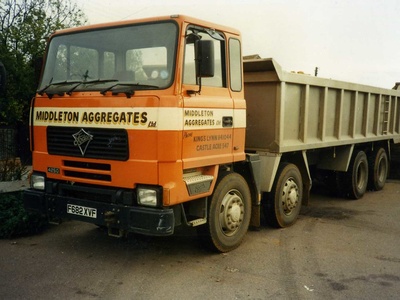
Sand & Gravel (aggregates)
Locally extracted sand and gravel feed Switzerland’s construction sector for roads, concrete and building. Aggregate mining is widespread in river valleys and lakeshores and poses habitat, landscape and groundwater conflicts.
Limestone & Dolomite (stone, cement raw material)
Carbonate rocks are quarried for building stone, crushed aggregate and cement. Regional quarries supply construction and industry but require careful restoration and dust and visual impact management.
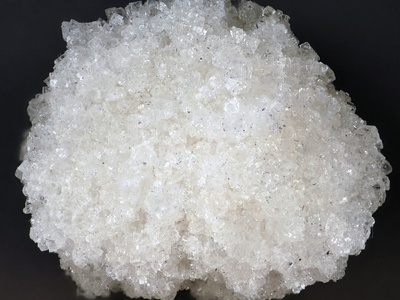
Rock Salt & Brine
Salt is produced from mines and brines for road de‑icing, food and chemical uses. Swiss deposits are limited but strategically important; extraction sites like Bex have long local histories.
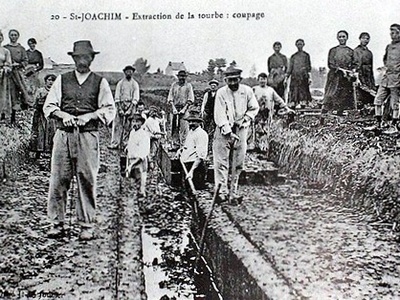
Peat (restricted extraction)
Peatlands contain accumulated organic matter historically used as fuel and substrate. Extraction is now heavily restricted due to carbon storage and biodiversity value, with limited commercial activity remaining.
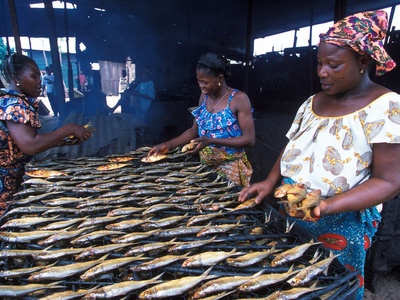
Freshwater fish & aquaculture
Lake and river fisheries plus aquaculture provide local fish (trout, whitefish), support tourism and local diets. Sustainable management balances stocking, water quality and habitat protection.
Solar energy potential (PV & thermal)
Solar radiation on roofs and slopes is an expanding renewable resource. Rooftop PV installations are booming, reducing fossil use and complementing hydro storage, while technical potential far exceeds current generation.