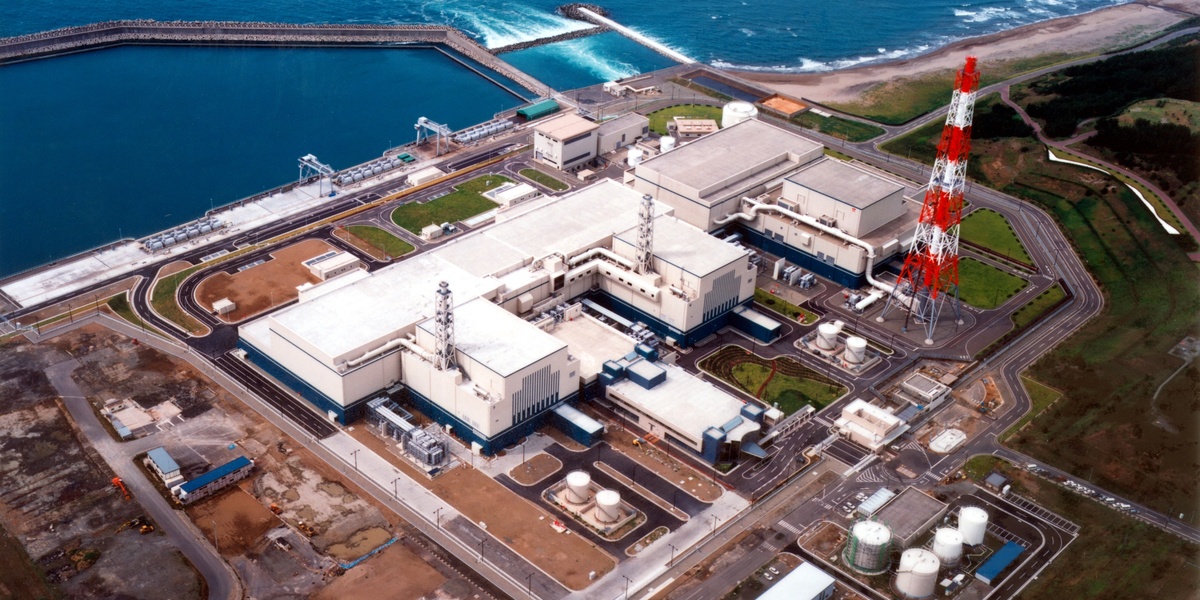
Japan’s energy picture has been shaped by a mix of imported fuels, renewables, and a long-running conversation about nuclear power — its role in meeting demand, regional supply, and safety after major incidents. Coastal sites and inland facilities alike reflect that balance and the regulatory checks that guide operations today.
There are 18 Nuclear power plants in Japan, ranging from Fukushima Daiichi to Tsuruga. For each plant, you’ll find its Prefecture, Operator and Status, all shown in the table you’ll find below.
Are all 18 plants currently operating?
No — the list includes operating, suspended, and decommissioned sites; many reactors were taken offline after 2011 and only some have been restarted following inspections and regulatory approval. Check the Status column below for each plant’s current condition and whether it has resumed power generation.
How current is the information and where does it come from?
The entries reflect publicly reported operator and regulatory updates, but statuses can change with inspections, maintenance, or policy shifts; for the latest details, consult operator announcements and the Japan Nuclear Regulation Authority and refer to the sources linked with each plant in the list below.
Nuclear Power Plants in Japan
| Name | Prefecture | Operator | Status |
|---|---|---|---|
| Kashiwazaki-Kariwa | Niigata | TEPCO | Suspended |
| Fukushima Daiichi | Fukushima | TEPCO | Decommissioned |
| Fukushima Daini | Fukushima | TEPCO | Suspended |
| Onagawa | Miyagi | Tohoku Electric | Suspended |
| Higashidori | Aomori | Tohoku Electric | Suspended |
| Oma | Aomori | J-Power | Under construction |
| Tokai | Ibaraki | Japan Atomic Power Company | Decommissioned |
| Tsuruga | Fukui | Japan Atomic Power Company | Suspended |
| Mihama | Fukui | Kansai Electric | Suspended |
| Ohi | Fukui | Kansai Electric | Suspended |
| Takahama | Fukui | Kansai Electric | Suspended |
| Shika | Ishikawa | Hokuriku Electric | Suspended |
| Shimane | Shimane | Chugoku Electric | Suspended |
| Hamaoka | Shizuoka | Chubu Electric | Suspended |
| Tomari | Hokkaido | Hokkaido Electric | Suspended |
| Genkai | Saga | Kyushu Electric | Suspended |
| Sendai | Kagoshima | Kyushu Electric | Operating |
| Ikata | Ehime | Shikoku Electric | Suspended |
Images and Descriptions
Kashiwazaki-Kariwa
Seven reactors at this Niigata coast site made it Japan’s largest nuclear plant by capacity. Operated by TEPCO, all units have been offline since 2011, undergoing safety reviews and seismic upgrades amid lengthy restart debates and local opposition.
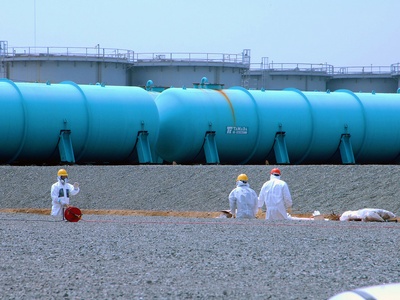
Fukushima Daiichi
Site of the 2011 triple meltdowns that reshaped Japan’s nuclear policy. Six reactors were damaged; cleanup and decommissioning are ongoing under TEPCO, a decades-long effort with complex waste management and community impacts still dominating headlines and policy decisions.
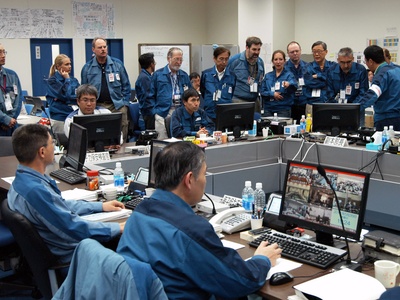
Fukushima Daini
Smaller neighbor to Daiichi, Daini had four reactors and escaped catastrophic meltdown in 2011. Operated by TEPCO, its units have been offline since the disaster; the site faces long-term decisions about restarts, cleanup and local community recovery.

Onagawa
Onagawa, run by Tohoku Electric, is notable for surviving the 2011 tsunami with less damage than many plants. The site has three reactors; reactors remain offline as regulators and operators implement stricter seismic and safety measures before any restart.
Higashidori
Built on Japan’s northern tip, Higashidori hosts a large ABWR unit and was completed pre-2011. Operated by Tohoku Electric, the site has faced seismic scrutiny and its single reactor remains offline pending safety approvals and local consent for operation.
Oma
Oma, on Aomori’s Shimokita Peninsula, was planned to host a large modern reactor with a unique ability to use mixed-oxide fuel. Long-delayed and controversial, construction status has stalled for years amid cost, safety and local consent challenges.
Tokai
The Tokai site in Ibaraki hosted Japan’s first commercial reactor and later Tokai Daini. Operated historically by JAPC, older units have been retired and the site is a focal point for early nuclear history and careful decommissioning planning.
Tsuruga
Tsuruga in Fukui hosts multiple commercial reactors and has been in the spotlight for seismic concerns. Operated by Japan Atomic Power Company, reactors there are mostly offline while safety checks, legal challenges and local debates continue.
Mihama
Mihama sits on Wakasa Bay and historically operated older reactors for Kansai Electric. The site is known for past safety incidents and unit retirements; remaining reactors have been offline amid post-Fukushima safety upgrades and regulatory reviews.
Ohi
Ohi in Fukui is a major Kansai Electric site once key to regional power. After 2011 its reactors were shut for safety checks; the plant has seen fluctuating restart attempts and strong local political debate over nuclear policy.
Takahama
Takahama in Fukui, run by Kansai Electric, has multiple reactors that have seen legal battles and periodic restarts. The site illustrates Japan’s contentious restart process, with units offline, cleared, then sometimes halted again by court rulings or safety reassessments.

Shika
Shika in Ishikawa is a two-unit site operated by Hokuriku Electric. It has faced long regulatory reviews and safety upgrades since 2011; local concerns and seismic assessments have kept its reactors offline while operators seek approval for any restart.
Shimane
Shimane plant on the Japan Sea coast is operated by Chugoku Electric and includes multiple reactors. The site is noted for long shutdowns, safety retrofits and slow efforts to return units to service amid regulatory hurdles and local scrutiny.
Hamaoka
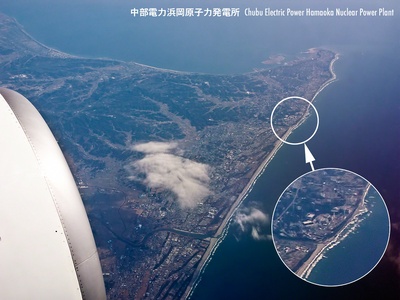
Hamaoka in Shizuoka, run by Chubu Electric, is famous for its location above a high-risk seismic zone. Authorities ordered extended shutdowns after 2011; the site remains offline while seismic countermeasures and public acceptance are addressed.
Tomari
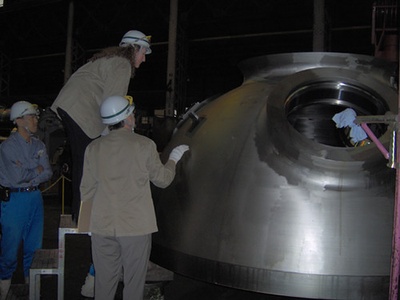
Tomari, Hokkaido’s only commercial plant, is operated by Hokkaido Electric. Its three reactors were all offline after 2011; the site is central to Hokkaido’s energy discussions and faces long-term safety checks before any potential restart.
Genkai
Genkai in Saga Prefecture, run by Kyushu Electric, had several reactors important for regional supply. After 2011 many units were shut and some later retired; the site remains a focus of restart debates and local political battles.
Sendai
Sendai in Kagoshima, operated by Kyushu Electric, was among the first sites with reactors restarted under new safety rules. Units returned to service in the mid-2010s and have provided power amid ongoing safety oversight and periodic inspections.
Ikata
Ikata on Shikoku Island, run by Shikoku Electric, had three units with Unit 3 restarted previously. The site remains central to local energy debates; some reactors have been retired while others face lengthy safety checks and legal processes.