Whether you’re flipping through a reference for a lab, prepping notes for class, or checking compounds for an industrial project, a compact, organized list makes it easy to compare chemicals at a glance. This collection brings that quick-reference approach to common hydrocarbon compounds and their basic properties.
There are 64 Examples of Hydrocarbons, ranging from 1,3-Butadiene to p-Xylene. For each entry you’ll find below Formula,Class,State (20°C) so you can see chemical composition, the structural class, and the physical state at room temperature—you’ll find below.
Which hydrocarbon classes are included and how broad is the selection?
The list covers major classes—alkanes, alkenes, alkynes, dienes, aromatics and cycloalkanes—so you get simple saturated chains up through substituted aromatics; examples like 1,3-Butadiene (a diene) and p-Xylene (an aromatic) illustrate that range.
How should I use the Formula, Class, and State (20°C) columns when comparing compounds?
Read the Formula to confirm elemental composition, use Class to understand bonding and reactivity trends, and check State (20°C) to know if a compound is a gas, liquid or solid at room temperature—useful for storage, handling, or selecting solvents and reactants.
Examples of Hydrocarbons
| Name | Formula | Class | State (20°C) |
|---|---|---|---|
| Methane | CH4 | Alkane | gas |
| Ethane | C2H6 | Alkane | gas |
| Propane | C3H8 | Alkane | gas |
| Isobutane | C4H10 | Alkane (branched) | gas |
| n-Butane | C4H10 | Alkane | gas |
| Pentane | C5H12 | Alkane | liquid |
| Hexane | C6H14 | Alkane | liquid |
| Heptane | C7H16 | Alkane | liquid |
| Octane | C8H18 | Alkane | liquid |
| Nonane | C9H20 | Alkane | liquid |
| Decane | C10H22 | Alkane | liquid |
| Undecane | C11H24 | Alkane | liquid |
| Dodecane | C12H26 | Alkane | liquid |
| Tridecane | C13H28 | Alkane | liquid |
| Tetradecane | C14H30 | Alkane | liquid |
| Pentadecane | C15H32 | Alkane | liquid |
| Hexadecane | C16H34 | Alkane | liquid |
| Heptadecane | C17H36 | Alkane | liquid |
| Octadecane | C18H38 | Alkane | solid |
| Nonadecane | C19H40 | Alkane | solid |
| Eicosane | C20H42 | Alkane | solid |
| Ethene (ethylene) | C2H4 | Alkene | gas |
| Propene (propylene) | C3H6 | Alkene | gas |
| 1-Butene | C4H8 | Alkene | gas |
| 1-Hexene | C6H12 | Alkene | liquid |
| 1,3-Butadiene | C4H6 | Diene (Alkene) | gas |
| Isoprene | C5H8 | Diene (Alkene) | liquid |
| Ethyne (acetylene) | C2H2 | Alkyne | gas |
| Propyne | C3H4 | Alkyne | gas |
| 1-Butyne | C4H6 | Alkyne | gas |
| Cyclopropane | C3H6 | Cycloalkane | gas |
| Cyclobutane | C4H8 | Cycloalkane | gas |
| Cyclopentane | C5H10 | Cycloalkane | liquid |
| Cyclohexane | C6H12 | Cycloalkane | liquid |
| Cyclohexene | C6H10 | Cycloalkene | liquid |
| Benzene | C6H6 | Aromatic | liquid |
| Toluene | C7H8 | Aromatic | liquid |
| p-Xylene | C8H10 | Aromatic | liquid |
| Styrene | C8H8 | Aromatic (vinyl) | liquid |
| Naphthalene | C10H8 | Polycyclic Aromatic | solid |
| Anthracene | C14H10 | Polycyclic Aromatic | solid |
| Phenanthrene | C14H10 | Polycyclic Aromatic | solid |
| Pyrene | C16H10 | Polycyclic Aromatic | solid |
| Benzo[a]pyrene | C20H12 | Polycyclic Aromatic | solid |
| Decalin (decahydronaphthalene) | C10H18 | Polycyclic Cycloalkane | liquid |
| Natural Gas | Mainly CH4 | Petroleum fraction | gas |
| LPG (liquefied petroleum gas) | Primarily C3H8/C4H10 | Petroleum fraction | liquid (stored) |
| Gasoline (petrol) | Mixture (C4–C12) | Petroleum fraction | liquid |
| Naphtha | Mixture (C5–C10) | Petroleum fraction | liquid |
| Kerosene (paraffin) | Mixture (C10–C16) | Petroleum fraction | liquid |
| Diesel | Mixture (C10–C20) | Petroleum fraction | liquid |
| Fuel Oil | Mixture (C15+) | Petroleum fraction | liquid |
| Lubricating Oil | Mixture (C20–C50) | Petroleum fraction | liquid |
| Paraffin Wax | Mixture (C20–C40) | Petroleum fraction | solid |
| Asphalt (bitumen) | Complex high-molecular hydrocarbons | Petroleum fraction | solid/semisolid |
| Isoparaffins (example: isooctane) | C8H18 | Alkane (branched) | liquid |
| Phenylacetylene | C8H6 | Aromatic Alkyne | liquid |
| Tetracene | C18H12 | Polycyclic Aromatic | solid |
| Pentacene | C22H14 | Polycyclic Aromatic | solid |
| Squalene | C30H50 | Triterpene Hydrocarbon | liquid |
| Isopentane | C5H12 | Alkane | liquid |
| Cumene (isopropylbenzene) | C9H12 | Aromatic (substituted) | liquid |
| Pentylbenzene | C11H16 | Aromatic (substituted) | liquid |
| Benzo[a]anthracene | C18H12 | Polycyclic Aromatic | solid |
Images and Descriptions

Methane
Simplest alkane and primary component of natural gas. Produced biologically and from fossil gas fields; used for heating, electricity and as a chemical feedstock. Colorless, odorless, highly flammable gas; can cause asphyxia and is a potent greenhouse gas.
Ethane
Two-carbon alkane found in natural gas and as a product of petroleum refining. Used mainly as a petrochemical feedstock to make ethylene. Colorless, odorless gas; flammable and can displace oxygen in confined spaces.
Propane
Three-carbon alkane commonly sold as LPG and used for heating, cooking, and as a fuel for engines and camping equipment. Stored as a liquefied gas under pressure; highly flammable and can cause frostbite if released under pressure.
Isobutane
Branched C4 alkane used in refrigerants, LPG blends and as a petrochemical feedstock. Found in natural gas liquids and refinery streams. Colorless flammable gas; can displace oxygen and poses explosion risk in confined areas.
n-Butane
Straight-chain C4 alkane used as a fuel, aerosol propellant and petrochemical feedstock. Present in LPG and gasoline blends. Colorless, flammable gas at ambient conditions; stored under pressure as a liquid.
Pentane
Five-carbon alkane used as a laboratory solvent, blowing agent in foam production and component of gasoline. Volatile and flammable liquid with a sweet odor; inhalation and fire hazards require ventilation and ignition control.
Hexane
Common straight-chain alkane used as an industrial solvent, especially in extraction and cleaning operations, and present in gasoline. Volatile, flammable liquid; chronic exposure can cause nervous system effects and requires careful handling.
Heptane
Seven-carbon alkane used as a solvent and research standard for octane rating comparisons. Found in petroleum fractions. Flammable liquid; inhalation and fire precautions recommended.
Octane
Eight-carbon alkane often referenced in fuel octane ratings; present in gasoline. Liquid hydrocarbon used as a feedstock and standard. Flammable and volatile; proper storage and ventilation advised.
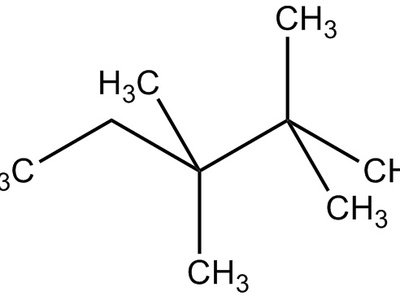
Nonane
Nine-carbon straight-chain alkane found in diesel and kerosene fractions. Used in solvent blends and fuel research. Flammable liquid with low volatility relative to lighter alkanes; handle to avoid skin exposure and ignition sources.
Decane
Ten-carbon alkane present in kerosene and diesel fractions and used as an industrial solvent and calibration standard. Flammable liquid; heavier than gasoline components and can cause skin irritation on prolonged contact.
Undecane
Eleven-carbon straight alkane found in heavier petroleum cuts and some specialty solvents. Low-volatility flammable liquid; handle with care to prevent skin contact and fire hazards.
Dodecane
Twelve-carbon alkane used as a solvent, calibration fluid and component of diesel-range hydrocarbons. Flammable, low-volatility liquid; avoid open flames and prolonged skin exposure.
Tridecane
Thirteen-carbon alkane common in diesel and fuel oils, occasionally used in research solvents. Flammable liquid with low volatility; proper ventilation and fire precautions required.
Tetradecane
Fourteen-carbon alkane present in fuel oils and lubricating base stocks. Low-volatility, flammable liquid; prolonged skin contact should be minimized and ignition sources avoided.
Pentadecane
Fifteen-carbon alkane occurring in heavier fuel fractions and wax precursors. Flammable, low-volatility liquid; typical industrial controls for oils should be used.
Hexadecane
Sixteen-carbon alkane found in diesel, lubricants and wax mixtures. Low-volatility flammable liquid; handle to prevent spills and contact and avoid ignition sources.
Heptadecane
Seventeen-carbon alkane present in fuel and wax mixtures, used in lubrication and research. Flammable, viscous liquid; standard industrial oil-handling precautions advised.
Octadecane
Eighteen-carbon straight alkane which is a component of paraffin waxes; solid at room temperature. Used in candles, polishes and wax products. Combustible solid; avoid ingestion and prolonged skin contact.
Nonadecane
Nineteen-carbon alkane found in higher paraffin wax fractions and heavy oil blends. Solid at room temperature; combustible and requires safe storage away from heat.
Eicosane
Twenty-carbon alkane common in paraffin waxes and lubricating blends. Solid hydrocarbon used indirectly in wax-based products. Combustible solid; avoid flame and prolonged contact.
Ethene (ethylene)
Simplest alkene and major petrochemical feedstock produced by steam cracking of hydrocarbons. Used to make plastics, solvents and chemicals. Colorless flammable gas that forms explosive mixtures; effective asphyxiant in enclosed spaces.
Propene (propylene)
Three-carbon alkene used as a building block for polypropylene, propylene oxide and other chemicals. Produced by steam cracking and refining. Colorless, flammable gas; requires leak control and ventilation.
1-Butene
Linear C4 alkene used in polymer production and as an intermediate in chemical manufacturing. Present in olefin streams. Flammable gas; handle under controlled conditions to avoid ignition and exposure.
1-Hexene
Six-carbon alpha-olefin often used as a comonomer in polyethylene production and as a chemical intermediate. Liquid at ambient conditions; flammable and requires proper storage and ventilation.
1,3-Butadiene
Conjugated diene used to make synthetic rubbers and elastomers. Produced industrially from naphtha or steam cracking. Colorless flammable gas; toxic and carcinogenic with chronic exposure risks, requiring strict controls.
Isoprene
Five-carbon diene used to produce synthetic rubber (polyisoprene) and found in natural emissions. Volatile, flammable liquid; inhalation and skin contact precautions needed.
Ethyne (acetylene)
Small alkyne used in welding torches and as a precursor in organic synthesis. Stored as a dissolved gas under pressure; highly flammable and explosive under certain conditions, handled with strict safety measures.
Propyne
Three-carbon alkyne used as a chemical intermediate and sometimes as a fuel gas. Colorless, flammable gas; handled with care due to flammability and potential for explosive mixtures.
1-Butyne
Linear four-carbon alkyne used in organic synthesis and specialty chemical production. Flammable gas; requires ventilation and ignition source control.
Cyclopropane
Three-membered ring cycloalkane formerly used as a general anesthetic and as a specialty gas. Highly strained, flammable gas that can be explosive under certain conditions; not commonly used clinically today.
Cyclobutane
Four-membered cycloalkane encountered in research and some petroleum fractions. Gas at ambient temperature and a flammable hydrocarbon; handle under standard gas safety protocols.
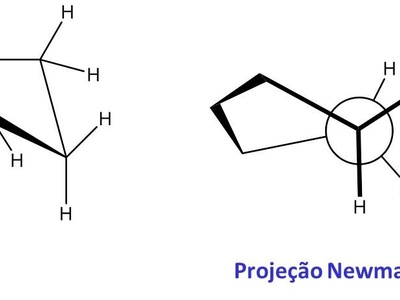
Cyclopentane
Five-membered cycloalkane used as a blowing agent for insulating foams and found in petroleum streams. Flammable liquid with low toxicity; avoid ignition sources and ensure ventilation.
Cyclohexane
Six-membered cycloalkane widely used as a nonpolar solvent in nylon production and chemical synthesis. Volatile, flammable liquid; moderate health hazards on inhalation and skin contact.
Cyclohexene
Unsaturated six-member ring used as a solvent and chemical intermediate. Liquid at room temperature; flammable and can be irritating to skin and eyes.
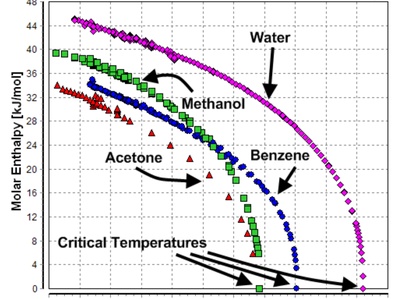
Benzene
Classic aromatic hydrocarbon from petroleum refining and a key industrial solvent and feedstock for plastics and chemicals. Colorless, flammable liquid; known human carcinogen with strict exposure limits and handling rules.
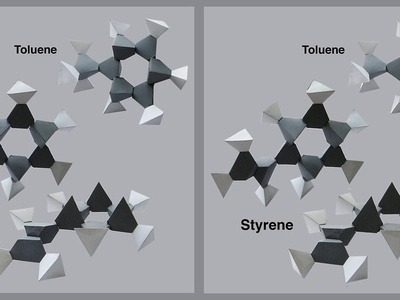
Toluene
Methyl-substituted benzene commonly used as an industrial solvent and in fuel blends. Volatile, flammable liquid; neurotoxic effects at high exposures and flammability risks require controls.
p-Xylene
An isomer of dimethylbenzene used as a feedstock for terephthalic acid and PET production. Present in mixed xylenes from refining. Flammable liquid; inhalation and fire precautions recommended.
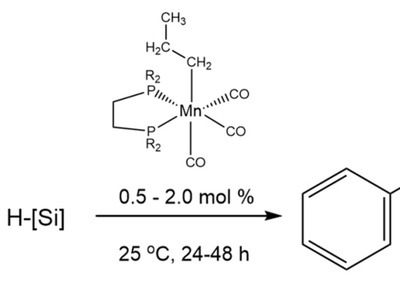
Styrene
Vinyl-substituted benzene used to produce polystyrene and other polymers. Produced industrially from ethylbenzene. Volatile, flammable liquid; suspected carcinogen and skin/respiratory irritant requiring exposure controls.
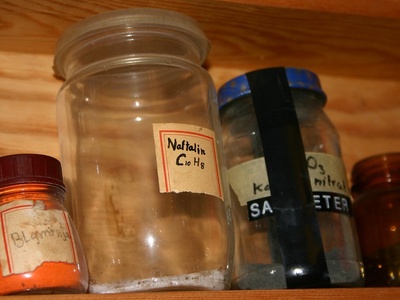
Naphthalene
Two-ring aromatic solid found in coal tar and crude oil; used historically in mothballs and chemical manufacture. Solid with a distinct odor; flammable and possible chronic health risks on exposure.
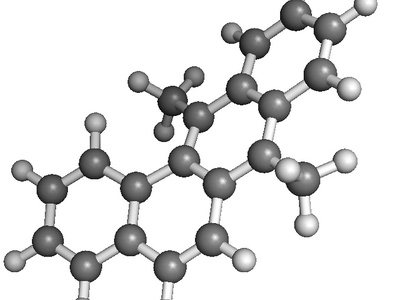
Anthracene
Three-ring linear aromatic hydrocarbon used in dyes, scintillators and organic semiconductors. Solid at room temperature; combustible and can be an irritant with prolonged exposure.
Phenanthrene
Three-ring angular aromatic hydrocarbon present in coal tar and combustion products. Used in research and organic synthesis. Solid and combustible; some PAHs carry health concerns with chronic exposure.
Pyrene
Four-ring aromatic hydrocarbon found in coal tar, combustion soot and petroleum residues. Used in fluorescence studies and materials research. Solid, combustible and often monitored due to environmental persistence and toxicity concerns.
![Benzo[a]pyrene](https://33science.com/wp-content/uploads/2026/02/benzo-a-pyrene.jpg)
Benzo[a]pyrene
Five-ring polycyclic aromatic hydrocarbon produced by incomplete combustion of organic matter; a well-known environmental pollutant and carcinogen. Solid and highly hazardous; exposure should be minimized and controlled.
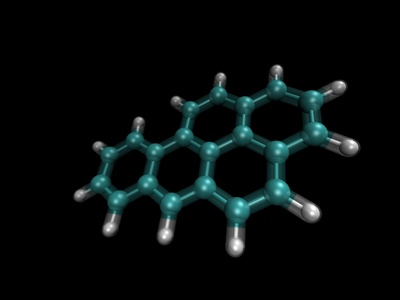
Decalin (decahydronaphthalene)
Saturated bicyclic hydrocarbon used as a solvent and in lubricants and chemical synthesis. Liquid at ambient conditions; flammable with typical hydrocarbon handling precautions.
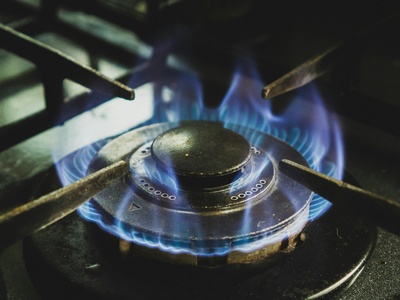
Natural Gas
Fossil fuel mixture dominated by methane with ethane and other light hydrocarbons; used for heating, electricity and as feedstock. Highly flammable, explosive in air mixtures and a major greenhouse gas when released.
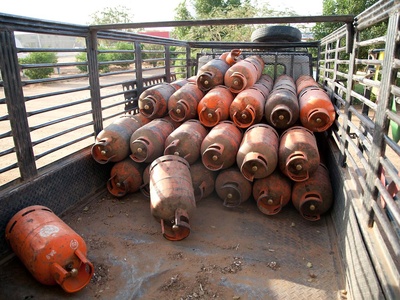
LPG (liquefied petroleum gas)
Mixture of propane and butane used for cooking, heating and fuel in portable applications. Stored as a pressurized liquid; highly flammable and requires pressure vessel safety and leak detection.
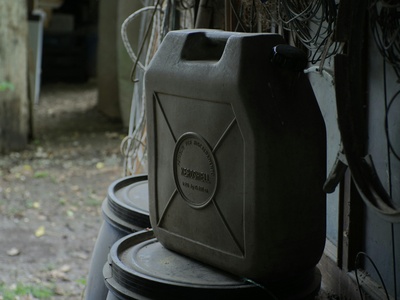
Gasoline (petrol)
Complex blend of volatile hydrocarbons used as vehicle fuel. Composition varies by source and season. Flammable, volatile and toxic in concentrated exposures; vapors form explosive mixtures with air.
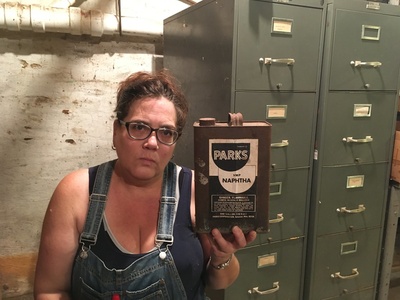
Naphtha
Light petroleum fraction used as a solvent, feedstock for petrochemicals and in industrial processes. Highly flammable and volatile; inhalation and fire risks require engineering controls.
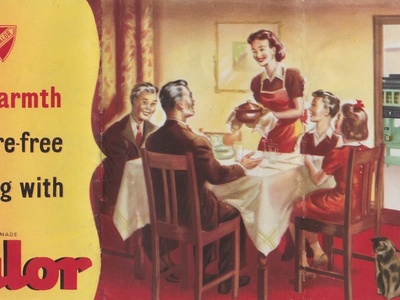
Kerosene (paraffin)
Medium-boiling fraction used as jet fuel and heating fuel. Less volatile than gasoline but still flammable; handling precautions and spill controls are necessary.
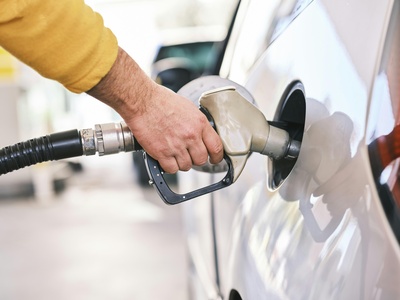
Diesel
Heavier distillate used in compression-ignition engines and heating. Less volatile but combustible; diesel exhaust is an air pollutant and spills can harm the environment.
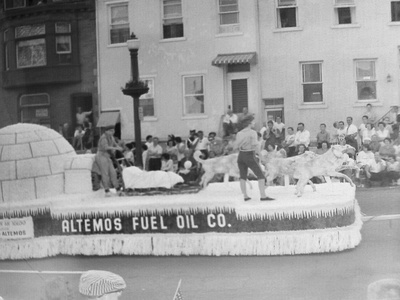
Fuel Oil
Heavier petroleum fraction used for power generation and heating. Viscous and combustible; requires careful storage, handling and spill containment to prevent environmental damage.
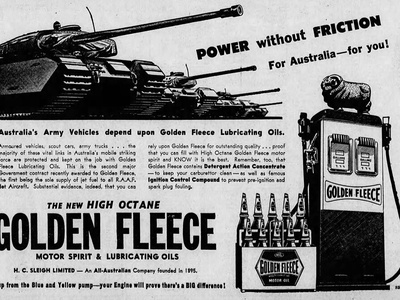
Lubricating Oil
High-boiling hydrocarbon blends formulated for lubrication of engines and machinery. Low volatility, combustible; used oil contains contaminants so disposal and handling require regulation.
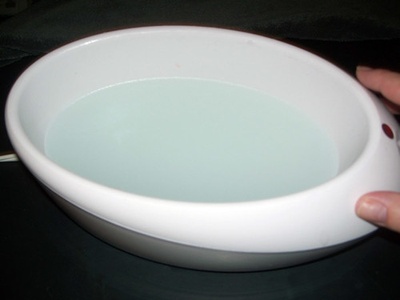
Paraffin Wax
Solid mixture of long-chain alkanes used in candles, coatings and polishes. Melting solid wax is combustible; dust and molten wax can cause hazards, and waste oils require proper disposal.
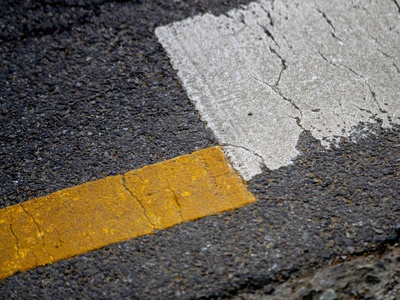
Asphalt (bitumen)
Thick, black mixture of heavy hydrocarbons used in paving and roofing. Solid or viscous at ambient temperatures; hot bitumen is thermally hazardous and fumes can be irritating.
Isoparaffins (example: isooctane)
Branched alkane isomers like isooctane are important fuel components and octane rating standards. Liquid, flammable hydrocarbons; used in fuel blending and testing with typical handling precautions.
Phenylacetylene
Aromatic alkyne combining a phenyl ring and an acetylene unit; used in organic synthesis and specialty chemistry. Flammable liquid with reactive triple bond; handle under inert conditions to avoid uncontrolled reactions.
Tetracene
Linear four-ring aromatic hydrocarbon used in organic electronics research as a semiconductor material. Solid and combustible; many PAHs require careful handling due to potential toxic effects.
Pentacene
Five-ring linear aromatic used in organic electronic materials and research. Solid hydrocarbon with notable semiconducting properties; combustible and handled under controlled lab conditions.
Squalene
Natural polyunsaturated hydrocarbon found in plants and animals, used in cosmetics and research. Liquid at room temperature; while a hydrocarbon it is biologically derived and flammable; avoid open flame.
Isopentane
Branched five-carbon alkane used as a low-boiling solvent and refrigerant component in research. Highly volatile and flammable; handle with ventilation and ignition control.
Cumene (isopropylbenzene)
Aromatic hydrocarbon produced from benzene and propylene used in phenol and acetone production. Flammable, volatile liquid; inhalation and flammability hazards require controls.
Pentylbenzene
Alkyl-substituted benzene found in petroleum streams and used as a solvent and intermediate. Flammable hydrocarbon liquid; skin and inhalation exposure should be minimized.
Benzo[a]anthracene
Four-ring aromatic hydrocarbon present in combustion products and coal tar; used in environmental studies. Solid with carcinogenic potential; exposure should be strictly limited and monitored.