Despite major improvements in some places, air pollution still contributes to an estimated 7 million premature deaths worldwide each year (WHO). Many of those deaths come from sources and exposures the public often misunderstands, and that misunderstanding has real consequences for public health and policy.
This article debunks 10 common myths about pollution, showing how widely held beliefs can obscure real causes, hamper effective solutions, and delay action. You’ll find the myths grouped into three parts: everyday misconceptions, scientific and technical misunderstandings, and policy and solutions myths.
Everyday Misconceptions
These are the beliefs you run into in daily life — the things that shape how you recycle, commute, or shop. Some are half true, and that partial truth creates a false comfort that makes individual efforts less effective unless paired with bigger changes.
1. Myth: If I can’t see pollution, it’s not harmful
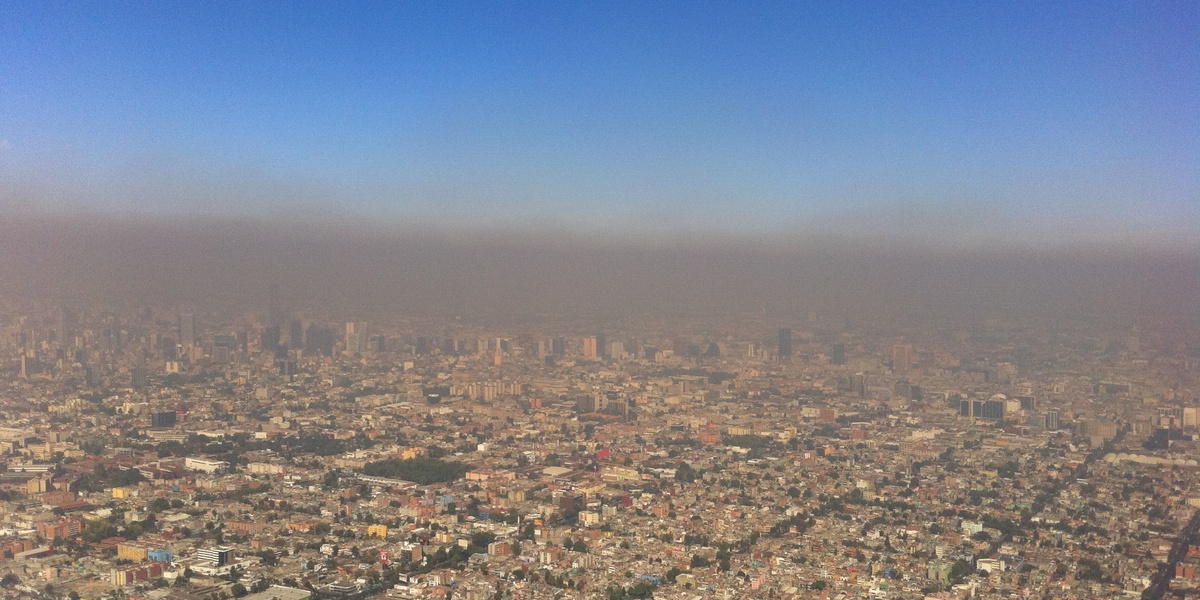
The myth is easy to believe: visible smog looks bad, and a clear sky feels safe. In reality, fine particulates such as PM2.5 are often invisible yet penetrate deep into lungs and the bloodstream. The WHO links ambient and household air pollution to about 7 million premature deaths annually.
Wildfire smoke in 2019–2020 showed how invisible particles travel far. In parts of the western U.S., PM2.5 concentrations spiked to well over 100 µg/m³ during major episodes, and hospitals saw notable jumps in respiratory admissions. Indoor sources matter too: biomass cookstoves used in parts of South Asia and sub-Saharan Africa create prolonged high exposures inside homes.
Actionable steps: check the Air Quality Index on apps or government sites, run a HEPA air cleaner indoors during episodes, and use well-fitting masks when outdoor concentrations are high.
2. Myth: Recycling solves plastic pollution
Recycling sounds like the obvious fix, but the numbers show limits. Historically only around 9% of plastic waste has been effectively recycled worldwide. Much material is hard to sort, contaminated, or not economically viable to process.
Policy shifts changed the game. China’s 2018 National Sword policy sharply reduced imports of low-quality plastic scrap, exposing how fragile global recycling markets were. The result: more plastic ended up in landfills, incinerators, or the environment, contributing to ocean patches and microplastics in seafood.
Higher-impact moves are upstream: cut single-use plastics, redesign products for reuse and repair, and press for extended producer responsibility so companies pay to manage packaging at end of life.
3. Myth: Electric cars are zero-emission
Electric vehicles remove tailpipe pollution, which improves local air quality, but they are not always zero-emission across their lifecycle. Battery manufacturing and the electricity used to charge a vehicle produce upstream emissions.
The grid mix matters. An EV charged in Norway, where hydropower dominates, has much lower lifecycle emissions than the same car charged on a coal-heavy grid. Battery manufacturing emissions have fallen as processes improve, and recycling batteries reduces end-of-life impacts.
To get the most benefit: charge from cleaner sources when possible, keep vehicles for a long service life, and favor models with transparent supply chains and improving battery recycling programs.
4. Myth: Air pollution is only an urban problem
Rural and low-income communities face major pollution too. Agriculture, mining, seasonal crop-residue burning, and household solid-fuel cooking all generate harmful exposures outside cities.
Household air pollution from solid fuels remains a leading risk in parts of South Asia and sub-Saharan Africa, contributing to respiratory disease and early deaths. Seasonal burning in Southeast Asia creates haze that travels into urban centers yet originates in rural fields.
Solutions need local tailoring: improved cookstoves or fuel switching, community air monitoring, and agricultural practices that reduce burning can all make a significant difference.
Scientific and Technical Misunderstandings
Confusion about terms and measurements fuels many myths. Different pollutants work at different scales and by different mechanisms, and low concentrations can still be dangerous for certain toxins. Technology helps, but it has limits.
5. Myth: Carbon dioxide is just another “pollutant” like smog
CO2 behaves differently. It is a greenhouse gas that traps heat and drives global climate change, while smog components such as ozone and particulates cause local health harms. That difference changes how we respond.
Pre-industrial CO2 was about 280 ppm; modern levels exceed 410 ppm. Local air-quality rules reduce tailpipe or smokestack emissions to improve health directly. Climate policy uses other tools, for example carbon pricing or economy-wide emissions caps, because CO2 accumulates in the atmosphere and affects the planet as a whole.
6. Myth: Low concentrations of a contaminant don’t matter
For some substances, very low exposures are harmful. Lead is a clear example: public-health agencies say there is no safe blood lead level for children. Small amounts accumulate over time and impair development.
Other chemicals bioaccumulate or act as endocrine disruptors at low doses — methylmercury in certain fish and PCBs in older industrial sites are classic cases. Reducing even low-level sources matters because the effects can be long-lasting and irreversible.
Practical tips: use tested water filters for lead where relevant, follow advisories on fish consumption, and favor products and foods with transparent testing records.
7. Myth: Technology alone will fix pollution
New tech — filters, carbon capture, greener chemistry — is vital but rarely sufficient by itself. Many promising solutions face cost, scale, or time barriers before they can replace incumbent systems.
Carbon-capture projects today remove a small fraction of annual CO2 emissions, and some plastic-to-fuel approaches shift pollutants rather than eliminate them. History shows the best outcomes combine policy and technology: for example, U.S. Clean Air Act regulations plus scrubber and catalytic-converter deployment delivered large sustained drops in several pollutants.
That means pairing investment in innovation with clear rules, incentives, and timelines so technologies can scale where they matter most.
Policy, Responsibility, and Solutions Myths
Beliefs about who should act and which fixes work shape real outcomes. Responsibility is shared among governments, corporations, and individuals. Some popular actions are useful, but they pale compared with system-level reform.
8. Myth: Pollution is primarily a problem for governments to fix
Government action is essential, but it’s not the only lever. Corporations shape production, design, and supply chains. Consumers shape demand. Local groups and NGOs push for enforcement and transparency.
Historical analyses attribute a large share of industrial greenhouse-gas emissions to a relatively small group of fossil-fuel producers — commonly cited figures put that share near 70% of historical CO2 linked to major companies. Corporate reporting on scope 3 supply-chain emissions and credible net-zero commitments can drive big change.
Meaningful civic action includes voting for strong regulation, supporting rules that require corporate transparency, and choosing products from companies that disclose and reduce their upstream impacts.
9. Myth: Individual actions don’t matter
System change is crucial, yet individual choices add up and signal markets. Some household moves have outsized impacts: switching to LED lighting typically cuts lighting energy use by roughly 50 to 75 percent compared with incandescent bulbs, lowering both bills and demand on the grid.
Other scalable behaviors include shifting diets toward less resource-intensive foods, reducing car travel, and cutting food waste. When many people act, companies notice and policy windows open.
Pair personal changes with advocacy: push for cleaner local electricity, support community renewable programs, and back policies that make low-carbon choices easier for everyone.
10. Myth: Once pollution is reduced, ecosystems recover quickly
Recovery timelines vary and can be very long. Persistent pollutants such as PCBs and some heavy metals remain in soils and sediments for decades, and ecological responses are often slow.
The Thames is a good example: after major pollution controls and sewage works upgrades, water quality improved, but the river’s ecological recovery unfolded over many decades until seals, salmon, and other species returned. Major oil spills also leave scars that affect species and livelihoods for years.
Prevention and early action are usually far cheaper and more effective than trying to restore damaged systems later.
Summary
- Invisible pollutants like PM2.5 can be deadlier than visible smog; check local air quality and reduce exposure with HEPA filters and masks when needed.
- Relying on recycling alone won’t solve plastic waste — only about 9% of plastic has been effectively recycled historically; prevention, redesign, and producer responsibility matter more.
- Different problems need different tools: CO2 drives global warming while particulates and ozone drive local health harms; use the right policy and technical responses for each.
- Individuals can make meaningful choices (LEDs, diet, transport) and should pair those with civic engagement to pressure companies and governments.
- Addressing myths about pollution starts with accurate information, practical steps, and insisting that corporations and policymakers act at scale.