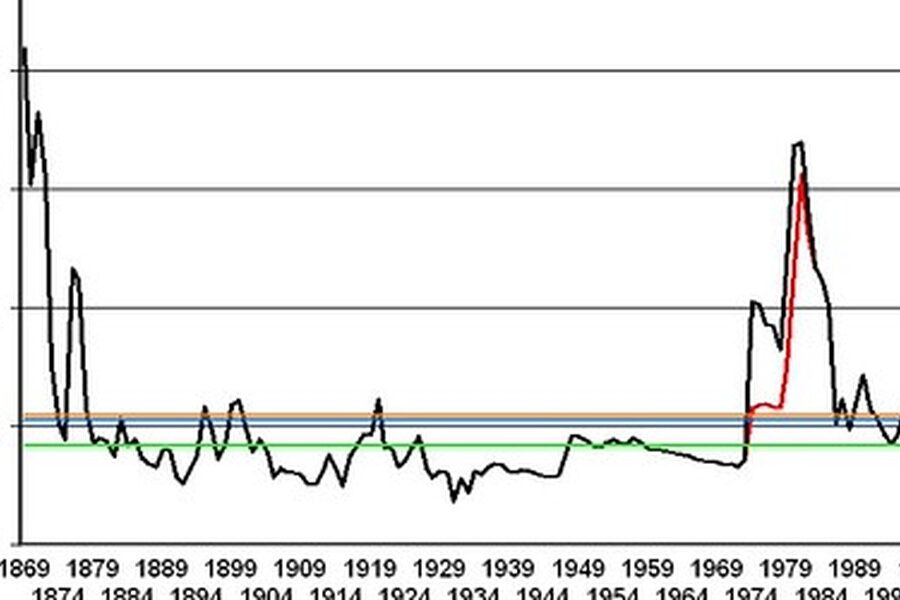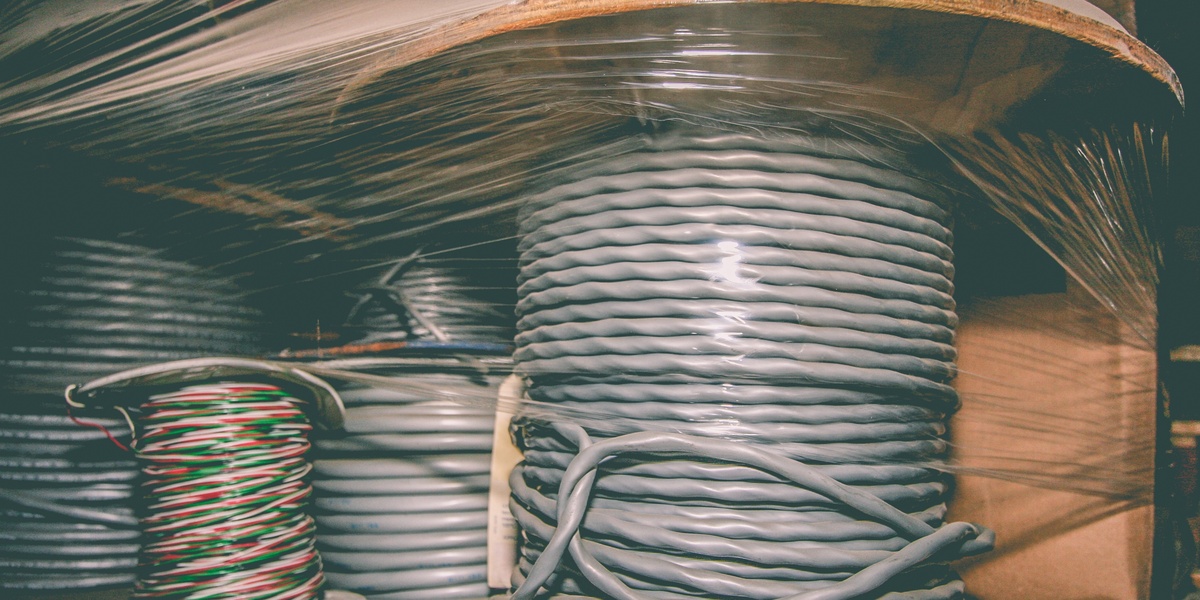
Archaeological evidence shows humans were working copper more than 10,000 years ago — the metal that launched the Bronze Age.
Today copper still underpins electricity, plumbing, healthcare and manufacturing because of a rare combination of properties: high electrical and thermal conductivity (second only to silver at about 97% of silver’s conductivity), corrosion resistance, malleability and natural antimicrobial action. You probably encounter copper every day — in wiring, water pipes, cookware and even hospital touch surfaces.
This article explains 10 uses of copper and why each matters, offering concrete examples and numbers — from transformer copper mass and typical plumbing types (Type K/L/M) to the U.S. EPA’s 2008 antimicrobial registration — so you can see how this ancient metal still shapes modern life.
Electrical and Electronics Applications
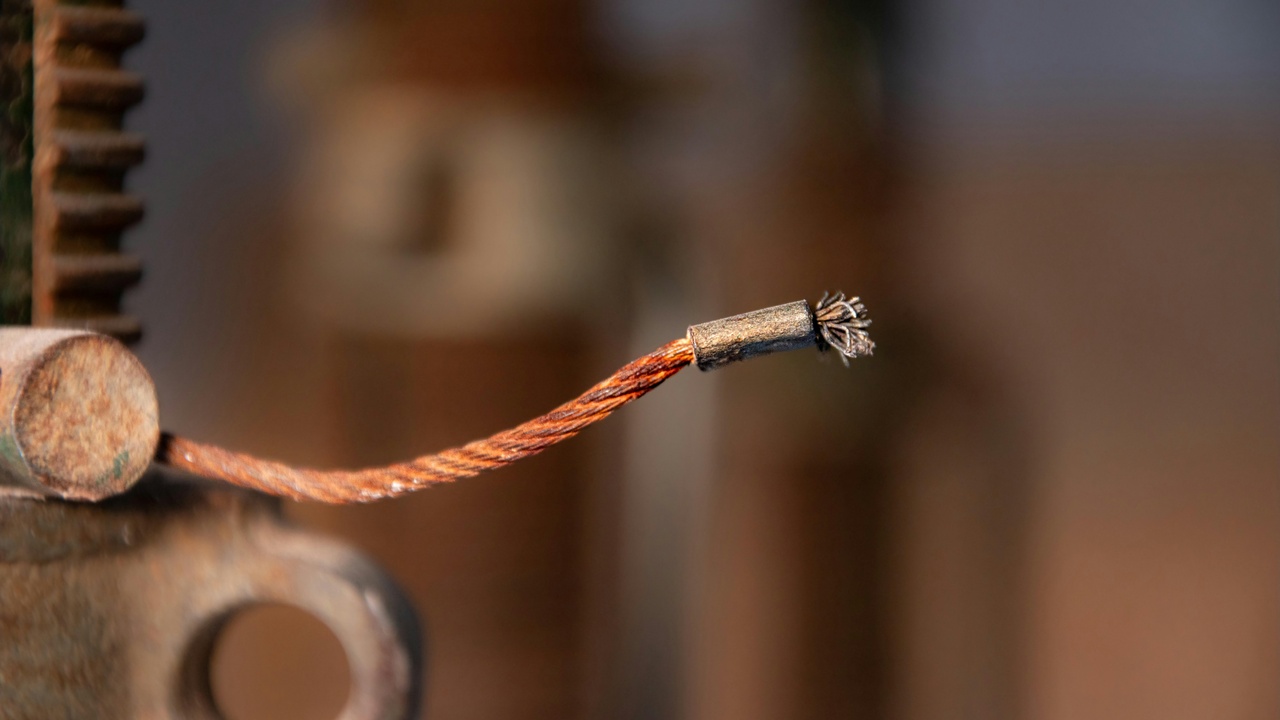
Copper’s combination of excellent electrical conductivity, ductility and thermal performance makes it indispensable in electrical systems. At roughly 97% of silver’s conductivity, copper minimizes resistive losses while remaining affordable and easy to form and join. Its recyclability also lowers lifecycle environmental impact compared with many alternatives.
1. Electrical wiring and power distribution
Copper is the dominant material for wiring across residential, commercial and utility systems because it balances conductivity with tensile strength and ductility. Typical residential circuits use 12 AWG or 14 AWG copper conductors, while grounding and feeder conductors use larger gauges.
Distribution transformers and high-voltage equipment contain large quantities of copper; a distribution transformer can include hundreds of kilograms, and large utility transformers may house thousands of kilograms in windings and leads (manufacturers such as ABB and Siemens specify copper windings for many units).
Real-world examples include copper THHN building wire for homes, underground and overhead power cables for grids, and copper grounding conductors that protect equipment and people.
2. Motors, transformers and generators
Copper windings are standard in rotating electrical machines because they carry current efficiently and dissipate heat well, improving motor and transformer life. Motors and transformers often contain tens to hundreds of kilograms of copper depending on size.
Applications span industrial motors, onshore wind-turbine generators and EV traction motors, where copper coils enable high torque density and thermal management. Electric vehicle manufacturers and suppliers routinely specify copper in stators and rotor windings for reliability and efficiency.
Because copper is 100% recyclable without loss of properties, end-of-life recovery for motors and transformers reduces the need for new mining and improves lifecycle economics.
3. Electronics, connectors and printed circuit boards
Copper is essential inside nearly every electronic device: low resistivity, reliable solderability and good mechanical properties make it ideal for traces and connectors. Printed circuit boards use thin copper foil for signal and power traces, with plated through-holes and surface-mount pads formed from copper.
Connectors and shieldings are often copper-plated for conductivity and corrosion resistance — examples include USB-C connectors, HDMI contacts and RJ45 jacks. Data centers and telecom infrastructure also place growing demand on copper for cabling and grounding.
Concrete instances are the copper traces on a smartphone mainboard, copper-plated server rack shielding, and copper contacts in consumer connectors; rising bandwidth and power needs in data centers are a major driver of copper demand.
Construction, Plumbing and HVAC

Copper’s corrosion resistance, antimicrobial qualities and formability make it a top choice in building systems. It lasts decades in plumbing, forms attractive architectural features, and its thermal conductivity makes it ideal for HVAC heat exchangers.
4. Plumbing, piping and roofing
Copper has been a staple in plumbing and roofing because it resists corrosion and is straightforward to form and join. In many conditions copper plumbing delivers 50+ years of service life, which is why building specs still reference Type K, L and M copper tubing for potable water and distribution.
Real installations include household water supply lines using Type L pipe, copper roof flashing, gutters and downspouts, and long-lived architectural elements on historic buildings. Designers often favor copper for its reliability and low maintenance over time.
5. Architectural and decorative uses
Beyond function, copper is prized for appearance. Over time it develops a green patina (copper carbonate) that both protects the metal and creates a distinct aesthetic used on facades, domes and sculptures.
Famous examples include copper-clad statues and domes (think of the Statue of Liberty) and church roofs that age gracefully. Architects specify copper panels and rainware for projects where longevity and appearance matter.
6. HVAC, heat exchangers and refrigeration
Copper’s high thermal conductivity and corrosion resistance make it ideal for heat transfer equipment. Copper tubing and fins in condensers and evaporators allow compact, efficient heat exchangers used across HVAC and refrigeration.
Applications include residential air-conditioner condenser coils, refrigerator evaporator tubing, commercial chillers and automotive radiators. Copper’s thermal performance helps keep equipment size down while improving heat transfer efficiency.
Industrial, Alloys and Manufacturing
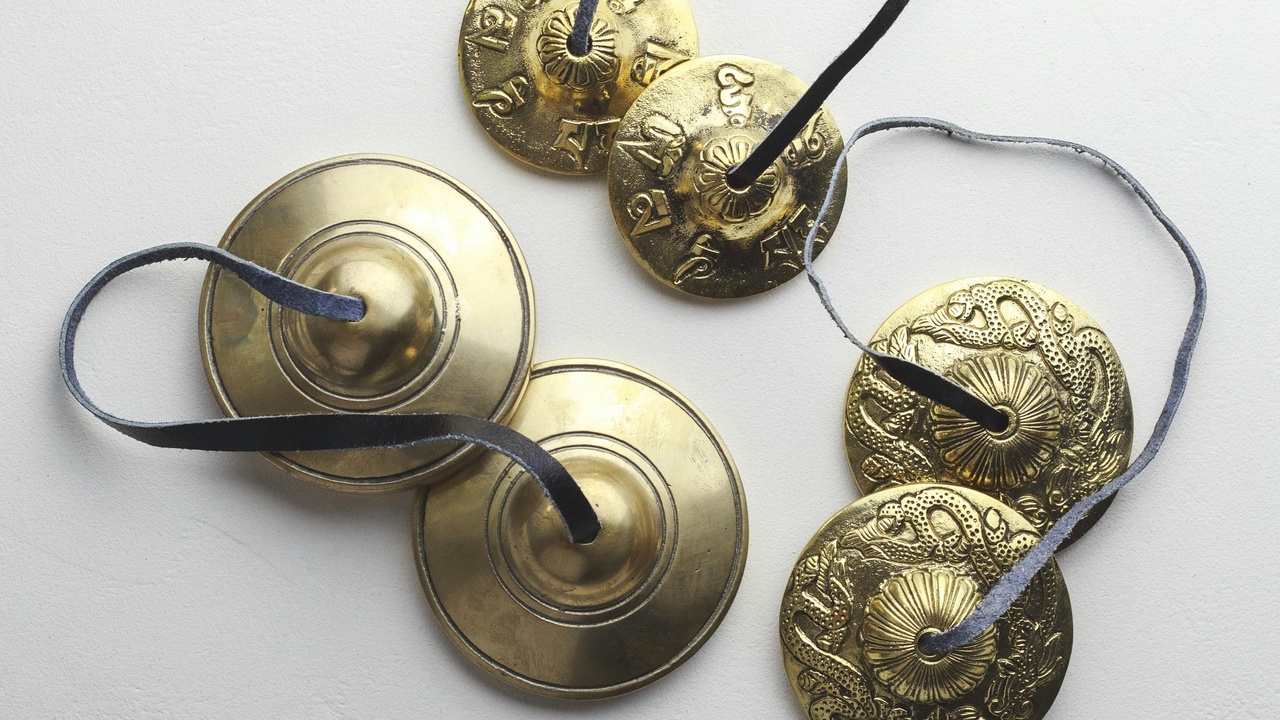
Copper is the basis for many alloys that extend its mechanical and corrosion properties. Alloying with zinc, tin, nickel or aluminum produces materials used in bearings, marine hardware and precision fittings.
7. Alloying: brass, bronze and specialty materials
Copper is the primary component in many useful alloys, and alloy design is one of the most important uses of copper. Adding zinc produces brass (commonly used for fittings, musical instruments and decorative hardware), while tin creates bronze, valued for hardness and wear resistance in bearings and sculptures.
Practical examples include brass doorknobs and plumbing fittings, bronze bearings and bushings in machinery, and musical instrument bells and cymbals. Copper-nickel alloys are widely used for marine hardware because they balance strength with seawater corrosion resistance.
8. Industrial equipment and corrosion-resistant components
Copper and copper alloys appear throughout chemical processing, desalination and marine systems for their corrosion resistance and thermal performance. Global refined copper production is roughly 20 million tonnes per year, reflecting both construction and industrial demand.
Examples include desalination plant piping made from copper-nickel, marine heat exchangers and condensers, and industrial valves and pumps specified in copper alloys to survive seawater and aggressive fluids. The metal’s recyclability helps lower lifecycle costs for heavy industrial assets.
Health, Antimicrobial and Everyday Uses

Copper serves both public-health and domestic roles: certain copper alloys are EPA-registered for antimicrobial claims, and copper’s thermal and aesthetic qualities make it popular for cookware and household goods.
9. Antimicrobial surfaces and medical applications
Copper and many copper alloys reduce microbial contamination on surfaces; the U.S. EPA registered specific alloys for antimicrobial claims in 2008. Laboratory studies and hospital trials have shown reduced bioburden on copper touch surfaces compared with stainless steel or plastic.
Hospitals have piloted copper bed rails, IV poles and door handles to lower surface contamination, and transit systems have trialed copper-coated touchpoints. While copper surfaces are not a lone solution, they’re a useful element in infection-control strategies.
10. Cookware, coins and household items
Copper appears in kitchens and pockets alike. Its superior thermal conductivity makes it a chef’s choice for pans and saucepans (many professional copper-bottom pans and copper-clad cookware offer exceptional heat distribution), and its malleability and finish suit coins, medals and decorative objects.
Common examples include copper-bottom saucepans used in restaurants, copper mugs for beverages, and artisanal household goods and commemorative coins. Small-scale craftspeople often favor copper for custom hardware and art for its workability and patina.
Summary
- Copper has been in use for at least 10,000 years and remains vital across electricity, construction, industry and healthcare.
- Its electrical conductivity (≈97% of silver’s), corrosion resistance and thermal performance make it the go-to material for wiring, motors, heat exchangers and plumbing.
- The U.S. EPA registered certain copper alloys for antimicrobial claims in 2008, supporting use on high-touch clinical surfaces.
- Alloying (brass, bronze, copper-nickel) and full recyclability (copper can be recycled indefinitely) extend copper’s utility and lower lifecycle costs.
- From small choices like copper cookware and touch surfaces to large systems like transformers and grid conductors, copper’s mix of properties keeps demand high — so consider where copper or suitable alternatives fit your projects and products.