Across fields and kitchens worldwide, cereal grains are the backbone of many diets and local economies, used for everything from breakfast bowls to traditional breads and spirits. They vary widely in appearance, flavor and cultivation, reflecting regional growing conditions and culinary traditions.
There are 25 Examples of Cereal Grains, ranging from African rice to Wild rice. Each entry is organized with Scientific name, Region & uses, Gluten, so you’ll find below concise, comparable details to help you identify, cook with, or grow each grain — you’ll find below.
Which of these grains are gluten-free and safe for people with celiac disease?
Most true cereal grains in this list are naturally gluten-free (for example, rice, maize, sorghum), but some like wheat, barley and rye contain gluten. Check the “Gluten” column for each item and remember that cross-contamination during processing can make otherwise gluten-free grains unsafe unless labeled gluten-free.
Can I substitute one cereal grain for another in recipes or farming?
Substitution depends on purpose: in cooking, textures and starch properties differ (e.g., millet vs. barley), so adjust liquid and cooking time; in farming, climate, soil and uses (feed vs. flour) matter. Use the Region & uses and Scientific name columns to match grain traits to your culinary or agronomic needs.
Examples of Cereal Grains
| Name | Scientific name | Region & uses | Gluten |
|---|---|---|---|
| Wheat | Triticum aestivum | Temperate regions; bread, pasta, pastries, brewing | Yes |
| Durum wheat | Triticum durum | Mediterranean, North America; pasta, couscous, semolina | Yes |
| Einkorn | Triticum monococcum | Southwest Asia, Europe; ancient breads, whole-grain dishes | Yes |
| Emmer | Triticum dicoccum | Near East, Mediterranean; flatbreads, porridge, artisanal baking | Yes |
| Spelt | Triticum spelta | Europe, North America; breads, cereals, baking | Yes |
| Khorasan (Kamut) | Triticum turgidum | Middle East, North America; pilafs, breads, whole-grain uses | Yes |
| Barley | Hordeum vulgare | Temperate regions; soups, beer, animal feed, malt | Yes |
| Rye | Secale cereale | Cool temperate; dense breads, whiskey, forage | Yes |
| Oats | Avena sativa | Temperate; porridge, cereals, baking, animal feed | Varies |
| Rice | Oryza sativa | Asia, worldwide; staple grain, sushi, flour, snacks | No |
| African rice | Oryza glaberrima | West Africa; traditional dishes, local staples | No |
| Maize | Zea mays | Americas, global; tortillas, cornmeal, polenta, sweet corn | No |
| Sorghum | Sorghum bicolor | Africa, Asia, Americas; porridge, flatbreads, syrups, fodder | No |
| Pearl millet | Pennisetum glaucum | Sahel, India; porridge, flatbreads, fermented foods | No |
| Finger millet | Eleusine coracana | East Africa, India; porridge, flatbreads, malted foods | No |
| Foxtail millet | Setaria italica | East Asia, South Asia; porridges, breads, beverages | No |
| Proso millet | Panicum miliaceum | Eurasia, North America; cereals, bird seed, flatbreads | No |
| Little millet | Panicum sumatrense | South Asia; porridge, pilafs, traditional dishes | No |
| Kodo millet | Paspalum scrobiculatum | South Asia; porridge, flatbreads, fermented foods | No |
| Barnyard millet | Echinochloa frumentacea | South and East Asia; porridge, dosa, alternative flour | No |
| Teff | Eragrostis tef | Ethiopia, Eritrea; injera flatbread, porridge, flour | No |
| Fonio | Digitaria exilis | West Africa; porridges, couscous, baby foods | No |
| Wild rice | Zizania palustris | North America; ceremonial food, pilafs, salads | No |
| Job’s tears | Coix lacryma-jobi | East Asia, Southeast Asia; porridges, beverages, beads | No |
| Canary seed | Phalaris canariensis | Mediterranean, Canary Islands; now used in human foods and birdseed | No |
Images and Descriptions
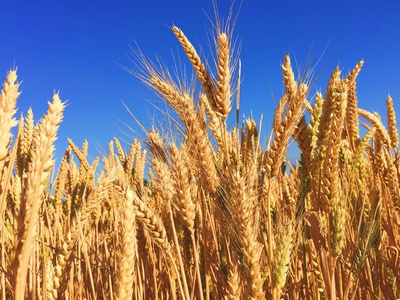
Wheat
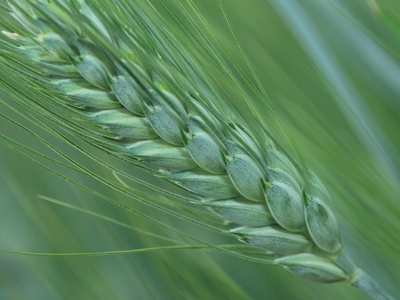
Wheat is the world’s leading cereal staple, prized for its high gluten content that gives dough elasticity. Widely grown across temperate zones, it’s central to bread, pasta and many processed foods and provides significant calories and protein globally.
Durum wheat
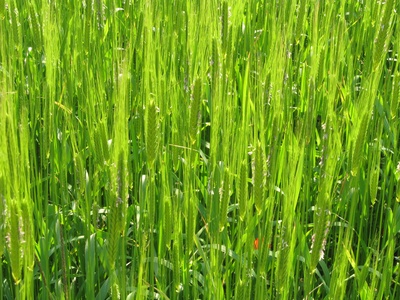
Durum wheat is a hard, high-protein wheat used mainly for pasta and semolina. Grown in warm temperate regions, it yields coarse kernels and is valued for firm pasta texture and traditional breads like couscous.
Einkorn
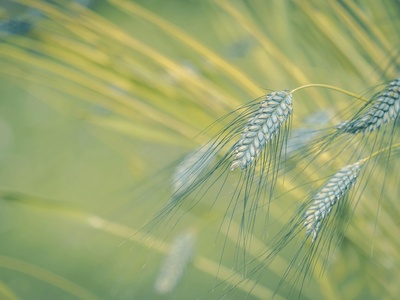
Einkorn is one of the oldest domesticated wheats with a single grain per spikelet. It has a nutty flavor, richer mineral profile than modern wheat, and is used in traditional breads and whole-grain preparations by heritage grain enthusiasts.
Emmer
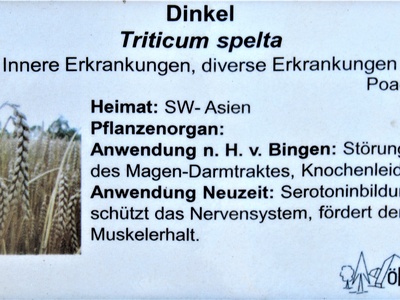
Emmer (farro) is an ancient hulled wheat with chewy texture and rich flavor. Historically important in Mediterranean agriculture, it’s used in soups, pilafs, and rustic breads, valued for whole-grain nutrition and heritage baking traditions.
Spelt
Spelt is an ancient hulled wheat with mild, sweet flavor and a looser husk. It is popular in artisan breadmaking and whole-grain cooking, offering slightly different protein composition but still contains gluten and behaves like wheat in baking.
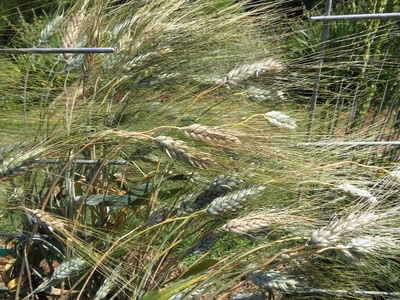
Khorasan (Kamut)
Khorasan, marketed as Kamut, is a large-kernel hulled wheat related to durum. Known for a buttery flavor and chewy texture, it’s used in pilafs, salads, and baked goods and provides robust protein and minerals.
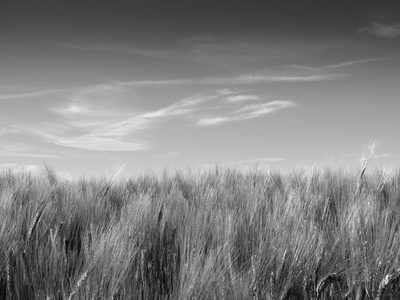
Barley
Barley is a versatile cereal used for malted beverages, soups, and animal feed. It comes in hulled and hull-less forms; hulled barley retains more fiber while pearled barley is milled for quicker cooking. Contains gluten.
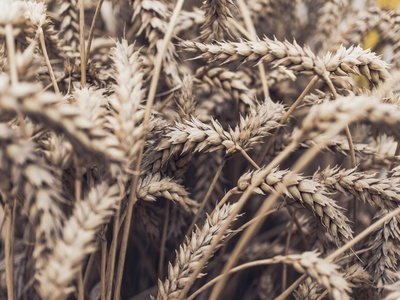
Rye
Rye is a hardy cereal suited to cool climates, traditionally used for dense, flavorful breads like pumpernickel and for distilled spirits. Its dough contains distinct gluten proteins giving different baking properties and strong, earthy flavor.
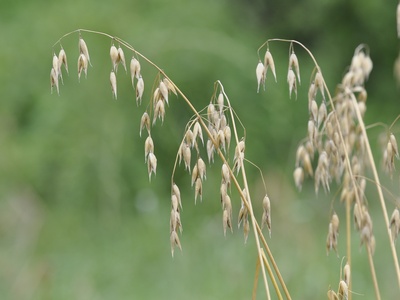
Oats
Oats are valued for soluble fiber (beta-glucan) and heart-healthy benefits. Oat proteins differ from wheat gluten, but cross-contamination in processing means gluten-free status varies; certified gluten-free oats are available for sensitive diets.
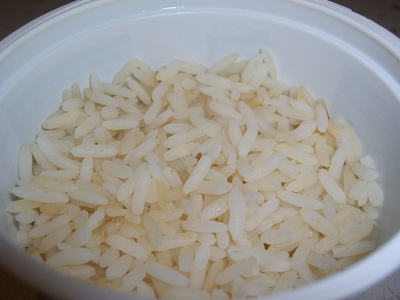
Rice
Rice is a globally dominant staple with many varieties (short, long, aromatic). It is naturally gluten-free and used in everyday meals, from steamed rice to noodles, snacks and fermented beverages; provides digestible carbohydrates and some B vitamins.

African rice
African rice is a domesticated species native to West Africa with resilience to local pests and soils. Less globally grown than Asian rice, it features cultural importance and traditional uses in regional diets and ceremonial dishes.
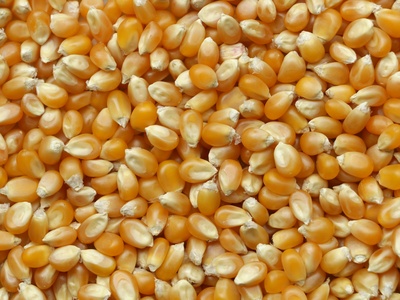
Maize
Maize (corn) is a highly diverse cereal domesticated in the Americas, central to many cuisines. Varieties serve as fresh sweet corn, dried field corn for flour and animal feed, and industrial products like starch and oil. Naturally gluten-free.
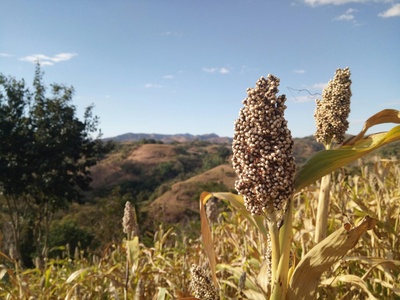
Sorghum
Sorghum is a drought-tolerant staple in dry regions, used for porridge, flatbreads, and gluten-free flours. Some varieties produce sweet stalks for syrup; grain sorghum is nutritionally robust with fiber and resistant starch.
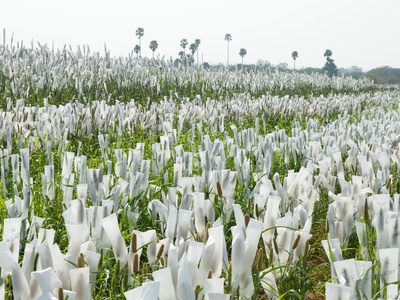
Pearl millet
Pearl millet thrives in arid lands and supports food security in the Sahel and India. Its small, nutrient-dense grains are used for porridges, flatbreads, and fermented beverages, offering minerals and resistant starch.
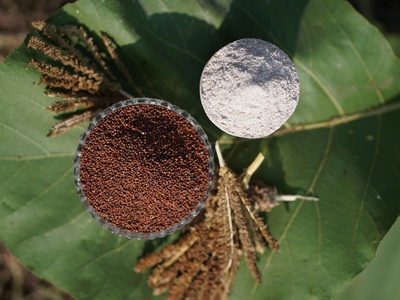
Finger millet
Finger millet (ragi) is rich in calcium and used widely in porridges, fermented products and flatbreads. Its small grains store well and provide slow-release carbohydrates and notable micronutrients for traditional diets.
Foxtail millet
Foxtail millet is an ancient Asian cereal used in porridges, flatbreads and fermented foods. It’s drought-resistant, nutritious, with a favorable amino acid profile among millets and often used in gluten-free cooking.
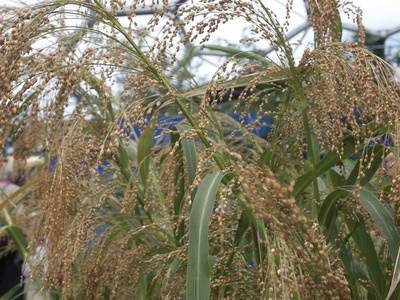
Proso millet
Proso millet is a short-season cereal grown for human food and fodder. Its grains cook quickly into porridges and pilafs, and it’s valued for adaptability and gluten-free flour uses in traditional and modern recipes.
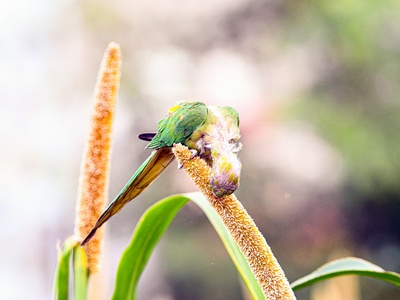
Little millet
Little millet is a nutritious small-grain cereal used in South Asian traditional dishes. It cooks quickly, stores well, and contributes fiber, minerals and resistant starch to diets, offering a climate-resilient alternative to major cereals.
Kodo millet
Kodo millet is an underutilized grain valued in dryland farming across South Asia. Its grains are used in porridges and breads, providing fiber and micronutrients, and it supports crop diversity and food security for smallholders.
Barnyard millet
Barnyard millet is a fast-growing cereal used in traditional porridges, pancakes and gluten-free flours. It tolerates poor soils, offers quick maturity, and supplies carbohydrates and some minerals in regional diets.
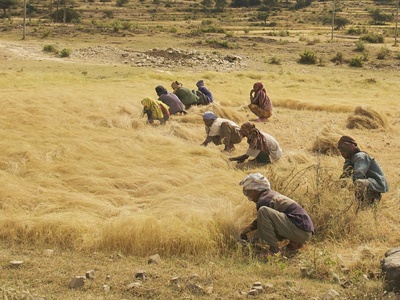
Teff
Teff is a tiny-seeded cereal central to Ethiopian cuisine, ground to make injera. It is high in iron, calcium and resistant starch, naturally gluten-free and increasingly popular worldwide as a nutritious whole-grain option.

Fonio
Fonio is a fast-maturing West African cereal prized for tiny grains, quick cooking and nutty flavor. It is used in porridges, couscous-like dishes and weaning foods, valued for resilience and micronutrient content in traditional diets.
Wild rice
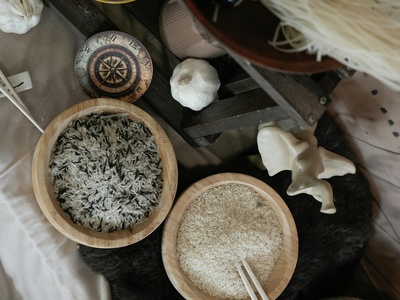
Wild rice refers to aquatic grasses with large, chewy grains prized by Indigenous North American communities. It is nutrient-rich, used in ceremonial and everyday dishes, and combined with grains and vegetables in modern cuisine.
Job’s tears
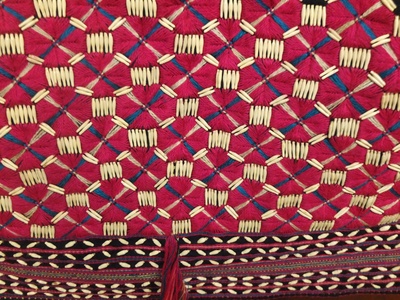
Job’s tears produces hard, glossy grains used in porridge, tea-like beverages and traditional herbal remedies. Cultivated for food and ornamental beads, its starchy kernels are used in regional cuisines across Asia.
Canary seed
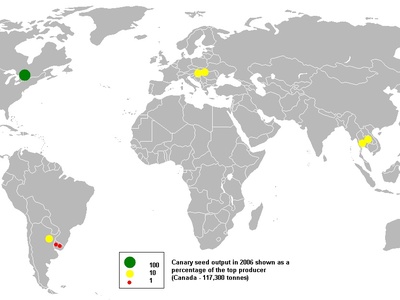
Canary seed has historically been used as birdseed but modern hairless varieties are processed for human consumption in some countries. It’s a gluten-free cereal with a mild flavor, used in porridges and specialty flours.