10 Interesting Facts About Biodiversity
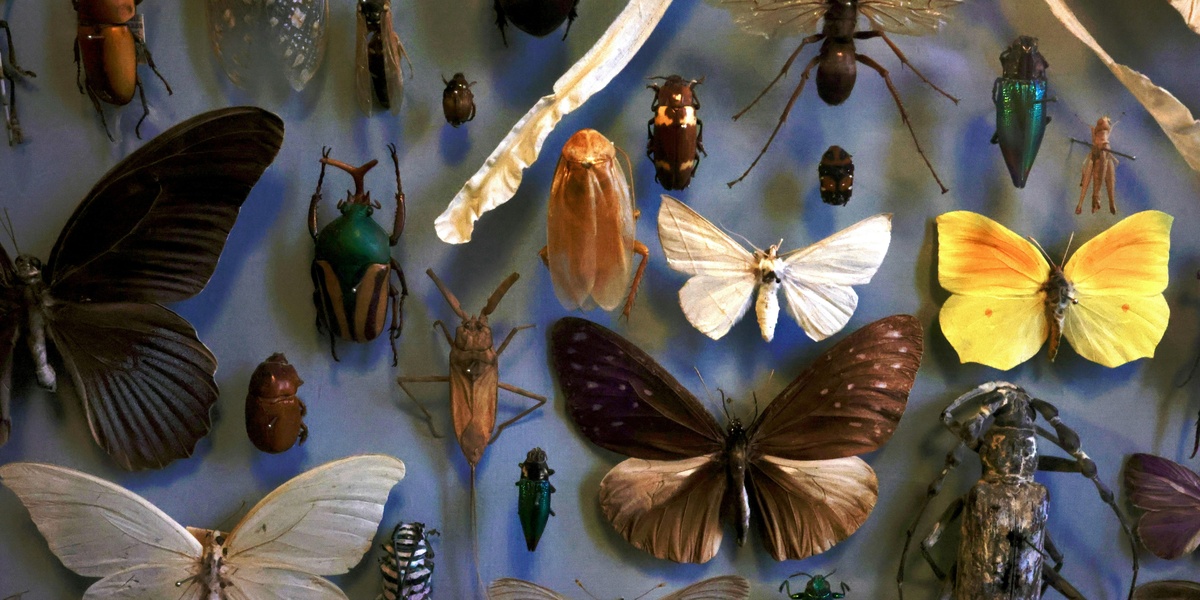
Scientists estimate there are roughly 8.7 million eukaryotic species on Earth — yet we have formally described only about 1.2 million of them (Mora et al., 2011). That unseen diversity quietly supports the food on our plates, the medicines in our cabinets, the soils that grow our crops, and the coastlines that shelter our towns. You should care because losses in species and habitats translate directly into lost services, higher costs, and greater vulnerability to climate shocks. Biodiversity is not just a list of species; it underpins global food systems, human health, economies, cultures, and climate stability — and these 10 facts reveal how deeply interconnected life on Earth really is. Which of these connections surprises you most? This article presents 10 facts about biodiversity across ecology, economy, medicine, culture, and conservation, drawing on IPBES, Costanza et al., Mora et al., and other named studies.
Ecosystem function and stability
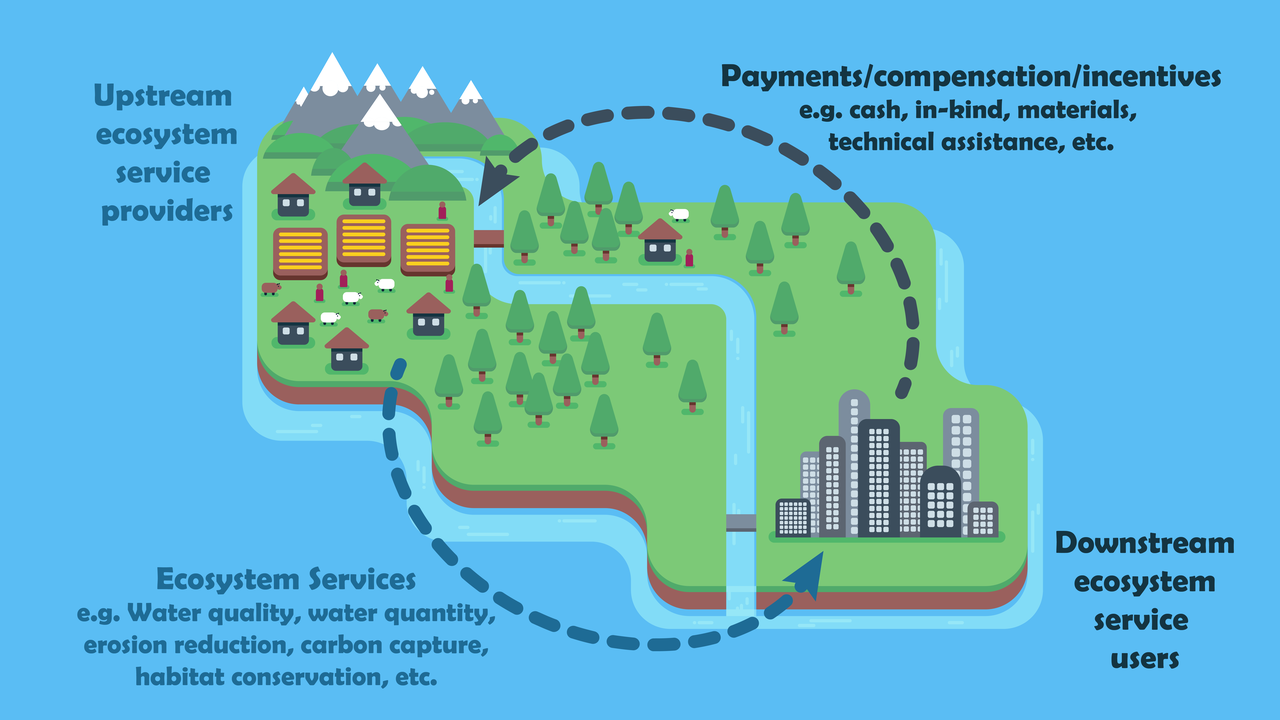
Biodiversity underlies the processes that keep ecosystems running and resilient. Economists estimate the global flow of ecosystem services in the tens of trillions of dollars, and ecologists show how species roles and redundancy buffer systems during shocks. Below are three clear facts about how species diversity sustains life-supporting functions.
1. Biodiversity underpins ecosystem services that people rely on
It’s simple: ecosystems provide services we use every day — pollination, water purification, soil formation, and carbon sequestration. Costanza et al. (2014) estimated the value of global ecosystem services at roughly $125 trillion per year, underscoring that these processes are measurable and huge. Approximately 35% of crop types worldwide depend on animal pollinators for at least part of their production, affecting fruits, nuts, and vegetables central to healthy diets.
On a local scale, wetlands such as parts of the Florida Everglades filter nutrients and protect drinking-water supplies, while California’s almond industry relies on managed and wild bees each spring to set billions of dollars’ worth of nuts. Loss of species reduces the flow and reliability of these services, which in turn raises costs for agriculture, fisheries, and municipalities.
2. Species diversity boosts ecosystem stability and resilience
Diverse communities resist and recover from disturbances better than low-diversity ones. Long-term grassland experiments show that plots with more plant species maintain higher and more stable productivity and lose less biomass during droughts — in some studies low-diversity plots lost 20–40% more productivity under stress.
In forests, mixed-species stands often recover faster after pest outbreaks or storms because different species respond differently to stress. That redundancy — multiple species performing similar roles — acts like insurance: if one species fails, others can sustain key processes.
3. Biodiversity shapes nutrient cycles and climate regulation
Species and ecosystems store and cycle vast amounts of carbon and nutrients. The Amazon rainforest alone stores on the order of 100 billion metric tons of carbon in biomass and soils, making it a crucial climate regulator. Peatlands, mangroves, and old-growth forests sequester carbon per hectare at rates far higher than many human-made systems.
Belowground biodiversity — microbes and mycorrhizal fungi — drives nutrient availability for crops, affecting yields and fertilizer needs. When key habitats are lost, carbon sequestration and nutrient cycling decline, increasing atmospheric CO2 and reducing soil fertility over time.
Economic value and food security
Biodiversity is integral to livelihoods: from smallholder farms to global supply chains, species diversity supports food production, fisheries, and nature-based tourism. The economic links are direct and quantifiable — declines in species can mean lower yields, reduced incomes, and fewer jobs. Here are three facts that show those ties.
4. Many crops and foods depend on animal pollinators
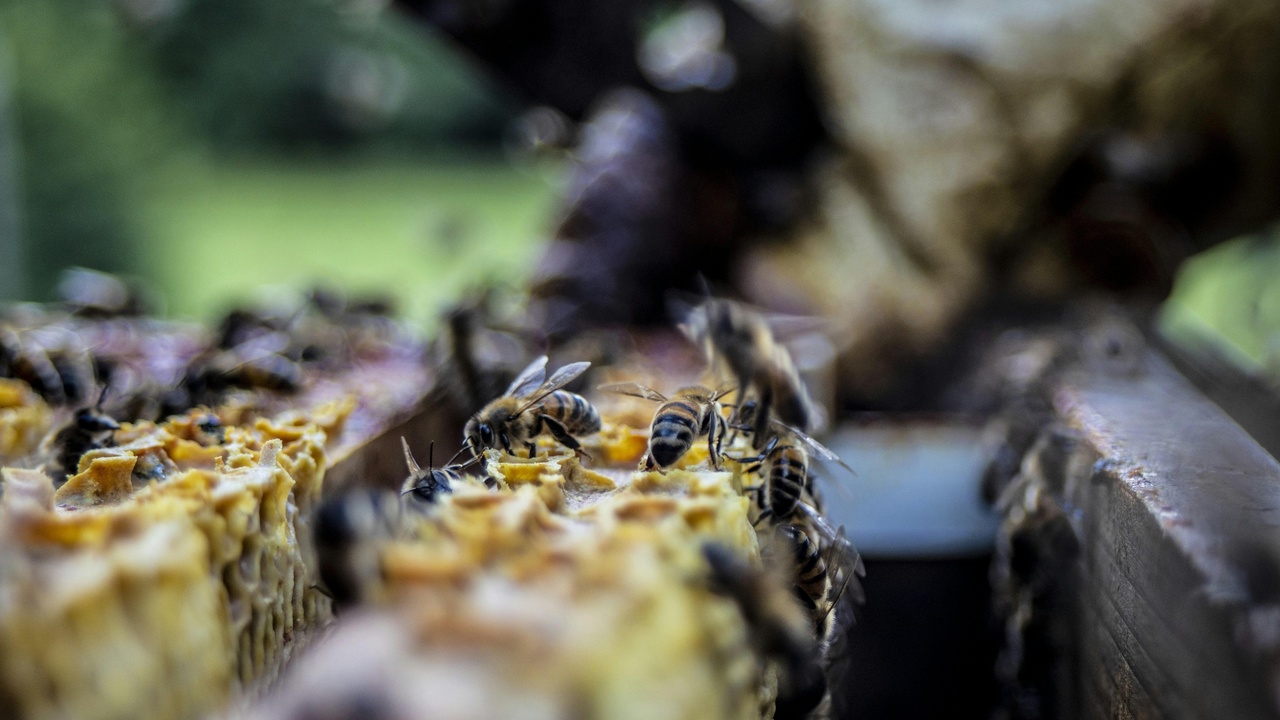
Roughly 35% of global crop types rely on animal pollination for yield or quality, which matters for fruits, nuts, and many vegetables. In California, almond orchards contract millions of honeybee hive rentals each season because pollination directly determines crop value — the industry is worth several billion dollars annually and would suffer without bees.
Both managed honeybees and wild pollinators (bumblebees, solitary bees, hoverflies) contribute. Declines in wild pollinators can lower yields and increase production costs as farmers compensate with managed hives or hand-pollination in extreme cases.
5. Fisheries and wild harvests depend on species diversity
Diverse fish communities produce more stable catches over time. Global fisheries and aquaculture were valued at roughly $400 billion annually in recent years, supporting millions of jobs and local diets. When fishing pressure or habitat loss shifts species composition, catches can become unpredictable and less nutritious for coastal communities.
Small-scale fisheries in Southeast Asia and West Africa, for example, rely on a mix of species for year-round food and income. Loss of key species or reef habitats often forces fishers to travel farther or target lower-value species, increasing costs and food insecurity.
6. Biodiversity supports tourism and local economies
Nature-based tourism brings measurable revenue and jobs to species-rich places. Costa Rica’s ecotourism and the Galápagos Islands’ visitor economy depend on intact ecosystems and iconic species, drawing hundreds of thousands of visitors annually and generating significant local income.
When species decline or habitats degrade, tourist appeal drops and local businesses suffer — from guides and hotels to craft vendors. Protecting biodiversity can therefore be an investment in long-term, place-based livelihoods.
Medicine, science, and innovation
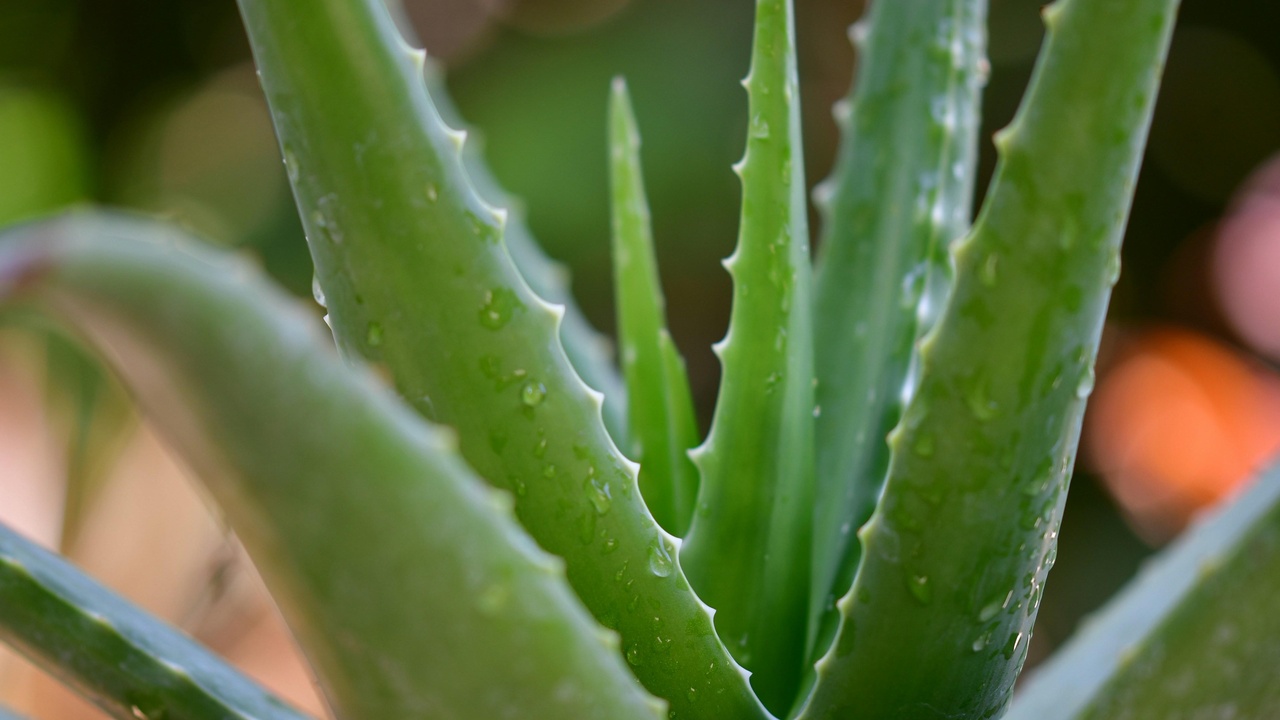
Biological diversity has long been humanity’s pharmacy and research toolkit. From antibiotics to cancer drugs, natural compounds have driven medical breakthroughs. Below are two facts about how species fuel health and innovation, with historical dates and modern examples.
7. Many modern medicines originate from plants, fungi, and microbes
Major drugs trace to natural sources: penicillin was discovered from a fungus by Alexander Fleming in 1928; paclitaxel (Taxol), developed from the Pacific yew, became a key cancer therapy (approved in 1992); and artemisinin from Artemisia annua led to life-saving malaria treatments (Tu Youyou’s work was recognized with a Nobel Prize in 2015).
A substantial share of anticancer and anti-infective agents have natural origins, and bioprospecting continues today. Each lost species or degraded habitat might close the door on future drugs and research tools.
8. Genetic diversity is the raw material for breeding and biotechnology
Genetic variation in wild relatives and landraces enables breeders to introduce disease resistance and stress tolerance. Gene banks and seed vaults safeguard that diversity: the Svalbard Global Seed Vault stores more than 1 million seed samples as a global backup for crop diversity.
Wild wheat and rice relatives have supplied genes for drought and pest resistance, and genetic tools developed from diverse model organisms power CRISPR and other biotech advances. Preserving genetic resources is an investment in future food security and innovation.
Cultural value, climate resilience, and conservation
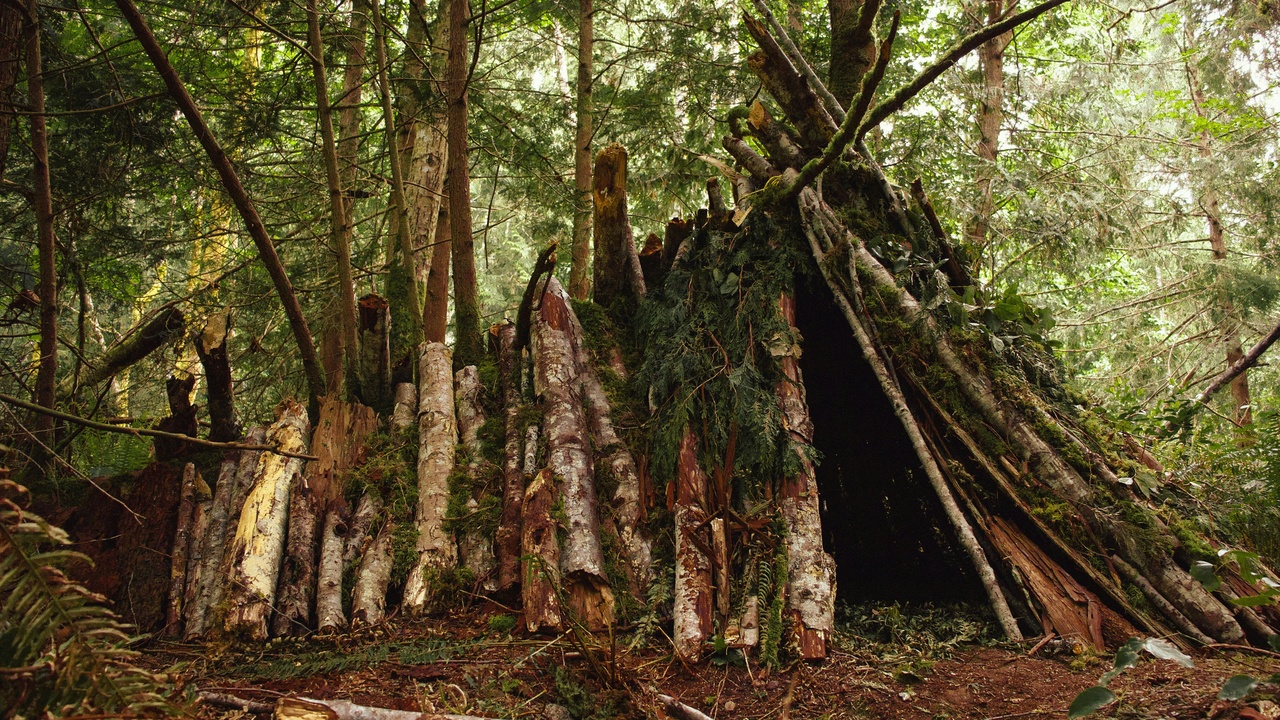
Biodiversity is woven into cultural identities and provides services that reduce climate risk. Conservation also delivers measurable recoveries when action is timely. Below are two facts about cultural ties and the evidence that protection works — but that time is limited.
9. Biodiversity supports cultural identity, food traditions, and local knowledge
Species and ecosystems are central to many cultural practices, diets, and Indigenous knowledge systems. In parts of the Amazon and Southeast Asia, communities use centuries-old plant-based medicines, and heirloom rice and maize landraces carry both culinary and spiritual value for farmers in South Asia and Central America.
Traditional fisheries, sacred groves, and seasonal harvest rituals tie peoples to particular species. When those species decline, cultural practices and food traditions can erode alongside ecological loss.
10. Conservation works — and timely action matters
Targeted conservation has produced clear recoveries. The bald eagle in the United States rebounded after the 1970s DDT ban and strong protection measures, leading to its removal from the U.S. Endangered Species list in 2007. At the same time, the IPBES global assessment (2019) warned that roughly 1 million species may be at risk of extinction without urgent action.
Protected areas have expanded in recent decades and restoration projects — from mangrove planting to reef rehabilitation — show measurable gains, but timing matters. Policies, habitat protection, and local stewardship together produce results; delaying action makes recoveries harder and costlier.
Summary
- Wildlife and ecosystems provide essential services worth trillions (Costanza et al. estimate ~ $125 trillion/year) and directly support food, water, and climate regulation.
- Many medicines and agricultural innovations come from biodiversity (penicillin, 1928; Taxol approved 1992; artemisinin recognized 2015), and genetic banks like Svalbard (over 1 million seed samples) preserve options for the future.
- About 35% of crop types depend on animal pollination, fisheries are worth roughly $400 billion annually, and ecosystems like mangroves and peatlands sequester huge carbon stores — all linking species loss to economic and food risks.
- Conservation can succeed (e.g., bald eagle delisted in 2007), but IPBES (2019) warns ~1 million species face extinction risk; small actions matter: support local conservation groups, plant native species, and reduce pesticide use to help protect biodiversity now.