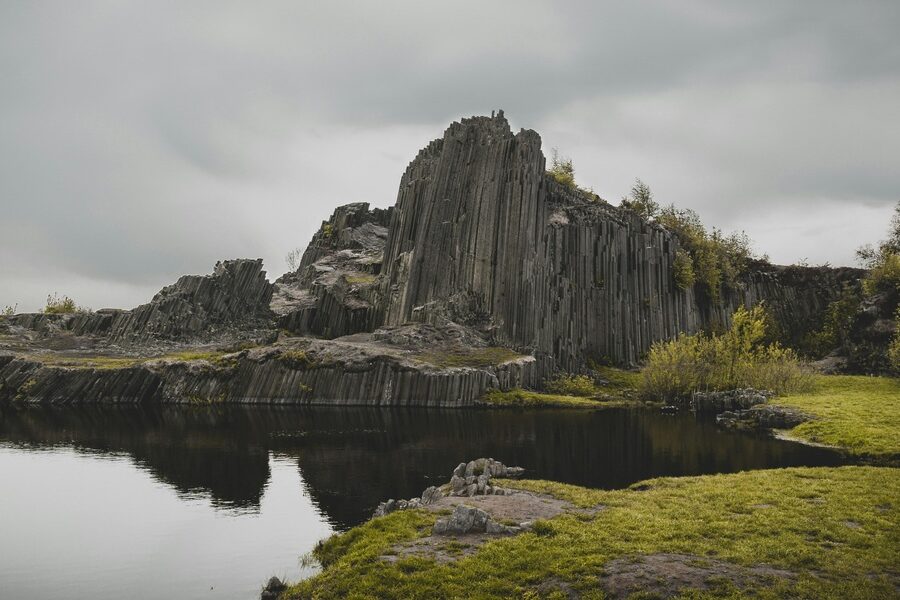
Connecticut’s bedrock tells a long story of mountain building, metamorphism and glacial reshaping, so it’s no surprise the state hosts a varied set of mineral occurrences from pegmatites to schists and river gravels. Local historical collecting and museum displays reflect that geological diversity and make field visits interesting for hobbyists and students alike.
There are 44 Minerals in Connecticut, ranging from Actinolite to Zircon. The list is organized with columns for Mineral class, Hardness (Mohs), and Typical locality (county or town); full details you’ll find below.
Where can I legally collect minerals in Connecticut?
Collecting on private land is allowed only with the owner’s permission; many state parks and wildlife management areas prohibit removing rocks or minerals, so always check signage and local regulations. For safe, legal options, contact local rock and mineral clubs, university geology departments, or museums for approved collecting sites and organized field trips.
How can I identify common Connecticut minerals in the field?
Start with simple tests: observe color and crystal habit, do a hardness scratch test, note streak and specific gravity if possible, and cross-check expected localities from the list. Bring a pocket field guide, a hand lens, and a notebook, and compare specimens to reference photos or club resources for confirmation.
Minerals in Connecticut
| Name | Mineral class | Hardness (Mohs) | Typical locality (county or town) |
|---|---|---|---|
| Quartz | Silicate (tectosilicate) | 7 | Statewide (many counties) |
| Microcline | Silicate (feldspar) | 6-6.5 | Litchfield County pegmatites |
| Albite | Silicate (plagioclase feldspar) | 6-6.5 | Litchfield County pegmatites |
| Muscovite | Phyllosilicate (mica) | 2-2.5 | Pegmatites in Litchfield County |
| Biotite | Phyllosilicate (mica) | 2.5-3 | Metamorphic rocks statewide |
| Tourmaline (schorl) | Cyclosilicate (boron silicate) | 7-7.5 | Litchfield County pegmatites |
| Beryl | Cyclosilicate | 7.5-8 | Litchfield County pegmatites |
| Apatite | Phosphate | 5 | Pegmatites, Litchfield County |
| Garnet (almandine) | Nesosilicate | 6.5-7.5 | Northwestern metamorphic belts (Litchfield County) |
| Magnetite | Oxide | 5.5-6.5 | Salisbury iron district, Litchfield County |
| Hematite | Oxide | 5-6.5 | Salisbury/Torrington area, Litchfield County |
| Pyrite | Sulfide | 6-6.5 | Veins and metamorphic rocks statewide |
| Chalcopyrite | Sulfide | 3.5-4 | Cornwall and other Litchfield County copper localities |
| Malachite | Carbonate hydroxide | 3.5-4 | Oxidized zones of Cornwall copper mines, Litchfield County |
| Azurite | Carbonate hydroxide | 3.5-4 | Cornwall copper localities, Litchfield County |
| Calcite | Carbonate | 3 | Widespread veins and cavities statewide |
| Dolomite | Carbonate | 3.5-4 | Metamorphosed carbonate horizons, northwestern CT |
| Barite | Sulfate | 3-3.5 | Veins and hydrothermal deposits reported in CT |
| Analcime | Tectosilicate (zeolite) | 5-5.5 | Hartford Basin basalts (Middlesex/Hartford counties) |
| Natrolite | Tectosilicate (zeolite) | 5-5.5 | Basalt amygdules, Middletown and Berlin area, Middlesex County |
| Stilbite | Tectosilicate (zeolite) | 3.5-4 | Basalt cavities, Hartford Basin quarries |
| Heulandite | Tectosilicate (zeolite) | 3.5-4 | Basalt amygdules, Hartford Basin |
| Chabazite | Tectosilicate (zeolite) | 3.5-4 | Hartford Basin basalts |
| Laumontite | Tectosilicate (zeolite) | 4-4.5 | Basalt cavities, Hartford Basin exposures |
| Scolecite | Tectosilicate (zeolite) | 5-5.5 | Sparse in basalt amygdules, Hartford Basin |
| Prehnite | Inosilicate | 6-6.5 | Basalt amygdules and hydrothermal veins |
| Epidote | Sorosilicate | 6-7 | Metamorphic rocks in northwest CT |
| Zircon | Nesosilicate | 7.5 | Pegmatites and metamorphic rocks statewide |
| Titanite (sphene) | Nesosilicate | 5-5.5 | Metamorphic rocks, Litchfield County |
| Staurolite | Nesosilicate | 7-7.5 | Metamorphic schists, northwestern CT |
| Kyanite | Nesosilicate | 4.5-7 | Regional metamorphic belts (Litchfield County) |
| Actinolite | Inosilicate (amphibole) | 5-6 | Metamorphic greenstones and schists |
| Chlorite | Phyllosilicate | 2-3 | Metamorphic schists statewide |
| Apophyllite | Phyllosilicate | 4.5-5 | Basalt amygdules in Hartford Basin |
| Apatite (fluorapatite) | Phosphate | 5 | Pegmatites and metamorphics, Litchfield County |
| Ilmenite | Oxide | 5-6 | Accessory in igneous and metamorphic rocks |
| Rutile | Oxide | 6-6.5 | Metamorphic rocks and pegmatites |
| Fluorapatite | Phosphate | 5 | Pegmatites statewide |
| Scapolite | Tectosilicate | 5-6 | Metamorphosed carbonate rocks and skarns |
| Barite (baryte) | Sulfate | 3-3.5 | Reported in minor vein occurrences in CT |
| Chloritoid | Phyllosilicate | 4.5-5 | High-grade metamorphic schists in northwest CT |
| Kyanite (gem variety) | Nesosilicate | 4.5-7 | Northwest metamorphic localities |
| Copper (native copper occurrences as mineralization) | Native metal | 2.5-3 | Cornwall and small historic localities, Litchfield County |
| Gibbsite | Hydroxide (aluminum) | 2-3 | Weathering zones of aluminous rocks |
Images and Descriptions
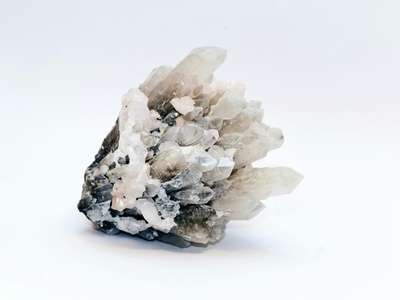
Quartz
Common throughout Connecticut in veins, pegmatites and basalt amygdules; forms clear to smoky crystals in pegmatites and vugs. Popular with collectors for its abundance and variety across the state.
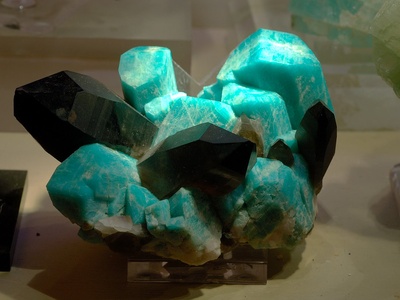
Microcline
Potassium feldspar common in CT pegmatites, sometimes perthitic. Occurs with mica and tourmaline in coarse crystals; attractive for collectors and lapidaries from Litchfield County pegmatite bodies.
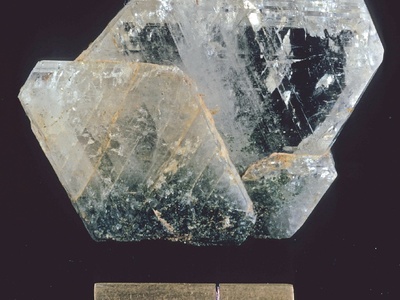
Albite
Sodium feldspar found in pegmatites and hydrothermal veins. Often intergrown with microcline and quartz; notable as a common pegmatite constituent and for blocky, white to translucent crystals.

Muscovite
Light-colored mica in pegmatites and schists, forming shiny thin sheets. Collectible for large, silvery books and commonly associated with quartz, feldspar and tourmaline.
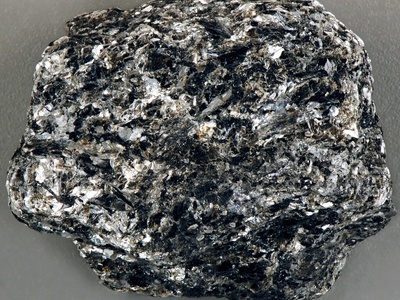
Biotite
Dark mica in Connecticut gneisses and schists. Forms flaky crystals in metamorphic rocks and pegmatites; useful for identifying metamorphic grade and common in roadside outcrops.
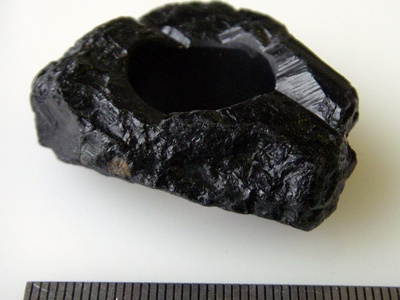
Tourmaline (schorl)
Black schorl tourmaline occurs in local pegmatites with quartz and mica. Sought after by collectors for prismatic crystals and as an indicator mineral in rare mineral assemblages.
Beryl
Beryl (including small aquamarine) reported from CT pegmatites in coarse, often pale crystals. Valuable and notable for gem-quality potential, though large gem crystals are rare in the state.
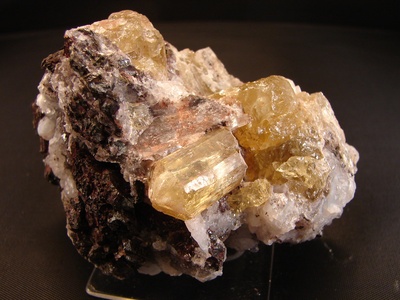
Apatite
Accessory mineral in CT pegmatites, occurring as short prismatic crystals. Collectible for its vivid green to bluish colors and association with beryl and mica.
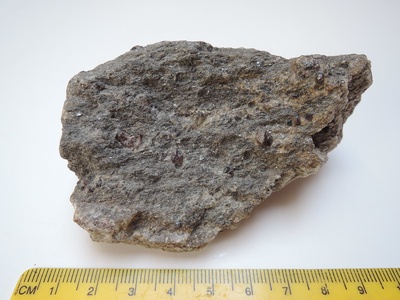
Garnet (almandine)
Red to brown almandine garnets occur in schists and gneisses. Common metamorphic mineral, notable for gemmy crystals in certain outcrops and as an index of metamorphic conditions.
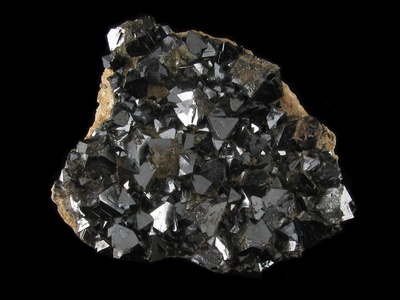
Magnetite
Primary iron oxide in the historic Salisbury iron deposits. Forms metallic, often magnetic crystals and masses; historically mined and of interest to mineral and regional history collectors.
Hematite
Iron oxide common in weathered ore and metamorphic rocks. Forms earthy to metallic masses and is linked to historic iron mining in northwest Connecticut.
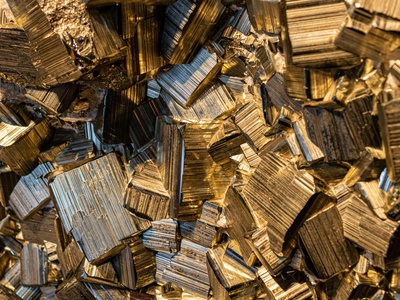
Pyrite
Widely distributed sulfide, forming brassy cubic crystals in veins, skarns and metamorphic rocks. A common find for collectors and often mistaken for gold by novices.
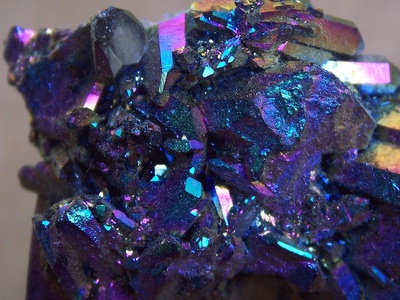
Chalcopyrite
Primary copper ore in Connecticut copper-bearing veins, forming brassy, iridescent crystals. Collectors value well-formed crystals from Cornwall and other historic mine sites.
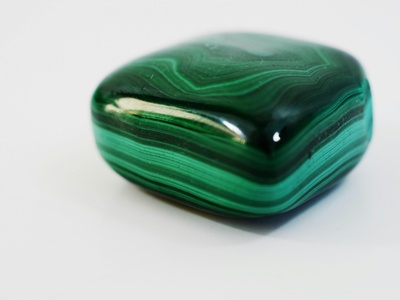
Malachite
Green copper secondary mineral that forms crusts and botryoidal coatings in mine oxidation zones. Popular for bright green color and as an indicator of copper mineralization.
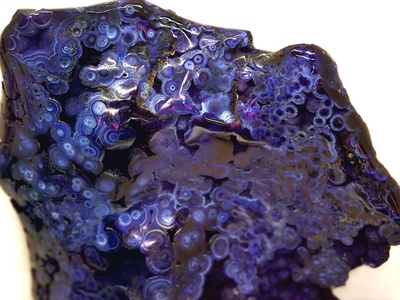
Azurite
Deep blue secondary copper carbonate occurring with malachite in oxidized zones. Sought by collectors for its vivid color, though usually fine-grained in CT.
Calcite
Very common carbonate mineral in veins, cavities and minor marble bodies. Forms rhombohedral crystals and scalenohedral dogtooth spar; highly varied and collectible in many localities.
Dolomite
Found in small metamorphosed carbonate lenses and veins. Occurs with calcite and skarn assemblages; notable where carbonate rocks have been recrystallized.
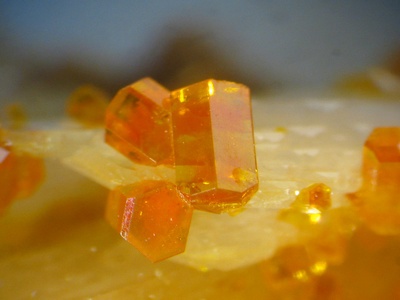
Barite
Heavy sulfate mineral that occurs in vein fillings and minor hydrothermal occurrences. Collected for its weight and tabular crystals where found in Connecticut.
Analcime
Common zeolite in amygdules of Connecticut basalt flows. Forms white to clear trapezohedral crystals, popular with collectors from roadside quarries and basalt exposures.
Natrolite
Fibrous to radiating zeolite in basalt cavities. Noted for needle-like crystals and association with other zeolites in Hartford Basin basalts.
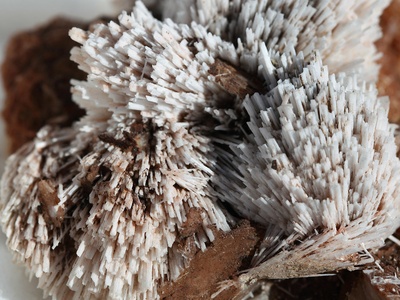
Stilbite
Soft, sheaf-like zeolite crystals lining basalt vugs. A common and attractive zeolite collected from Connecticut traprock quarries.
Heulandite
Occurs with other zeolites in basalt vesicles, forming tabular crystals and cream to salmon-colored aggregates; a familiar zeolite in CT basalt localities.
Chabazite
Zeolite that forms blocky, well-formed crystals in basalt amygdules. Collected for distinct crystal habit and association with analcime and natrolite.
Laumontite
Less common zeolite in CT basalts; forms clear to white prismatic crystals and occurs in cavities with other zeolites and calcite.
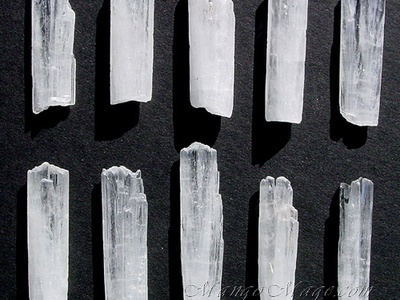
Scolecite
Radiating acicular zeolite that appears in some basalt vugs. Valued for delicate sprays and rarity compared with more common zeolites.
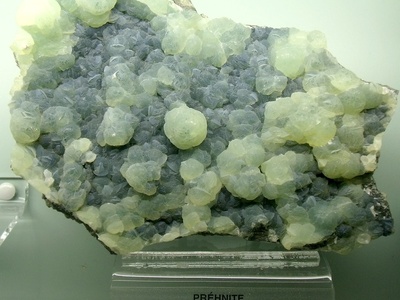
Prehnite
Occurs in basalt cavities and in low-grade metamorphic settings. Known to form green botryoidal masses and is often found with zeolite minerals.
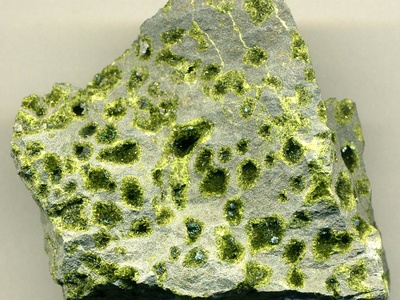
Epidote
Green pistachio-colored mineral in metamorphic rocks and skarn zones. Indicator of alteration and metamorphism, often occurring with garnet and chlorite.
Zircon
Accessory mineral in igneous and metamorphic rocks. Tiny, high-relief crystals are prized by collectors and geologists for dating and trace-element studies.
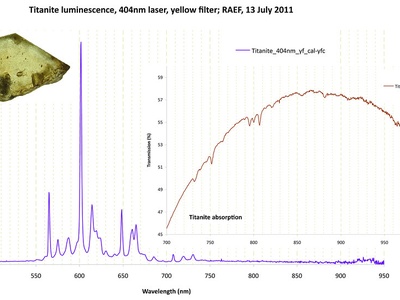
Titanite (sphene)
Accessory titanium mineral in metamorphic gneisses and skarns. Forms wedge-shaped crystals and is notable for high dispersion and colorful crystals.
Staurolite
Forms distinctive prismatic to cross-shaped crystals in higher-grade schists. Collector interest stems from twinned forms and use as an index mineral of metamorphism.
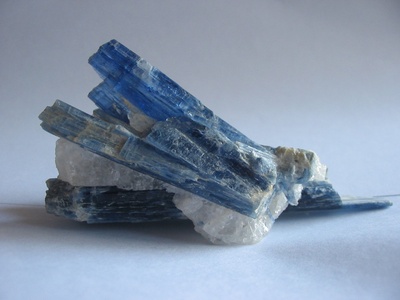
Kyanite
Bladed blue to gray crystals in high-pressure schists. Anisotropic hardness and distinctive habit make it notable in CT metamorphic terrains.
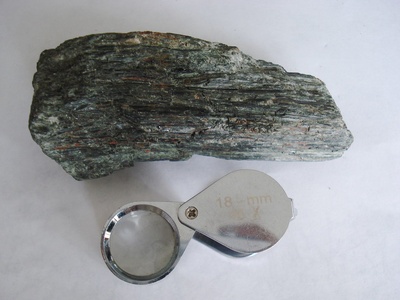
Actinolite
Green amphibole common in altered mafic rocks and metamorphic belts. Occurs as fibrous to prismatic crystals and is important in regional metamorphism.
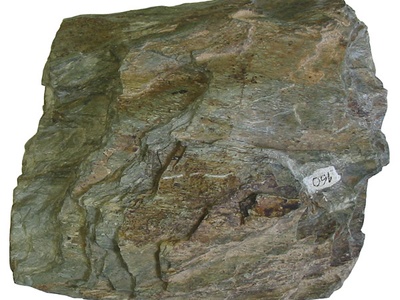
Chlorite
Common alteration mineral in low- to medium-grade metamorphic rocks and hydrothermal zones. Forms soft green flaky aggregates and helps identify metamorphic facies.
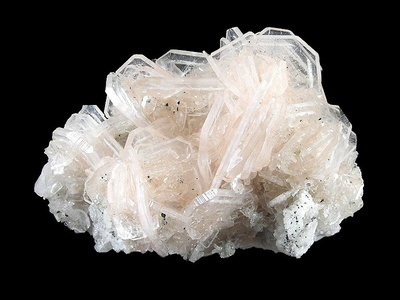
Apophyllite
Transparent to translucent crystals lining basalt cavities. Appreciated by collectors for glassy, often cubic or tabular crystals associated with zeolites.
Apatite (fluorapatite)
Common accessory in pegmatites and metamorphic rocks, forming hexagonal prisms. Collectible for color range and association with gem minerals like beryl.
Ilmenite
Titanium-iron oxide occurring as black granular or tabular crystals in metamorphic and igneous rocks. Of interest as an accessory mineral in pegmatites and gneisses.
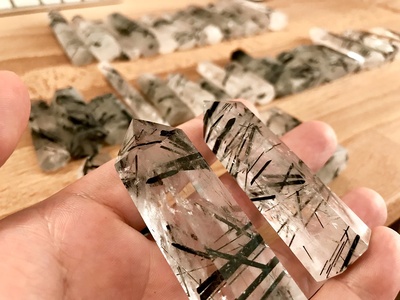
Rutile
Needle-like titanium oxide crystals in schists and pegmatites. Collected for acicular habits and as an important accessory for metamorphic studies.
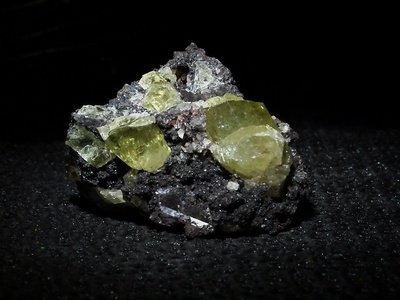
Fluorapatite
A phosphate variety occurring as prismatic crystals in pegmatites and veins. Collectors prize well-formed specimens and it often associates with beryl and mica.
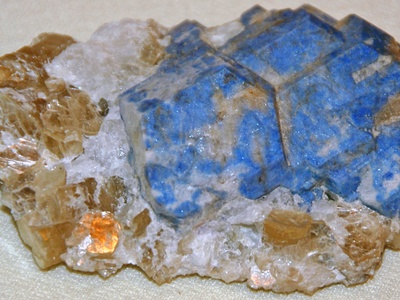
Scapolite
Occurs in skarn and contact-metamorphosed carbonate horizons. Forms blocky crystals and is notable where calcareous rocks have been altered by igneous intrusions.
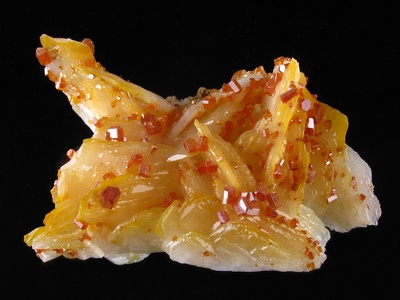
Barite (baryte)
Heavy sulfate mineral found in limited hydrothermal veins and cavities. Collected for its weight and tabular to bladed crystals where present.
Chloritoid
Metamorphic mineral occurring in aluminous schists. Recognized by foliated habit and association with garnet and staurolite in higher-grade belts.
Kyanite (gem variety)
Blue bladed kyanite crystals sometimes of gem interest. Not common as faceting material in CT but notable for classic metamorphic occurrence.
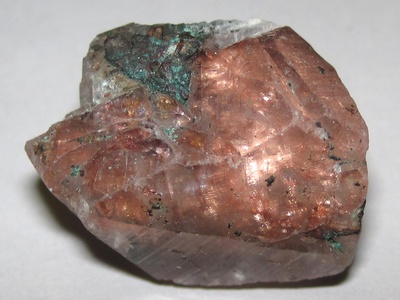
Copper (native copper occurrences as mineralization)
Native copper locally reported in oxidized zones and near copper veins. Usually as small masses or coatings, of interest to mineral historians and collectors.
Gibbsite
Secondary aluminum hydroxide from weathering of feldspars and micas. Forms earthy to platy aggregates and indicates intense chemical weathering in local pockets.