From the smallest lab samples to measurements of cosmic rays, knowing which forms of an element exist helps explain processes in nature and technology. A clear, ordered list makes it easier to spot patterns in stability, decay and elemental behavior across different mass numbers.
There are 69 Isotopes, ranging from Aluminum-26 to Zirconium-90. For each entry you’ll find below Atomic number (Z), Mass number (A), and Half-life so you can quickly compare identity and stability at a glance; the arrangement makes it simple to sort by element, mass or how long a nuclide persists in nature or the lab.
Which entries in the list are stable versus radioactive?
Look at the Half-life column: stable isotopes are shown as having no measurable decay (often listed as “stable”), while radioactive ones have a finite half-life. The list lets you quickly spot examples—Aluminum-26 is a known radioisotope, whereas Zirconium-90 is a stable isotope—so use the half-life information to classify each entry.
How can I use this list for study or research?
Use Atomic number (Z) and Mass number (A) to identify isotopic relationships, sort or filter by Half-life to focus on long-lived versus short-lived species, and cite specific A and Z values when comparing data; the table below is organized to support those workflows.
Isotopes
| Isotope | Atomic number (Z) | Mass number (A) | Half-life |
|---|---|---|---|
| Hydrogen-1 | 1 | 1 | stable |
| Hydrogen-2 | 1 | 2 | stable |
| Hydrogen-3 | 1 | 3 | 12.32 y |
| Helium-3 | 2 | 3 | stable |
| Helium-4 | 2 | 4 | stable |
| Carbon-12 | 6 | 12 | stable |
| Carbon-13 | 6 | 13 | stable |
| Carbon-14 | 6 | 14 | 5,730 y |
| Nitrogen-14 | 7 | 14 | stable |
| Oxygen-16 | 8 | 16 | stable |
| Oxygen-18 | 8 | 18 | stable |
| Fluorine-18 | 9 | 18 | 110.00 min |
| Fluorine-19 | 9 | 19 | stable |
| Sodium-22 | 11 | 22 | 2.60 y |
| Sodium-23 | 11 | 23 | stable |
| Magnesium-24 | 12 | 24 | stable |
| Aluminum-26 | 13 | 26 | 717,000 y |
| Silicon-28 | 14 | 28 | stable |
| Phosphorus-31 | 15 | 31 | stable |
| Sulfur-32 | 16 | 32 | stable |
| Chlorine-35 | 17 | 35 | stable |
| Potassium-40 | 19 | 40 | 1,248,000,000 y |
| Calcium-40 | 20 | 40 | stable |
| Iron-56 | 26 | 56 | stable |
| Cobalt-60 | 27 | 60 | 5.27 y |
| Nickel-56 | 28 | 56 | 6.08 d |
| Copper-64 | 29 | 64 | 12.70 h |
| Zinc-65 | 30 | 65 | 244.10 d |
| Strontium-90 | 38 | 90 | 28.79 y |
| Yttrium-90 | 39 | 90 | 2.67 d |
| Zirconium-90 | 40 | 90 | stable |
| Technetium-99 | 43 | 99 | 211,100 y |
| Technetium-99m | 43 | 99m | 6.01 h |
| Molybdenum-99 | 42 | 99 | 66.00 h |
| Iodine-131 | 53 | 131 | 8.02 d |
| Iodine-127 | 53 | 127 | stable |
| Xenon-135 | 54 | 135 | 9.14 h |
| Cesium-137 | 55 | 137 | 30.17 y |
| Barium-137m | 56 | 137m | 2.55 min |
| Lead-206 | 82 | 206 | stable |
| Polonium-210 | 84 | 210 | 138.38 d |
| Radon-222 | 86 | 222 | 3.82 d |
| Uranium-235 | 92 | 235 | 703,800,000 y |
| Uranium-238 | 92 | 238 | 4,468,000,000 y |
| Plutonium-239 | 94 | 239 | 24,100 y |
| Americium-241 | 95 | 241 | 432.20 y |
| Radium-226 | 88 | 226 | 1,600 y |
| Thorium-232 | 90 | 232 | 14,050,000,000 y |
| Gold-197 | 79 | 197 | stable |
| Gold-198 | 79 | 198 | 2.70 d |
| Silver-107 | 47 | 107 | stable |
| Silver-109 | 47 | 109 | stable |
| Samarium-153 | 62 | 153 | 46.30 h |
| Lutetium-177 | 71 | 177 | 6.65 d |
| Carbon-11 | 6 | 11 | 20.33 min |
| Phosphorus-32 | 15 | 32 | 14.29 d |
| Calcium-41 | 20 | 41 | 99,400 y |
| Iron-60 | 26 | 60 | 2,600,000 y |
| Nickel-63 | 28 | 63 | 100.10 y |
| Copper-67 | 29 | 67 | 2.58 d |
| Zinc-64 | 30 | 64 | stable |
| Strontium-89 | 38 | 89 | 50.50 d |
| Iodine-123 | 53 | 123 | 13.22 h |
| Xenon-133 | 54 | 133 | 5.24 d |
| Cesium-134 | 55 | 134 | 2.06 y |
| Bromine-82 | 35 | 82 | 35.30 h |
| Ruthenium-106 | 44 | 106 | 373.59 d |
| Lead-210 | 82 | 210 | 22.20 y |
| Americium-243 | 95 | 243 | 7,370 y |
Images and Descriptions

Hydrogen-1
Stable, most common hydrogen isotope found in water and organic matter; nonradioactive. Widely used in chemistry, industry, and as a reference for atomic mass. No decay; safe chemically but reactive in elemental form and important to fuels and biology.
Hydrogen-2
Deuterium is a stable hydrogen isotope naturally present in water at low abundance. Used in heavy-water reactors, NMR studies, and tracer experiments. Nonradioactive, produced via water enrichment; chemically similar to H-1 but with different physical properties.
Hydrogen-3
Tritium is radioactive with a 12.32-year half-life, produced in reactors and by cosmic rays. Emits low-energy beta particles, used in luminous paints, self-powered lighting, and fusion research. Hazardous if ingested or inhaled due to internal beta radiation.

Helium-3
Helium-3 is a rare, stable helium isotope found in trace amounts from cosmic sources and gas wells. Valuable for neutron detection, cryogenics, and low-temperature physics. Nonradioactive and nonhazardous, prized for research and specialized detectors.
Helium-4
Helium-4 is the abundant, stable helium isotope produced by stellar nucleosynthesis and radioactive decay. Widely used for cryogenics, welding, and breathing mixtures. Nonradioactive and inert; essential to low-temperature physics and helium-based industrial applications.
Carbon-12
Carbon-12 is the dominant stable carbon isotope, comprising most natural carbon. Fundamental to organic chemistry, mass standards, and materials. Nonradioactive and ubiquitous in life and fossil fuels; not hazardous, used as a baseline in isotopic measurements.
Carbon-13
Carbon-13 is a stable, naturally occurring carbon isotope used in NMR spectroscopy and environmental tracing. Nonradioactive and present at about 1.1% abundance. Valuable for metabolic studies, geochemistry, and forensic isotope analysis.
Carbon-14
Radioactive carbon-14 has a 5,730-year half-life, produced by cosmic-ray interactions and used for radiocarbon dating. Beta emitter formed in the atmosphere; key to archaeology and geology. Hazard is low external but ingestion can be a radiological concern.
Nitrogen-14
Nitrogen-14 is the dominant stable nitrogen isotope found in the atmosphere and organic matter. Nonradioactive, used in isotope geochemistry and as a reference for nitrogen studies. Important for biology, agriculture, and environmental tracing.
Oxygen-16
Oxygen-16 is the most abundant stable oxygen isotope, essential in water, air, and life. Nonradioactive and produced in stars. Used in paleoclimate and geochemical studies for its isotopic signatures; not hazardous and critical to respiration chemistry.
Oxygen-18
Oxygen-18 is a stable, minor oxygen isotope used in paleoclimate reconstruction and hydrology. Naturally occurring and nonradioactive, it helps trace water sources and temperatures through isotope ratio measurements. Safe and important in Earth science research.
Fluorine-18
Fluorine-18 is a short-lived PET medical radionuclide with ~110-minute half-life produced in cyclotrons. Decays by positron emission to oxygen-18 and is used to image metabolism (e.g., FDG). Useful clinically but must be handled with radioprotection.
Fluorine-19
Fluorine-19 is the only stable fluorine isotope, abundant and used in NMR and tracer studies. Nonradioactive and common in fluorinated compounds and industrial chemistry. Not a radiological hazard though many fluorine compounds have chemical toxicity.
Sodium-22
Sodium-22 is a positron emitter with a 2.60-year half-life produced in accelerators. Used as a calibration source and in research. Decays by positron emission and electron capture; requires radiation precautions when handled due to gamma emissions.
Sodium-23
Sodium-23 is the only stable sodium isotope, ubiquitous in nature and biological systems. Nonradioactive and important in physiology and chemistry. Used as a reference in NMR and abundant in salts and mineral deposits.
Magnesium-24
Magnesium-24 is a common stable isotope of magnesium found in minerals and biological tissues. Nonradioactive and used in geochemical studies and isotope fractionation research. Chemically reactive as a metal but not radiologically hazardous.
Aluminum-26
Aluminum-26 is a long-lived radionuclide (~717,000 years) produced by cosmic rays and in supernovae; also formed in reactors. Decays by positron emission, used in astrophysics and solar system chronology. Low natural abundance; radiological handling required.
Silicon-28
Silicon-28 is the most abundant stable silicon isotope used in semiconductor industry standards and isotope studies. Nonradioactive and major component of rock-forming minerals. Important for materials science and silicon-based technologies.
Phosphorus-31
Phosphorus-31 is the only stable phosphorus isotope, essential in biology in DNA and ATP. Nonradioactive and used in NMR and tracer studies. Ubiquitous in soils, fertilizers, and biochemistry; not radiologically hazardous though chemically reactive in compounds.
Sulfur-32
Sulfur-32 is the dominant stable sulfur isotope found in minerals and biological systems. Nonradioactive, used in sulfur cycle and environmental tracing studies. Important industrially in sulfuric acid production; chemical hazards depend on compound, not isotope.
Chlorine-35
Chlorine-35 is a common stable chlorine isotope present in salts and sea water. Nonradioactive, used in geochemistry and isotope ratio studies. Chemically reactive as part of compounds; isotopic identity is important for tracing environmental and industrial processes.
Potassium-40
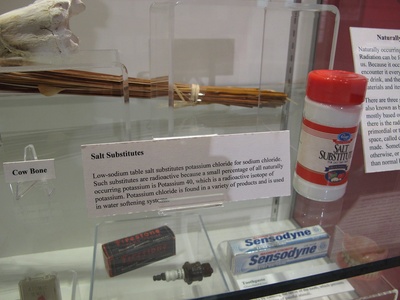
Potassium-40 is a naturally occurring radioactive isotope with a 1,248,000,000-year half-life, produced cosmically and in Earth materials. Decays by beta and electron capture, important for geological dating and contributes to natural background radiation.
Calcium-40
Calcium-40 is the most abundant stable calcium isotope, found in bones, rocks, and shells. Nonradioactive and used as a reference in geochemistry and biomineral studies. Chemically active in biology but not radiologically hazardous.
Iron-56
Iron-56 is a stable, highly bound isotope formed in stars, abundant in Earth’s crust and meteorites. Nonradioactive and central to metallurgy, biology (hemoglobin), and nuclear binding energy studies. Not radiologically hazardous; chemically important.
Cobalt-60
Cobalt-60 is a man-made gamma-emitter with a 5.27-year half-life produced in reactors. Decays by beta to stable nickel, emitting strong gamma rays used in sterilization, industrial radiography, and cancer therapy. Highly radiotoxic without shielding.
Nickel-56
Nickel-56 is a short-lived radionuclide produced in supernovae and some reactors with a 6.08-day half-life. Decays by electron capture to cobalt-56; key for powering supernova light curves. Synthetic in labs; radioactive and of astrophysical interest.
Copper-64
Copper-64 is a cyclotron-produced radionuclide with a 12.7-hour half-life emitting beta-plus and beta-minus; used in PET imaging and targeted radiotherapy. Versatile in medical research; requires radiological controls due to its decay radiation.
Zinc-65
Zinc-65 is a reactor-produced gamma-emitter with a 244.1-day half-life used as a tracer in biological and industrial studies. Decays by electron capture to copper-65; handled with radioprotection because of gamma emissions.
Strontium-90
Strontium-90 is a fission product with a 28.79-year half-life, produced in nuclear reactors and fallout. Beta emitter that concentrates in bone, used in radioisotope thermoelectric generators and medicine; poses long-term health hazards if incorporated.
Yttrium-90
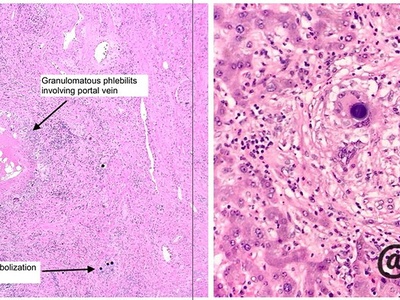
Yttrium-90 is a high-energy beta emitter with a 2.67-day half-life produced from strontium-90 or generators. Widely used in radiotherapy for cancer and radiopharmaceuticals. Decays to stable zirconium-90; requires radiological safety for handling.
Zirconium-90
Zirconium-90 is a stable isotope abundant in minerals and used in nuclear cladding and materials research. Nonradioactive and chemically significant in geochronology and material science. Not a radiological hazard though chemical reactivity depends on compounds.
Technetium-99
Technetium-99 is a long-lived fission product with a 211,100-year half-life produced in reactors. Beta emitter with environmental mobility; used in research and important in nuclear waste management. Radioactive, requiring containment and monitoring.
Technetium-99m
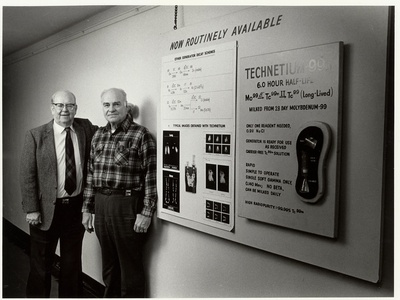
Tc-99m is a metastable medical isotope with a 6.01-hour half-life produced from molybdenum-99 generators. Decays by gamma emission ideal for diagnostic imaging (SPECT). Short-lived, widely used clinically with controlled radiological protocols.
Molybdenum-99
Molybdenum-99 has a 66-hour half-life and decays to Tc-99m; produced in reactors. It’s the main source of technetium-99m for medical diagnostics. Requires careful production and transport due to radioactive content and regulatory controls.
Iodine-131
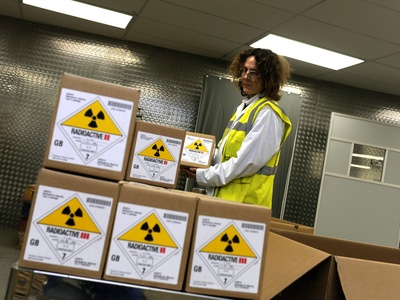
Iodine-131 is a beta and gamma emitter with an 8.02-day half-life produced in reactors and fallout. Used in thyroid disease diagnosis and therapy; accumulates in the thyroid and can be hazardous in nuclear incidents without protective measures.
Iodine-127
Iodine-127 is the only stable iodine isotope, abundant in seawater and essential for thyroid function. Nonradioactive; used in nutritional studies and chemistry. Stable isotope studies help track environmental iodine cycling and food-chain transfer.
Xenon-135
Xenon-135 is a potent neutron absorber and fission product with a 9.14-hour half-life, important in reactor control and “xenon poisoning.” Decays by beta to cesium-135; produced during fission and affects reactor operation and fuel management.
Cesium-137
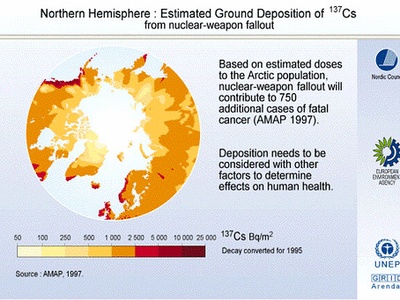
Cesium-137 is a major fission product with a 30.17-year half-life, emitting beta and strong gamma radiation. Used in industrial gauges and research; widespread in fallout and requires long-term containment due to environmental mobility and radiological hazard.
Barium-137m
Barium-137m is a metastable isomer with a 2.55-minute half-life produced from cesium-137 decay; emits a 662 keV gamma used for detector calibration. Short-lived and created in decay chains; useful in instrumentation but radiologically active.
Lead-206
Lead-206 is a stable end-product of the uranium-238 decay chain found in ores and sediments. Nonradioactive, used in isotopic geology and age dating. Not radiologically hazardous itself, but its presence indicates past radioactivity and geological processes.
Polonium-210
Polonium-210 is a highly radioactive alpha emitter with a 138.38-day half-life produced by decay of uranium-series isotopes or neutron activation. Used as a neutron source and in industry; extremely toxic if ingested due to intense alpha radiation.
Radon-222
Radon-222 is a noble gas produced by radium-226 decay with a 3.82-day half-life; it seeps from soils into buildings. An alpha emitter linked to lung cancer risk; monitoring and mitigation are important in affected homes and mines.
Uranium-235
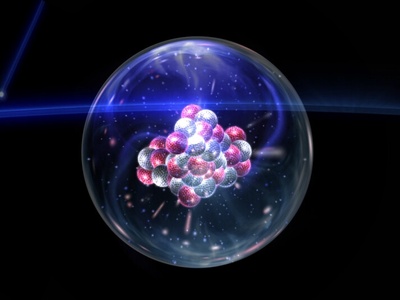
Uranium-235 is a fissile isotope with a 703,800,000-year half-life, naturally present and enriched for reactors and weapons. Undergoes neutron-induced fission releasing energy and neutrons; critical in power generation and nuclear weapons with significant radiological hazards.
Uranium-238
Uranium-238 is the most abundant uranium isotope with a 4,468,000,000-year half-life, undergoing alpha decay to thorium-234. Used for breeder fuel, dating, and as a source of plutonium-239; radioactive and chemically toxic in environment.
Plutonium-239
Plutonium-239 is a man-made fissile isotope with a 24,100-year half-life produced in reactors from uranium-238. Used in nuclear weapons and MOX fuel; alpha emitter posing long-term radiotoxicity and serious proliferation concerns requiring strict controls.
Americium-241
Americium-241 is a synthetic alpha-emitter with a 432.2-year half-life produced in reactors. Widely used in smoke detectors and industrial gauges. Radiotoxic if ingested or inhaled; requires careful handling and disposal due to long-lived activity.
Radium-226
Radium-226 is a naturally occurring alpha emitter with a 1,600-year half-life from uranium decay. Historically used in luminous paints and medical applications; now known to be highly radiotoxic and chemically reactive, requiring strict safety and remediation.
Thorium-232
Thorium-232 is a long-lived natural radioactive isotope with a 14,050,000,000-year half-life, occurring in minerals and considered for nuclear fuel cycles. Decays by alpha emission through long chains; moderately radioactive and significant in geology and energy research.
Gold-197
Gold-197 is the only stable gold isotope, ubiquitous in nature and used in jewelry, electronics, and medicine. Nonradioactive and chemically inert; important in material science and catalysis. Not a radiological hazard though gold chemistry has toxic compounds.
Gold-198
Gold-198 is a radioactive isotope with a 2.70-day half-life produced by neutron activation. Emits beta and gamma radiation used in medical therapy and research. Short-lived and handled with radiological procedures; decays to stable mercury-198.
Silver-107
Silver-107 is one of two stable silver isotopes, present in natural silver and used in coinage, photography, and electronics. Nonradioactive and important in material properties and isotope studies. Chemical toxicity depends on compound, not isotope.
Silver-109
Silver-109 is a stable silver isotope found naturally alongside Ag-107. Nonradioactive and used in electronics and isotope ratio analysis. Silver compounds may have chemical hazards, but the isotope itself is not radiologically active.
Samarium-153
Samarium-153 is a therapeutic radionuclide with a 46.3-hour half-life produced in reactors. Emits beta particles used to treat bone pain from metastases. Requires radiological precautions in production and clinical use; decays to stable europium isotopes.
Lutetium-177
Lutetium-177 is a reactor-produced beta and gamma emitter with a 6.65-day half-life used in targeted radionuclide therapy for cancer. Decays to stable hafnium; valued for therapeutic use with manageable half-life and requires radiological treatment protocols.
Carbon-11
Carbon-11 is a positron-emitting radionuclide with a 20.33-minute half-life produced in cyclotrons for PET tracers. Used in metabolic and receptor imaging; very short-lived requiring on-site production and rapid synthesis of radiopharmaceuticals.
Phosphorus-32
Phosphorus-32 is a beta-emitting radionuclide with a 14.29-day half-life used in molecular biology and radiotherapy. Produced in reactors, it labels DNA and molecules for research and therapy. Hazardous if incorporated; requires shielding and contamination control.
Calcium-41
Calcium-41 is a long-lived radionuclide with a ~99,400-year half-life produced by cosmic rays and neutron activation. Used in Earth science and meteorite studies. Weakly radioactive and rare, it requires sensitive detection methods for studies.
Iron-60
Iron-60 is a rare, long-lived radionuclide (~2.6 million years) produced in supernovae and cosmic-ray spallation. Found in meteorites and ocean crust; used to study stellar events and solar history. Radioactive and of astrophysical interest, not a common hazard.
Nickel-63
Nickel-63 is a beta-emitter with a 100.1-year half-life produced by neutron activation, used in electron capture detectors and sealed sources. Low-energy beta makes it useful industrially; requires radiological controls though external hazard is limited.
Copper-67
Copper-67 is a beta and gamma-emitter with a 2.58-day half-life produced in reactors or accelerators. Investigated for targeted radiotherapy and diagnostics; handled under radioprotection given its therapeutic potential and decay characteristics.
Zinc-64
Zinc-64 is a stable isotope common in biological systems and minerals. Nonradioactive, used for isotopic labeling and studies of metabolic pathways. Important in enzyme function and materials applications; not a radiological concern though chemical toxicity depends on compounds.
Strontium-89
Strontium-89 is a beta-emitter with a 50.5-day half-life produced in reactors for palliative treatment of bone pain in cancer. Mimics calcium and concentrates in bone; therapeutic benefits require careful handling due to bone-seeking radiotoxicity.
Iodine-123
Iodine-123 is a cyclotron-produced gamma emitter with a 13.22-hour half-life used for diagnostic thyroid imaging. Decays by electron capture to tellurium, offering favorable imaging with limited patient radiation dose; short-lived and clinically valuable.
Xenon-133
Xenon-133 is a noble gas beta emitter with a 5.24-day half-life used in pulmonary ventilation imaging and tracer studies. Produced in reactors, it is inhaled for diagnostics; short-lived but requires radiological handling and ventilation control.
Cesium-134
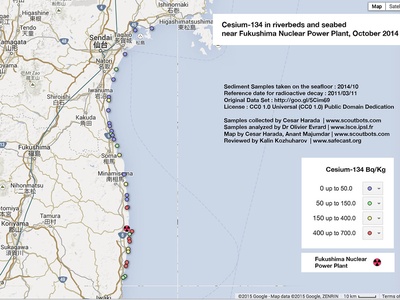
Cesium-134 is a reactor-produced gamma emitter with a 2.06-year half-life often found in fallout and contamination alongside Cs-137. Emits beta and gamma radiation, used in research and requires monitoring due to environmental mobility and radiological hazard.
Bromine-82
Bromine-82 is a radioactive isotope with a 35.3-hour half-life produced in reactors and used as a tracer in chemical and biological studies. Decays by beta emission and electron capture; handled under radiological safety protocols in labs.
Ruthenium-106
Ruthenium-106 is a fission product with a 373.59-day half-life used in brachytherapy and research. Emits beta radiation and requires radiological controls; notable for environmental monitoring after nuclear releases due to its medium-term persistence.
Lead-210
Lead-210 is a naturally occurring decay-product radionuclide with a 22.2-year half-life from radon decay. Accumulates in sediments and biological tissues; beta emitter used in environmental dating. Hazardous if concentrated due to radiation and lead toxicity.
Americium-243
Americium-243 is a long-lived synthetic isotope with a 7,370-year half-life produced in reactors. Alpha emitter used in research and source applications; radiotoxic and requires careful handling and long-term disposal strategies.