Rhode Island packs a surprising variety of rocks and minerals into a compact area, from glacial deposits along the shore to pegmatite pockets inland. Local collectors and the state geological survey have long noted that roadside cuts, old quarries, and stream beds can reveal well-formed crystals and interesting accessory minerals.
There are 15 Minerals in Rhode Island, ranging from Albite to Tourmaline (Schorl). For each entry you’ll find below Chemical formula, Hardness (Mohs), Typical localities in RI so you can quickly compare identification features and likely sources before you go out looking.
Where are the best places in Rhode Island to look for minerals?
Start with accessible exposures: coastal cliffs, stream gravels, old quarry faces and known pegmatite sites. Use geological maps and local rock club reports to narrow sites, and target areas with documented finds for the specific minerals you’re after.
Do I need permission to collect minerals in Rhode Island?
Yes—always get landowner permission for private property, and check rules for state parks, preserves, and beaches; many protected areas prohibit or limit collecting, so confirm regulations beforehand and follow responsible-collecting guidelines.
Minerals in Rhode Island
| Name | Chemical formula | Hardness (Mohs) | Typical localities in RI |
|---|---|---|---|
| Quartz | SiO2 | 7 | Westerly granite, beaches, pegmatites |
| Microcline | KAlSi3O8 | 6-6.5 | Westerly granite quarries |
| Albite | NaAlSi3O8 | 6-6.5 | Westerly intrusives, pegmatites |
| Muscovite | KAl2(AlSi3O10)(OH)2 | 2-2.5 | Westerly, Burrillville, pegmatites |
| Biotite | K(Mg,Fe)3AlSi3O10(OH)2 | 2.5-3 | Westerly granite, gneisses, schists |
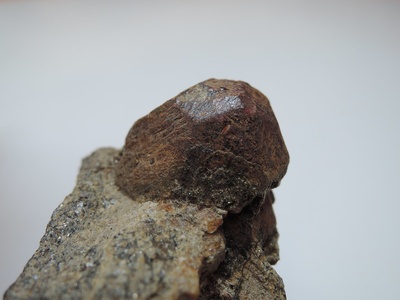
| Garnet (Almandine) | Fe3Al2(SiO4)3 | 7-7.5 | Burrillville, Glocester, northwestern RI schists |
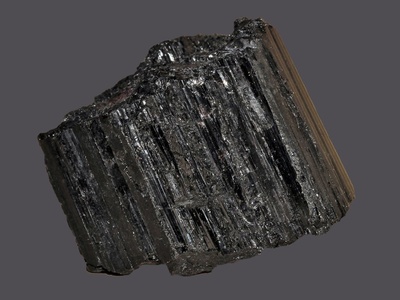
| Tourmaline (Schorl) | NaFe3Al6(BO3)3Si6O18(OH)4 | 7-7.5 | Westerly-area pegmatites and intrusives |
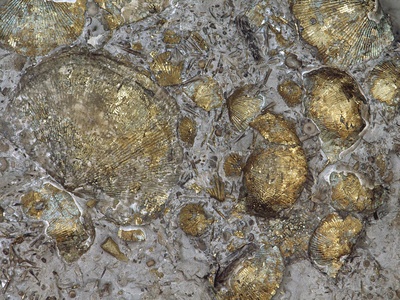
| Pyrite | FeS2 | 6-6.5 | Cumberland, Pawtucket, vein exposures statewide |
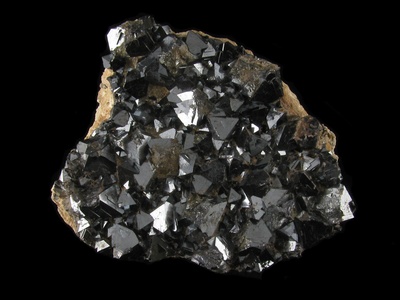
| Magnetite | Fe3O4 | 5.5-6.5 | Westerly granite, iron-rich layers in NW RI |
| Hematite | Fe2O3 | 5-6.5 | Northern RI, Blackstone Valley historic iron sites |
| Chlorite | (Mg,Fe)5Al(Si3Al)O10(OH)8 | 2-2.5 | Burrillville, Glocester schists |
| Epidote | Ca2(Al,Fe)3(SiO4)3(OH) | 6-7 | Altered intrusives, contact zones statewide |
| Calcite | CaCO3 | 3 | Vein fillings, minor local limestones and marbles |
| Apatite | Ca5(PO4)3(F,Cl,OH) | 5 | Accessory in pegmatites and granites (Westerly) |
| Hornblende | (Ca,Na)2-3(Mg,Fe,Al)5(Al,Si)8O22(OH)2 | 5-6 | Gabbroic and metamorphic outcrops statewide |
Images and Descriptions
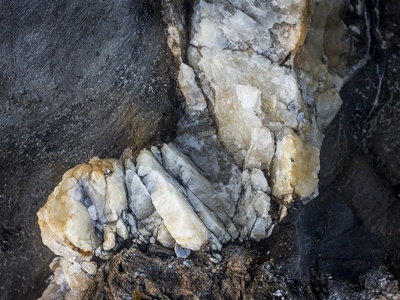
Quartz
Common, glassy, colorless to smoky crystals or milky masses in pegmatites and granite; easy to identify by hardness (7) and conchoidal fracture. Found in Westerly granite, glacial beach pebbles, and vein fillings across Rhode Island — a collector favorite.
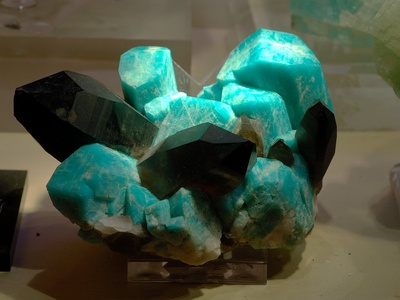
Microcline
Pink to salmon or white blocky feldspar crystals in Westerly granite; two cleavages at nearly right angles and moderate hardness. Microcline is a dominant K-feldspar in RI granites and granite quarries, often seen in hand-specimens from Westerly.
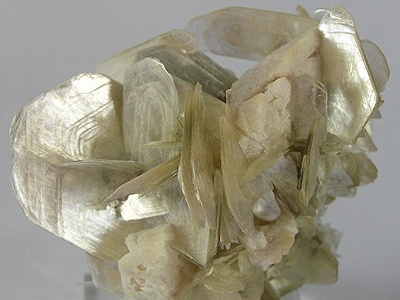
Albite
Sodium plagioclase feldspar forming white to gray blocky crystals in pegmatites and granites; two cleavages, glassy lustre. Albite occurs in Westerly intrusives and associated pegmatites, important for understanding local igneous rocks.

Muscovite
Silvery, flaky mica with pearly luster, peels into thin flexible sheets. Occurs in granites, pegmatites, and metamorphic schists around Westerly, Burrillville, and other exposures; handy for recognizing metamorphic and pegmatitic rocks.
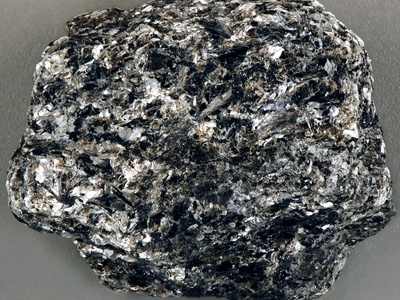
Biotite
Dark brown to black mica with shiny plates, flakes easily along basal cleavage. Common in Westerly granite, gneisses and schists across Rhode Island; contrasts with muscovite and helps identify metamorphic grade.
Garnet (Almandine)
Deep red to brownish rounded crystals in metamorphic schists; dodecahedral forms and a relatively hard surface. Almandine garnets are found in Burrillville, Glocester and northwestern Rhode Island schists, prized by rockhounds for easy recognition.
Tourmaline (Schorl)
Black, elongated prismatic crystals often striated lengthwise; vitreous luster and hardness about 7. Schorl occurs in pegmatites and granite-related pockets, notably in Westerly-area intrusives, and is collectible for its well-formed crystals.
Pyrite
Brassy, metallic cubic crystals (fool’s gold) with greenish-black streak; common in veins and metamorphic rocks. Pyrite is widespread in Rhode Island exposures, notably in Cumberland and Pawtucket, and often found in small vugs and roadcuts.
Magnetite
Black, magnetic oxide in granular to octahedral crystals; metallic lustre and heavy feel. Present in Westerly granite and iron-rich metamorphic layers in northwestern Rhode Island, useful for magnet tests in the field.
Hematite
Reddish-brown to metallic black iron oxide, earthy to metallic lusters; gives red streak. Hematite and related iron oxides occur in small deposits and historically in iron-bearing rocks of northern Rhode Island and the Blackstone Valley.

Chlorite
Green, flaky to platy metamorphic mineral with dull to pearly luster; soft and typically in schists. Common in low-grade metamorphic rocks in Burrillville and Glocester, chlorite gives rocks a greenish tint and indicates alteration.
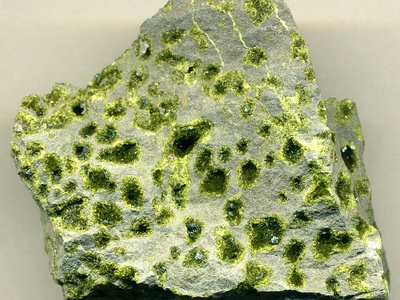
Epidote
Green pistachio-colored prismatic crystals or granular aggregates; glassy luster and moderate hardness. Epidote occurs around altered intrusives and metamorphic contacts in parts of Rhode Island, often in small veins and fractures.
Calcite
Transparent to white rhombohedral crystals with vitreous luster and strong effervescence in acid; soft (3). Calcite appears in vein fillings, cavities, and minor limestones or marbles exposed locally in Rhode Island.
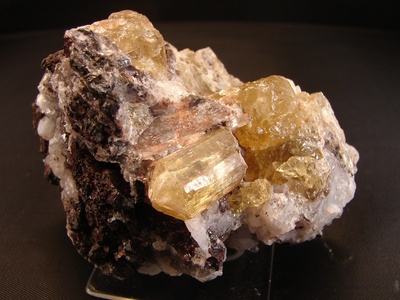
Apatite
Blue-green to colorless prismatic crystals that are brittle with glassy luster; phosphate mineral. Found as accessory crystals in pegmatites and igneous rocks like Westerly granite; collectors find small crystals in pegmatite pockets.
Hornblende
Dark green to black prismatic amphibole with two cleavage directions at ~56/124°; glassy to dull. Hornblende is a common mafic mineral in Rhode Island gabbroic and metamorphic rocks, visible in many outcrops.