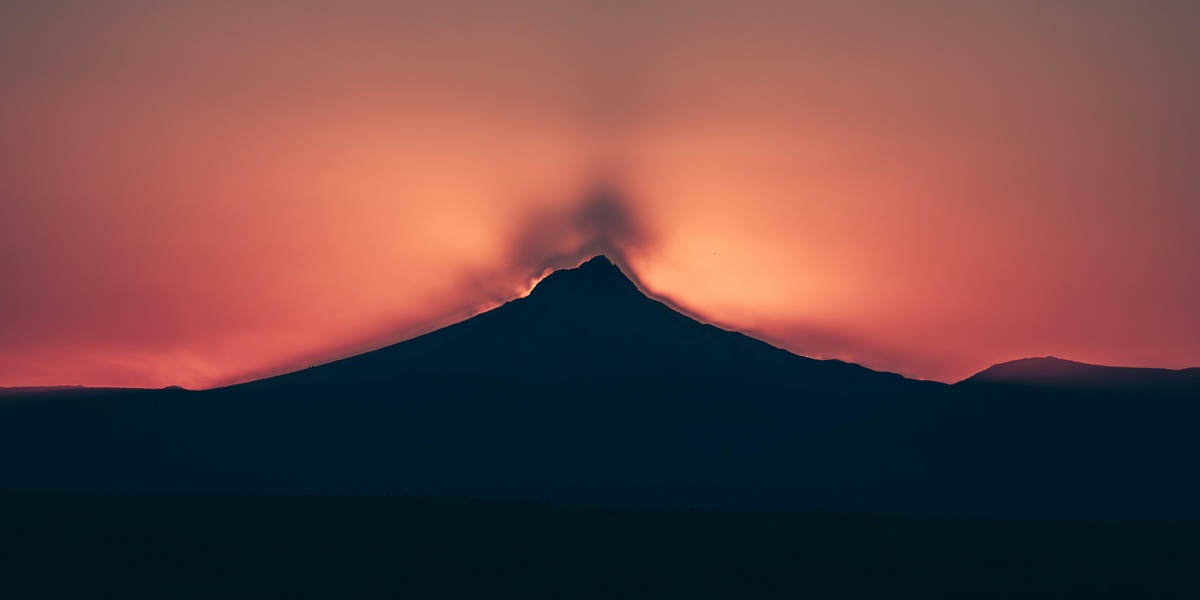
Saudi Arabia’s western interior is marked by broad basaltic fields called harrats, where ancient and more recent lava flows shape the desert. These volcanic terrains are visible from satellite imagery and have influenced local geology, archaeology, and travel routes across the region.
There are 3 Active Volcanoes in Saudi Arabia, ranging from Harrat Khaybar to Harrat Rahat. Each entry is organized with the columns Location,Coordinates (decimal degrees),Last eruption (year/period); you’ll find them below.
How active are these volcanoes and should nearby communities be worried?
Most harrats show episodic, low-frequency activity: many lava flows are Holocene in age and Harrat Rahat has historical evidence of activity (medieval eruptions are recorded). Large, frequent eruptions are uncommon, but monitoring is limited, so regional hazard planning treats them as potentially active rather than extinct.
Can visitors see these volcanic fields safely and do they need permits?
Many harrats are accessible for day trips, but terrain is rough and recent flows can be sharp and unstable. Access rules vary by region and proximity to protected or sacred sites, so check local regulations, hire a guide if unfamiliar, and avoid approaching fresh vents or unstable slopes.
Active Volcanoes in Saudi Arabia
| Name | Location | Coordinates (decimal degrees) | Last eruption (year/period) |
|---|---|---|---|
| Harrat Rahat | Hejaz (Madinah Province); near Medina city | 24.75,39.45 | 1256 CE |
| Harrat Khaybar | Hejaz (Al Madinah Province); Khaybar oasis area | 25.33,39.50 | Holocene |
| Harrat Lunayyir | Hejaz (Al Madinah Province); Lunayyir area north of Medina | 26.10,39.37 | 2009 (seismic unrest; no eruption) |
Images and Descriptions

Harrat Rahat
Large basaltic volcanic field whose 1256 CE fissure eruption produced lava flows that reached Medina’s outskirts. Presents lava-flow and gas hazards to settlements; monitored as a significant historically active Saudi volcanic area.
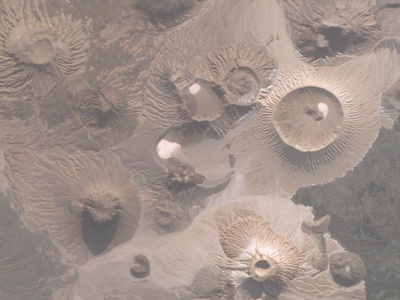
Harrat Khaybar
Extensive field of scoria cones and lava domes with Holocene lava flows and silicic centers. Notable for prominent cones and lava piles; hazards include future lava flows, ballistic projectiles and local gas emissions.
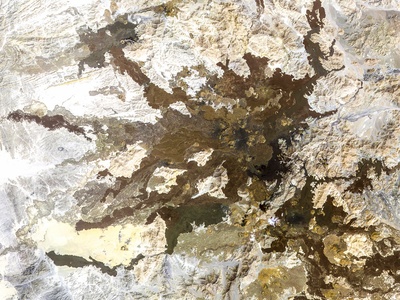
Harrat Lunayyir
Cluster of volcanic cones and lava fields that experienced intense seismic swarms and ground uplift in 2009. Shows ongoing unrest potential; primary hazards are seismicity, ground deformation and possible future eruptions.