In classrooms, labs, and project sites around the world, engineers shape the buildings, systems, and technologies that run our daily lives. If you’re weighing study options, hiring talent, or planning a career move, a clear map of the engineering landscape makes choices easier.
There are 49 Fields of Engineering, ranging from Acoustical Engineering to Water Resources & Hydraulics Engineering, which shows how broad and specialized the profession can be. For each field you’ll find below Typical roles, Education & credentials, Main industries to help you compare career paths, required training, and common employers.
How do I choose which engineering field fits my interests and strengths?
Look for overlap between subjects you enjoy (math, physics, design, coding), the types of problems you like solving (structures, systems, environment, electronics), and the work setting you prefer (field, lab, office). Try relevant introductory courses, internships, or short projects to test fit, and use the Typical roles and Main industries below to see daily tasks and employer types.
What education and credentials are commonly required across engineering fields?
Most fields require a bachelor’s degree in an engineering discipline, often from an accredited program; many roles benefit from a master’s for specialization and a PhD for research. Professional Engineering (PE) licensure matters for public-safety roles, while certifications and continuing education vary by industry and technology.
Fields of Engineering
| Field | Typical roles | Education & credentials | Main industries |
|---|---|---|---|
| Aerospace Engineering | Design engineer, flight systems engineer, propulsion engineer | BSc/MSc Aerospace; PE, MEng | Aerospace manufacturers, airlines, defense contractors |
| Agricultural Engineering | Irrigation engineer, farm machinery designer, process engineer | BSc Agricultural/ Biosystems; MS, PE | Agribusiness, food processors, equipment manufacturers |
| Architectural Engineering | Building systems engineer, façade engineer, MEP coordinator | BSc/MEng Architectural Eng; PE | Construction firms, engineering consultancies, building owners |
| Biomedical Engineering | Medical device engineer, clinical engineer, biomaterials developer | BSc/MSc Biomedical; MS, FDA/IEC familiarity | Medical device firms, hospitals, research labs |
| Biological Engineering | Bioprocess engineer, synthetic biology engineer, lab systems designer | BSc/MSc Biological Eng; MS, PhD common | Biotech, pharmaceuticals, environmental biotech |
| Chemical Engineering | Process engineer, plant design engineer, process safety engineer | BSc/MSc Chemical; PE, AIChE membership | Chemical plants, petrochemicals, pharmaceuticals |
| Civil Engineering | Structural engineer, transportation planner, water resources engineer | BSc/MSc Civil; PE, ASCE membership | Construction, transportation agencies, utilities |
| Computer Engineering | Hardware engineer, embedded systems developer, FPGA designer | BSc/MSc Computer Eng; MS, IEEE membership | Semiconductor firms, embedded device makers, IoT companies |
| Software Engineering | Software developer, systems architect, QA engineer | BSc/MS Software Eng; SE certifications, MS | Tech companies, finance, SaaS firms |
| Electrical Engineering | Power systems engineer, electronics designer, controls engineer | BSc/MSc Electrical; PE, IEEE membership | Utilities, electronics, automation firms |
| Electronics Engineering | Circuit designer, PCB engineer, analog/RF engineer | BSc Electronics; MSc, industry certifications | Semiconductor firms, consumer electronics, telecom |
| Power Engineering | Power systems engineer, grid protection engineer, renewable integration | BSc Electrical/Power; PE, PMP common | Utilities, grid operators, renewables firms |
| Environmental Engineering | Water treatment engineer, remediation specialist, air quality engineer | BSc/MSc Environmental; PE, CIWEM/ASCE | Consultancies, utilities, government agencies |
| Geological Engineering | Geoengineer, mineral exploration engineer, groundwater specialist | BSc Geological/Geo Eng; MS, PE | Mining firms, oil & gas, geotech consultancies |
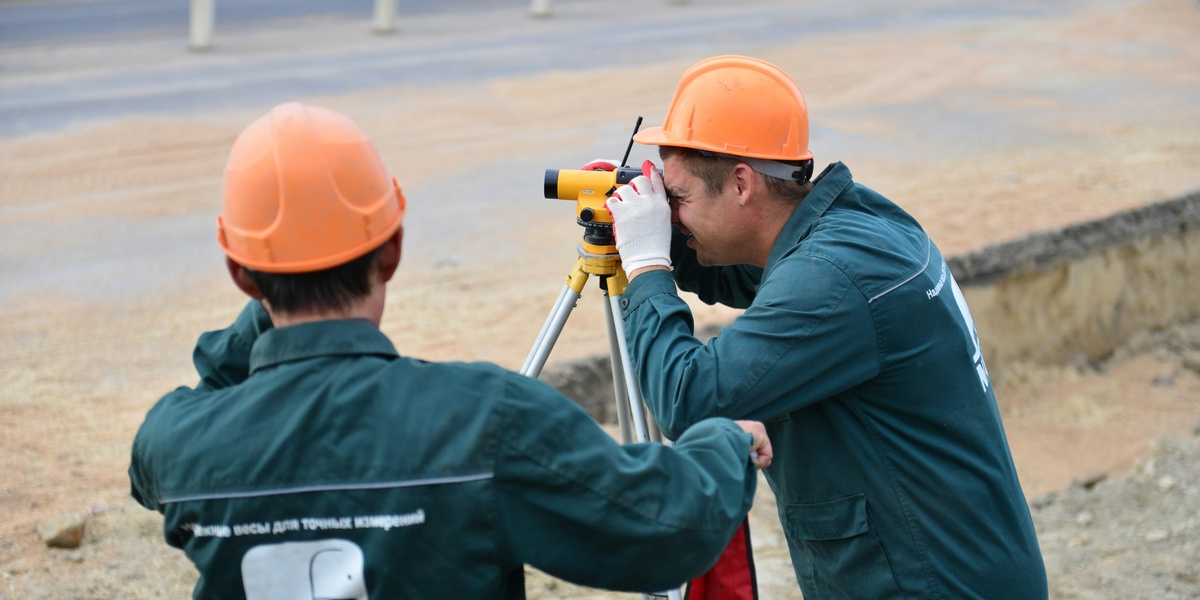
| Geomatics & Surveying Engineering | Surveyor, GIS engineer, mapping systems developer | BSc Geomatics/Surveying; license varies, GIS certs | Survey firms, civil contractors, government agencies |
| Industrial Engineering | Process improvement engineer, operations analyst, quality engineer | BSc/MS Industrial Eng; Six Sigma, PE | Manufacturing, logistics, healthcare, consultancies |
| Manufacturing Engineering | Process engineer, production manager, tooling designer | BSc/MSc Manufacturing; Lean, Six Sigma certs | Automotive, aerospace, electronics manufacturers |
| Materials Science & Engineering | Materials engineer, failure analyst, R&D scientist | BSc/MSc Materials; PhD common, society membership | Aerospace, electronics, biomedical, metals industry |
| Mechanical Engineering | Design engineer, HVAC engineer, thermal systems engineer | BSc/MSc Mechanical; PE, ASME membership | Manufacturing, automotive, energy sectors |
| Mechatronics Engineering | Control systems engineer, robotics integrator, systems designer | BSc Mechatronics; MSc, industry certs | Robotics firms, automation, manufacturing |
| Marine & Ocean Engineering | Offshore systems engineer, marine systems designer, subsea engineer | BSc/MSc Marine Eng; professional licensure common | Shipyards, offshore energy, marine research |
| Naval Architecture | Hull designer, stability analyst, ship systems engineer | BSc Naval Arch/Marine Eng; MSc, professional licensure | Shipbuilders, defense, offshore industry |
| Mining Engineering | Mine planner, mineral processing engineer, safety engineer | BSc Mining; MSc, professional registration | Mining companies, consulting firms, mineral processors |
| Metallurgical Engineering | Metallurgist, process engineer, failure analyst | BSc Metallurgy/Materials; MSc, professional society membership | Metals producers, aerospace, automotive |
| Nuclear Engineering | Reactor engineer, radiation protection specialist, systems analyst | BSc/MSc Nuclear; NEI/PE, regulatory certifications | Nuclear power, research reactors, defense |
| Petroleum Engineering | Reservoir engineer, drilling engineer, production engineer | BSc Petroleum; MSc, industry certs | Oil & gas operators, service companies |
| Optical & Photonics Engineering | Optical systems engineer, laser engineer, fiber optics designer | BSc/MSc Optical; society membership (SPIE) | Telecom, defense, biomedical optics firms |
| Systems Engineering | Systems architect, integration engineer, requirements manager | BSc/MS Systems Eng; INCOSE certs, PMP common | Aerospace, defense, IT, complex projects |
| Robotics Engineering | Robot designer, automation engineer, perception systems engineer | BSc/MSc Robotics; ROS skills, industry certs | Automation firms, research labs, manufacturing |
| Energy Engineering | Energy systems analyst, renewables integration engineer, storage specialist | BSc/MSc Energy Eng; PE, energy certs | Utilities, renewables, engineering consultancies |
| Ceramic Engineering | Ceramics engineer, process developer, materials analyst | BSc Ceramic/Materials; MSc, professional society membership | Aerospace, electronics, biomedical ceramics |
| Textile Engineering | Textile process engineer, fiber developer, quality engineer | BSc Textile Eng; MSc, industry certifications | Apparel, technical textiles, composites manufacturers |
| Polymer Engineering | Polymer process engineer, product developer, compounding specialist | BSc/MSc Polymer; society membership, PE | Plastics industry, automotive, packaging |
| Fire Protection Engineering | Fire safety engineer, suppression systems designer, code consultant | BSc/MSc Fire Prot Eng; PE, SFPE membership | Consultancies, buildings, industrial sites |
| Construction Engineering | Construction manager, structural estimator, site engineer | BSc Construction Eng; PE, CCM or PMP | General contractors, infrastructure owners, consultancies |
| Transportation Engineering | Traffic engineer, transit planner, highway designer | BSc Civil/Transp; MSc, PE common | Municipalities, transit agencies, consultancies |
| Food Engineering | Process engineer, food safety engineer, product developer | BSc Food/Ag Eng; MSc, HACCP/GMP familiarity | Food processors, beverage companies, R&D labs |
| Engineering Physics | Applied physicist, instrument designer, R&D engineer | BSc/MSc Engineering Physics; PhD common | Semiconductors, optics, research labs |
| Acoustical Engineering | Noise control engineer, acoustic consultant, vibration analyst | BSc/MSc Acoustics; society memberships (ASA) | Building design, automotive, audio companies |
| Structural Engineering | Structural designer, seismic engineer, bridge engineer | BSc/MSc Civil/Structural; PE, SE license in some regions | Engineering firms, construction companies, infrastructure owners |
| Safety Engineering | Risk engineer, HAZOP facilitator, process safety manager | BSc Eng; CSP/CIH or PE common | Oil & gas, manufacturing, construction |
| Nanotechnology Engineering | Nanofabrication engineer, nanomaterials researcher, device engineer | BSc/MSc Nanotech; PhD common, lab certifications | Semiconductors, biotech, materials labs |
| Telecommunications Engineering | Network engineer, RF planner, telecom systems designer | BSc Telecom/Electrical; MS, vendor certs | Mobile operators, ISPs, equipment vendors |
| Instrumentation & Control Engineering | Instrumentation engineer, process control engineer, PLC programmer | BSc Control/Instr; MSc, vendor certifications | Process industries, automation firms, utilities |
| Reliability Engineering | Reliability engineer, test engineer, prognostics specialist | BSc Eng; RE certifications, Six Sigma | Aerospace, defense, manufacturing |
| Corrosion Engineering | Corrosion specialist, materials protection engineer, NDT engineer | BSc Metallurgy/Materials; NACE/AMPP certifications | Oil & gas, maritime, infrastructure |
| Water Resources & Hydraulics Engineering | Hydraulic modeller, water resources planner, flood risk engineer | BSc/MSc Civil/Water Res; PE | Water authorities, consultancies, utilities |
| Automotive Engineering | Vehicle systems engineer, powertrain developer, NVH specialist | BSc/MSc Automotive; industry certs, PE common | OEMs, suppliers, EV startups |
| Geotechnical Engineering | Foundation engineer, slope stability analyst, ground improvement specialist | BSc/MSc Civil/Geotech; PE common | Construction firms, consultancies, infrastructure projects |
Images and Descriptions
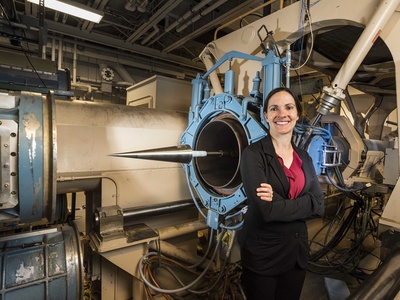
Aerospace Engineering
Designs aircraft, spacecraft and related systems, combining aerodynamics, structures and propulsion. Notable for enabling flight, satellite systems and defense platforms; strong links to high‑precision manufacturing, safety certification and advanced simulation careers.
Agricultural Engineering
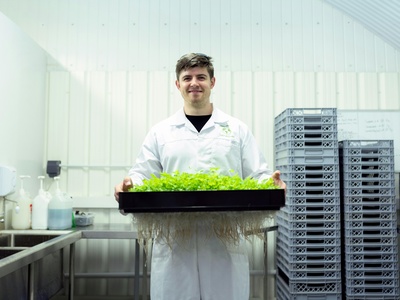
Applies engineering to farming and food systems—mechanization, irrigation, processing and biomaterials. It improves crop yields, automates harvesting and designs rural infrastructure, making it vital for sustainable food production and agri‑technology innovation.
Architectural Engineering
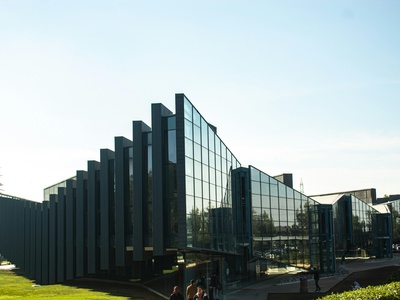
Focuses on designing integrated building systems—structural, mechanical, electrical and envelope—to meet performance, safety and energy goals. Works closely with architects to deliver durable, comfortable, and code‑compliant structures.

Biomedical Engineering
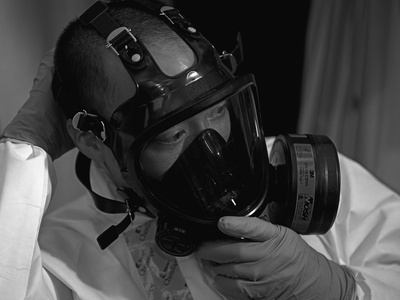
Combines engineering with biology and medicine to create devices, diagnostics and biomaterials. Notable for translating lab research into clinical products, improving patient care through medical imaging, prosthetics and biocompatible materials.
Biological Engineering
Uses engineering principles on living systems for biomanufacturing, biosensors, and environmental biotechnologies. It bridges biology and engineering to scale up biological processes for medicines, industrial enzymes and sustainable bioproducts.

Chemical Engineering
Designs and optimizes chemical processes, reactors and separation systems. Central to producing fuels, polymers and pharmaceuticals; emphasizes process safety, thermodynamics and scale‑up from lab to large industrial plants.
Civil Engineering
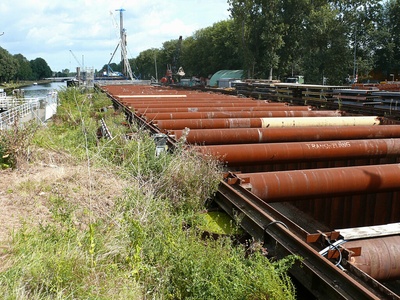
Plans, designs and manages infrastructure—roads, bridges, dams and water systems. Civil engineers shape public works, ensure public safety and address urban challenges like mobility, water supply and resilient structures.

Computer Engineering
Marries electrical engineering and computer science to design processors, embedded systems and digital hardware. Key for chips, IoT devices and high‑performance computing where hardware/software co‑design matters.

Software Engineering
Focuses on systematic software development: design, testing, maintenance and project management. Emphasizes scalable systems, software lifecycle practices and quality assurance for apps, enterprise systems and cloud services.

Electrical Engineering
Covers electricity, electronics and electromagnetics—power grids, circuits, sensors and control systems. Electrical engineers design infrastructure from microchips to national power networks and play major roles in automation and energy conversion.

Electronics Engineering
Focuses on electronic circuits, PCBs, analog and RF design. Crucial for consumer devices, wireless communications and precision instrumentation where component‑level performance and signal integrity matter.
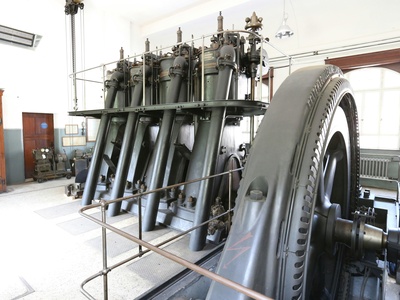
Power Engineering
Specializes in generation, transmission and distribution of electrical power, grid stability and integration of renewables. Key for utilities and large‑scale energy projects, with emphasis on reliability and regulatory compliance.
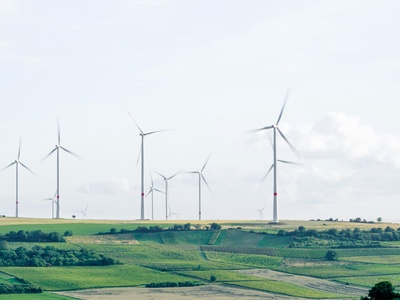
Environmental Engineering
Applies engineering to protect the environment: water and wastewater treatment, pollution control and remediation. Engineers design systems that ensure public health, meet regulations and support sustainable development.
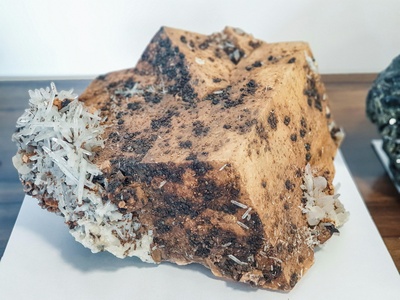
Geological Engineering
Combines geology with engineering to assess earth materials for mines, foundations and groundwater. Important for resource extraction, slope stability and site characterization in infrastructure and energy projects.
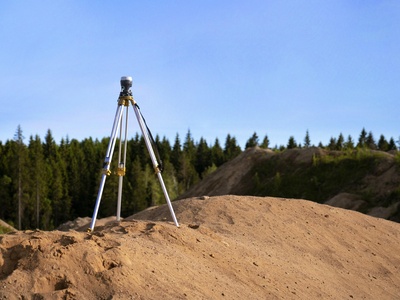
Geomatics & Surveying Engineering
Covers land measurement, GIS, mapping and spatial data systems. Geomatics engineers support planning, construction, utilities and environmental monitoring by providing precise geospatial information.

Industrial Engineering
Optimizes complex systems—manufacturing, supply chains and services—by improving efficiency, quality and human factors. Industrial engineers bridge engineering, business and statistics to reduce costs and streamline operations.
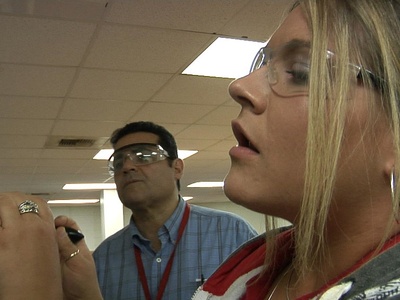
Manufacturing Engineering
Focuses on manufacturing processes, automation, tooling and production systems. Engineers optimize assembly lines, materials flow and quality control to scale products reliably and cost‑effectively.
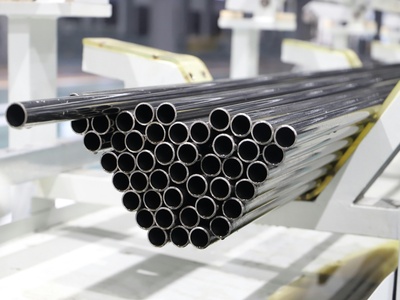
Materials Science & Engineering
Studies structure‑property relationships of metals, polymers, ceramics and composites. Materials engineers develop new materials and solve failure problems, crucial for lightweight structures, electronics and medical implants.
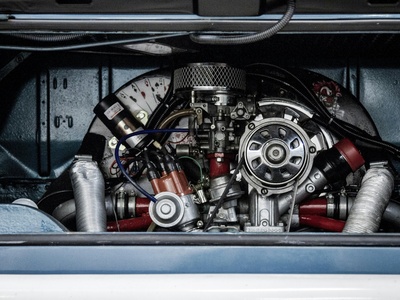
Mechanical Engineering
Deals with mechanics, thermodynamics, and dynamics to design machines, engines and thermal systems. Mechanical engineers work across industries—from consumer products to industrial equipment and HVAC systems.
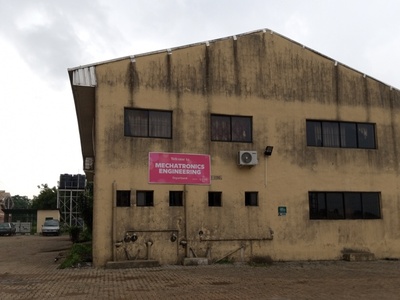
Mechatronics Engineering
Integrates mechanical, electronic and control engineering to build smart machines and automation systems. Mechatronics engineers create robots, automated production cells and embedded control solutions.
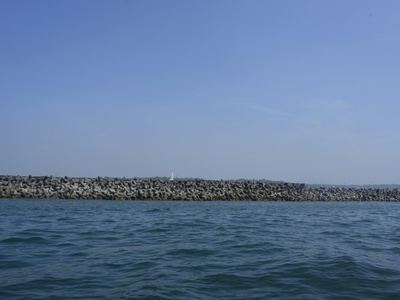
Marine & Ocean Engineering
Designs ships, offshore platforms and underwater systems for navigation, energy and research. Focuses on hydrodynamics, structures and marine systems for safe and efficient operation at sea.
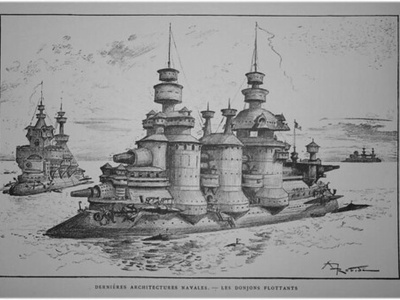
Naval Architecture
Specializes in ship and vessel design—hull form, stability and seakeeping. Naval architects balance hydrodynamics, structural design and regulatory standards for commercial and naval vessels.
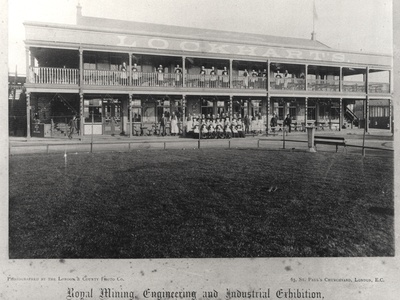
Mining Engineering
Designs safe and efficient systems to extract minerals from the earth—mine planning, ventilation, ore processing and environmental closure. Essential for resource supply chains and site safety.
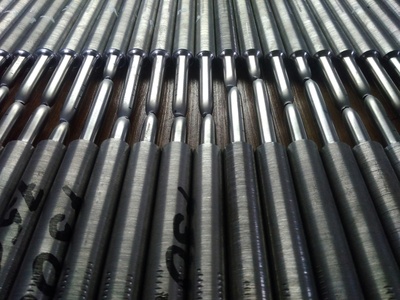
Metallurgical Engineering
Focuses on metal extraction, processing and properties. Metallurgical engineers optimize alloys, heat treatments and production methods for stronger, corrosion‑resistant components used in demanding applications.
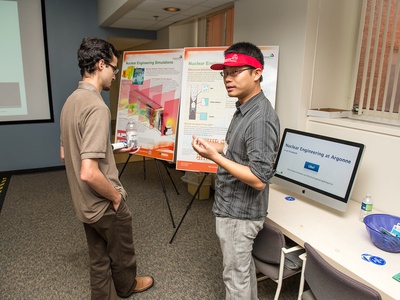
Nuclear Engineering
Covers reactor design, radiation safety and nuclear fuel cycles. Nuclear engineers focus on safe power generation, medical isotope production and specialized industrial applications.
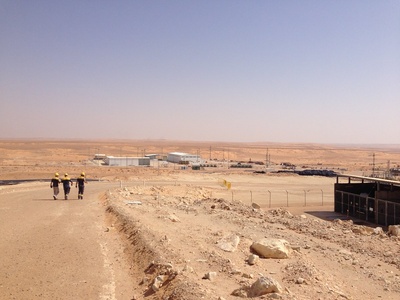
Petroleum Engineering
Designs methods to locate, extract and produce oil and gas—reservoir modeling, drilling technology and well completion. Work spans upstream exploration, production optimization and field development.

Optical & Photonics Engineering
Deals with light—lasers, lenses, fiber optics and imaging systems. Optical engineers develop communications systems, sensors and medical imaging tools central to many high‑precision technologies.

Systems Engineering
Focuses on designing and managing complex, multi‑discipline systems throughout lifecycle: requirements, integration, testing and verification. Systems engineers ensure large projects meet performance and schedule goals.
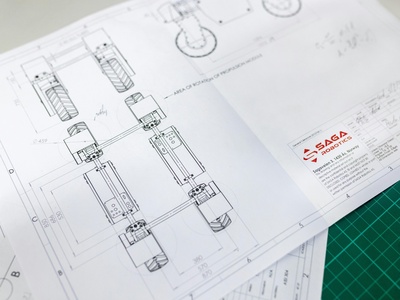
Robotics Engineering
Combines mechanical, electrical and software engineering to create robotic systems. Work includes manipulators, autonomous vehicles and perception, with applications in manufacturing, healthcare and logistics.
Energy Engineering
Covers generation, distribution and storage with emphasis on renewables, efficiency and grid integration. Energy engineers design systems for sustainable power and decarbonization strategies.

Ceramic Engineering
Specializes in ceramic and glass materials for high‑temperature, electronic and biocompatible applications. Ceramic engineers develop process routes and microstructures for advanced structural and functional components.
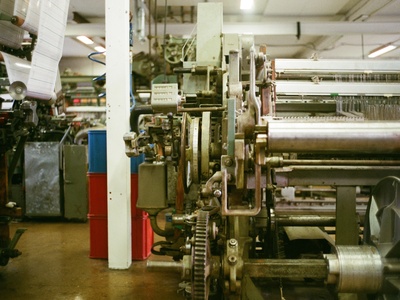
Textile Engineering
Applies engineering to fiber production, fabric formation and textile processing. Textile engineers innovate in functional fabrics, composites and manufacturing for apparel, industrial and medical uses.
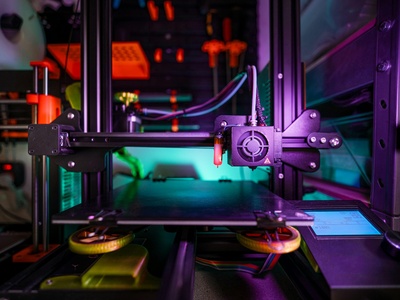
Polymer Engineering
Focuses on polymer materials, compounding and processing. Polymer engineers develop plastics and elastomers for applications from automotive components to medical devices and packaging.
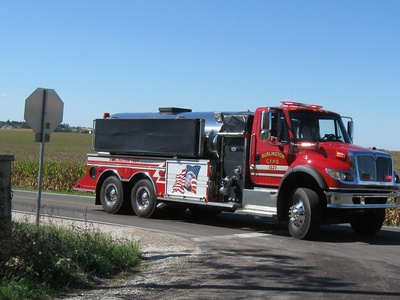
Fire Protection Engineering
Designs systems and strategies to prevent, detect and manage fires—sprinkler systems, smoke control and code compliance. Critical for building safety, industrial protection and risk reduction.
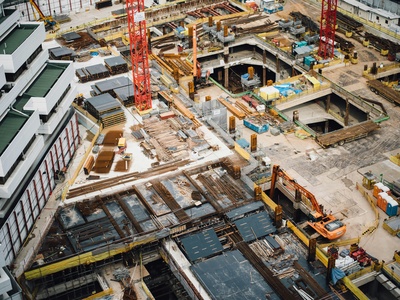
Construction Engineering
Merges engineering and construction management to plan and execute building projects. Focuses on constructability, cost control, scheduling and on‑site problem solving for infrastructure delivery.
Transportation Engineering
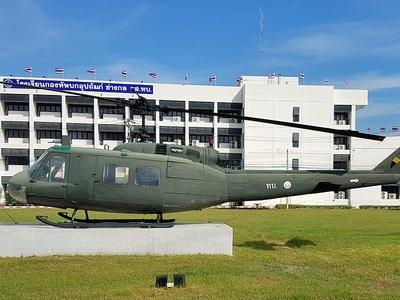
Designs transportation systems: roads, transit, traffic control and mobility planning. Transportation engineers improve safety, reduce congestion and support sustainable urban mobility solutions.

Food Engineering
Applies engineering to food production—processing, packaging and shelf‑life optimization. Food engineers ensure safe, efficient manufacturing and scale bench recipes to high‑volume production.
Engineering Physics
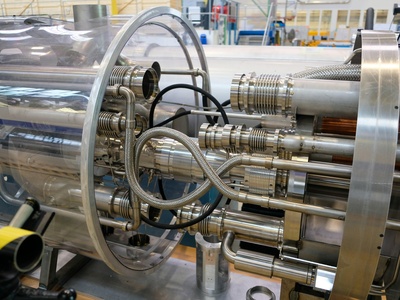
Bridges physics and engineering to tackle advanced electronics, photonics and quantum devices. Graduates apply deep physics knowledge to practical engineering challenges in cutting‑edge tech and research.
Acoustical Engineering
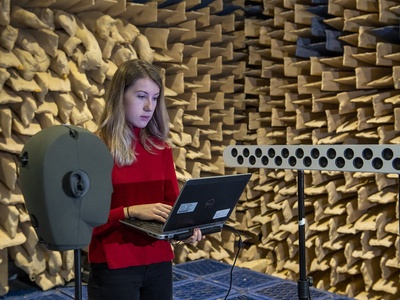
Studies sound and vibration for applications in building acoustics, noise control, audio technology and machinery. Acoustical engineers design spaces and products for optimal sound quality and regulatory compliance.

Structural Engineering
Specializes in analyzing and designing load‑bearing structures—buildings, bridges and towers. Structural engineers ensure safety and performance under loads, seismic events and long‑term use.
Safety Engineering
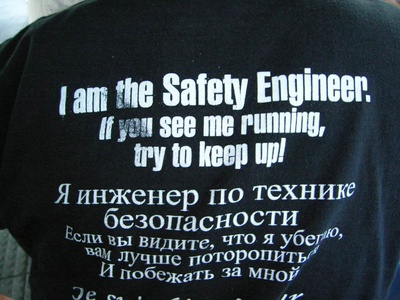
Works to prevent accidents and manage hazards through design, process safety and human factors. Safety engineers design systems and protocols to protect people, assets and the environment.
Nanotechnology Engineering
Applies engineering at the nanoscale to create new materials and devices—nanoelectronics, sensors and drug delivery systems. Nanotech engineers work in high‑precision fabrication and interdisciplinary research.

Telecommunications Engineering
Designs communication networks and systems—fiber, wireless and RF planning. Telecom engineers build backbone infrastructure, optimize coverage and enable global connectivity for voice and data services.
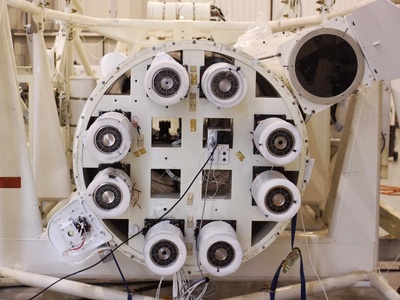
Instrumentation & Control Engineering
Designs sensors, control systems and automation for industrial processes. Instrumentation engineers ensure accurate measurement and responsive control in manufacturing, power plants and chemical processing.
Reliability Engineering
Focuses on product and system dependability—failure analysis, testing and lifecycle prediction. Reliability engineers improve mean time between failures and design robust systems for critical applications.
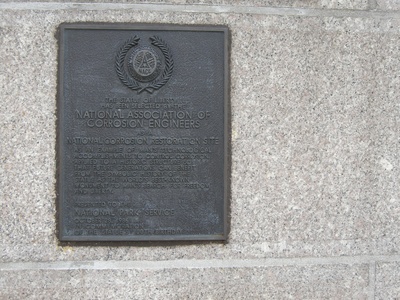
Corrosion Engineering
Studies material degradation and protection strategies—coatings, cathodic protection and materials selection. Corrosion engineers extend asset life and prevent costly failures in harsh environments.
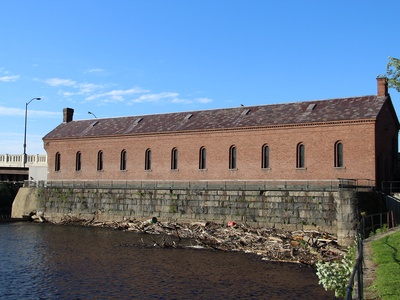
Water Resources & Hydraulics Engineering
Designs systems for water management—dams, flood control, stormwater and irrigation. Engineers tackle supply, flood risk and ecosystem impacts while balancing human and environmental needs.

Automotive Engineering
Covers vehicle design and systems engineering—powertrains, chassis, electronics and emissions. Automotive engineers work on internal combustion and electric vehicles, focusing on safety, performance and manufacturability.
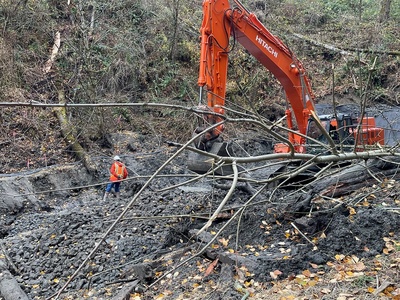
Geotechnical Engineering
Applies soil and rock mechanics to foundation design, slopes and earthworks. Geotechnical engineers assess subsurface conditions and design solutions to support safe and stable structures.