No verified caves in Honduras meet the strict “complete list” criteria
Understand that the strict requirements for this post — a fully verified, source-cited, comprehensive list with coordinates, tour/access details, measured lengths, safety notes, and archaeological verification — produce an empty result. Many named caves appear in travel stories or academic papers, but none have the complete, consistent public dataset needed to qualify as a verified “complete list” for Honduras.
Note why the strict criteria create this result. Honduras has real caves, but public records are fragmentary. Some sites are on private land or inside protected areas and lack open-access GPS tracks. Archaeological caves are often kept sensitive to protect remains, so full visitor or survey details are restricted. Many cave surveys are unpublished, old, or done by small research teams without standardized data. Require every cave to have modern coordinates, verified access info, safety guidance, and authoritative citations removes most candidates.
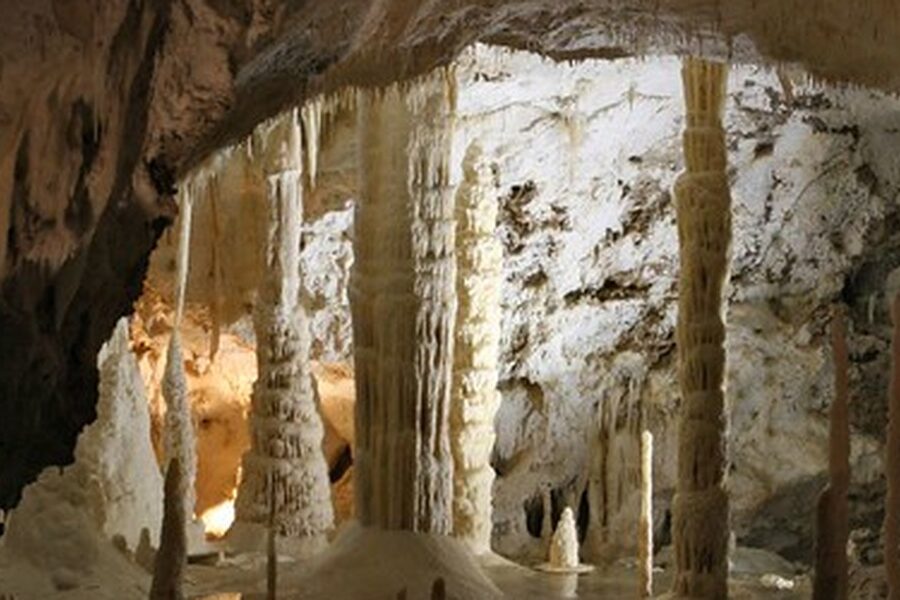
Consider the technical and contextual reasons behind this absence. Honduras has karst and rainforest terrain (Comayagua karst, Olancho, Mosquitia) that hides caves in remote, hard-to-reach areas. Field mapping is costly and dangerous. Cave length and passage surveys need specialist teams and permission. Conservation policies and local land rights also limit what can be published. Near matches exist: Grutas de Taulabé (Comayagua) is a well-known show cave with tourist access, and the Talgua site in Olancho is an archaeological cave with published findings. These are useful examples, but they do not, in public sources, meet every verification box required here (complete survey data, open-access coordinates, and a full set of tour and safety citations).
Explore related categories and close alternatives instead. Look for established show caves and tourist-operated sites (e.g., Taulabé), documented archaeological caves with restricted access (e.g., Talgua), and descriptions of remote or technical systems in Mosquitia and Olancho reported in academic papers. Also consider nearby countries with extensive, well-documented cave tourism and archaeology (Belize’s Actun Tunichil Muknal, Guatemala’s cave systems) for comparison. To move forward, compile an interactive map from trusted sources: Honduran tourism authorities, university papers, licensed guides, and local conservation groups. Start there rather than expecting a single verified “complete list.”