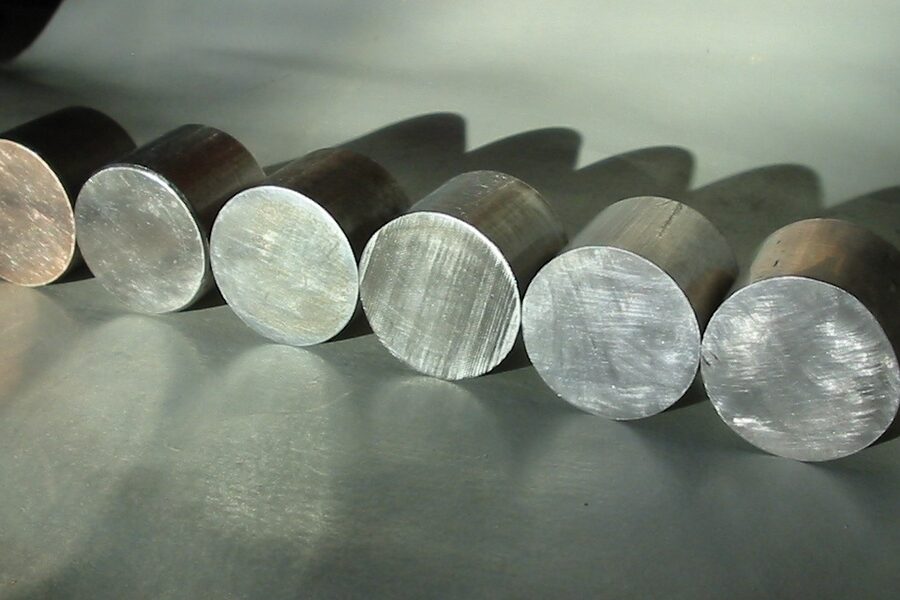
Beryllium was first recognized as a distinct element in 1798 by Louis‑Nicolas Vauquelin and later isolated in 1828 by Friedrich Wöhler and Antoine Bussy, a modest beginning for a metal that would one day support space telescopes and precision instruments.
Light, stiff, and a little exotic: beryllium (atomic number 4) has a high stiffness‑to‑weight ratio, useful X‑ray transparency, and neutron‑interaction properties that make it invaluable in niche, high‑performance roles. Its melting point is 1,287 °C, and its density is only about 1.85 g/cm³, which helps explain why engineers reach for it when every gram matters. Why should you care? Because a tiny amount of this metal can dramatically improve an instrument’s stability or a connector’s lifetime, even though machining and handling require strict controls due to health risks (OSHA PEL 0.2 µg/m³; citation to be added). This article outlines seven practical, high‑impact uses of beryllium across three broad categories: aerospace and optics; alloys, electronics, and precision engineering; and nuclear, medical, and research applications.
Aerospace and Space Applications
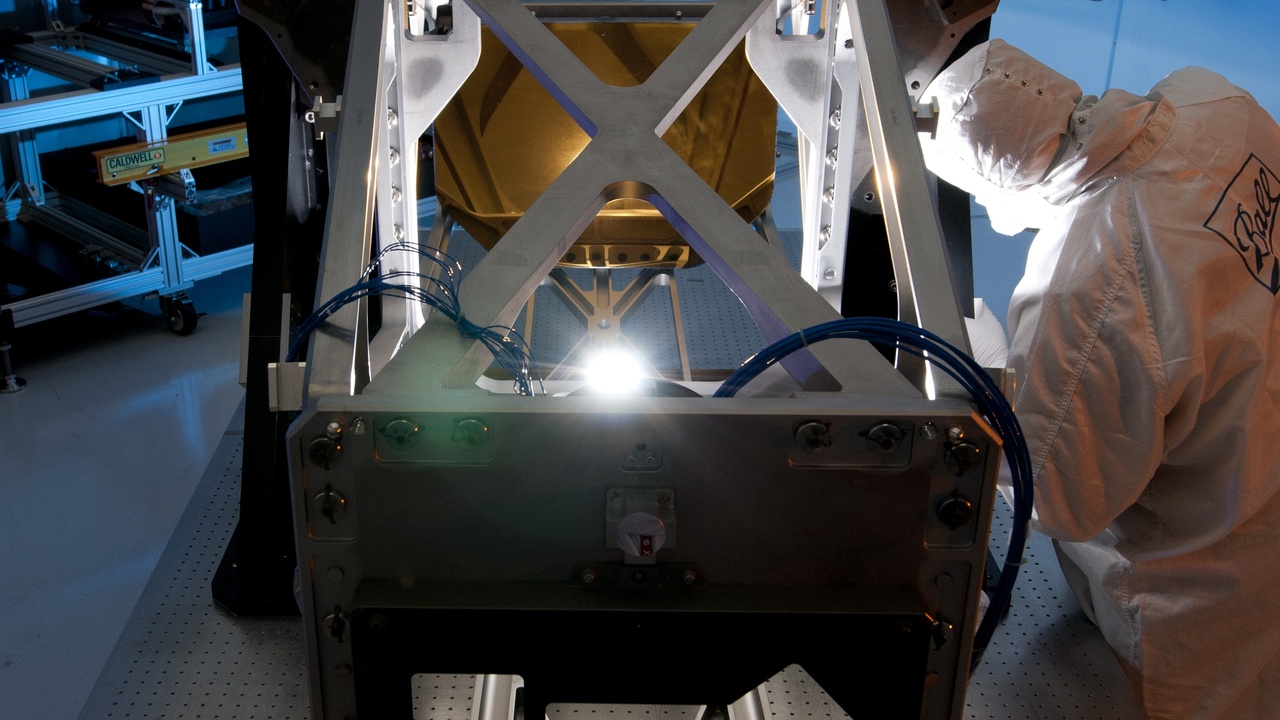
Beryllium’s combination of low density and very high stiffness makes it ideal for aerospace parts where mass and dimensional stability are critical, especially in space environments where thermal shifts are extreme.
1. Lightweight, high‑stiffness structural components
Engineers prize beryllium because its Young’s modulus is unusually high for such a light metal—around 287 GPa—while the density sits near 1.85 g/cm³. That ratio of stiffness to weight outperforms aluminum and, in some metrics, competes with titanium for specific stiffness‑sensitive parts.
As a result, beryllium and beryllium‑reinforced components appear in satellite instrument housings, precision guidance system frames, and some control‑surface or avionics enclosures where rigidity under vibration is critical. In many cases designers use beryllium‑containing alloys or composites to balance cost and manufacturability, since pure beryllium is expensive and produced in limited volumes.
Because of health risks, parts are typically formed and finished in controlled facilities with strict occupational controls rather than produced on general factory floors.
2. Stable mirror substrates for space telescopes
Beryllium’s low density and favorable cryogenic behavior make it exceptionally useful as a mirror substrate in infrared space telescopes where dimensional stability at very low temperatures matters.
The James Webb Space Telescope famously used 18 gold‑coated beryllium mirror segments (launched December 25, 2021) because beryllium maintains shape as it cools to cryogenic operating temperatures, minimizing distortion that would blur images.
For large segmented mirrors, the weight savings reduce launch mass and the thermal stability eases alignment and figure maintenance, which is why beryllium remains a go‑to material for high‑performance infrared optics.
3. Heat‑resistant components and thermal management
With a melting point of 1,287 °C and decent thermal conductivity, beryllium is useful where parts see elevated temperatures or need low thermal expansion to retain calibration and alignment.
Typical applications include housings for high‑temperature sensors, thermal shields in instrumentation, and components in engines or reentry sensors where dimensional stability and heat tolerance are required. Often engineers use beryllium as part of alloys or composites rather than as the monolithic metal to improve toughness and reduce cost.
As with other aerospace uses, manufacture and finishing demand rigorous exposure controls to protect workers during machining, grinding, or polishing.
Alloys, Electronics, and Precision Engineering

Small additions of beryllium to other metals—most notably copper—produce alloys that combine strength, fatigue resistance, and respectable electrical conductivity, making them staples in electronics and precision tooling.
4. High‑strength, conductive beryllium‑copper alloys
Adding about 1.8–2.0% beryllium to copper yields alloys such as C17200, which reach high tensile strength while retaining good conductivity and corrosion resistance.
These alloys are common in electrical connectors, switch contacts, circuit breaker components, and rugged springs where both conductivity and mechanical performance are demanded. Telecom connectors and aerospace electrical contacts often rely on C17200‑type formulations for reliable service over many cycles.
Because the beryllium is bound in a copper matrix, machining these alloys avoids many of the acute exposures associated with pure beryllium metal, though manufacturing still requires exposure controls and respirators for powder‑handling and welding operations.
5. Precision springs, tools, and non‑sparking parts
Beryllium‑copper’s fatigue resistance and toughness make it ideal for precision springs in instrumentation and for non‑sparking hand tools used in hazardous environments like petrochemical plants and mining operations.
Non‑sparking wrenches and specialty tools reduce ignition risk around flammable vapors, while precision instrument springs deliver predictable force over millions of cycles—properties that many manufacturers prefer over standard steels.
Manufacturers of such tools cite long service life and stable dimensional properties as the reason they choose beryllium‑containing alloys despite slightly higher material costs.
Nuclear, Medical, and Scientific Research Uses
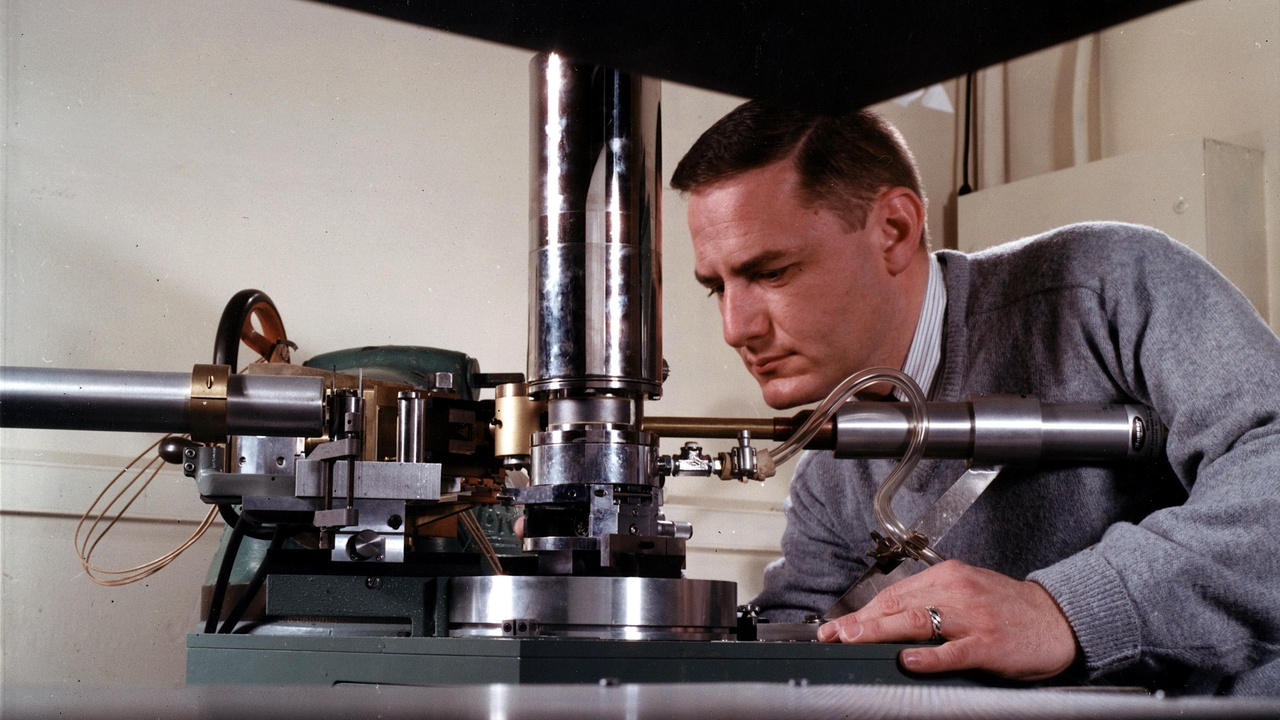
Beryllium’s low atomic number makes it nearly transparent to X‑rays, and its nuclear scattering behavior gives it value as a neutron reflector or moderator in specialized reactors and fusion research devices.
6. X‑ray windows and detector components
Because beryllium attenuates X‑rays far less than heavier metals, thin beryllium foils and windows are standard in X‑ray tubes, diffractometers, and synchrotron beamlines where preserving beam intensity and spectral fidelity matters.
Typical windows are fractions of a millimeter thick and are used in medical imaging devices, laboratory X‑ray equipment, and industrial radiography systems to allow photons to pass with minimal absorption while keeping the vacuum or pressure boundary intact.
Manufacture of thin beryllium foils requires careful process controls to avoid particulate release, so many vendors handle forming and sealing in controlled gloveboxes or cleanrooms.
7. Neutron reflector/moderator and fusion research components
Beryllium’s low atomic mass and favorable scattering cross‑section make it an effective neutron reflector and a modest moderator in certain research reactor designs, improving neutron economy and flux distribution.
In fusion research, beryllium has been selected as a first‑wall or plasma‑facing material in some experimental designs because it interacts with hydrogen isotopes in predictable ways and helps shape plasma performance. ITER and other programs have investigated beryllium in blanket or wall components at various milestones in the past decade.
As always, radiation safety and strict industrial hygiene practices apply when beryllium is used in radioactive environments to limit both chemical and radiological hazards to workers and researchers.
Summary
Beryllium is a specialty material whose physical quirks—low density, high stiffness, X‑ray transparency, and useful neutron interactions—unlock capabilities that other metals can’t match in certain roles.
From the 18 gold‑coated mirror segments that made the James Webb Space Telescope possible, to C17200 beryllium‑copper connectors that keep telecom networks reliable, and to thin X‑ray windows and components in fusion testbeds, small amounts of beryllium deliver outsized performance.
That performance comes with a cost: chronic beryllium disease is a real occupational risk, so manufacturers and policymakers rely on exposure limits such as OSHA’s PEL of 0.2 µg/m³ (8‑hour TWA) and on engineering controls, medical surveillance, and training to manage the hazard (citation to be added).
Appreciating beryllium means weighing performance against safety; follow updates from authoritative agencies and suppliers when specifying or working with this material.
- James Webb Space Telescope mirrors: example of cryogenic dimensional stability and low mass.
- C17200 beryllium‑copper connectors and springs: high strength with retained conductivity for electronics and telecom.
- X‑ray windows and fusion research components: examples of beryllium’s X‑ray transparency and nuclear utility.