In 1956, residents of Minamata, Japan, began suffering severe neurological symptoms that were later traced to methylmercury contamination from industrial wastewater — a landmark event that changed how the world thought about mercury.
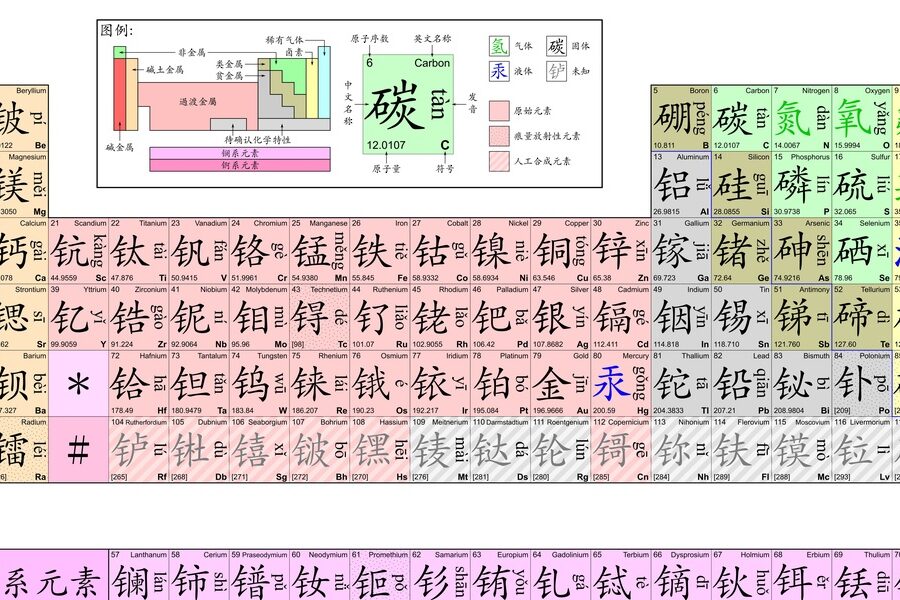
Mercury’s unusual combination of traits — it’s a dense metal (atomic number 80, density 13.534 g/cm³) that is liquid at room temperature (melting point −38.83°C, boiling point 356.73°C) — made it invaluable in instruments, industry, medicine and mining. Those same properties, though, also help the element move through ecosystems and into people, which is why historical uses have left long-lasting health and environmental legacies.
Below are ten distinct uses of mercury, grouped into four categories: scientific/measurement, industrial/electrical, medical/dental, and mining/analytical.
Scientific and Measurement Uses
1. Precision temperature measurement — thermometers and thermostats
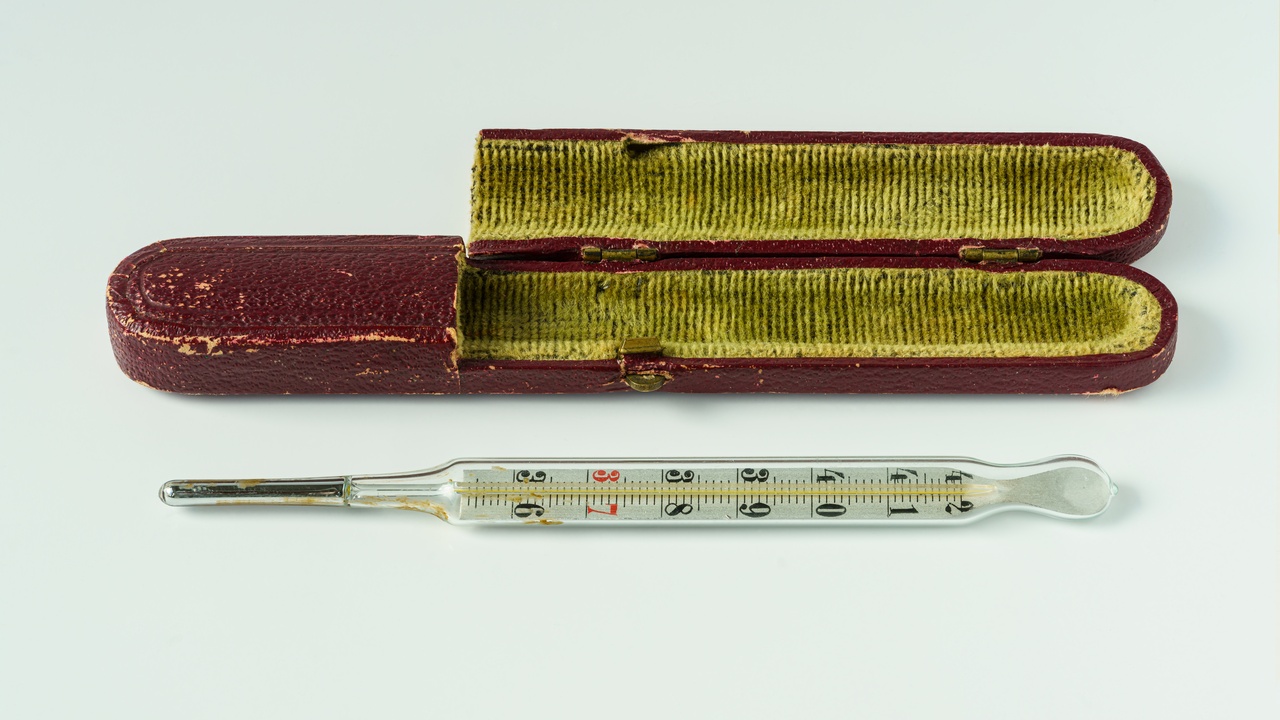
Mercury enabled accurate, repeatable temperature readings because it expands uniformly with temperature and stays liquid across a useful laboratory range. For centuries, mercury-in-glass thermometers were the standard in clinical, laboratory and industrial settings; their stable thermal expansion meant readings could be compared reliably across time and instruments.
Real-world examples include clinical mercury thermometers used through much of the 20th century and industrial mercury thermometers for process control. Many older HVAC thermostats also relied on small mercury tilt switches tied to temperature sensing. Over recent decades those roles have shifted to digital sensors, thermistors, and alcohol-filled glass thermometers for safety and ease of recycling.
2. Pressure measurement — barometers and manometers
Torricelli’s 1643 experiment established the mercury barometer and set a long-standing reference for atmospheric pressure. A compact column of mercury yields the same pressure measurement as a much taller water column because mercury’s high density keeps the instrument short; standard atmospheric pressure at sea level corresponds to about 760 mm Hg.
Mercury manometers and barometers were staples of meteorology and classical physics labs for centuries. Today many teaching labs show mercury barometers as historical demonstrations, while modern electronic pressure transducers and aneroid devices perform routine measurements without the contamination risk.
3. Laboratory reference standards and scientific equipment
Because mercury’s behavior is reproducible and well quantified (density 13.534 g/cm³; melting point −38.83°C), it found use in reference instruments and calibration standards. Metrology labs used mercury manometers and reference thermometers to establish baselines for other sensors.
Specialty equipment also relied on mercury: mercury vapor lamps served as spectral lines for wavelength calibration in older spectrometers, and mercury manometers were used for precise gas-pressure work. Many of those roles are now filled by electronic sensors and solid-state light sources, but legacy datasets and some specialty instruments still refer to mercury-era measurements.
Industrial and Electrical Uses
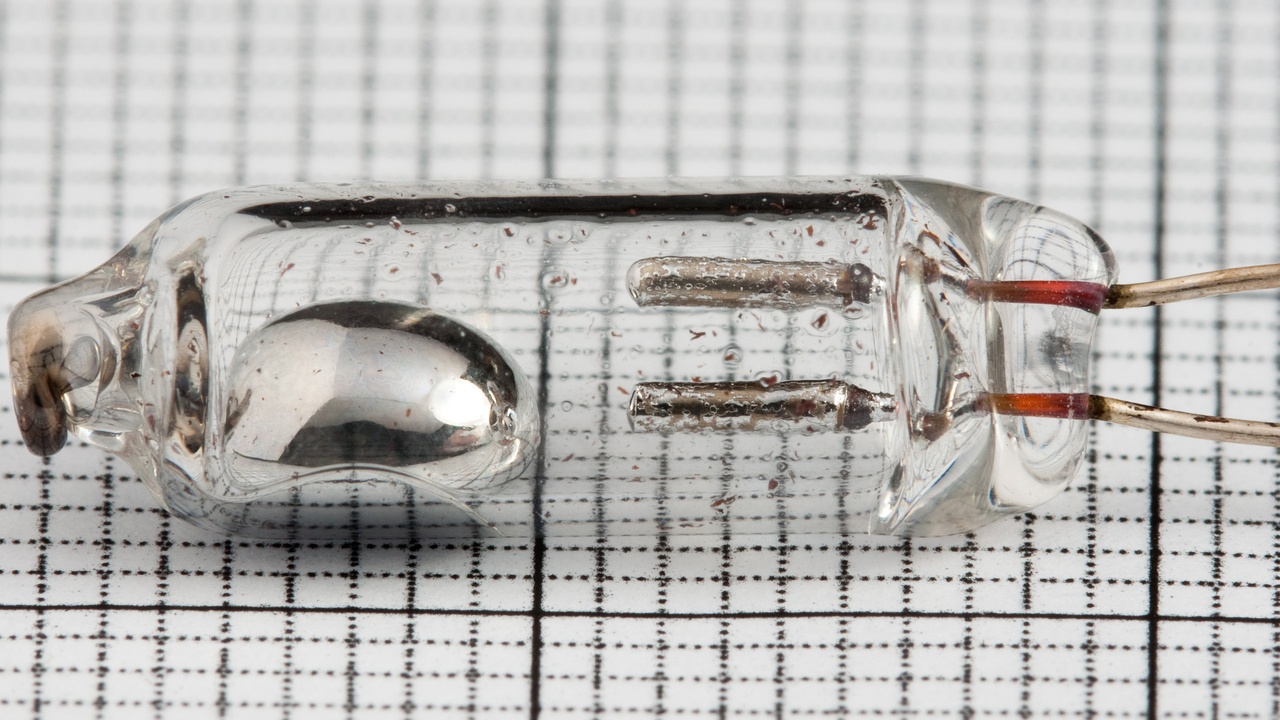
These industrial and electrical uses of mercury drew on its conductivity, liquid form and chemical reactivity to perform reliable functions in switches, lighting and chemical manufacture. International concern over releases (formalized by the Minamata Convention in 2013) has driven many replacements and tighter controls.
4. Electrical switches and relays — reliable contacts
Mercury tilt and flow switches provided low-resistance, bounce-free contacts because the liquid metal completes an electrical circuit cleanly when it moves. Simple mechanical action, no arcing, and long life made them popular in older household thermostats, float switches and some aerospace or industrial relays.
Those same advantages became liabilities when devices broke and released mercury. Manufacturers increasingly replaced mercury switches with solid-state electronics and sealed mechanical alternatives to eliminate contamination risks.
5. Lighting — fluorescent and compact fluorescent lamps (CFLs)
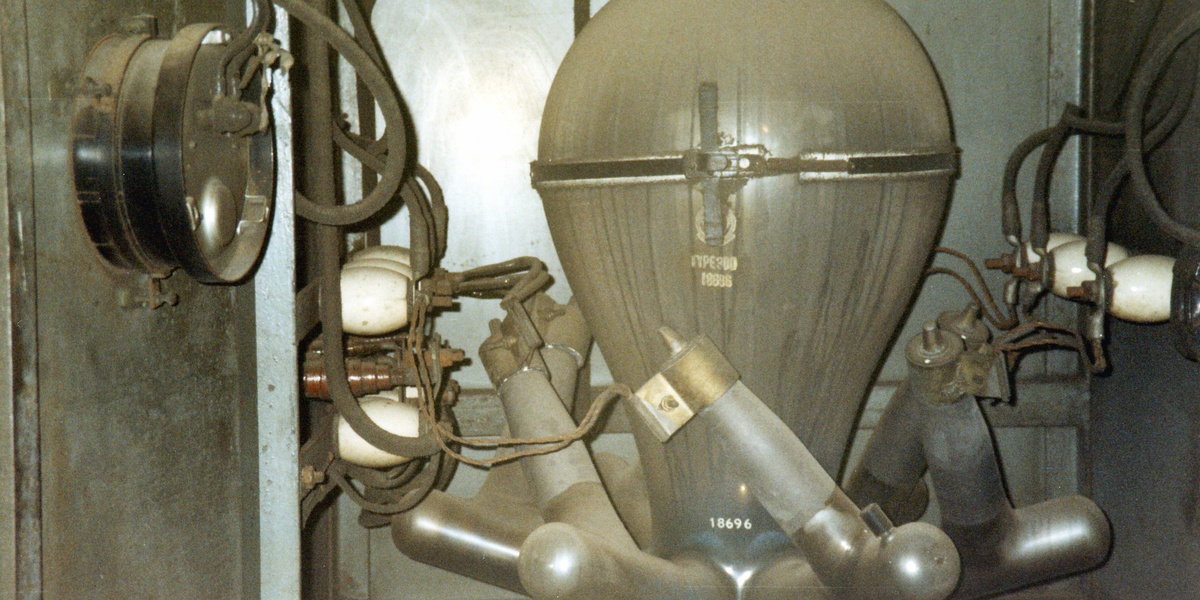
Small amounts of mercury inside fluorescent lamps produce ultraviolet light when electrically excited; phosphor coatings then convert that UV into visible light. That mechanism underpinned energy-saving fluorescent tubes and compact fluorescent lamps (CFLs).
Typical CFLs contained roughly 3–5 mg of mercury per bulb (amounts vary by lamp type). The widespread adoption of CFLs reduced household energy use, but disposal and breakage raised recycling and exposure concerns. The rise of LEDs, which contain no mercury, has largely removed mercury from mainstream lighting.
6. Catalysts and chemical production — chlor‑alkali and specialty chemistry
Historically, mercury served as a liquid electrode in the chlor‑alkali industry, where it was used to produce chlorine and caustic soda. The mercury cell process formed an amalgam that allowed electrochemical separation of products.
Pollution and worker exposures from mercury cell plants prompted shifts to membrane cell technology, and international measures target remaining mercury-based chemical processes. Specialty reactions that once used mercury salts are now rare as greener catalysts and methods have become available.
Medical and Dental Uses
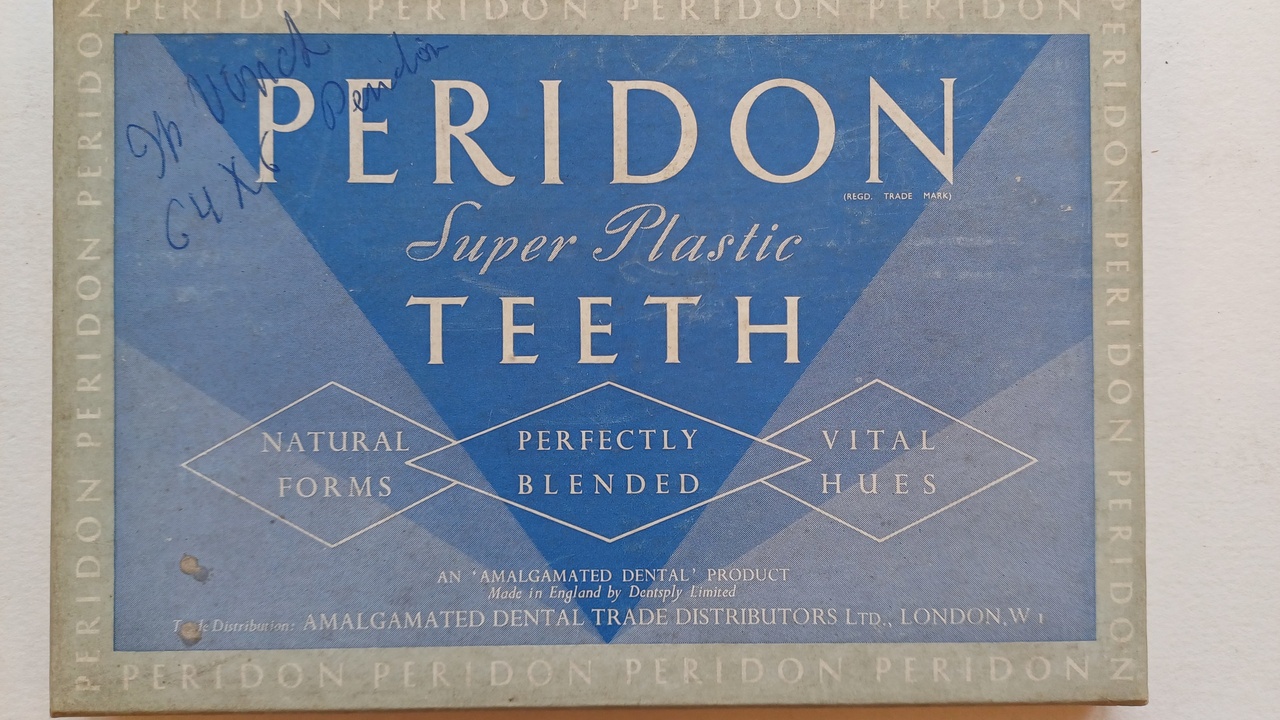
Mercury’s medical history is mixed: it offered practical benefits for fillings and as a preservative, yet toxicity concerns narrowed those roles. Policy shifts in the early 2000s and ongoing public debate have reduced medical uses while leaving some legacy applications in place.
7. Dental amalgam — durable dental fillings
Dental amalgam has been valued for durability, ease of placement and low cost. Traditional amalgam is an alloy containing about 50% mercury by mass mixed with silver, tin and other metals to form a stable filling material.
Major dental organizations generally consider amalgam safe for most patients, but the Minamata-driven push and changing consumer preferences have led to phasedowns in several countries and increased use of composite resin alternatives.
8. Medical preservatives and historical antiseptics — thimerosal and more
Thimerosal, an ethylmercury compound, was used as a preservative in multi‑dose vaccine vials to prevent bacterial contamination. In the early 2000s many countries reduced or removed thimerosal from routine pediatric vaccines as a precautionary policy move, even though large-scale studies did not find a causal link to autism.
Other mercury-based antiseptics and remedies were common in the 19th and early 20th centuries but have been abandoned in favor of safer compounds. Today, single‑dose vaccine technologies and alternative preservatives have largely replaced thimerosal in many programs.
Mining, Environmental, and Analytical Uses

Mercury has been both a tool for extracting value and a pollutant that needs tracking. In small-scale mining it enables cheap gold recovery, while environmental scientists depend on sensitive mercury analyses to protect communities and ecosystems. Global action under the Minamata Convention (adopted 2013) addresses many of these issues.
9. Artisanal and small-scale gold mining (ASGM) — gold extraction
In ASGM, miners mix elemental mercury with gold-bearing ore to form a gold–mercury amalgam; heating the amalgam vaporizes mercury and leaves the gold. The method is cheap and simple, which explains its persistence in many regions despite the risks.
ASGM is commonly cited as responsible for roughly 35–40% of global anthropogenic mercury emissions. Contamination of rivers and fish, and direct exposures in mining communities (for example in parts of Peru, Bolivia, Ghana and Indonesia) have prompted international programs to promote mercury‑free recovery techniques and safer practices.
10. Environmental monitoring and analytical roles — tracking mercury pollution
Accurate measurement is essential for managing mercury risks. Analytical techniques such as cold vapor atomic absorption spectroscopy and modern atomic fluorescence methods detect mercury species at very low concentrations and help distinguish elemental mercury from methylmercury.
Monitoring programs test fish tissue for methylmercury, measure sediment and air emissions near industrial sites, and provide the data that underpins advisories on seafood consumption and international policy implementation under the Minamata Convention.
Summary
- Mercury’s unique physical and chemical properties made it indispensable in precision instruments, switches, lighting and some medical applications — but those same traits contributed to widespread environmental and health harms.
- Historical milestones bookend the story: Torricelli’s mercury barometer in 1643 on the measurement side, and the Minamata disaster (1956) and subsequent Minamata Convention (2013) on the regulation side.
- Many traditional roles for mercury have been reduced or replaced — thermometers, switches and fluorescent lighting mostly gave way to safer alternatives such as digital sensors and LEDs.
- Priority areas remain: artisanal gold mining and legacy sources continue to drive emissions, while environmental monitoring and safe disposal/recycling programs are essential to protect communities.
- Take action: recycle old CFLs and mercury-containing devices, choose LED lighting and support monitoring and Minamata Convention implementation to limit future harm.