From labs and classrooms to industrial furnaces, heat-releasing chemical reactions shape how we produce energy, manage materials, and control hazards. Knowing which processes give off the most heat helps with design choices, safe handling, and predicting observable effects.
There are 26 Exothermic Reactions, ranging from Acetylene combustion to Thermite reaction, showing everything from common fuel burns to extreme metal-oxide reductions. For each entry you’ll find below the Equation, Enthalpy ΔH (kJ/mol), and Typical signs so you can quickly compare heat output and physical indicators.
How should I read the Enthalpy ΔH (kJ/mol) values in the list?
Enthalpy ΔH (kJ/mol) indicates the heat released per mole of reaction as written: negative values mean heat is given off. Compare magnitudes to see which reactions are more exothermic, but also consider reaction stoichiometry and physical conditions (pressure, phase, catalysts) since those affect real-world heat output.
Which reactions on the list require the strictest safety controls?
Reactions with very large negative ΔH (high heat release) or those producing hot sparks, molten products, or gases—like Thermite reaction—are highest risk. Use temperature shielding, remote initiation, proper PPE, controlled quantities, and ventilation; consult material safety data and run small-scale tests before scaling up.
Exothermic Reactions
| Reaction | Equation | Enthalpy ΔH (kJ/mol) | Typical signs |
|---|---|---|---|
| Methane combustion | CH4 + 2O2 -> CO2 + 2H2O | -802.30 | Heat, flame, temperature rise, light |
| Hydrogen combustion | 2H2 + O2 -> 2H2O | -572.00 | Intense heat, flame, light, rapid temperature rise |
| Propane combustion | C3H8 + 5O2 -> 3CO2 + 4H2O | -2,220.00 | Heat, flame, flame flicker, temperature rise |
| Ethanol combustion | C2H5OH + 3O2 -> 2CO2 + 3H2O | -1,368.00 | Heat, flame, light, temperature rise |
| Benzene combustion | C6H6 + 7.5O2 -> 6CO2 + 3H2O | -3,266.00 | Heat, flame, smoke if incomplete combustion |
| Carbon (graphite) combustion | C + O2 -> CO2 | -393.50 | Heat, glow, hot ash, CO2 evolution |
| Magnesium burning | 2Mg + O2 -> 2MgO | -1,203.20 | Very bright white flame, intense heat, sparks |
| Thermite reaction | Fe2O3 + 2Al -> 2Fe + Al2O3 | -851.00 | Intense heat, molten metal, bright sparks |
| Sodium + water | 2Na + 2H2O -> 2NaOH + H2 | -368.00 | Violent heat, fire, H2 gas, splashing |
| Sodium + chlorine | 2Na + Cl2 -> 2NaCl | -822.00 | Heat, white solid formation, exotherm |
| Neutralization (strong acid + strong base) | HCl + NaOH -> NaCl + H2O | -57.30 | Temperature rise, heat release |
| Neutralization (sulfuric acid + base) | H2SO4 + 2NaOH -> Na2SO4 + 2H2O | -114.60 | Strong heat, temperature rise, steam risk |
| Haber ammonia synthesis | N2 + 3H2 -> 2NH3 | -92.40 | Heat release under catalyst, temperature rise |
| Hydrogen peroxide decomposition | 2H2O2 -> 2H2O + O2 | -98.20 | Heat, bubbling, O2 gas evolution |
| Slaking of lime (CaO hydration) | CaO + H2O -> Ca(OH)2 | -63.70 | Heat, steam, temperature rise |
| Dissolution of NaOH in water | NaOH(s) -> Na+ + OH- (aq) | -44.50 | Heat, temperature rise, possible splashing |
| Oxidation of sulfur | S + O2 -> SO2 | -296.80 | Heat, gas evolution, acidic fumes |
| Aluminium burning (formation of Al2O3) | 4Al + 3O2 -> 2Al2O3 | -3,350.00 | Brilliant white flame, intense heat, sparks |
| Glucose combustion (complete oxidation) | C6H12O6 + 6O2 -> 6CO2 + 6H2O | -2,800.00 | Heat, CO2 and steam evolution |
| Rusting (iron oxidation to Fe2O3) | 4Fe + 3O2 -> 2Fe2O3 | -1,648.40 | Heat (slow), surface change, corrosion products |
| Ammonium chloride formation (acid-base gas) | NH3 + HCl -> NH4Cl | -176.10 | White fume/solid, heat release |
| Formation of sodium oxide (metal + oxygen) | 4Na + O2 -> 2Na2O | -828.00 | Heat, solid formation, surface oxidation |
| Hydrogen + chlorine -> hydrogen chloride | H2 + Cl2 -> 2HCl | -184.60 | Bright reaction (with light), heat, HCl gas |
| Hydrogen peroxide (concentrated) with catalyst | 2H2O2 -> 2H2O + O2 | -98.20 | Foaming, heat, rapid O2 evolution |
| Hydration of anhydrous copper sulfate | CuSO4 + 5H2O -> CuSO4·5H2O | -78.00 | Heat, color change (white to blue), crystallization |
| Acetylene combustion | 2C2H2 + 5O2 -> 4CO2 + 2H2O | -2,596.00 | Very hot flame, bright, intense heat, soot if rich |
Images and Descriptions
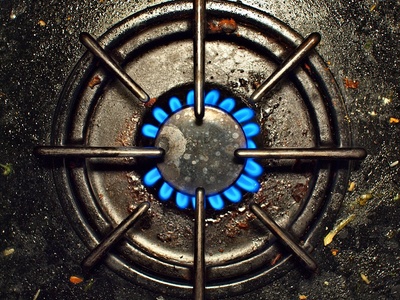
Methane combustion
Common natural gas burning reaction in stoves and heaters; releases large heat (~-802 kJ/mol CH4), produces CO2 and water. Recognize by hot flame and smell in leaks. Fire hazard; ensure ventilation and leak detection.
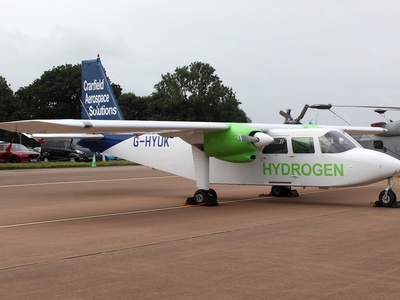
Hydrogen combustion
Very exothermic formation of water from hydrogen; used in rockets and fuel cells. Produces hot steam and bright flame. Explosive risk with air mixtures; handle H2 and ignition sources with strict controls.
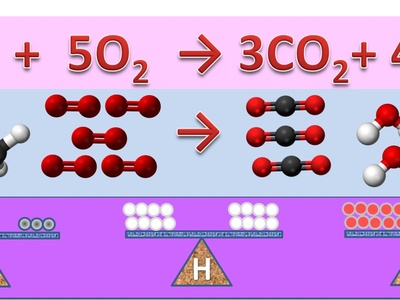
Propane combustion
Propane fuel for grills and heaters; releases lots of heat (~-2,220 kJ/mol). Recognize by steady hot flame and appliance operation. Flammability and carbon monoxide risks if combustion is incomplete.
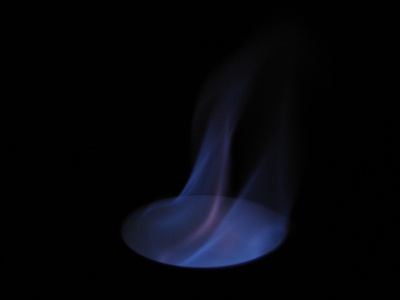
Ethanol combustion
Alcohol fuel/solvent combustion releases large heat; used in labs and camping stoves. Clean-burning but flammable liquid; store away from ignition sources and avoid inhalation of vapors.
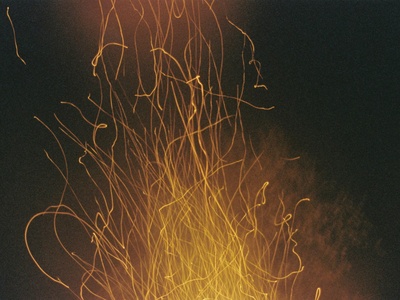
Benzene combustion
Burning aromatic hydrocarbons releases substantial heat. Benzene combustion occurs in engines or fires; produces toxic incomplete-combustion products. Highly flammable and carcinogenic—avoid ignition and inhalation.
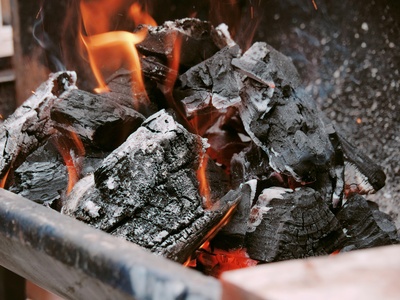
Carbon (graphite) combustion
Basic combustion of carbon in fuels or soot oxidation; releases moderate heat. Visible as glowing oxidation in furnaces. Risk of CO formation under poor oxygen; high-temperature operations require ventilation.
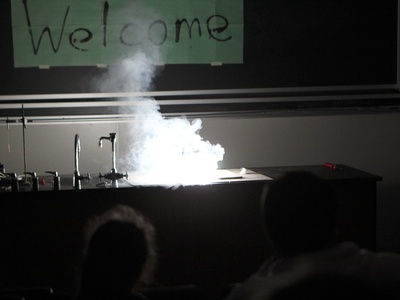
Magnesium burning
Magnesium ignites with intense white light and high heat; used in flares and pyrotechnics. Metal fire is hard to extinguish—do not use water; use class D extinguishers and eye protection.
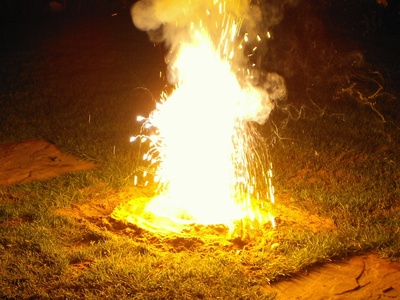
Thermite reaction
Thermite produces molten iron and extreme local heat; used for welding and emergency repair. Extremely hazardous—requires distance, shielding, and no moisture; not for amateur use.

Sodium + water
Alkali metal reacting with water releases heat and hydrogen, often igniting. Recognizable by fizzing, heat, and sometimes flames. Very dangerous—handle alkali metals under inert atmosphere.
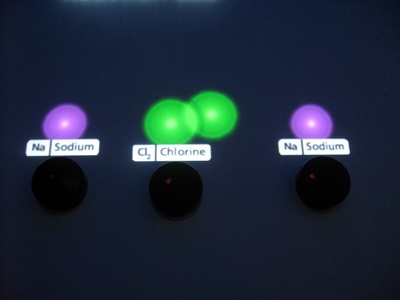
Sodium + chlorine
Formation of common salt from elements is highly exothermic. Historical demonstration reaction is vigorous and hazardous; chlorine is toxic gas and sodium metal is reactive—conduct only with full safety precautions.
Neutralization (strong acid + strong base)
Classic lab neutralization releases about -57 kJ/mol water formed. Used in titrations and spill cleanups. Recognize by warming solution; add acid to water slowly and wear eye protection.
Neutralization (sulfuric acid + base)
Neutralizing strong acids like H2SO4 releases significant heat; can boil and splatter. Add acid to water slowly, use dilute additions, and PPE to avoid burns.
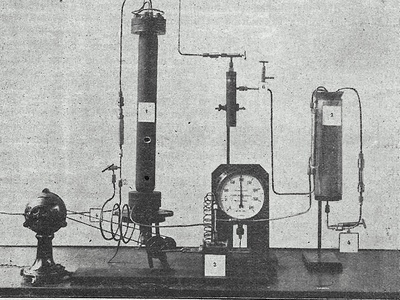
Haber ammonia synthesis
Industrial synthesis of ammonia is exothermic; runs at high pressure with iron catalysts. Heat management is critical for efficiency and safety; ammonia is toxic and corrosive—control leaks.
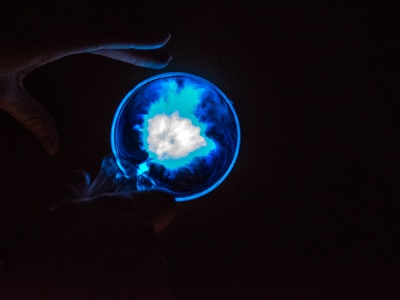
Hydrogen peroxide decomposition
Catalyzed decomposition releases oxygen and heat; common in lab cleaning or volcano demos. Concentrated H2O2 can violently decompose—store cool, use appropriate stabilizers and PPE.
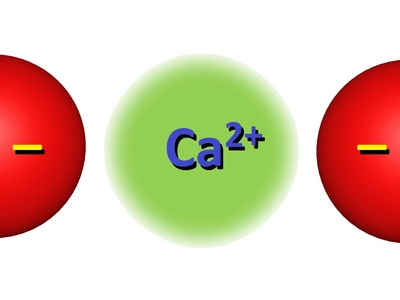
Slaking of lime (CaO hydration)
Adding water to quicklime releases heat used in construction and heating. Recognize by hot slurry and steam. Can cause burns and boiling splatter—add lime to water slowly and wear gloves/eye protection.
Dissolution of NaOH in water
NaOH dissolution is strongly exothermic; common when making reagent solutions. Add solid to water slowly with stirring; heat can boil and spatter concentrated caustic solutions—use PPE.
Oxidation of sulfur
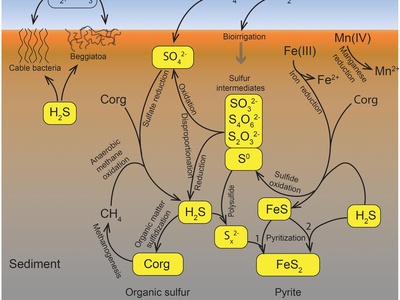
Burning sulfur produces SO2 and heat; used in some industrial fumigations. Recognize by choking fumes and blue flame. SO2 is toxic and forms acid rain—use scrubbers and avoid inhalation.
Aluminium burning (formation of Al2O3)
Aluminium oxidation is highly exothermic; seen in pyrotechnics and thermite adjuncts. Produces extremely hot oxide; dust and ignition risks require strict controls.
Glucose combustion (complete oxidation)
Complete oxidation of sugar releases a lot of energy; basis for food energy and calorimetry. In biological systems energy is captured gradually; uncontrolled burning is flammable—avoid open flames near organics.
Rusting (iron oxidation to Fe2O3)
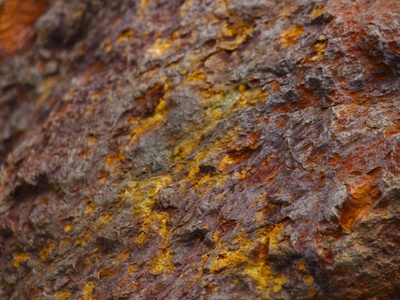
Iron oxidation is thermodynamically exothermic but slow; releases small heat over long times. Recognize by flaky red-brown rust. Prevent with coatings; hydrogen/gas hazards uncommon but structural weakening is a risk.
Ammonium chloride formation (acid-base gas)
Gas-phase acid-base reaction forms solid ammonium chloride and heat; used in demonstrations. Fuming and particulate formation can irritate lungs—avoid inhalation and use ventilation.
Formation of sodium oxide (metal + oxygen)
Alkali metals oxidize exothermically; surface oxidation releases heat and white solids. Very reactive—avoid exposure to moisture or air for reactive metals.
Hydrogen + chlorine -> hydrogen chloride
Combination of hydrogen and chlorine is exothermic and can be explosive or photochemically initiated. Produces corrosive HCl gas—extremely hazardous; avoid mixtures and control light sources.
Hydrogen peroxide (concentrated) with catalyst
Concentrated H2O2 decomposition accelerates with catalysts (e.g., MnO2), producing oxygen and heat; used in rocket propellants and cleaning. Risk of rapid pressure/heat buildup—use low concentrations and stabilizers.
Hydration of anhydrous copper sulfate
Hydration of salts releases heat and often a color change; copper sulfate pentahydrate formation is a common classroom demo. Handle powders carefully and avoid ingestion or skin contact.
Acetylene combustion
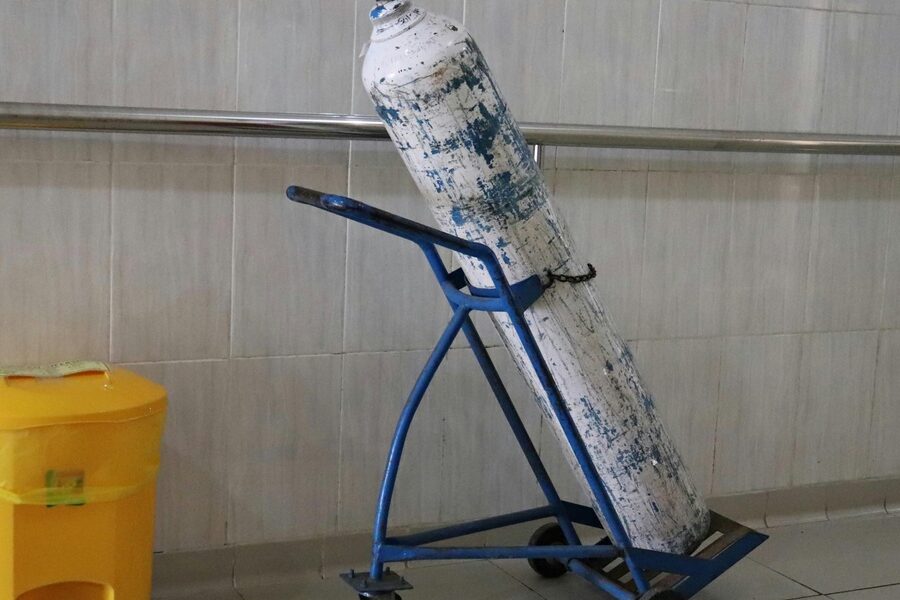
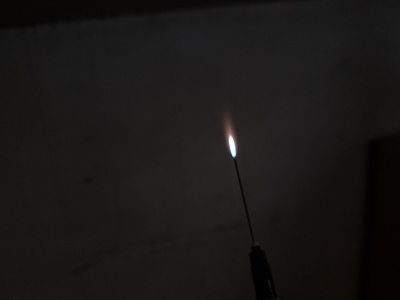
Acetylene burns with a very hot flame used in oxyacetylene welding. Extremely flammable and unstable under pressure—store cylinders upright and follow gas safety protocols.