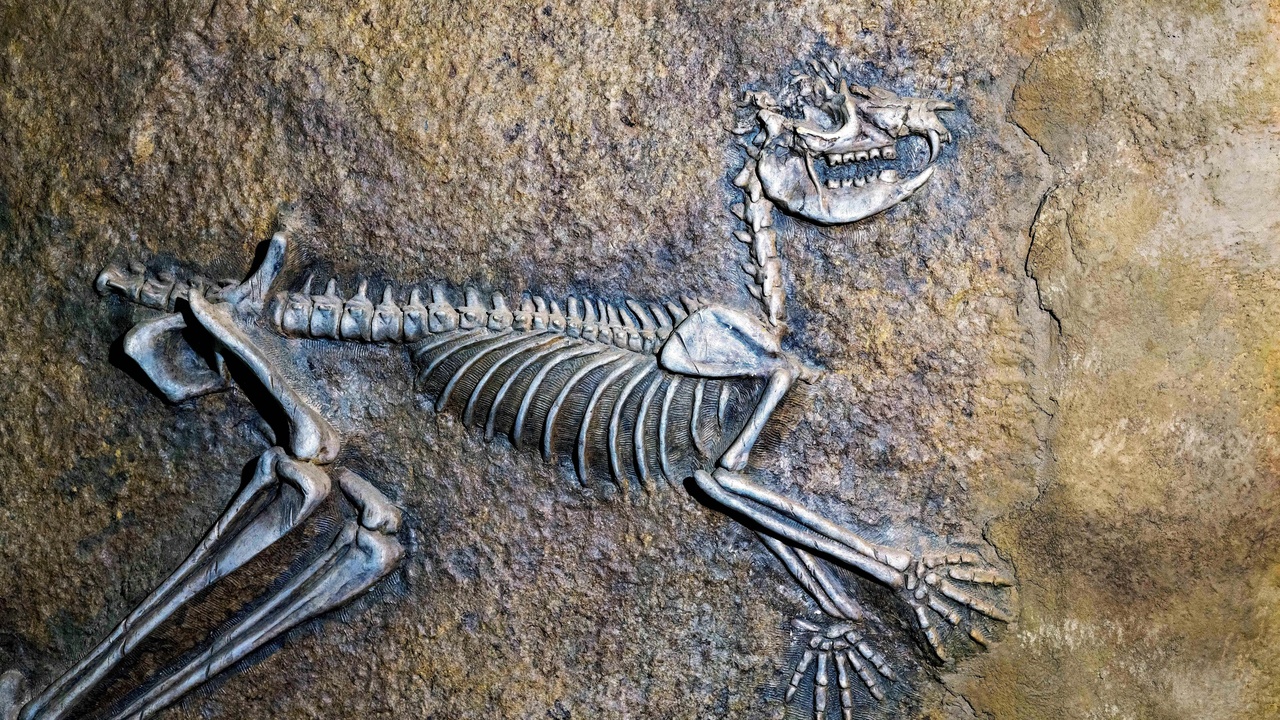
The Cambrian Explosion, roughly 541 million years ago, marked the first widespread appearance of hard external shells and plates in the fossil record—some of the earliest exoskeletons. That abrupt shift in body design solved two problems at once: protection and structural support. Yet many readers conflate external versus internal skeletons or miss why those differences matter for ecology, growth, and engineering. Understanding the core differences between exoskeleton and endoskeleton reveals why animals follow distinct growth strategies, occupy different niches, and inspire different approaches in medicine and robotics.
Picture a crab mid-molt: the old shell splits, the animal is soft for hours, and predators can take advantage. That vulnerability is a vivid way to see how design choices shape life histories. The sections that follow lay out seven clear contrasts, grouped into structural, mechanical, and evolutionary/biological categories, with concrete examples from trilobites to blue whales and notes on practical implications.
Structural & Physical Differences
The most immediate contrasts are physical: one system sits outside the soft tissues while the other lies beneath them. That placement drives differences in material composition, protection, and how animals grow.
Exoskeletons are usually an external casing made primarily of chitin in arthropods, often reinforced with calcium carbonate in crustaceans and some fossil forms. Endoskeletons are an internal framework of bone or cartilage built on a collagen matrix mineralized with hydroxyapatite. Those different building blocks affect weight, flexibility, and repair strategies.
These structural choices have everyday consequences: farmers and aquaculture managers treat molting crustaceans differently to reduce loss, while veterinarians and orthopedists focus on internal fixation for bone fractures. And a quick human fact helps ground the contrast—an average adult human skeleton includes 206 bones, an internal system that grows and remodels across a lifetime.
1. External casing versus internal framework
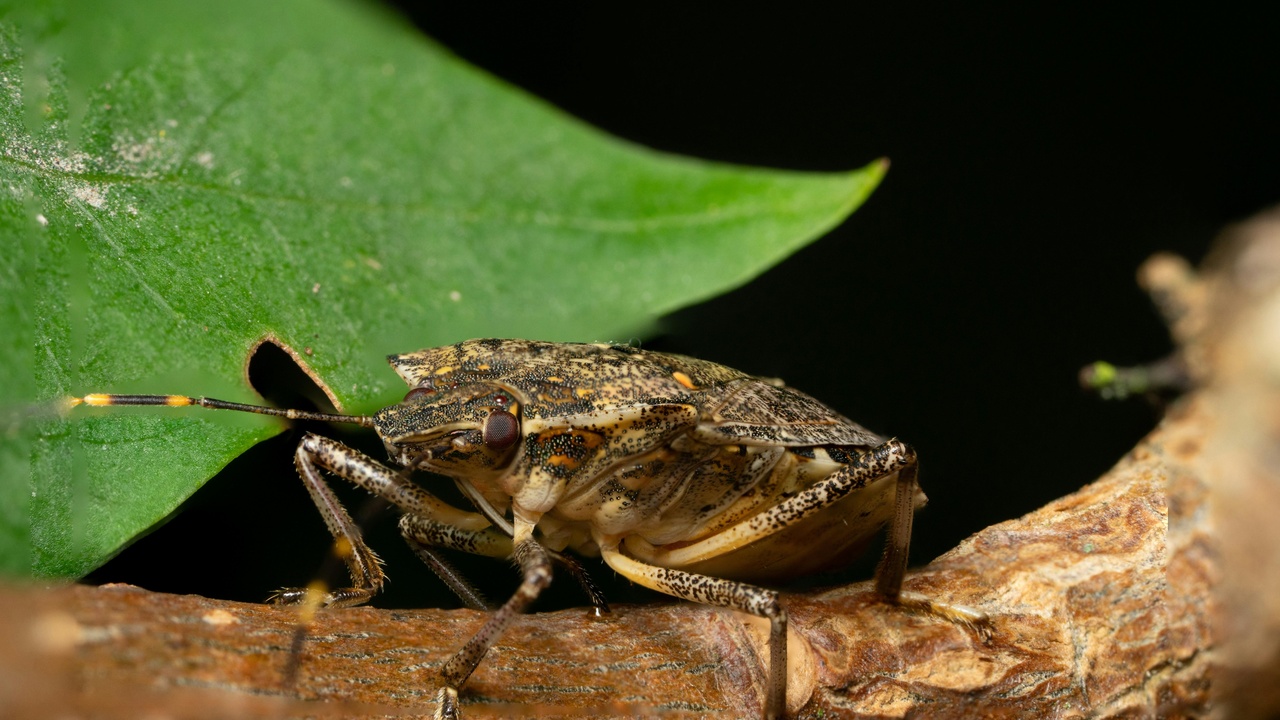
Exoskeletons encase the body surface; endoskeletons sit beneath muscles and organs. In arthropods like houseflies and beetles the hard outer cuticle (chitin) forms a shell that defines body shape and provides armor.
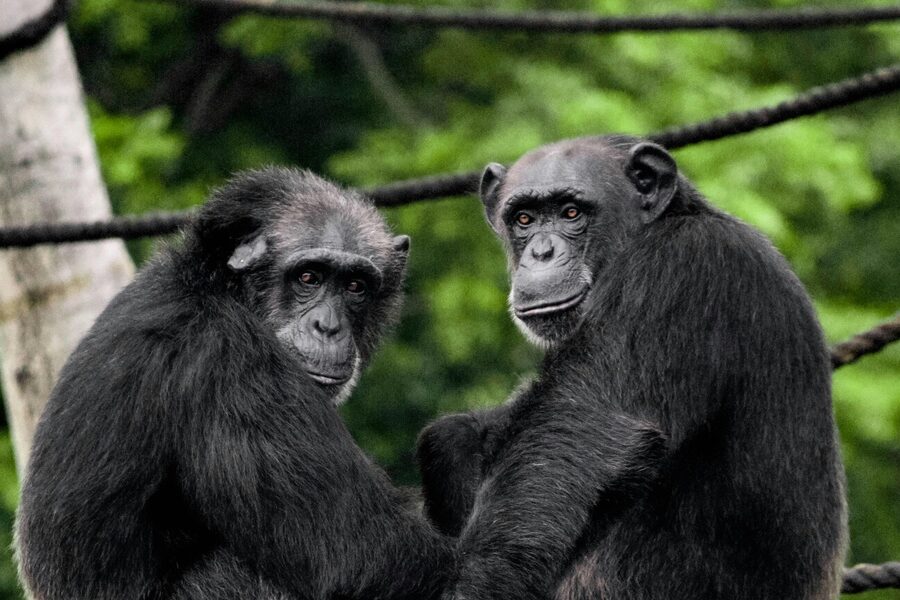
Vertebrates—humans, birds, whales—possess an internal bone framework. Bone combines a collagen scaffold with mineral (hydroxyapatite) to make a lightweight but strong, load-bearing structure that supports large body sizes and anchors muscles internally.
That external versus internal distinction shapes applied problems: pest control targets the periodic weakness during molting, while clinical care for broken bones leverages internal fixation and the skeleton’s intrinsic remodeling capacity.
2. Growth: molting (ecdysis) versus internal growth and remodeling
Animals with an exoskeleton must periodically shed and replace their outer shell—ecdysis—to grow. Many insects molt multiple times as juveniles; a caterpillar typically molts four or five times before pupating. Crustaceans like lobsters may molt dozens of times during development, and they often reabsorb calcium from the old shell and store it to mineralize the new one.
Vertebrates grow by adding bone and cartilage internally. Long bones lengthen at growth plates during childhood, and bone tissue continually remodels throughout life via osteoblasts (building) and osteoclasts (resorption). Fractures consolidate over weeks to months as bone repairs in situ.
From an applied perspective, molting creates predictable vulnerability windows in aquaculture and pest management, while bone’s remodeling ability underpins orthopedic treatments such as plates, screws, and joint replacements.
Functional & Mechanical Differences

Structural differences translate directly into function: where the support sits affects protection, locomotion, and force transmission. Below are two key mechanical contrasts that explain why insects bound and whales lumber in very different ways.
3. Protection and armor versus support for large forces
Exoskeletons often prioritize external protection. Beetle elytra shield delicate flight wings; crab carapaces guard soft gills. That armor doubles as the animal’s load-bearing skin but limits absolute size because a heavy shell becomes costly to move and support.
Endoskeletons prioritize internal load-bearing. Large vertebrates—from sauropod dinosaurs to the blue whale—rely on internal bone to support massive bodies. A blue whale can reach roughly 30 m in length and weigh up to about 150,000 kg, a scale impractical for a full external shell.
Engineering borrows both ideas: military and industrial exosuits provide external load support for humans, while orthopedic implants recreate internal support to restore skeletal function.
4. Muscle attachment and leverage: outside versus inside
In exoskeletal animals, muscles attach to the inside surface of the shell and operate short, segmented levers. That arrangement enables quick, powerful movements over short distances—think of a flea’s rapid jump or a mantis shrimp’s strike.
In vertebrates, muscles attach externally to bones, creating longer lever arms and joints that generate sustained force and larger ranges of motion. Human legs, for example, trade peak speed for endurance and load capacity.
Robotics mirrors both paradigms. Micro-robots inspired by insects (Harvard’s RoboBee and similar platforms) use exoskeleton-style segmentation, while humanoid robots from companies like Boston Dynamics use internal frames and actuators that mimic endoskeletal leverage.
Biological & Evolutionary Implications
Skeletal type has ripple effects across metabolism, healing, maximum achievable size, and ecological roles. The next three points cover material costs, repair strategies, and how architecture constrains ecological possibilities across geological time.
5. Composition and metabolic cost: chitin and calcification versus bone
Exoskeletons are built from organic polymers like chitin and, when mineralized, from calcium carbonate. Mineralization increases stiffness but raises the metabolic and environmental cost of assembling and shedding the shell. Crustaceans commonly reabsorb calcium from the old exoskeleton and store it (in specialized tissues or as gastroliths) before molting to conserve resources.
Bone uses a collagen matrix mineralized mainly with hydroxyapatite (a calcium phosphate). Producing and remodeling bone demands a steady supply of dietary calcium and phosphorus, regulated by endocrine systems. The relative energetic investments differ: molting requires pulses of resource allocation, while bone maintenance is continuous.
These differences inform practical choices: aquaculture operations supplement minerals to improve molting success, and materials science looks to chitin-mineral composites and bone-like ceramics for biomimetic designs.
6. Repair and regeneration: remodeling bone versus replacing shells
Endoskeletons have robust in situ repair. Human bone healing follows stages—hematoma, callus formation, and remodeling—often consolidating over weeks to months depending on age and fracture severity. That capacity allows surgical fixation and gradual return to function.
Damaged exoskeletons cannot be mended in place. Arthropods typically must wait until the next molt to replace or regrow damaged armor; lost appendages are often regenerated progressively across several molts. A crab that loses a claw may be at a competitive disadvantage for multiple molting cycles.
Clinically, that contrast explains why orthopedics can restore load paths internally, while protective gear inspired by exoskeletons is often designed as sacrificial or replaceable armor.
7. Ecological niches and size limits driven by skeletal type
Skeletal architecture channels evolutionary trajectories. During the Carboniferous, around 300 million years ago, atmospheric oxygen concentrations were higher than today, which likely allowed giant insects with wing spans up to roughly 70 cm. Higher diffusion rates and exoskeletal constraints combined to permit unusual sizes under those conditions.
In contrast, internal skeletons have enabled vertebrates to evolve very large body plans on land and in the sea—sauropod dinosaurs and modern whales are examples. The blue whale’s roughly 30 m length and up-to-about 150,000 kg mass would be incompatible with a fully external shell.
Understanding these limits helps paleobiologists reconstruct past ecosystems, helps conservationists appreciate species’ life-history vulnerabilities, and guides engineers choosing between exoskeletal and endoskeletal design motifs.
Summary
- Placement and materials: external shells (chitin, sometimes calcified) versus internal bone (collagen plus hydroxyapatite) determine protection, flexibility, and maintenance costs.
- Growth strategy: exoskeletons require periodic molting with associated vulnerability windows; endoskeletons grow and remodel continuously (humans have 206 bones as an example of an internal framework).
- Mechanics and leverage: muscles attach inside a shell for rapid, short-range force in exoskeletons, while internal attachment to bones permits longer levers and larger sustained forces in endoskeletal animals.
- Repair and life history: bone heals in situ over weeks to months, whereas exoskeletal damage is often only corrected at the next molt, with regeneration occurring across molts.
- Ecology and size limits: environmental and physiological constraints (for example, higher Carboniferous oxygen enabling giant insects) interact with skeletal architecture to shape possible body sizes and niches.
If you’re curious, watch a time-lapse of a crab molting or compare an insect’s exoskeleton images to an X‑ray of a human skeleton to see these principles in action; for designers, think about whether your application needs replaceable external armor or an internal, remodelable frame.