
Discover eight surprising and accessible facts about acids and bases in this hub post. From everyday household acids to the pH scale, reactivity patterns, and real-world uses, each fact links to a detailed article in the series—perfect for students, teachers, and curious readers seeking quick insights and deeper guides.

8 Interesting Facts About Acids and Bases
Continue reading
0 Comments

7 Benefits of Chemistry (and why it is important to you)
Explore the 7 benefits of chemistry and discover why chemistry is important to you — from better health and cleaner energy to new materials and career opportunities. This hub post summarizes each benefit with real-world examples and links to deeper articles so you can quickly find practical, everyday ways chemistry affects your life and where to learn more.
Continue reading
0 Comments
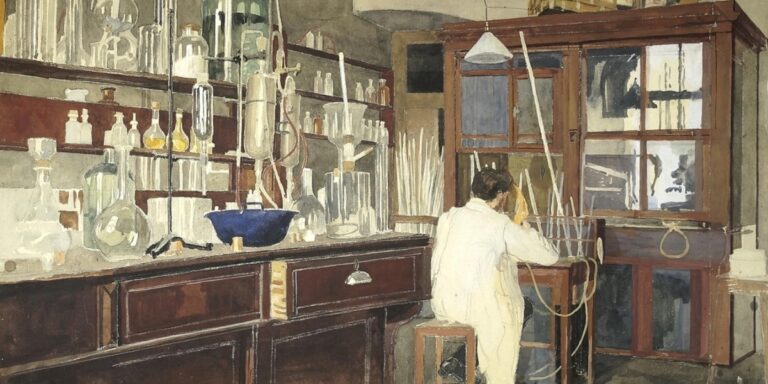
8 Myths and Misconceptions About Acids and Bases
Discover the truth behind “8 Myths and Misconceptions About Acids and Bases” in this clear, student-friendly hub post. We debunk common errors—like acids always being dangerous or bases being harmless—linking to detailed follow-up articles so you can learn the science, see demonstrations, and correct misunderstandings. Ideal for students, teachers, and curious readers.
Continue reading
0 Comments
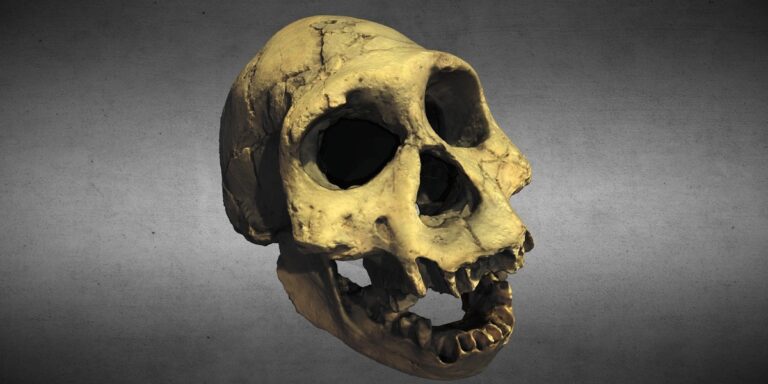
10 Myths and Misconceptions About Human Evolution
This hub post debunks 10 common myths and misconceptions about human evolution, separating popular misunderstandings from scientific evidence. Each myth is briefly explained and corrected, with links to deeper posts that explore fossils, genetics, natural selection, and hominin history for readers, students, and educators.
Continue reading
0 Comments
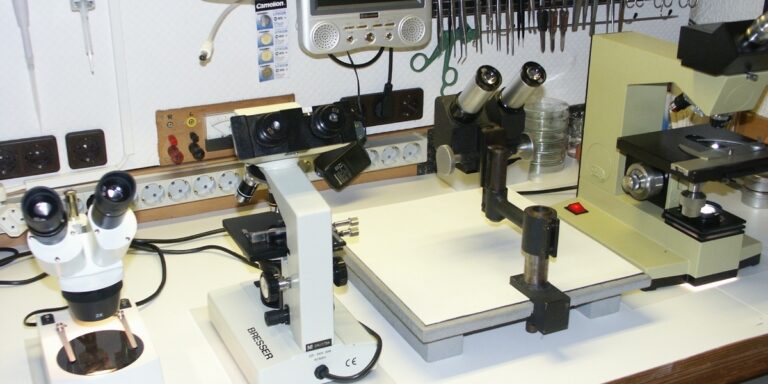
8 Tools Used in Microbiology
This hub introduces eight essential tools used in microbiology — from microscopes and petri dishes to pipettes and incubators. Each entry links to a full guide explaining function, usage tips, safety considerations, and real-world applications for students, lab techs, and educators.
Continue reading
0 Comments
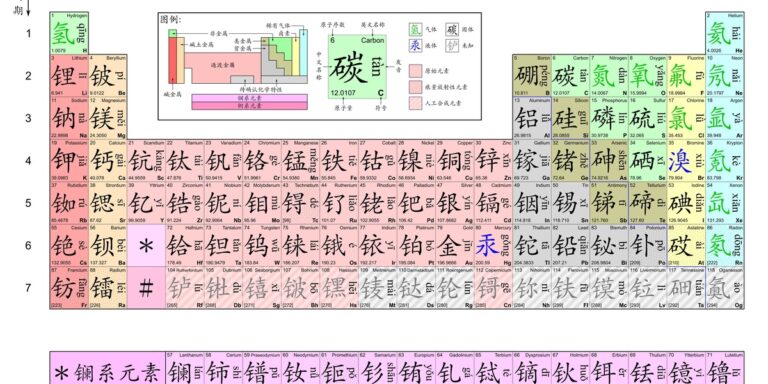
7 Myths and Misconceptions About Elements
Unpack the 7 myths and misconceptions about elements that persist online and in classrooms. This hub debunks common falsehoods about chemical elements and the periodic table, linking to detailed posts that explain the real science behind each misconception.
Continue reading
0 Comments
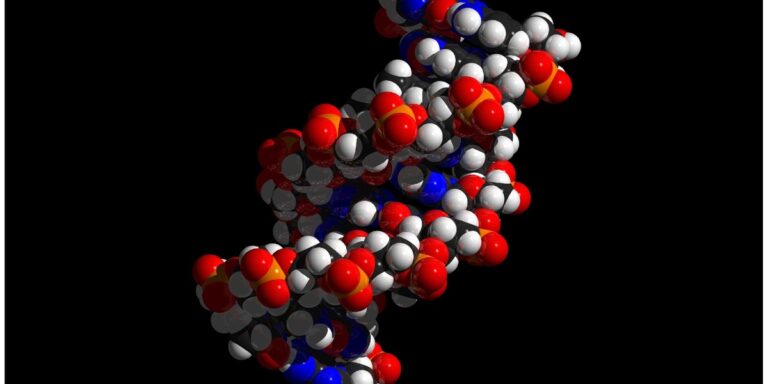
8 Most Common Myths and Misconceptions about Genetics
Unpack the 8 most common myths and misconceptions about genetics in this comprehensive hub post. We debunk misunderstandings about DNA, inheritance, genetic testing, and more, and link to detailed follow-up articles so you can learn evidence-based facts, real-world implications, and where to read deeper on each topic.
Continue reading
0 Comments

8 Tools Used in Paleontology
A practical guide to eight essential tools used in paleontology, from field excavation gear like rock hammers and brushes to lab items such as microscopes and consolidation materials. Each tool entry explains purpose, typical use, and quick tips for students, hobbyists, and professionals — with links to detailed, tool-focused posts.
Continue reading
0 Comments
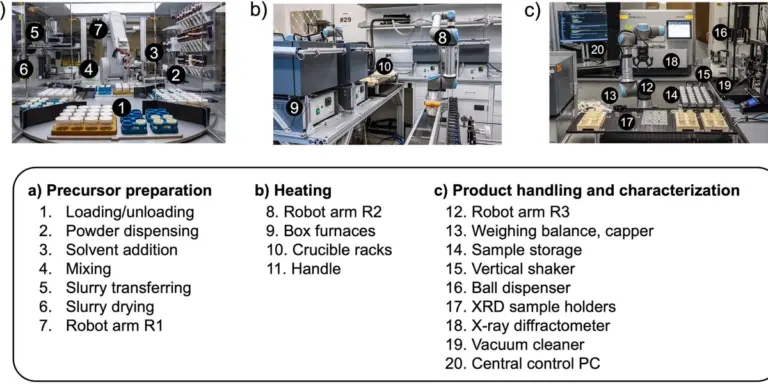
7 Benefits of Inorganic Chemistry (and why it is important to you)
Explore seven concrete benefits of inorganic chemistry — from materials and catalysis to electronics, healthcare, and environmental solutions. This hub post explains why inorganic chemistry matters to everyday life and careers, and links to detailed articles on each benefit so you can learn practical applications, job paths, and real-world impact. Perfect for students, professionals, and curious readers seeking clear, accessible science.
Continue reading
0 Comments