
This comprehensive guide lists every known Dubnium isotope, summarizing mass numbers, half-lives, decay modes, and discovery details. Ideal for students, researchers, and science enthusiasts, the post explains production methods, experimental detection, and stability patterns of dubnium isotopes, with concise tables and key references to guide further study.
The Complete List of Dubnium Isotopes
Continue reading
0 Comments
Which Elements React with Krypton?
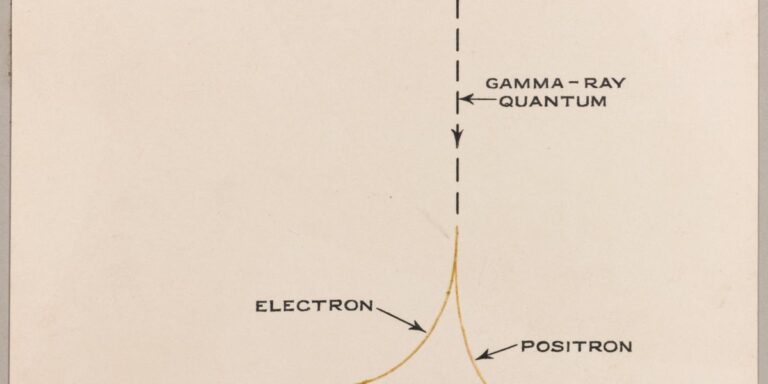
This hub examines which elements react with Krypton, summarizing confirmed krypton compounds, reactivity conditions, and periodic trends. Follow the linked deep-dive posts to explore pairwise reactions, synthesis examples, safety notes, and experimental evidence to understand which elements form bonds with Krypton and why.
Continue reading
0 Comments

The Complete List of Selenium Isotopes
This post provides a complete list of Selenium Isotopes, covering all 32 known isotopes and summarizing key properties — half-life (in s/min/h/d/yr), decay mode, and natural abundance. Use this concise, data-driven reference to compare isotope stability, radioactive behavior, and natural occurrence for research, teaching, or laboratory work.
Continue reading
0 Comments
8 Elements Moscovium Might React With
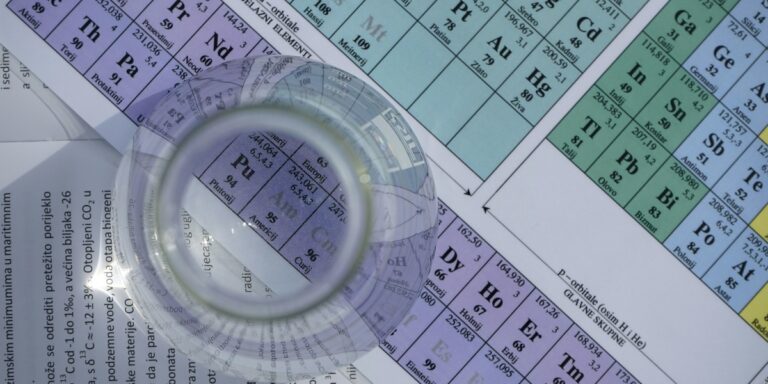
This hub examines 8 elements Moscovium might react with, explaining why these atoms are considered likely partners based on electronic structure, relativistic effects, and limited experimental data. Each entry links to a deeper post exploring predicted reactions and the evidence needed to confirm them—ideal for chemists and science enthusiasts curious about superheavy element chemistry.
Continue reading
0 Comments
The Complete List of Actinides
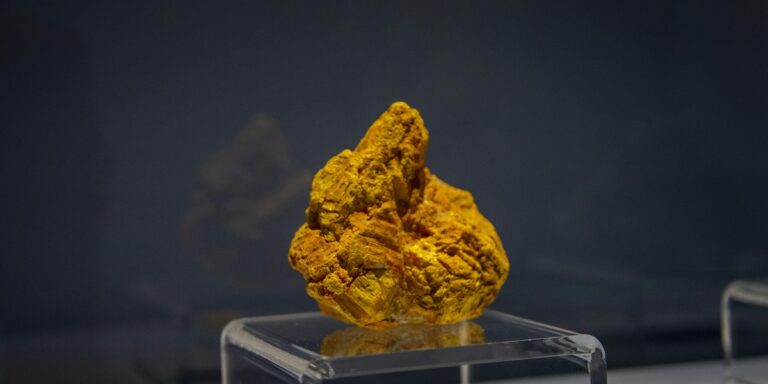
This post lists all 15 actinide elements with their chemical symbols, atomic numbers, and whether they are naturally occurring or synthetic. A concise, easy-to-scan reference for students, educators, and anyone exploring the actinide series on the periodic table.
Continue reading
0 Comments
Chalcogens: The Complete List
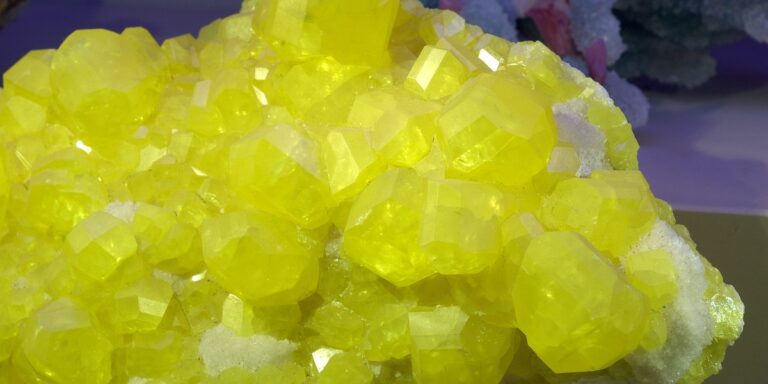
Explore the Chalcogens: the full, authoritative list of Group 16 elements — oxygen, sulfur, selenium, tellurium, polonium, and livermorium. This concise but thorough guide lists each element’s chemical symbol, atomic number, and standard state at STP, plus quick-reference notes on occurrence and common uses. Ideal for students, educators, and chemistry enthusiasts seeking a clear, dependable reference.
Continue reading
0 Comments
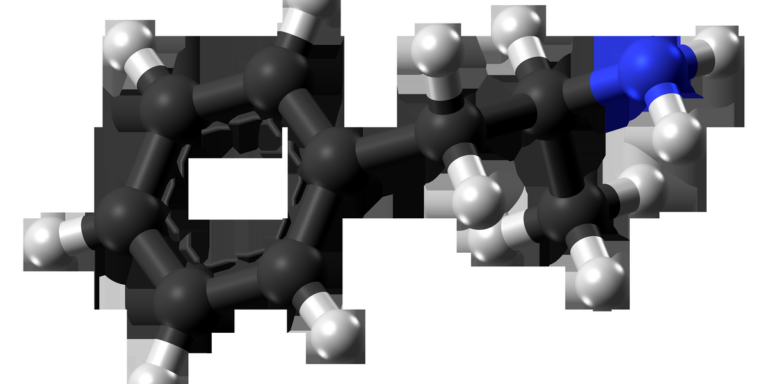
10 Elements Nitrogen Reacts With
This hub lists 10 elements nitrogen reacts with and links to in-depth posts for each element. For every reaction we summarize reaction types, conditions, products, practical applications, and include practical lab safety notes — a quick reference for students, educators, and chemistry enthusiasts.
Continue reading
0 Comments
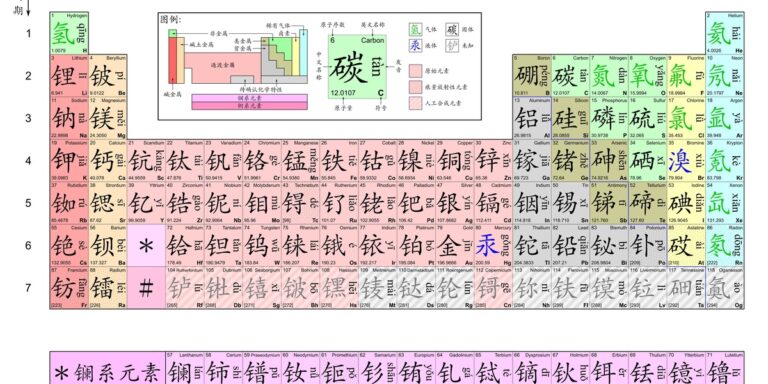
7 Myths and Misconceptions About Elements
Unpack the 7 myths and misconceptions about elements that persist online and in classrooms. This hub debunks common falsehoods about chemical elements and the periodic table, linking to detailed posts that explain the real science behind each misconception.
Continue reading
0 Comments

5 Uses of Astatine
Astatine is one of the rarest naturally occurring elements, but it has distinct roles in niche scientific and medical fields. This hub outlines five key uses — from targeted radiotherapy and radiochemistry to isotope production, laboratory research, and potential diagnostic tools — and links to in-depth articles explaining production, handling, benefits, and safety for each application.
Continue reading
0 Comments
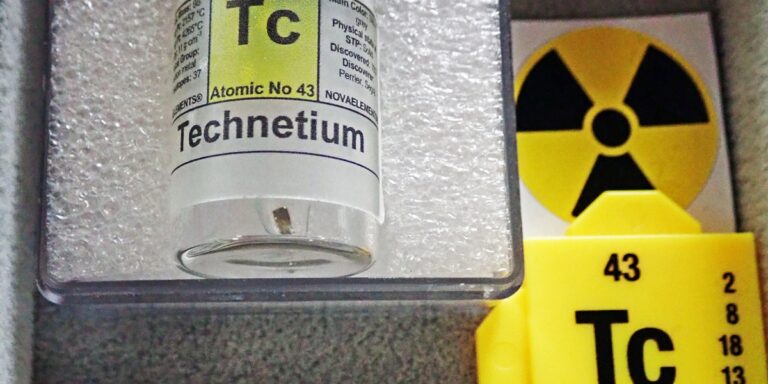
8 Elements Technetium Reacts With
This hub post identifies the 8 elements technetium reacts with and links to in-depth posts on each reaction. Learn reaction types, conditions, mechanisms, safety notes, and the practical significance for inorganic and nuclear chemistry—ideal for students, researchers, and curious readers.
Continue reading
0 Comments