
Explore 8 reasons why Earth science is important and how it shapes society, informs policy, and protects communities from natural hazards. This hub links to detailed posts on geology, climate, oceans, water resources, careers, and education—click to learn how Earth science matters to everyday life.

8 Reasons Why Earth Science is Important
Continue reading
0 Comments

8 Differences Between Invertebrates and Vertebrates
Explore the 8 key differences between invertebrates and vertebrates in this clear, illustrated guide. Compare anatomy, support systems, movement, reproduction, size, diversity, and fossil history with examples and quick links to deeper posts so you can learn each topic in detail.
Continue reading
0 Comments
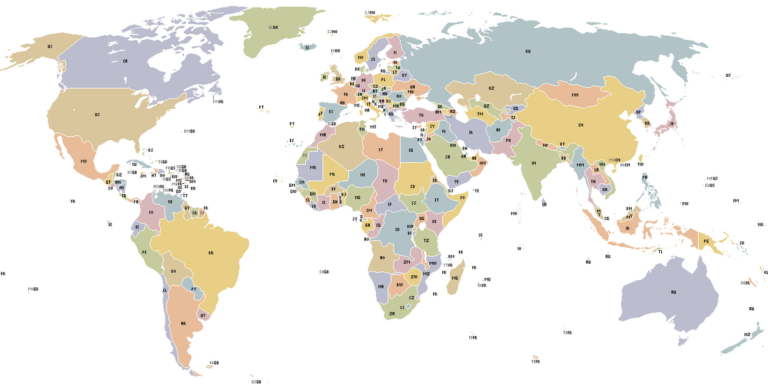
8 Myths and Misconceptions About Continents
This hub debunks 8 myths and misconceptions about continents — from mistaken ideas about size and boundaries to population and cultural misunderstandings — using clear facts, maps, and simple explanations. Click through to linked continent-specific posts for deeper evidence, visual comparisons, and sources that correct widespread geographic errors and help you understand the real facts.
Continue reading
0 Comments

7 Myths and Misconceptions About Rainforests
Many beliefs about rainforests are outdated or oversimplified. This post debunks seven common myths and misconceptions about rainforests—covering biodiversity, deforestation, indigenous stewardship, and climate links—and links to detailed follow-up articles. Read on to separate fact from fiction and learn what truly matters for rainforest conservation.
Continue reading
0 Comments

8 Interesting Facts About Optics
Explore eight intriguing facts about optics that reveal how light, lenses, prisms, and lasers shape the world around us. This hub post summarizes key concepts and links to deep-dive articles on each topic — perfect for students, hobbyists, and anyone curious about the science of light.
Continue reading
0 Comments

8 Branches of Genetics and What They Do
This hub explains the eight major branches of genetics and how each field contributes to science and real-world applications. Follow links to detailed posts on molecular, population, clinical, behavioral, agricultural, microbial, developmental, and conservation genetics to learn focus areas, methods, and career paths.
Continue reading
0 Comments

8 Reasons Why Astronomy is Important
Curious why astronomy matters? “8 Reasons Why Astronomy is Important” is a hub post that outlines the core benefits of studying the cosmos—scientific discovery, technological innovation, climate and planetary insight, navigation and communications, STEM education, economic impact, cultural perspective, and inspiration. Each reason links to a dedicated deep-dive article so you can explore evidence, examples, and practical applications.
Continue reading
0 Comments