
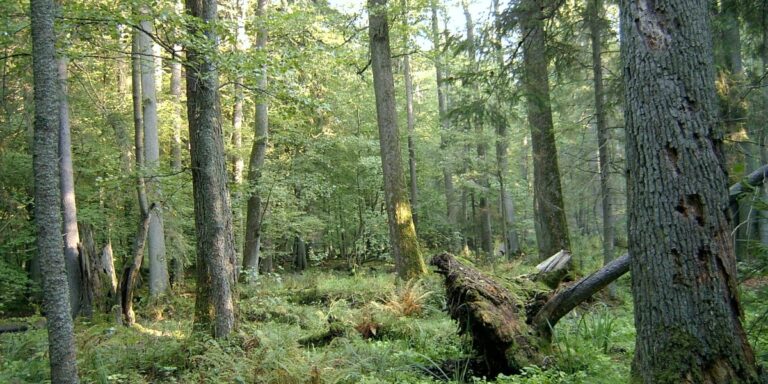
This hub post presents 10 key benefits of ecology — from cleaner air and resilient food systems to economic savings and improved well-being — and explains why ecological thinking matters to you. Follow the links to in-depth posts on each benefit, discover practical actions you can take, and learn the science behind ecosystem services that support daily life and long-term resilience.
10 Benefits of Ecology (and why it is important to you)
Continue reading
0 Comments
8 Differences Between Symbiosis and Parasitism
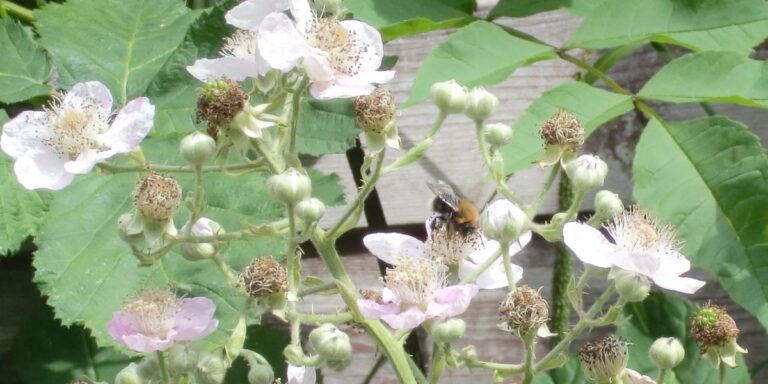
This hub post outlines 8 clear differences between symbiosis and parasitism — from costs and benefits to dependency, specificity, and evolutionary impact. Read concise comparisons with examples and use the linked deep-dive posts to explore each difference, see species examples, and understand ecological and conservation implications.
Continue reading
0 Comments
10 Differences Between Herbivores and Carnivores
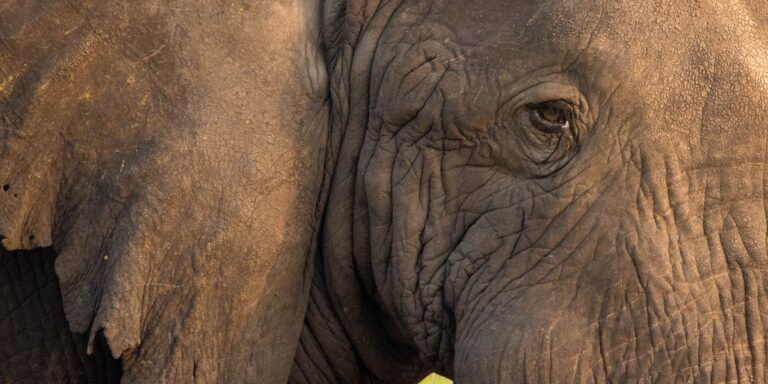
This post outlines 10 clear differences between herbivores and carnivores — from diet and tooth structure to digestive systems, hunting and grazing behaviors, sensory adaptations, lifespan, and ecological roles. Use this hub to get a concise comparison and click through linked deep-dive articles that explain each difference with examples, illustrations, and implications for conservation and ecosystems.
Continue reading
0 Comments
7 Myths and Misconceptions About Ecosystems
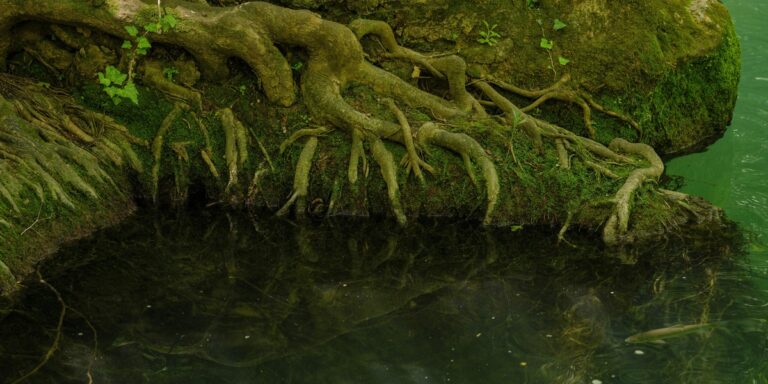
Think you know how ecosystems work? This hub debunks seven common myths and misconceptions about ecosystems, explaining the real science behind biodiversity, food webs, ecosystem services, resilience, and human impacts. Each myth is briefly corrected here and linked to deeper posts so you can explore evidence, case studies, and practical implications for conservation and policy.
Continue reading
0 Comments
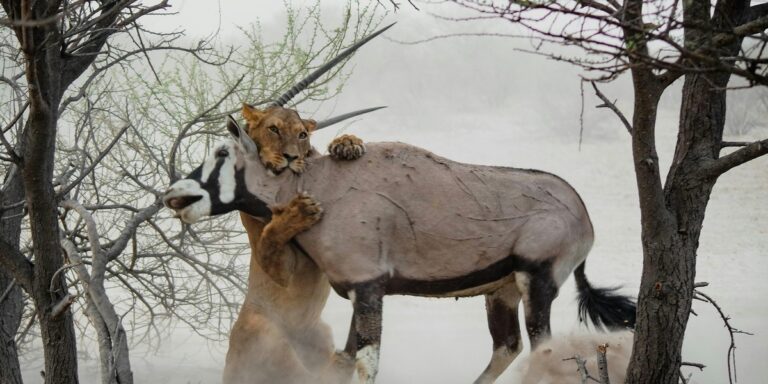
10 Differences Between Food Chain and Food Web
This post outlines 10 clear differences between food chain and food web, explaining how energy flow, trophic levels, complexity, and species interactions differ in ecosystems. Use this hub to jump to detailed posts, diagrams, and real-world examples—ideal for students, teachers, and nature enthusiasts.
Continue reading
0 Comments
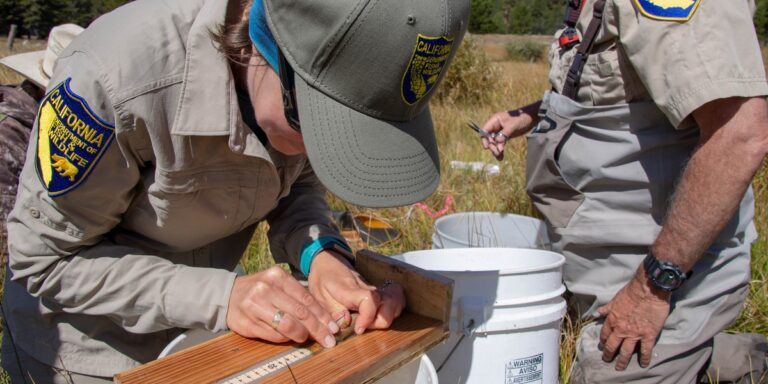
10 Famous Environmental Scientists and Their Discoveries
This post profiles 10 famous environmental scientists and the discoveries that changed how we understand ecosystems, climate, and conservation. Each entry summarizes the scientist’s background, key research, and real-world impact and links to full in-depth profiles — perfect for students, educators, and readers curious about the breakthroughs that continue to shape environmental policy and research.
Continue reading
0 Comments
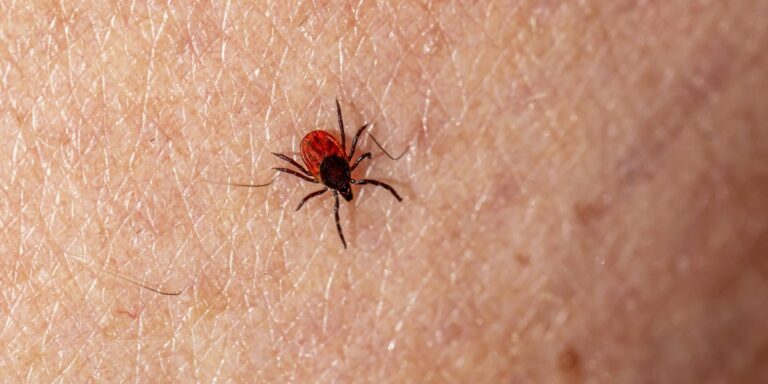
Examples of Parasitism: The Complete List
This post lists 20 Examples of Parasitism across animals, plants, and microbes, with scientific names, host species, and parasitism types for each entry. Explore clear examples—from ticks and tapeworms to cuckoos and mistletoe—to understand host impacts, transmission, and ecological roles; click to learn more.
Continue reading
0 Comments
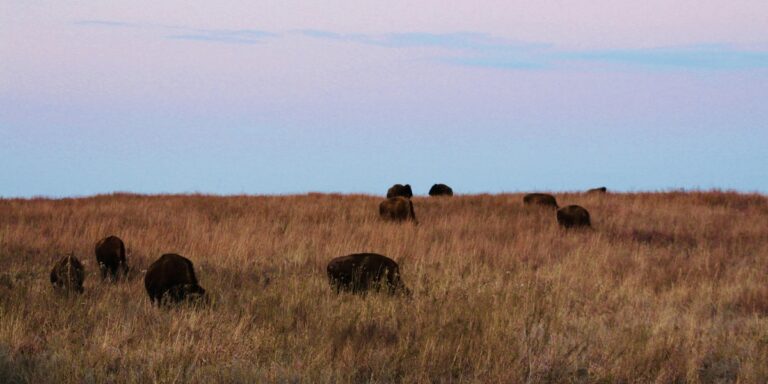
Grassland Biomes: The Complete List
Explore all 12 major Grassland Biomes in this complete guide, from temperate prairies and Eurasian steppes to African savannas and South American pampas. Each entry lists typical climate ranges (°C), annual precipitation (mm/yr), and major locations to help students, educators, and nature enthusiasts compare and understand the world’s grassland ecosystems.
Continue reading
0 Comments
Branches Of Life Science: The Complete List
This comprehensive guide lists all 59 branches of life science and explains each field’s primary focus, typical scale or subjects, and common applications or careers. Ideal for students, educators, and professionals, the post helps you compare disciplines—from genetics and microbiology to ecology and neuroscience—and choose the right specialization or career path.
Continue reading
0 Comments
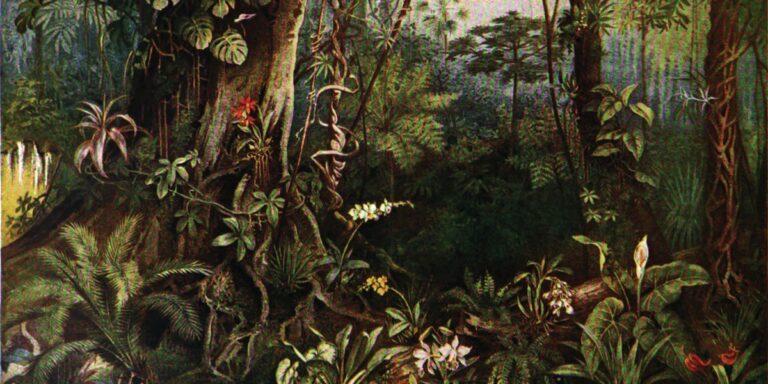
7 Myths and Misconceptions About Rainforests
Many beliefs about rainforests are outdated or oversimplified. This post debunks seven common myths and misconceptions about rainforests—covering biodiversity, deforestation, indigenous stewardship, and climate links—and links to detailed follow-up articles. Read on to separate fact from fiction and learn what truly matters for rainforest conservation.
Continue reading
0 Comments