
Explore 20 Examples of Weather Phenomena in this comprehensive guide. From tornadoes and hurricanes to fog and heatwaves, each entry lists typical intensity and where it occurs (regions and seasons), with clear descriptions and real-world examples—ideal for students, educators, and weather enthusiasts who want a concise, informative reference.
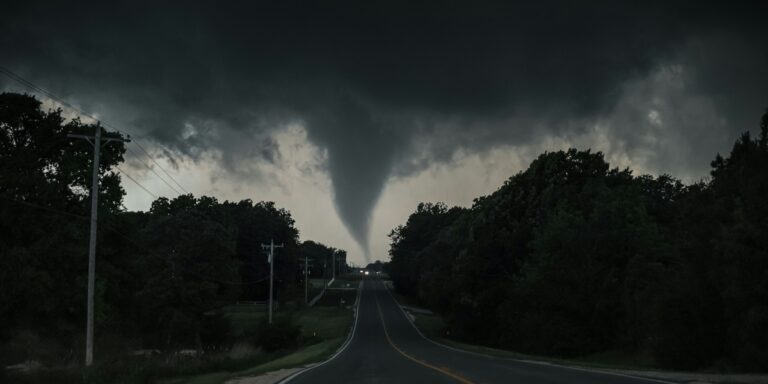
Examples of Weather Phenomena: The Complete List
Continue reading
0 Comments
8 Reasons Why Earth Science is Important
Explore 8 reasons why Earth science is important and how it shapes society, informs policy, and protects communities from natural hazards. This hub links to detailed posts on geology, climate, oceans, water resources, careers, and education—click to learn how Earth science matters to everyday life.
Continue reading
0 Comments
8 Differences Between Rainforest and Savanna
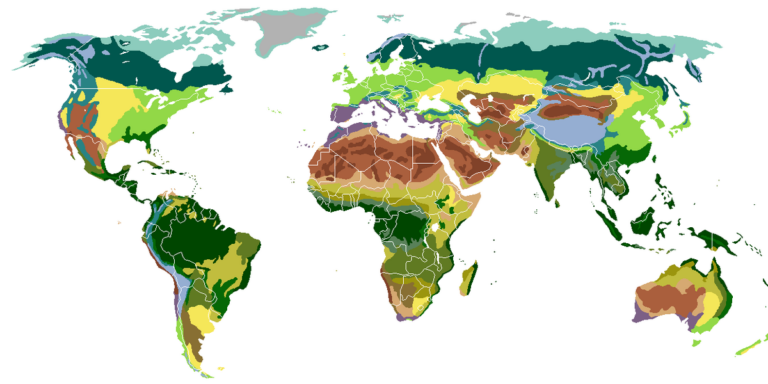
Explore 8 clear differences between rainforest and savanna ecosystems — from climate and rainfall patterns to biodiversity, soil, vegetation, and human impact. This hub post summarizes each contrast and links to detailed articles for deeper reading.
Continue reading
0 Comments

Examples of Climate Zones: The Complete List
Examples of Climate Zones: This post lists 20 climate zone examples with their Köppen codes, representative locations, and typical temperature and annual rainfall ranges. Use this complete, easy-reference guide to compare climates worldwide, plan travel, or support research with clear data and real-world examples.
Continue reading
0 Comments
7 Interesting Facts About Rainforests
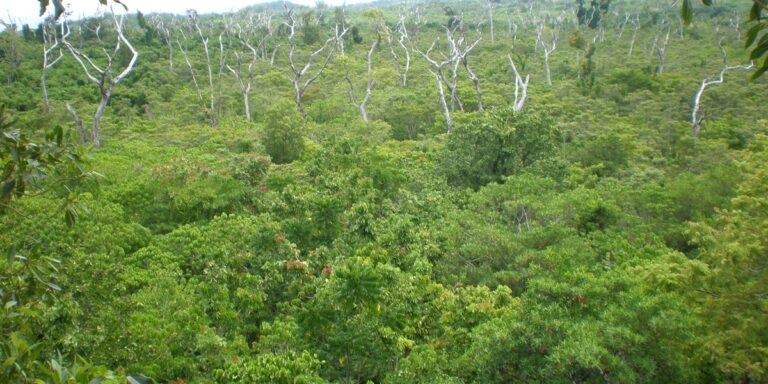
Discover seven surprising and essential facts about rainforests – from their role in regulating global climate and supporting unparalleled biodiversity to the threats they face and why conservation matters. This hub post gives a concise overview of each fact and links to in-depth articles on species, ecosystems, indigenous communities, and actionable conservation tips.
Continue reading
0 Comments

8 Differences Between Atmosphere and Hydrosphere
This post explains 8 key differences between the atmosphere and hydrosphere — from chemical composition and physical layers to energy flow, circulation patterns, biological roles, and human impacts. Use this hub to compare the two Earth systems quickly and follow links to in-depth articles on composition, the water and air cycles, weather vs. ocean dynamics, and environmental consequences.
Continue reading
0 Comments