
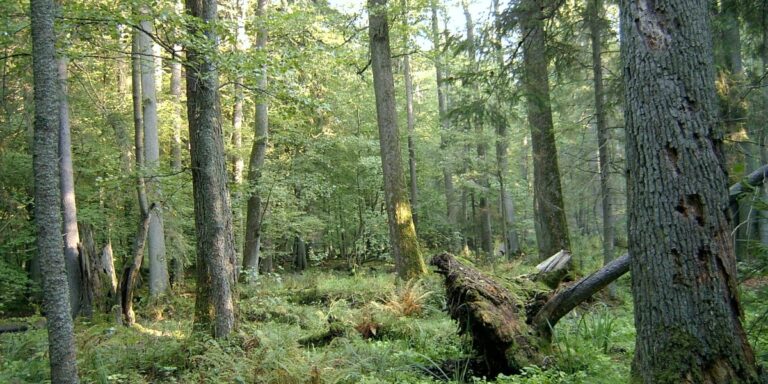
This hub post presents 10 key benefits of ecology — from cleaner air and resilient food systems to economic savings and improved well-being — and explains why ecological thinking matters to you. Follow the links to in-depth posts on each benefit, discover practical actions you can take, and learn the science behind ecosystem services that support daily life and long-term resilience.
10 Benefits of Ecology (and why it is important to you)
Continue reading
0 Comments
8 Differences Between Symbiosis and Parasitism
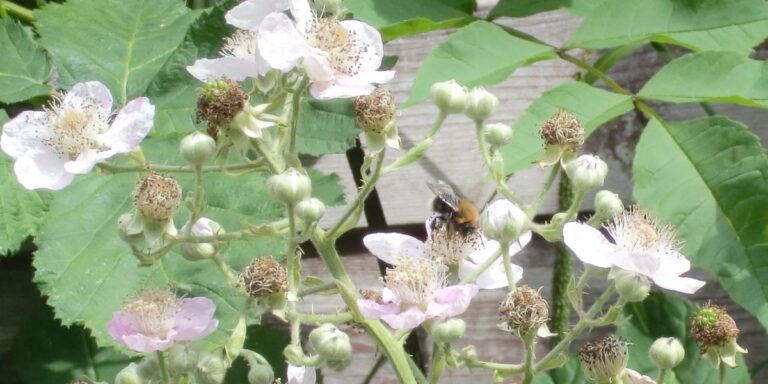
This hub post outlines 8 clear differences between symbiosis and parasitism — from costs and benefits to dependency, specificity, and evolutionary impact. Read concise comparisons with examples and use the linked deep-dive posts to explore each difference, see species examples, and understand ecological and conservation implications.
Continue reading
0 Comments
7 Myths and Misconceptions About Ecosystems
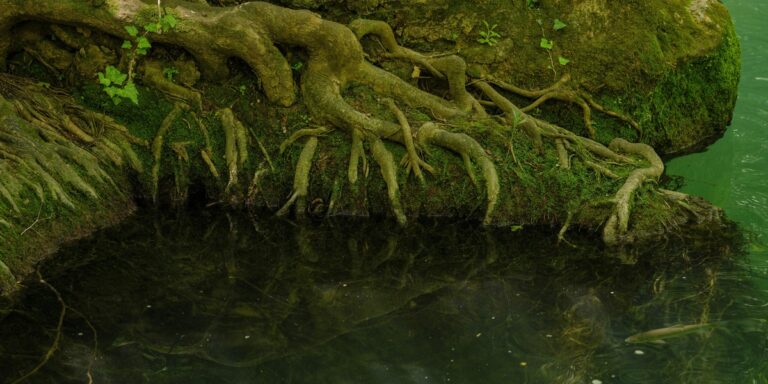
Think you know how ecosystems work? This hub debunks seven common myths and misconceptions about ecosystems, explaining the real science behind biodiversity, food webs, ecosystem services, resilience, and human impacts. Each myth is briefly corrected here and linked to deeper posts so you can explore evidence, case studies, and practical implications for conservation and policy.
Continue reading
0 Comments
10 Differences Between Food Chain and Food Web
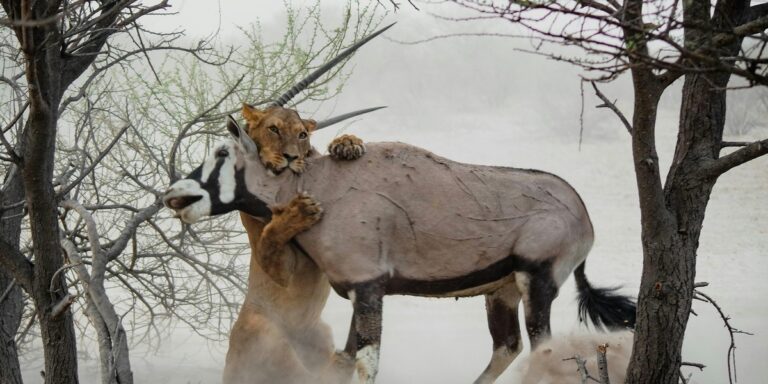
This post outlines 10 clear differences between food chain and food web, explaining how energy flow, trophic levels, complexity, and species interactions differ in ecosystems. Use this hub to jump to detailed posts, diagrams, and real-world examples—ideal for students, teachers, and nature enthusiasts.
Continue reading
0 Comments
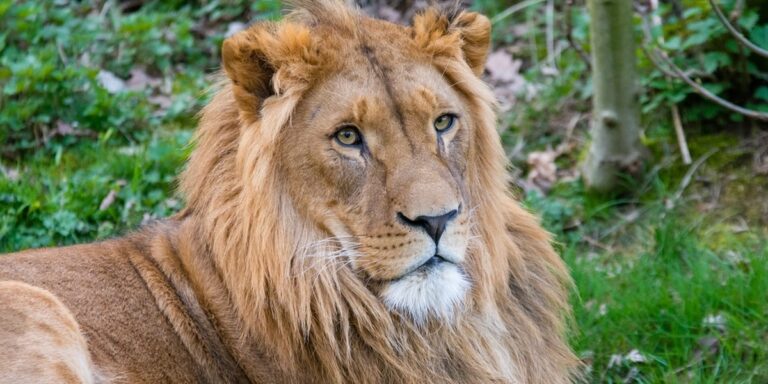
Examples of Consumers in Biology
This post presents 20 examples of consumers in biology, spanning herbivores, carnivores, omnivores, and decomposers. Each entry includes the scientific name, trophic level, and typical diet to help students and nature lovers understand consumer roles within ecosystems.
Continue reading
0 Comments
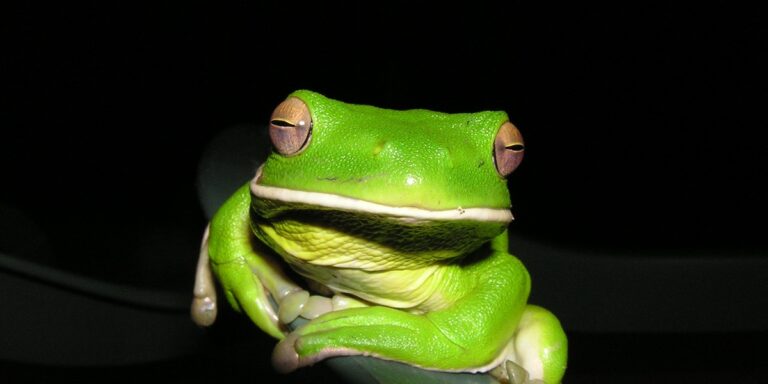
List of Indicator Species
This post lists 41 indicator species worldwide with scientific names, indicator roles, and habitats. Discover bioindicators—from frogs and lichens to mayflies—and learn how these species reveal ecosystem health and environmental change. Perfect for students, citizen scientists, and conservationists looking for practical monitoring signs.
Continue reading
0 Comments
Types Of Ecological Succession: The Complete List
This post provides a comprehensive, easy-to-follow list of the 10 Types of Ecological Succession, explaining the main drivers, typical timescales, and representative environments for each. Learn how ecosystems recover and change from bare substrate to mature communities with clear examples and practical context.
Continue reading
0 Comments
List of Food Chains
This List of Food Chains compiles 35 distinct chains across terrestrial, freshwater, and marine ecosystems. Each entry shows Type, Scope, and a Key stat (count/levels) to illustrate trophic structure and energy flow—use this resource for quick comparisons, teaching, or deeper ecological study.
Continue reading
0 Comments
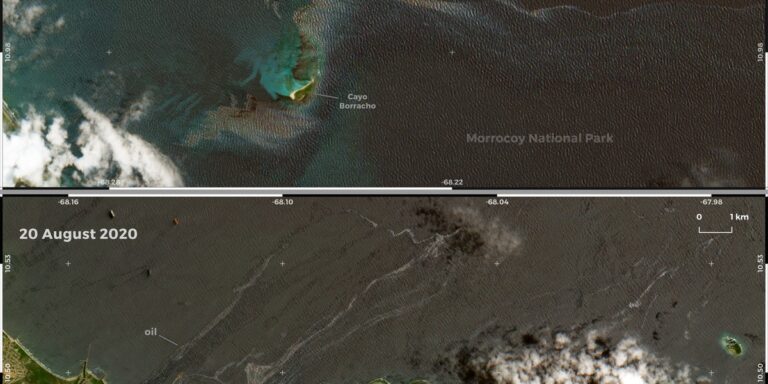
8 Interesting Facts About Ecosystems
Explore eight fascinating facts about ecosystems — from how biodiversity and keystone species shape resilience to nutrient cycles, food webs, and human impacts. This hub post summarizes each fact and links to in-depth articles for readers, students, and educators who want clear explanations, real-world examples, and practical ways to protect ecosystems.
Continue reading
0 Comments