
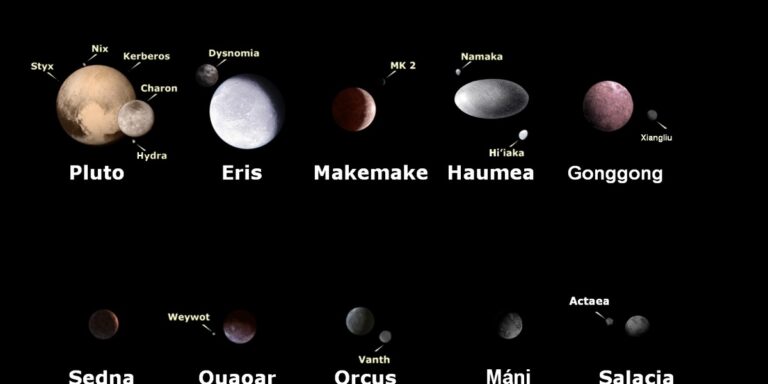
This post presents a definitive, numbered list of 20 Dwarf Planets recognized in and near our Solar System, including their current status, diameters, and average orbital distances. Whether you’re a student, educator, or space enthusiast, explore concise facts, quick comparisons, and essential details to understand each body’s classification and where it orbits—perfect for reference or deeper study.
Dwarf Planets: The Complete List
Continue reading
0 Comments

Examples of Open Clusters: The Complete List
Explore 20 notable Examples of Open Clusters, each listed with catalog IDs, constellation locations, and distance in light-years. This complete list highlights well-known clusters like the Pleiades and M67, providing quick reference data and links for deeper study—ideal for students, amateur astronomers, and skywatchers.
Continue reading
0 Comments
Examples of White Dwarfs
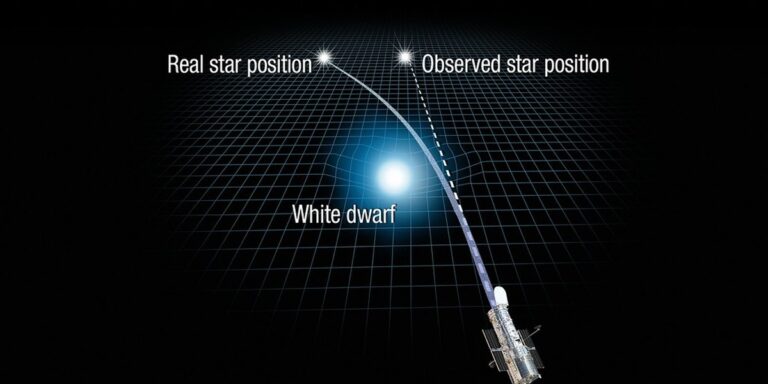
Explore Examples of White Dwarfs with a concise list of six notable stellar remnants, highlighting objects like Sirius B and 40 Eridani B. Each entry includes constellation, distance (pc), and apparent magnitude (V), offering quick observational facts and context for amateur astronomers and students.
Continue reading
0 Comments
Examples of Supergiant Stars
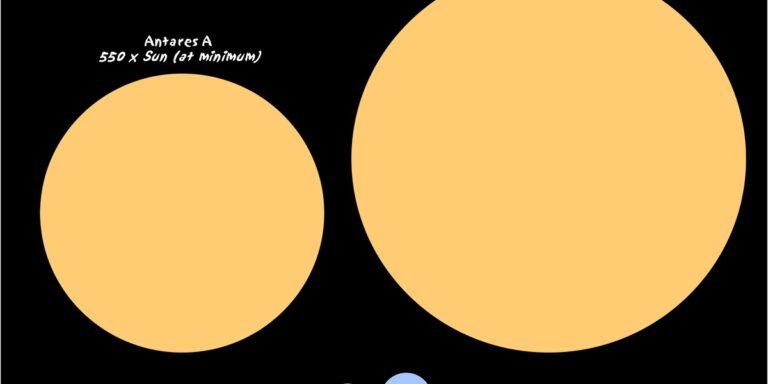
This post presents 15 Examples of Supergiant Stars with their spectral types, distances and radii. Explore famous giants like Betelgeuse and Rigel, compare colors and sizes, and learn what makes these stars among the most massive and luminous in the sky.
Continue reading
0 Comments

List of Stars
Explore a curated list of 31 notable Stars with key details: apparent magnitude (mag), distance in light-years (ly), and constellation. Ideal for stargazers, educators, and astronomy enthusiasts, this post makes it easy to compare brightness and proximity at a glance. Click to view detailed entries, quick facts, and practical tips for locating and observing the brightest stars in the night sky.
Continue reading
0 Comments
8 Branches of Astronomy and What They Do
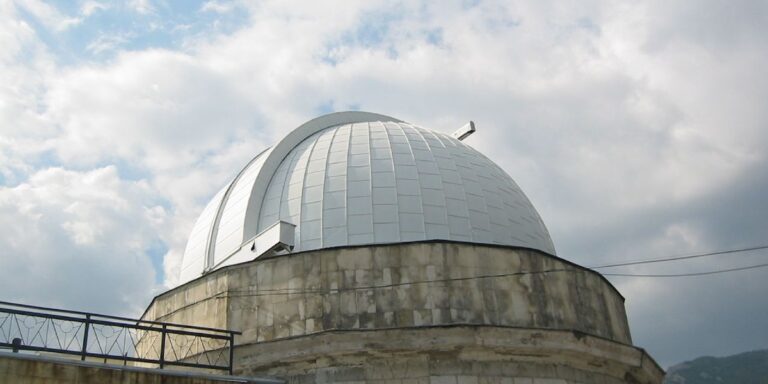
Explore the 8 branches of astronomy and what they do in this clear, beginner-friendly hub. Each branch — from planetary science and stellar astronomy to cosmology and astrobiology — is summarized with its core questions, methods, and links to in-depth posts for further reading.
Continue reading
0 Comments

8 Reasons Why Astronomy is Important
Curious why astronomy matters? “8 Reasons Why Astronomy is Important” is a hub post that outlines the core benefits of studying the cosmos—scientific discovery, technological innovation, climate and planetary insight, navigation and communications, STEM education, economic impact, cultural perspective, and inspiration. Each reason links to a dedicated deep-dive article so you can explore evidence, examples, and practical applications.
Continue reading
0 Comments

10 Myths and Misconceptions About Telescopes
Think telescopes are only for experts or that bigger is always better? This post debunks the 10 most common myths and misconceptions about telescopes—covering cost, size, maintenance, ease of use, and what you can realistically see. Click through for quick facts and links to detailed guides so beginners and hobbyists can make confident choices.
Continue reading
0 Comments

8 Everyday Applications of Astronomy
Explore eight everyday applications of astronomy that quietly power modern life, from GPS and weather forecasting to telecommunications, solar energy, medical imaging and precision agriculture. This hub post summarizes practical uses, explains the science behind them, and links to deep-dive articles for each application so you can learn how astronomy shapes the technologies and services you rely on every day.
Continue reading
0 Comments