Pakistan’s landscape hides more than mountains and deserts — from the Makran coast to high plateaus, vents and mud cones mark ongoing geological processes. Local fishermen, pilgrims and geologists have long noted gas seeps, mud eruptions and steaming ground that tell a story of underground pressure and sedimentary activity.
There are 7 Volcanoes in Pakistan, ranging from Chandragup to Ormara Mud Volcanoes. For each entry I’ll list Type,Location (province; nearest city; coords),Last activity (year or status) so you can compare features and history — you’ll find that list below.
Are any of these volcanoes currently active or unsafe to approach?
Most are mud volcanoes that erupt mud, gas and occasional flames rather than lava; activity ranges from dormant to intermittent seepage. Some sites can release toxic gas or collapse suddenly, so check recent reports and avoid vent areas without local guides or official permission.
How accurate are the coordinates and activity dates listed?
Coordinates and dates usually come from geological surveys, field reports and satellite data, but older events may be approximate. Treat the table as a starting point and verify with recent studies or local authorities before visiting or citing the information.
Volcanoes in Pakistan
| Name | Type | Location (province; nearest city; coords) | Last activity (year or status) |
|---|---|---|---|
| Chandragup | Mud Volcano | Balochistan; near Hingol National Park; 25.51, 65.52 | Active |
| Koh-i-Sultan | Magmatic Volcano | Balochistan; near Nok Kundi; 29.05, 62.75 | Dormant (fumarolic activity) |
| Jabal-e-Ghurab | Mud Volcano | Balochistan; near Gwadar; 25.21, 62.29 | Active |
| Malān Island | Submarine Mud Volcano | Balochistan (offshore); west of Gwadar; 25.33, 62.30 | 2013 |
| Gwadar Mud Volcano Field | Mud Volcano Field | Balochistan; east of Gwadar; 25.25, 62.33 | Active |
| Ormara Mud Volcanoes | Mud Volcano Field | Balochistan; near Ormara; 25.35, 64.60 | Active |
| Makran Submarine Mud Volcanoes | Submarine Mud Volcano Field | Arabian Sea; Offshore Makran Coast; 24.80, 63.70 | Active |
Images and Descriptions

Chandragup
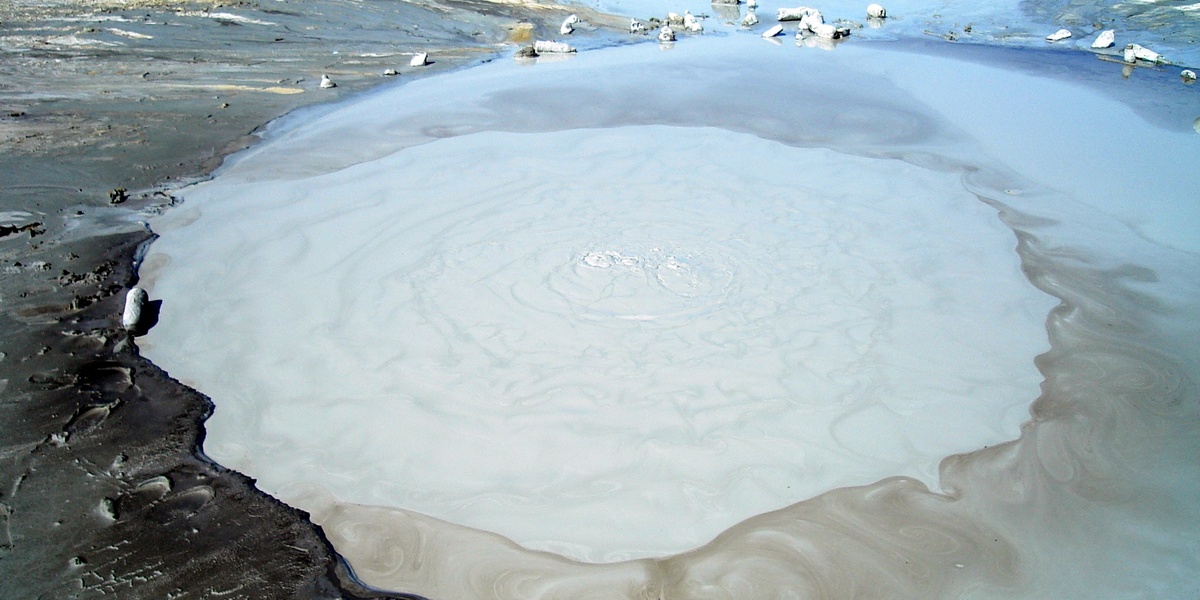
The most famous mud volcano in Pakistan and a sacred Hindu pilgrimage site. Located in Hingol National Park, its classic cone actively bubbles with methane gas and mud, making it a popular and accessible geological wonder.

Koh-i-Sultan
An ancient, heavily eroded stratovolcano and one of Pakistan’s only true magmatic volcanoes. While dormant, it features active fumaroles (steaming vents) and extensive sulfur deposits, indicating residual geothermal heat deep below the surface.
Jabal-e-Ghurab
A large, prominent mud volcano near the port city of Gwadar, known for its symmetrical cone shape. It periodically erupts mud and methane gas, often triggered by regional earthquakes, creating a dramatic spectacle on the flat coastal plain.
Malān Island
Known as Zalzala Jazeera (‘Earthquake Island’), this temporary island emerged from the sea after the 2013 Awaran earthquake. Formed by a submarine mud volcano, it demonstrated the region’s dynamic geology before eroding beneath the waves.
Gwadar Mud Volcano Field
A cluster of several active mud volcanoes scattered near Gwadar. This field is a visible sign of the intense geological pressure from the Makran subduction zone, where the Arabian tectonic plate dives beneath the Eurasian plate.
Ormara Mud Volcanoes
A group of active mud volcanoes located near the coastal town of Ormara. These features are part of the vast system of vents along the Makran coast that continuously release methane gas and mineral-rich mud from deep underground.
Makran Submarine Mud Volcanoes
A huge, unseen field of mud volcanoes on the seafloor of the Arabian Sea. These vents are a major source of methane gas in the marine environment and can be triggered by seismic events, sometimes forming temporary islands.