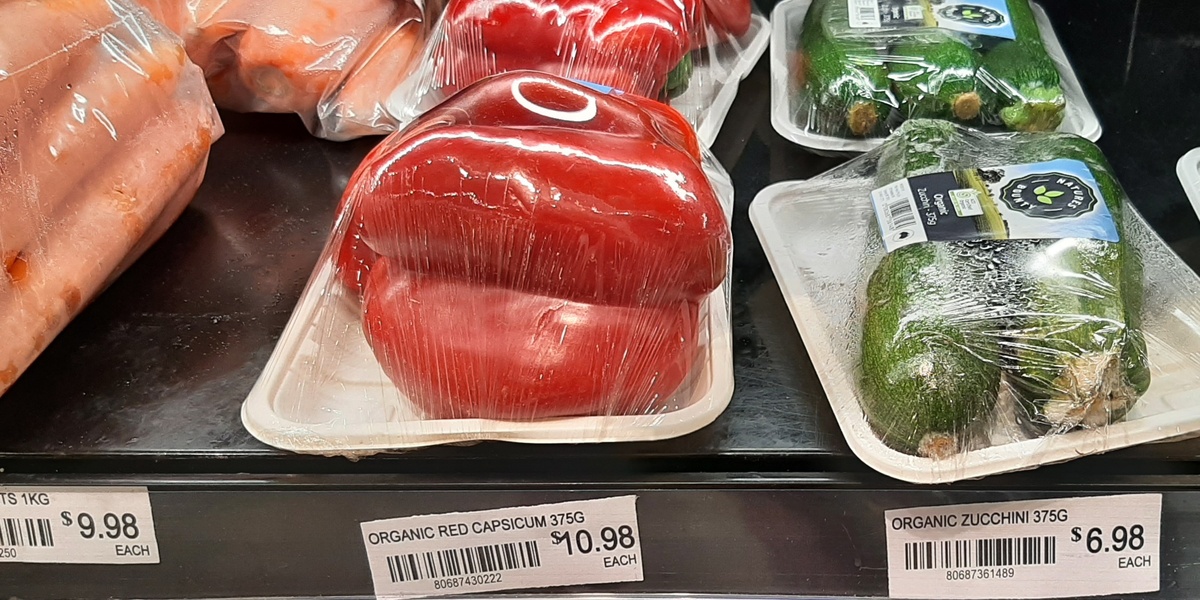
A 2012 meta-analysis of 237 studies found little consistent evidence that organic foods are more nutritious than conventional ones, a result that surprised many consumers who equate “organic” with “healthier.”
The modern U.S. organic system began to take a formal shape when the USDA finalized the National Organic Program rule in 2002, and organic sales have grown rapidly over the past two decades as shoppers responded to food-safety scares, environmental concerns, and marketing. Myths about organic food persist because marketing messages, vivid anecdotes, and selective reporting often crowd out broader evidence.
This piece debunks eight common myths, grouped into health and nutrition, environment and sustainability, labeling and regulation, and practicality and access. The goal is practical: give you evidence, real-world examples, and shopping tips so you can prioritize based on health, budget, or environmental goals.
Let’s start with health and nutrition.
Health & Nutrition Myths
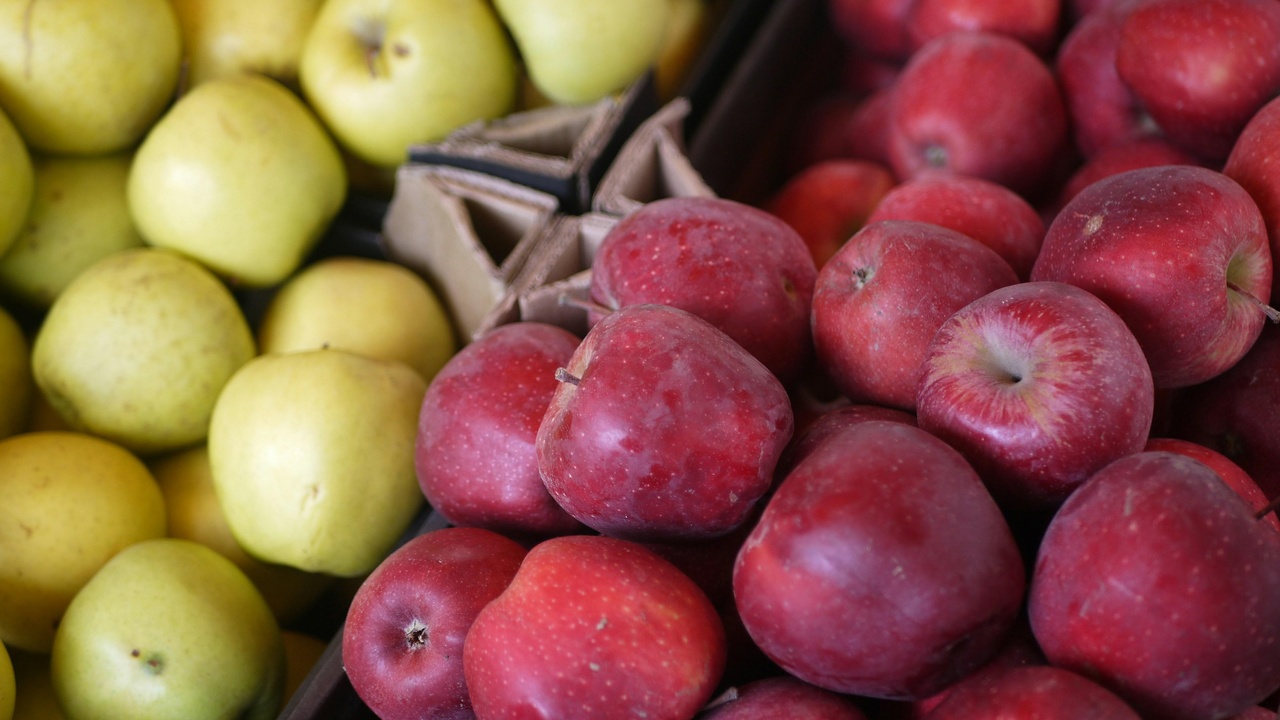
Many consumer beliefs about organic food focus on personal health. Researchers have published reviews and large meta-analyses comparing nutrient content and testing for pesticide residues. Below are two of the most common health-related misunderstandings and what the evidence actually shows.
1. Organic food is always more nutritious
The claim is simple: organic equals more nutrients. The evidence is more complex. The 2012 Stanford meta-analysis of 237 studies concluded there were no consistent differences for most vitamins and minerals between organic and conventional crops, though some later reviews found modest increases in certain antioxidants for specific crops.
Nutrition varies with variety, soil, ripeness at harvest, and storage more than the organic label alone. For shoppers focused on nutrient density, choosing a wider variety of vegetables and eating produce when fresh or frozen soon after harvest typically gives a bigger boost than buying organic for every item.
Takeaway: prioritize dark leafy greens, berries, and freshness. If budget forces trade-offs, buy conventional spinach or berries when they are at peak freshness rather than organic that sat in transit for days.
2. Organic means pesticide-free
“Pesticide-free” is misleading. Organic standards restrict synthetic pesticides but permit some natural or non-synthetic substances listed in the rules. Testing programs show a clear pattern: organic samples have fewer detectable synthetic residues than conventional ones, but they are not universally residue-free.
The USDA Pesticide Data Program routinely reports lower frequencies of synthetic pesticide detections in certified-organic samples compared with conventional produce. Practical steps—washing, peeling, and choosing whole fruits and vegetables—reduce residues for both types. For families concerned about exposure, prioritizing organic for commonly high-residue items makes sense.
Example: strawberries and spinach often test on the higher end for residues, so many shoppers use tools like the Environmental Working Group’s “Dirty Dozen” as a quick prioritization list, while remembering that the EWG is a screening tool rather than a regulatory agency.
Environmental & Sustainability Myths
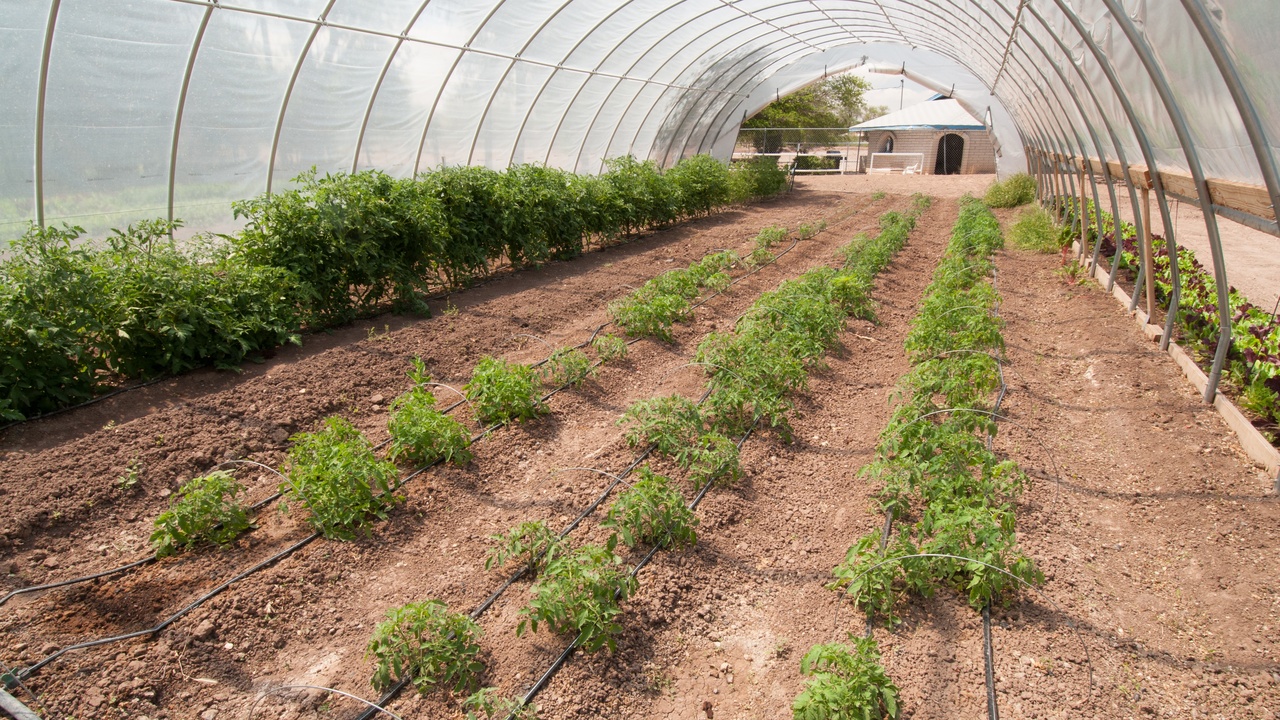
Environmental concerns drive many organic purchases. Advocates point to benefits like richer soil, more pollinators, and reduced synthetic runoff. Critics counter with lifecycle analyses that highlight trade-offs. The truth depends on scale, crop type, and management.
3. Organic farming is always better for the environment
Organic practices often improve field-level indicators such as soil organic matter and on-farm biodiversity. Trials by groups like the Rodale Institute show that regenerative organic rotations and cover cropping can increase soil carbon and support pollinators.
However, life-cycle comparisons sometimes find higher greenhouse-gas emissions or greater land use per unit of food for organic systems because of lower yields. Gains in biodiversity or soil health do not automatically translate into a lower footprint per calorie or per kilogram without considering those yield differences.
Context matters: on a small-scale vegetable farm managed for biodiversity, organic methods often deliver clear local benefits. For commodity grains, the lower yields seen in many studies can make the overall environmental picture more mixed.
4. Organic can’t feed the world (or its yields are always too low)
Many meta-analyses report average yield gaps for organic systems. A widely cited review by Seufert and colleagues found average organic yield gaps in the range of roughly 19 to 25 percent, though variation across crops and regions is large.
Factors such as management intensity, crop type, and access to organic-adapted varieties shape outcomes. Some legumes and well-managed vegetable systems approach or match conventional yields. Feeding a growing population is a systems challenge that involves waste reduction, diet shifts, and targeted agronomic improvements as much as production method alone.
Action point: policies that fund research on closing organic yield gaps and that reduce food loss could make expanded organic production more feasible without massive land conversion.
Cost, Labeling & Regulation Myths

Labeling and regulation shape consumer expectations. Some assume “organic” is marketing fluff. Others expect absolute guarantees about safety. The USDA National Organic Program created firm standards in 2002 and certifiers enforce those rules, but the label carries specific—not unlimited—promises.
5. The USDA Organic label guarantees ‘chemical-free’ and absolute safety
The USDA Organic standard prohibits most synthetic fertilizers and pesticides and excludes genetically modified organisms, but it allows certain approved natural substances. Certification requires documentation and annual inspections under the National Organic Program final rule that took effect in 2002.
Consumers should expect that certified-organic products comply with those rules, while recognizing that “chemical-free” is not an accurate description. Drift and inadvertent contamination can occur, and certifiers handle complaints and remediation through inspection and record review.
6. Organic is just marketing — it isn’t regulated or meaningful
Skepticism is reasonable, but organic certification is a regulated process with accredited certifiers, inspections, and paperwork. Producers pay for certification and must meet standards that go beyond simple “natural” claims on labels.
Price premiums reflect certification costs, smaller scale, different labor inputs, and supply-chain choices. Premiums vary by category and retailer—commonly in a range from about 20 percent to more than 100 percent for certain specialty items.
If you doubt a product’s claims, look for the USDA seal and the certifier code on packaging, or ask a farmer at market for their certifier and inspection schedule. Private-label organic lines at major retailers demonstrate that organic supply chains can scale while still following certification rules.
Practicality & Accessibility Myths
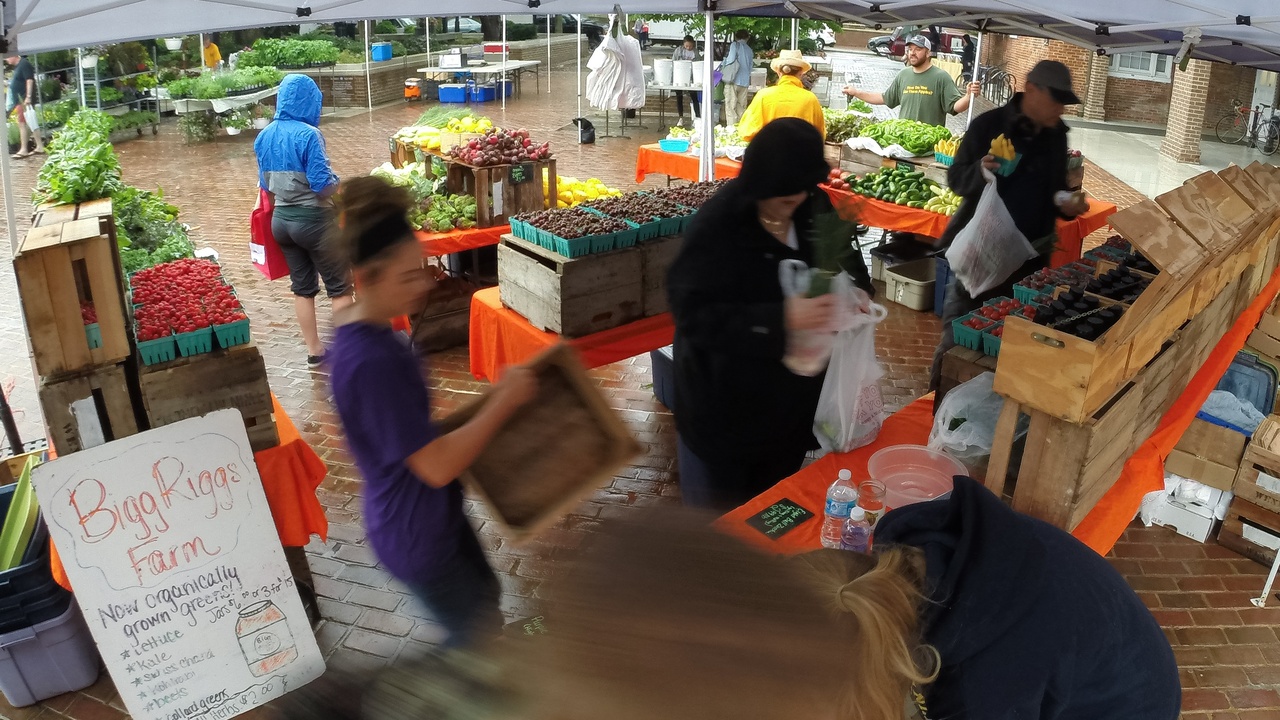
Access and budget determine what most households actually buy. Some people conflate “local” with “organic,” or assume organic is always the single best choice. Below are two practical myths and approaches to stretch limited dollars while keeping goals in view.
7. Local equals organic (or vice versa)
Local refers to geography. Organic refers to production standards. A small nearby orchard might use conventional sprays, while certified-organic apples could arrive from a different state. Both claims matter for different reasons.
At a farmers’ market, ask growers about spray schedules, soil fertility, and pest management. If supporting the regional economy is your priority, local conventional purchases can achieve that aim. If reducing pesticide exposure is your priority, distant organic or frozen organic can be better choices.
Example compromise: frozen organic berries provide many of the nutritional benefits of fresh fruit at lower cost and with less transport-related spoilage than off-season fresh imports.
8. Organic is always worth the extra cost
Whether organic is “worth it” depends on your goals. Premiums commonly range from roughly 20 to 100 percent. That extra cost buys certification, different production methods, and sometimes higher labor inputs or smaller-scale processing.
Budget strategies: prioritize organic for high-residue produce or animal products if animal welfare matters to you. Choose frozen organic where freshness and nutrient retention matter. Consider CSAs, co-ops, and bulk buying to reduce per-unit costs.
For a tight household budget, a practical decision framework is to rank priorities (pesticide exposure, support for local farms, animal welfare) and allocate the organic premium to the top two priorities rather than applying it across every purchase.
Summary
- Organic isn’t automatically more nutritious; the 2012 Stanford meta-analysis of 237 studies found few consistent nutrient differences, so prioritize variety, freshness, and storage to boost nutrition.
- Organic reduces detectable synthetic pesticide residues but is not pesticide-free; USDA Pesticide Data Program testing and targeted priorities (e.g., strawberries, spinach) can guide purchases.
- Environmental benefits exist at the field level (soil health, biodiversity), yet lower average yields in many crops can create trade-offs for land use and greenhouse-gas intensity.
- The USDA National Organic Program (final rule in 2002) creates real certification requirements and annual inspections; organic certification carries a measurable cost reflected in retail premiums.
- Stretch limited budgets by prioritizing organic for high-residue items or animal products you care about, choosing frozen organic, joining a CSA, and asking farmers about their practices.
Decide what matters most—health, environment, animal welfare, or local support—then use simple tools: check the USDA seal, ask producers about practices, and prioritize organic purchases where they match your top goals.