Serbia sits at the crossroads of Central and Southeast Europe, with fertile plains, river corridors and mineral-rich highlands that have supported farming, energy and industry for generations. Understanding what lies underfoot helps explain regional economies, local communities and future development choices.
There are 29 Natural Resources of Serbia, ranging from Agricultural Land to Zeolite. For each entry the data are presented as Type,Main location(s),Est reserves / capacity (units) so you’ll find below a concise table and short notes to compare locations and estimated quantities.
Which resources contribute most to Serbia’s economy today?
Agricultural land, lignite (for power generation), and a mix of industrial minerals and metals (copper, lead, zinc and some precious metals) are the main economic drivers; agriculture and lignite mainly serve domestic needs while certain ores and processed minerals support exports. The table below helps identify which resources are locally critical versus export-oriented.
How reliable are the reserve and capacity figures in the list?
Estimates come from geological surveys, mining reports and published studies but vary by date, methodology and exploration intensity; treat the “Est reserves / capacity (units)” entries as indicative starting points and check recent national or company reports for project-level decisions.
Natural Resources of Serbia
| Name | Type | Main location(s) | Est reserves / capacity (units) |
|---|---|---|---|
| Lignite | Fossil Fuel | Kolubara and Kostolac Basins | 7,500 million tonnes |
| Copper | Metal | Bor and Majdanpek (Eastern Serbia) | 1,200 million tonnes (ore) |
| Lithium (Jadarite) | Metal | Jadar Valley (Western Serbia) | 136 million tonnes (ore) |
| Agricultural Land | Land Resource | Pannonian Plain (Vojvodina), Central Serbia | 4,800,000 ha |
| Freshwater | Water Resource | Danube, Sava, Drina, Morava River Basins | 162 km³/year (total renewable) |
| Hydro Potential | Renewable Energy | Danube River (Iron Gate), Drina River | 17,000 GWh/year (total potential) |
| Forests | Biological Resource | Central, Western and Eastern Serbia | 2,250,000 ha |
| Oil | Fossil Fuel | Pannonian Basin (Vojvodina) | 11.5 million tonnes |
| Natural Gas | Fossil Fuel | Pannonian Basin (Vojvodina) | 13.7 billion m³ |
| Gold | Metal | Bor and Majdanpek (Eastern Serbia) | 150-200 tonnes |
| Lead-Zinc | Metal | Rudnik Mountain, Veliki Majdan | 10-15 million tonnes (ore) |
| Oil Shale | Fossil Fuel | Aleksinac Basin | 2,000 million tonnes |
| Wind Potential | Renewable Energy | South Banat (Košava zone), Eastern Serbia | 12,000 GWh/year (technical potential) |
| Solar Potential | Renewable Energy | Southern and Eastern Serbia | 1,400 kWh/m²/year (avg. irradiation) |
| Biomass Potential | Renewable Energy | Widespread (agricultural regions) | 3.4 million toe/year |
| Mineral Water | Water Resource | Vrnjačka Banja, Bukovička Banja, Prolom Banja | 300+ springs |
| Limestone | Construction Material | Widespread | unknown (billions of tonnes) |
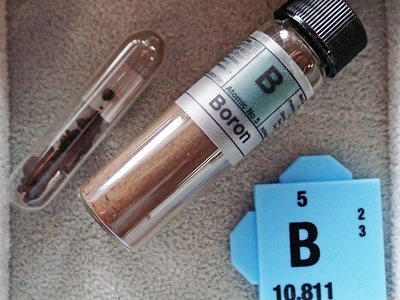
| Boron | Industrial Mineral | Jadar Valley (Western Serbia) | unknown (world-class deposit) |
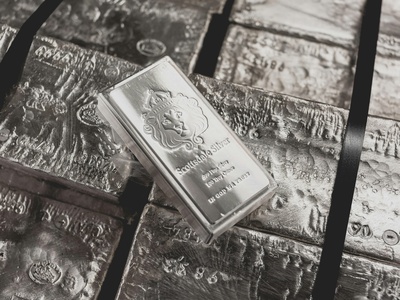
| Silver | Metal | Rudnik Mountain, Bor, Majdanpek | unknown |
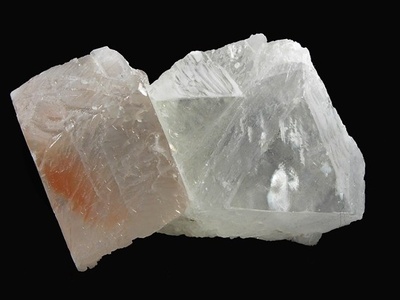
| Magnesite | Industrial Mineral | Zlatibor, Kopaonik regions | 20 million tonnes |
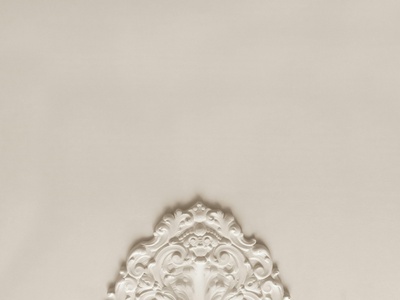
| Gypsum | Construction Material | Gruža region | 25 million tonnes |
| Clay | Construction Material | Widespread | unknown (very large) |
| Quartz Sand | Industrial Mineral | Rgotina, Zaječar region | 20 million tonnes |
| Geothermal Potential | Renewable Energy | Pannonian Basin, Mačva, Southern Serbia | 800 MWth (estimated) |
| Dolomite | Construction Material | Western Serbia | unknown (large) |
| Molybdenum | Metal | Majdanpek, Bor | unknown |
| Antimony | Metal | Podrinje region (Zajača) | 50,000 tonnes |
| Zeolite | Industrial Mineral | Vranje Basin | 200 million tonnes |
| Marble | Construction Material | Venčac Mountain, Western Serbia | unknown |
Images and Descriptions
Lignite
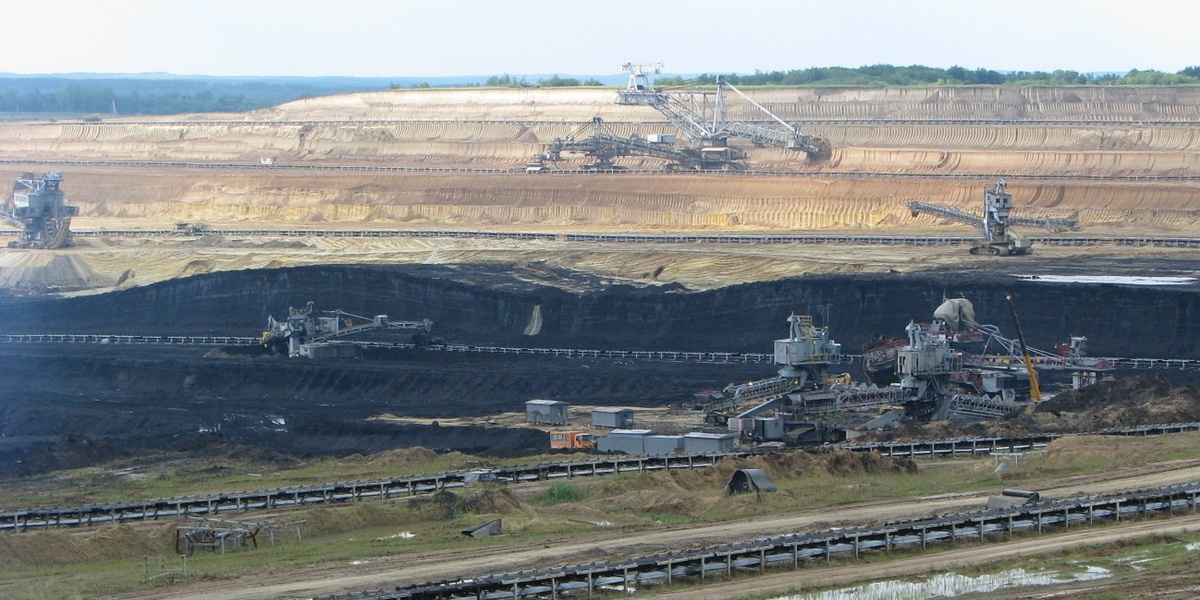
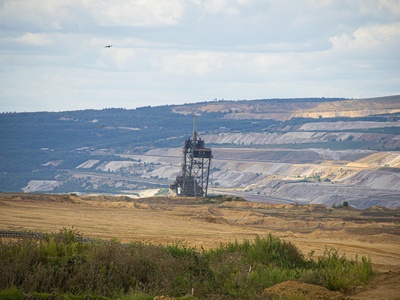
Serbia’s most significant energy resource, this low-grade coal fuels over 70% of the country’s electricity production. The vast open-pit mines in these basins are central to the national energy strategy.
Copper
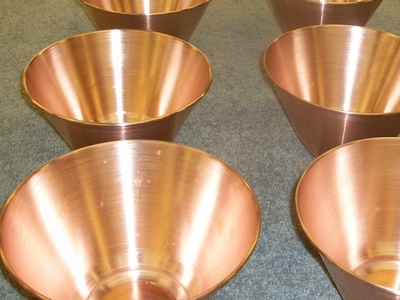
A cornerstone of Serbian mining for over a century, copper is a key industrial metal and a major export. The Bor complex also yields significant amounts of gold and silver as by-products.
Lithium (Jadarite)
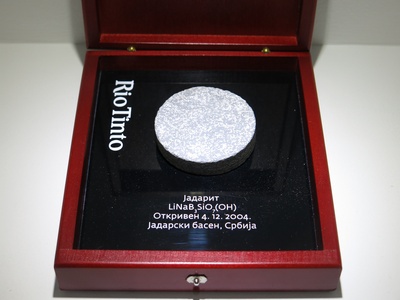
Home to the unique mineral Jadarite, this is one of the world’s largest lithium deposits. Its development is currently on hold but could make Serbia a global leader in lithium and boron production.
Agricultural Land
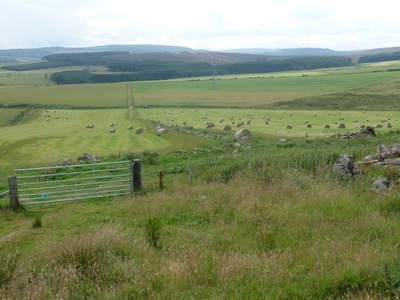
Serbia’s fertile plains, especially the chernozem (black earth) soils of Vojvodina, are a vital national asset. This land supports extensive cultivation of cereals, industrial crops, fruits, and vegetables.
Freshwater
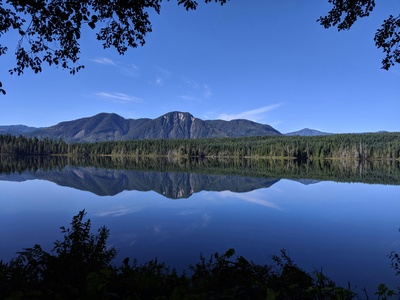
Serbia is rich in river and groundwater resources, crucial for agriculture, industry, and drinking water. Major rivers like the Danube and Sava are also key transportation and ecological corridors.
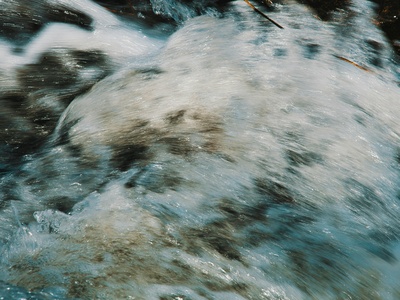
Hydro Potential
Hydropower is Serbia’s most important renewable energy source, anchored by the massive Iron Gate I and II dams on the Danube. Significant untapped potential remains, particularly on the Drina and smaller rivers.
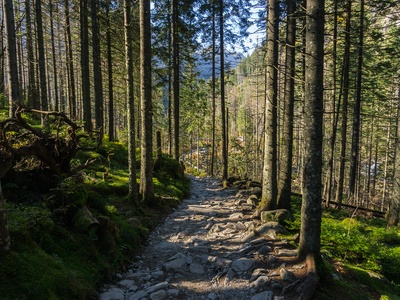
Forests
Covering nearly a third of the country, Serbian forests are a key renewable resource for timber, paper, and biomass energy. Beech and oak are the most common species, supporting a robust furniture industry.
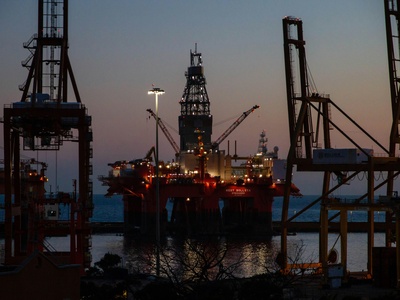
Oil
Serbia has modest crude oil reserves, primarily located in the northern province of Vojvodina. Domestic production covers about a quarter of the country’s needs, reducing reliance on imports.
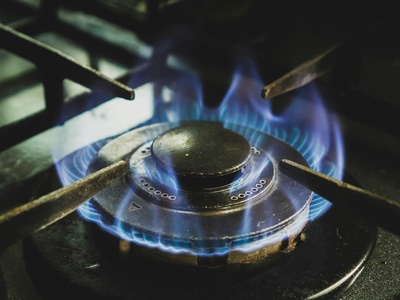
Natural Gas
Found alongside oil deposits in Vojvodina, Serbia’s natural gas reserves are limited. Domestic production satisfies a small portion of national demand, with the majority being imported.
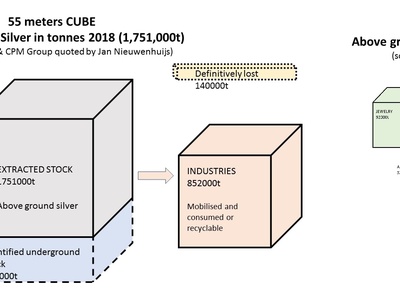
Gold
Primarily extracted as a by-product of copper mining in Eastern Serbia, gold is a highly valuable resource. New explorations are underway, suggesting potential for further discoveries.
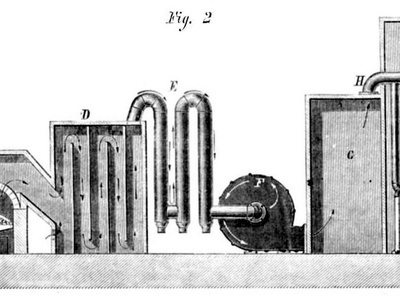
Lead-Zinc
With a long history of lead and zinc mining, Serbia holds significant reserves. These metals are essential for manufacturing batteries, alloys, and galvanized steel, contributing to the nation’s exports.
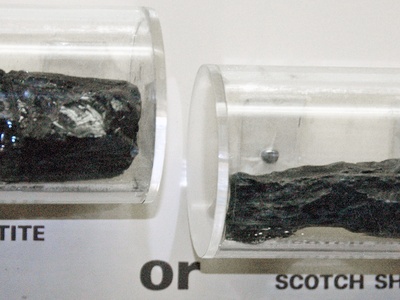
Oil Shale
Serbia possesses vast deposits of oil shale, a rock that can produce oil when heated. It remains an untapped resource due to the high economic and environmental costs of extraction.
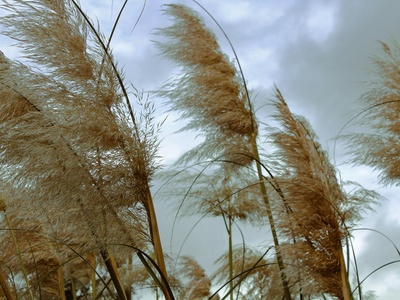
Wind Potential
With strong, consistent winds in areas like the Košava zone, Serbia has excellent wind energy potential. This sector is rapidly growing, with numerous wind farms being built to diversify energy production.
Solar Potential
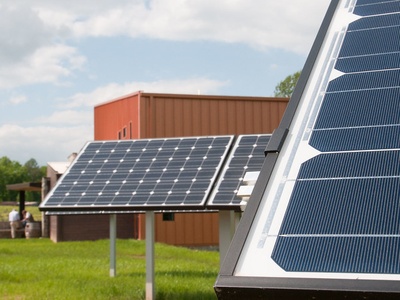
Serbia enjoys favorable conditions for solar energy, with high levels of sunshine, especially in the south. The potential for both large-scale solar parks and rooftop panels is significant and increasingly being explored.
Biomass Potential
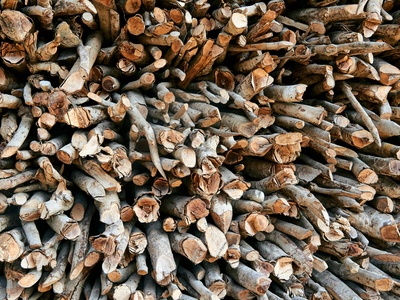
Derived from agricultural waste, forestry residues, and energy crops, biomass is a major renewable resource. It offers a sustainable source for heating and electricity, particularly in rural areas.
Mineral Water
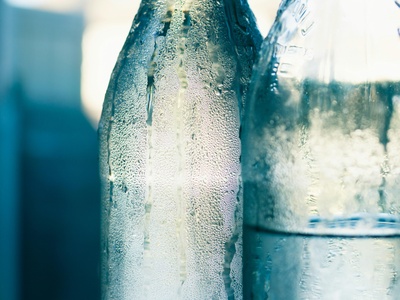
Serbia is famous for its abundance of natural mineral and thermal springs. This resource supports a thriving bottled water industry and a network of spa and wellness resorts with a long tradition.
Limestone
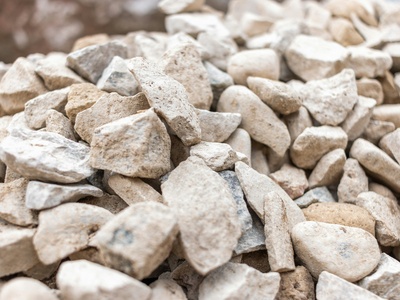
Limestone is an exceptionally abundant resource found throughout Serbia. It is the fundamental raw material for the country’s cement industry and is widely used as a construction aggregate.
Boron
Found alongside lithium in the Jadarite mineral, the Jadar Valley holds one of the planet’s largest borate deposits. Boron is critical for manufacturing glass, ceramics, fertilizers, and high-tech materials.
Silver
Primarily recovered as a by-product from lead-zinc and copper ores, silver is a valuable precious metal. Its production is directly linked to the output of the country’s main polymetallic mines.
Magnesite
Serbia holds some of Europe’s most significant magnesite deposits. This mineral is primarily used to produce heat-resistant (refractory) materials for lining furnaces in the steel and cement industries.
Gypsum
Essential for the construction industry, gypsum is mined to produce plaster, plasterboard (drywall), and cement additives. The deposits in central Serbia are of high quality and supply regional markets.
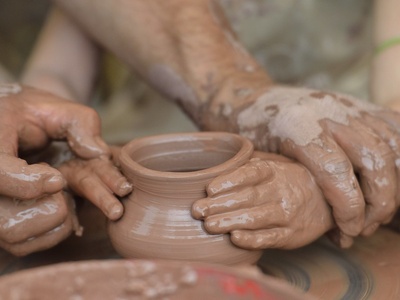
Clay
High-quality clay for bricks, tiles, and ceramics is widely available across Serbia. This resource has supported a robust domestic construction materials industry for centuries.
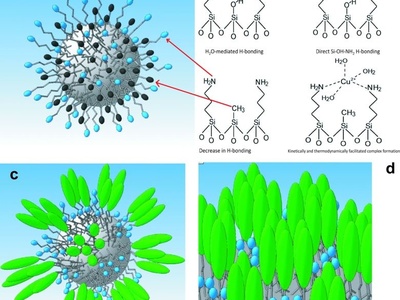
Quartz Sand
High-purity quartz sand is crucial for glassmaking, foundries, and industrial applications. The deposits near Zaječar are particularly important for supplying the Serbian glass industry.
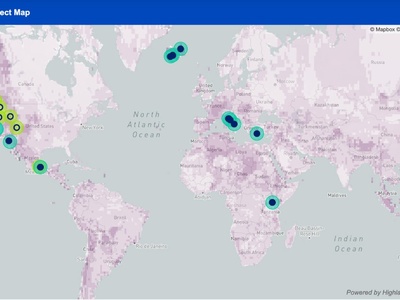
Geothermal Potential
Serbia has considerable geothermal energy potential, primarily used for spa heating and balneology. There is significant untapped capacity for district heating systems and, potentially, electricity generation.

Dolomite
This carbonate rock is abundant in Western Serbia and is used in construction as an aggregate, in agriculture to treat acidic soils, and in the production of glass and ceramics.
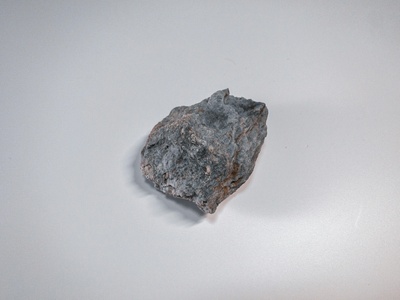
Molybdenum
Recovered as a by-product of copper processing, molybdenum is a strategic metal used to create strong, corrosion-resistant steel alloys. The Majdanpek mine is a notable European source.
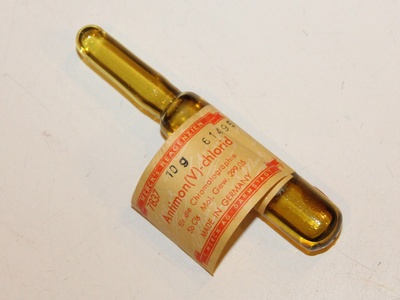
Antimony
Once a major European producer, Serbia still has notable antimony reserves. This strategic metal is used as a flame retardant and for hardening lead alloys in batteries.
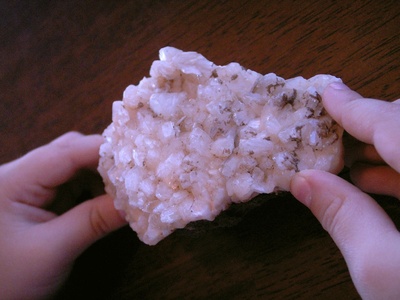
Zeolite
Serbia has large deposits of zeolite, a porous mineral with a wide range of uses. It acts as a natural filter in water purification, an additive in animal feed, and a soil conditioner in agriculture.
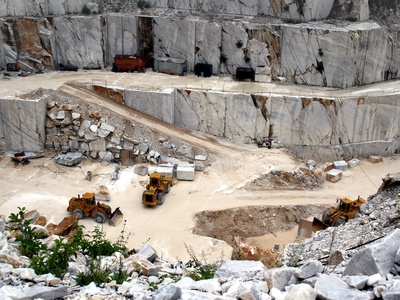
Marble
Serbia has several quarries producing high-quality marble and other decorative stones. Venčac marble is particularly famous and has been used for sculptures and prestigious buildings.