Colombia’s varied landscapes — from Andes highlands to Amazon basin and Caribbean coast — support a wide array of extractive and renewable materials that shape local economies and communities. Understanding what the country produces helps when evaluating regional development, environmental impacts, or investment opportunities.
There are 48 Natural Resources of Colombia, ranging from Aggregates (sand,gravel) to Timber (commercial). For each resource, you’ll find below a concise entry organized by Category,Main locations,Production/Reserves (unit) so you can quickly compare where things are produced and the scale involved — you’ll find below.
How current and reliable are the production and reserves figures?
Data timeliness varies by resource and source; national agencies, industry reports, and international bodies update at different intervals, and exploration or policy changes can shift numbers quickly. Treat the list as a structured starting point and verify critical figures with the latest reports from Colombia’s Ministry of Mines and Energy, ANM, DANE, or vetted industry publications before making decisions.
What’s the best way to use this list for research or planning?
Use the Category,Main locations,Production/Reserves (unit) layout to filter resources by region, scale, or sector for comparative analysis, environmental assessment, or investment screening; for detailed planning, supplement the list with local impact studies, legal frameworks, and up-to-date market data.
Natural Resources of Colombia
| Name | Category | Main locations | Production/Reserves (unit) |
|---|---|---|---|
| Crude oil | Energy | Meta,Huila,Putumayo,Magdalena,Atlántico | barrels/year: 260,000,000 |
| Natural gas | Energy | La Guajira,Magdalena,Meta,Putumayo | m3/year: 8,000,000,000 |
| Coal | Energy | La Guajira,Magdalena,Cesar | tonnes/year: 80,000,000 |
| Hydropower | Energy | Antioquia,Valle del Cauca,Cundinamarca | MW (installed): 11,000 MW |
| Gold | Mineral | Antioquia,Chocó,Bolívar,Meta | tonnes/year: 30 tonnes |
| Nickel | Mineral | Córdoba (Cerro Matoso) | tonnes/year: 40,000 tonnes |
| Emeralds | Mineral | Boyacá,Antioquia | carats/year: 500,000 carats |
| Copper | Mineral | Antioquia,Cesar,Chocó | tonnes/year: 70,000 tonnes |
| Silver | Mineral | Antioquia,Boyacá | tonnes/year: 300 tonnes |
| Salt | Mineral | Atlántico,Magdalena,La Guajira | tonnes/year: 3,000,000 |
| Limestone | Mineral | Antioquia,Cundinamarca,Boyacá | tonnes/year: 20,000,000 |
| Gypsum | Mineral | Cesar,La Guajira | tonnes/year: 1,000,000 |
| Platinum-group metals | Mineral | Chocó,Antioquia | kg/year: 200 kg |
| Tantalum (coltan) | Mineral | Chocó,Nariño | tonnes/year: 50 tonnes |
| Iron ore | Mineral | Cesar,Magdalena | tonnes/year: 2,000,000 |
| Aggregates (sand,gravel) | Mineral | Nationwide river/coastal basins | tonnes/year: 50,000,000 |
| Coffee | Agriculture | Huila,Antioquia,Caldas,Nariño | 60-kg bags/year: 11,000,000 bags |
| Bananas | Agriculture | Magdalena,Atlántico,Urabá (Antioquia) | tonnes/year: 2,200,000 |
| Cut flowers | Agriculture | Antioquia,Cundinamarca | stems/year: 1,000,000,000 stems |
| Oil palm (palm oil) | Agriculture | Meta,Orinoquía,Chocó | tonnes/year: 1,800,000 |
| Cocoa | Agriculture | Santander,Nariño,Bolívar | tonnes/year: 60,000 |
| Sugarcane | Agriculture | Valle del Cauca,Magdalena | tonnes/year: 50,000,000 |
| Rice | Agriculture | Cesar,Magdalena,Meta | tonnes/year: 1,600,000 |
| Maize (corn) | Agriculture | Cundinamarca,Antioquia,Meta | tonnes/year: 9,000,000 |
| Plantain | Agriculture | Antioquia,Chocó,Magdalena | tonnes/year: 2,500,000 |
| Beef (cattle) | Agriculture | Meta,Antioquia,Orinoquía | tonnes/year: 700,000 |
| Shrimp aquaculture | Agriculture | Pacific Coast (Chocó,Nariño) | tonnes/year: 200,000 |
| Marine fisheries | Water | Caribbean Sea,Pacific Coast | tonnes/year: 300,000 |
| Timber (commercial) | Forestry | Amazon,Orinoquía,Andes,Chocó | m3/year: 2,000,000 |
| Amazon rainforest | Biodiversity | Amazonas,Putumayo,Guaviare | ha: 40,000,000 hectares |
| Chocó-Darién rainforest | Biodiversity | Chocó,Valle del Cauca,Antioquia | ha: 10,000,000 hectares |
| Andean forests and páramos | Biodiversity | Cundinamarca,Antioquia,Boyacá | ha: 5,000,000 hectares |
| Freshwater resources (rivers) | Water | Amazon,Orinoco,Magdalena basins | m3/year: 3,000,000,000,000 m3 |
| Bird diversity | Biodiversity | Nationwide (Andes,Amazon,Chocó) | species: 1,960 species |
| Orchid diversity | Biodiversity | Nationwide | species: 4,270 species |
| Amphibian diversity | Biodiversity | Amazon,Andes,Chocó | species: 800 species |
| Freshwater fish diversity | Biodiversity | Amazon,Orinoco,Magdalena basins | species: 1,580 species |
| Mangroves and coastal wetlands | Water/Biodiversity | Pacific coast,Magdalena delta | ha: 1,500,000 hectares |
| Natural rubber (latex) | Agriculture | Amazon,Orinoquía | tonnes/year: 15,000 |
| Medicinal and aromatic plants | Biodiversity | Amazon,Andes,Chocó | tonnes/year: 5,000 |
| Cichlids and ornamental fish | Biodiversity | Amazon,Orinoco basins | tonnes/year: 2,000 |
| Mangrove timber and non-timber products | Forestry | Pacific coast,Magdalena delta | m3/year: 20,000 |
| High-value hardwoods (mahogany,etc.) | Forestry | Amazon,Orinoquía | m3/year: 50,000 |
| Bivalves and shellfish | Water | Caribbean bays,Pacific estuaries | tonnes/year: 20,000 |
| Quartz and industrial minerals | Mineral | Nationwide | tonnes/year: 2,000,000 |
| Gold (artisanal/alluvial) | Mineral | Chocó,Antioquia,Guainía | tonnes/year: 8 tonnes |
| River sand (construction) | Mineral | Magdalena basin,Pacific rivers | tonnes/year: 5,000,000 |
| Mango and tropical fruits | Agriculture | Valle del Cauca,Magdalena,Atlántico | tonnes/year: 900,000 |
Images and Descriptions
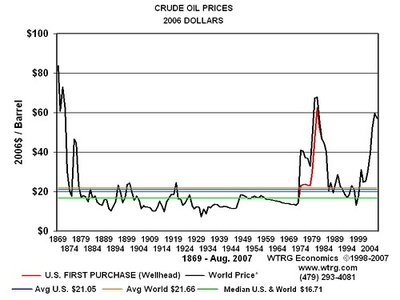
Crude oil
Colombia’s crude oil fuels domestic industry and is a major export revenue source; oil fields underpin local economies but drive deforestation, spills, pipeline risks and social conflicts in producing regions, especially near Indigenous and rural communities.
Natural gas
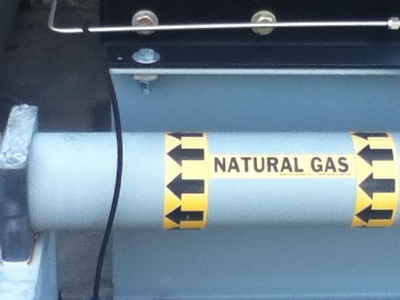
Natural gas supplies power plants, industry and households, improving energy security and reducing oil dependence; extraction raises concerns about methane emissions, infrastructure impacts and community consent in producing regions.
Coal
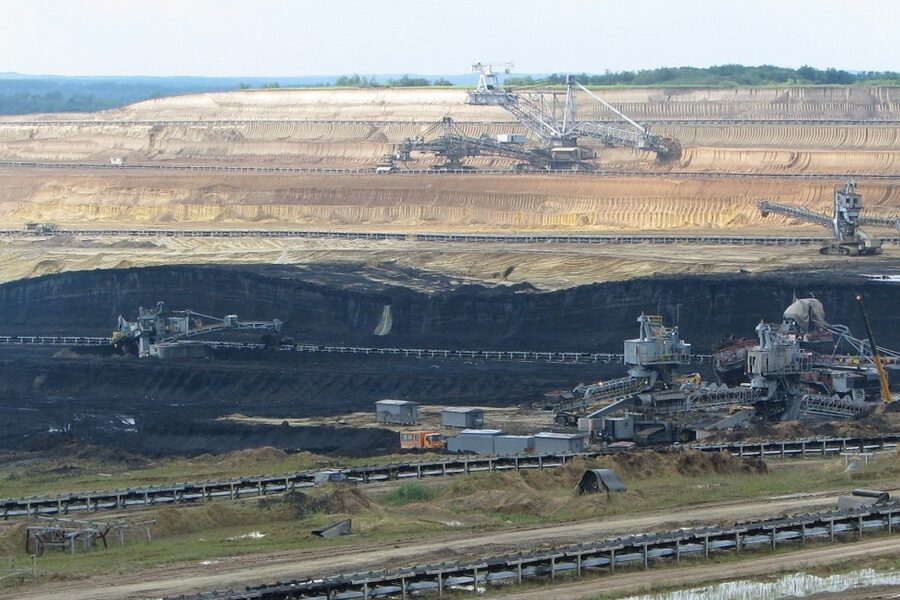
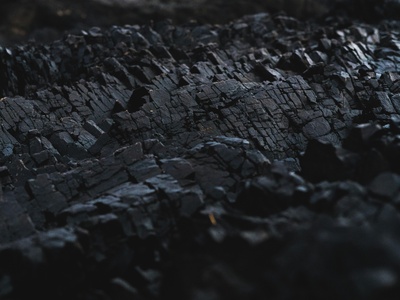
Thermal coal is one of Colombia’s largest export earners and employer in mining regions; large open‑pit mines generate jobs but cause air and water pollution, landscape alteration, and social tensions over land and royalties.
Hydropower
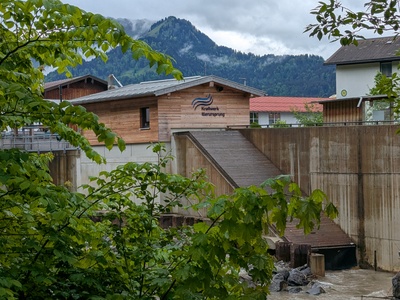
Abundant rivers power much of Colombia’s electricity through large dams and run-of-river plants; hydropower provides low‑carbon energy but dams alter ecosystems, fish migrations, sediment flows and sometimes displace communities.
Gold
Gold mining—from large mines to artisanal operations—contributes significant export value and local jobs; however, mercury contamination, illegal mining, deforestation and violence have serious environmental and social consequences.

Nickel
Cerro Matoso is a leading nickel producer supplying stainless steel and battery sectors; nickel mining generates fiscal income but long-term operations affect air quality, soil and local community health.

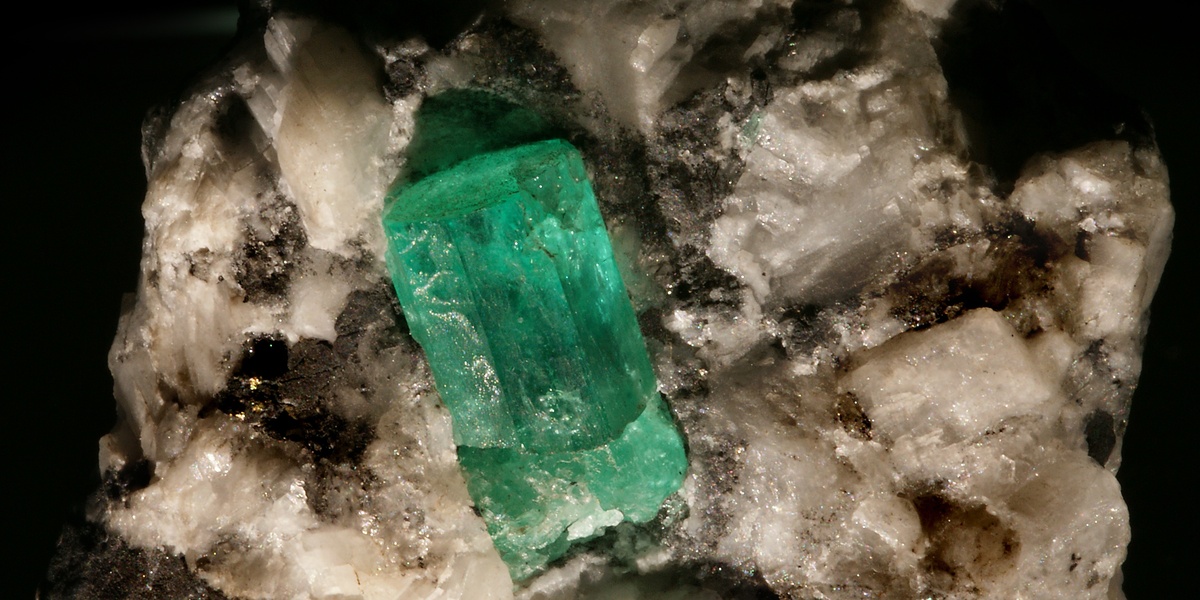
Emeralds
Colombian emeralds are world-renowned for quality and cultural value, supporting artisanal and industrial mining; emerald extraction brings local wealth but has a history of illegal trade, conflict and land disputes.
Copper
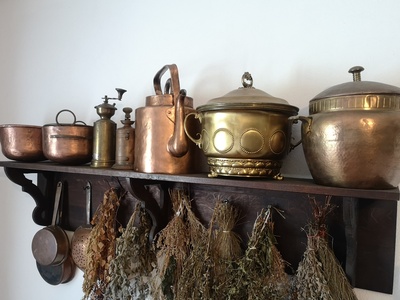
Copper is increasingly important for electrification and renewable technologies; exploration and planned projects could boost exports but mining can threaten watersheds, forests and Indigenous land rights.

Silver
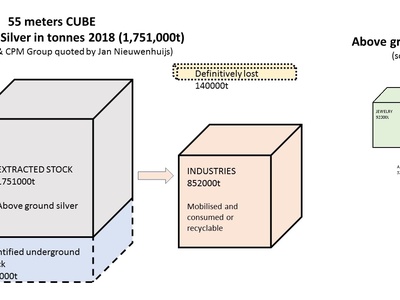
Silver is commonly produced alongside gold and copper and supports jewelry and industrial uses; mining operations require careful environmental management to prevent contamination and community impacts.

Salt
Salt from coastal evaporative pans and inland deposits supplies domestic consumption and industry; production influences coastal wetlands and saltwater intrusion if not managed sustainably.
Limestone
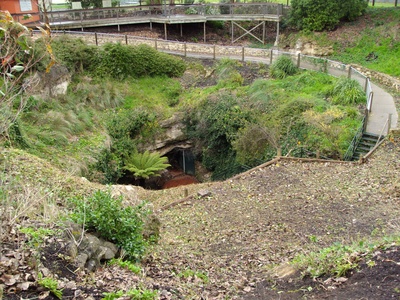
Limestone is key for cement and construction materials that support infrastructure growth; quarrying provides materials and jobs but alters landscapes, increases dust and can affect groundwater recharge.

Gypsum
Gypsum supports the construction sector (plaster, drywall) and is quarried regionally; localized mining operations can disrupt habitats and require reclamation to limit long-term impacts.

Platinum-group metals
Small quantities of platinum-group metals occur in alluvial and hard-rock deposits; these scarce metals have industrial uses, and extraction is typically small scale but can be environmentally disruptive in sensitive areas.
Tantalum (coltan)
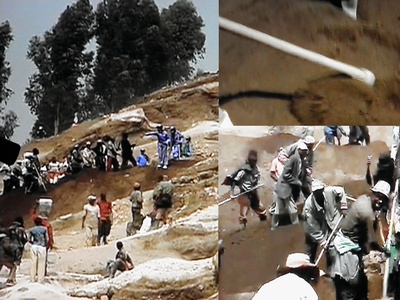
Tantalum ores used in electronics occur in Colombia mainly in artisanal operations; limited production supports tech supply chains but raises governance, contamination and social conflict concerns.
Iron ore
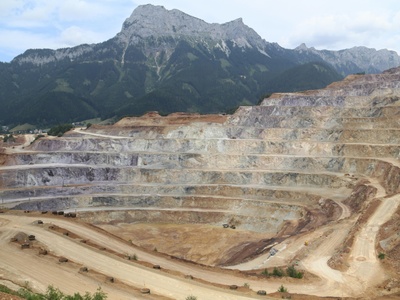
Iron ore feeds domestic steel production and some exports, supporting construction and manufacturing; mining projects can reshape landscapes and demand responsible environmental and social management.
Aggregates (sand,gravel)
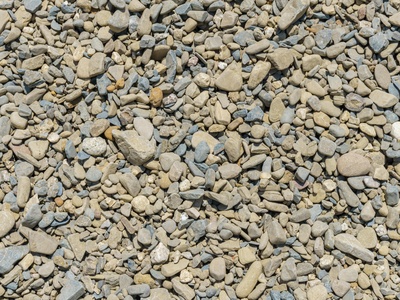
Construction aggregates are essential for urban growth and infrastructure; unregulated extraction from rivers and coasts degrades habitats, increases erosion and threatens water resources.
Coffee
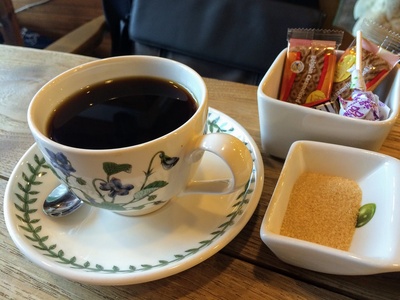
Colombian coffee is globally acclaimed and central to rural livelihoods; smallholder production supports communities but faces price volatility, pests, climate change and pressures to convert forests for agriculture.

Bananas
Bananas are a major export crop with export-oriented plantations creating jobs; intensive cultivation uses agrochemicals and water, and plantation expansion can impact biodiversity and local water quality.

Cut flowers
Colombia is a leading flower exporter (roses, carnations); floriculture delivers foreign exchange and employment but relies on high water use, agrochemicals and labor management challenges.
Oil palm (palm oil)
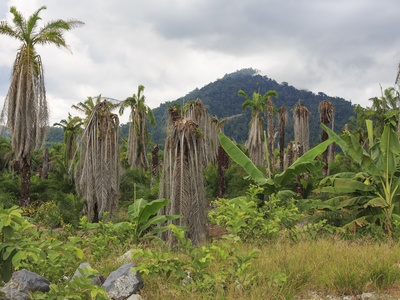
Oil palm supplies edible oils and biodiesel feedstocks; rapid expansion has driven deforestation, peat drainage and land conflicts, prompting sustainability certification efforts.
Cocoa
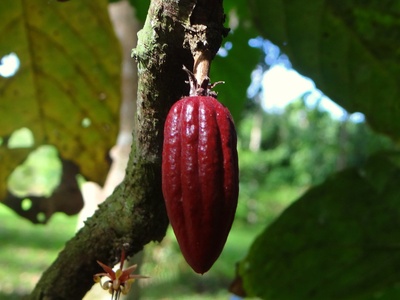
Cocoa production—both traditional and fine-flavor—is growing as an export and livelihoods crop; smallholders benefit but must manage pests, soil health and avoid forest clearance for new plantations.
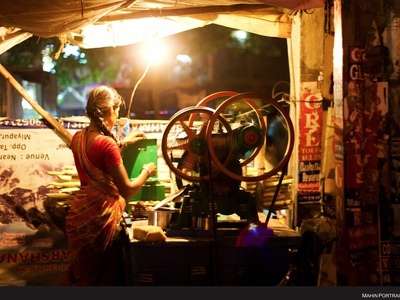
Sugarcane
Sugarcane feeds sugar, ethanol and animal feed markets and supports rural employment; large mills demand water and can modify wetlands, requiring wastewater treatment and sustainable practices.
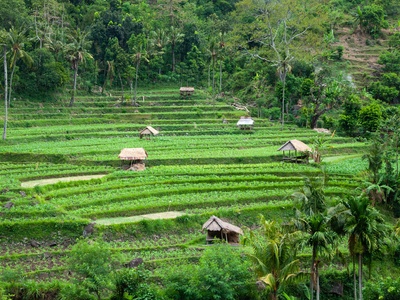
Rice
Rice is a national staple produced in paddy systems that shape lowland wetlands; irrigation and agrochemical use are significant, and producers face productivity and climate variability challenges.
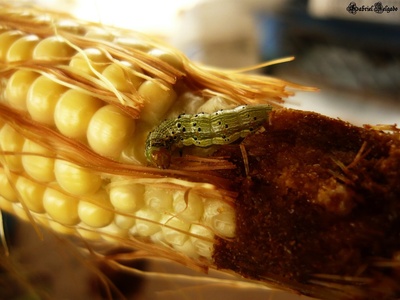
Maize (corn)
Maize supports food, feed and industrial uses across Colombia; widespread cultivation underpins rural economies but can expand into natural habitats and relies on fertilizer and hybrid seed inputs.
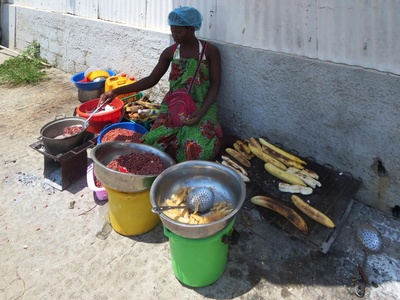
Plantain
Plantain is a dietary staple in tropical regions and an important local crop for smallholders; production supports food security but is vulnerable to diseases and pressure from land-use change.
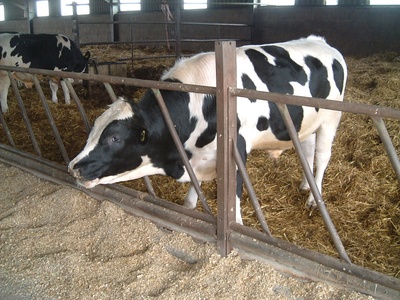
Beef (cattle)
Cattle ranching supplies domestic meat and hides and underpins rural livelihoods; extensive grazing is a major deforestation driver and a significant source of greenhouse gas emissions.
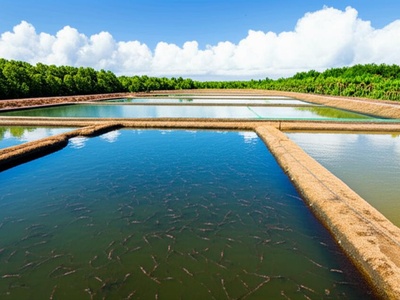
Shrimp aquaculture
Shrimp farming provides export income and local jobs but has historically driven mangrove conversion, water pollution and community concerns; sustainable practices are increasingly promoted.
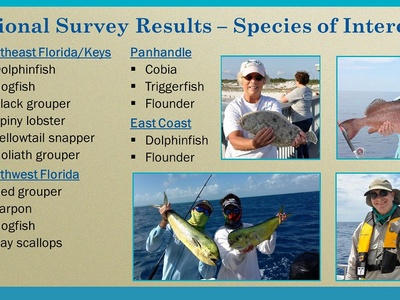
Marine fisheries
Coastal fisheries supply local diets and livelihoods, targeting fish, shrimp and shellfish; overfishing, habitat loss and illegal fishing threaten long-term productivity and coastal economies.
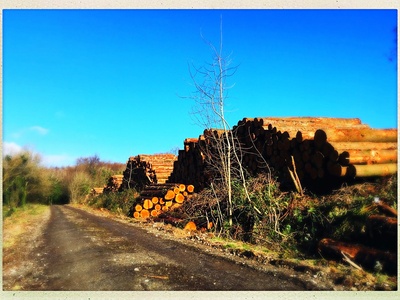
Timber (commercial)
Commercial timber supplies construction and furniture markets from diverse forest types; legal and illegal logging pressures primary forests and Indigenous territories, prompting certification and management initiatives.
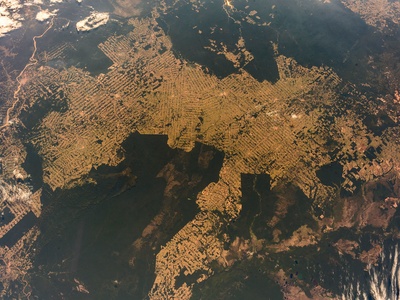
Amazon rainforest
Colombia’s Amazon is a massive carbon sink and biodiversity hotspot, home to Indigenous peoples and ecosystem services; it faces deforestation from agriculture, mining, illegal logging and road expansion.
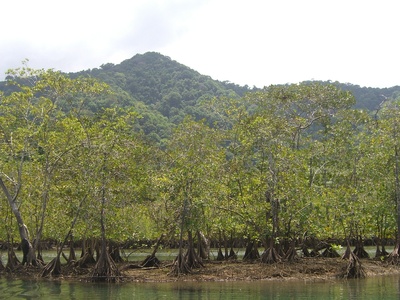
Chocó-Darién rainforest
The Chocó region is among the world’s wettest and most biodiverse rainforests, rich in endemic species; it is highly threatened by mining, logging and unsustainable agriculture.
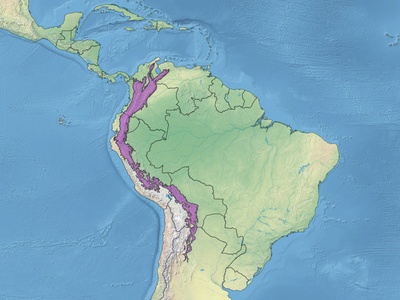
Andean forests and páramos
Highland Andean forests and páramos store water for cities and farms and harbor unique biodiversity; they are fragile ecosystems sensitive to warming, agriculture expansion and mining.
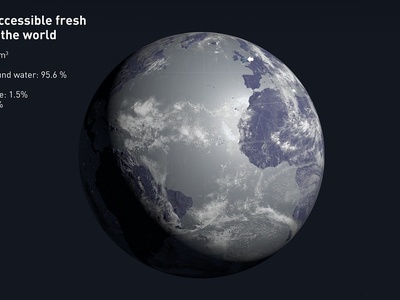
Freshwater resources (rivers)
Colombia’s extensive river networks supply drinking water, irrigation and hydropower; pollution, damming and deforestation alter flows and harm aquatic ecosystems and riverine communities.
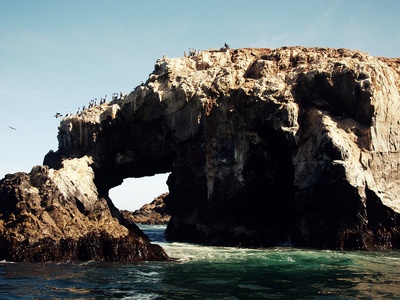
Bird diversity
Colombia is the most bird‑rich country globally, attracting birdwatchers and supporting ecotourism; habitat loss, fragmentation and illegal trade threaten many endemic and migratory species.
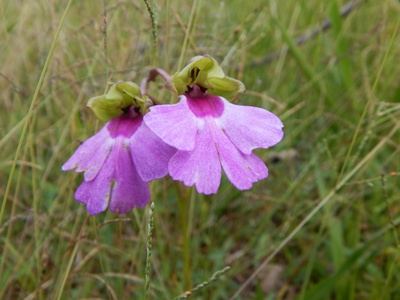
Orchid diversity
Colombia leads in orchid diversity, prized by horticulture and culture; many species are endemic and depend on intact forests, making them vulnerable to deforestation and illegal collection.
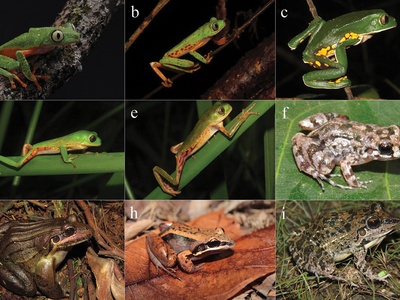
Amphibian diversity
High amphibian richness reflects tropical ecosystem health and supports ecological functions; many species have restricted ranges and face threats from habitat loss, pollution and disease.
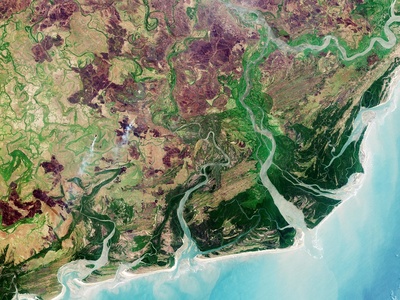
Freshwater fish diversity
Colombia’s rivers host exceptionally diverse fish assemblages important for food security and culture; dams, pollution and overfishing jeopardize migrations, spawning grounds and livelihoods.
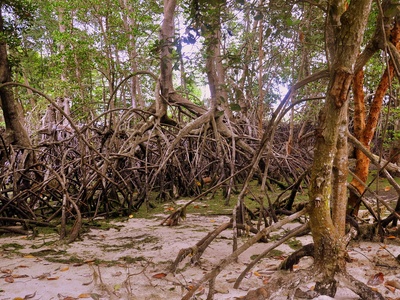
Mangroves and coastal wetlands
Mangroves protect coasts, support fisheries and store carbon; they are threatened by shrimp farms, development and pollution, with strong local importance for coastal communities.
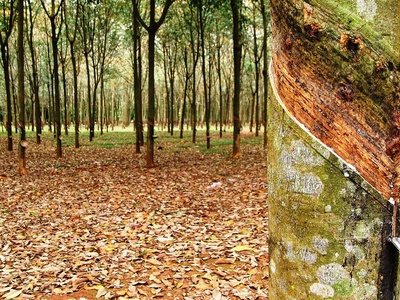
Natural rubber (latex)
Natural rubber is produced at modest scale, often within agroforestry systems; it offers income opportunities while encouraging forest-friendly land uses compared with monocultures.
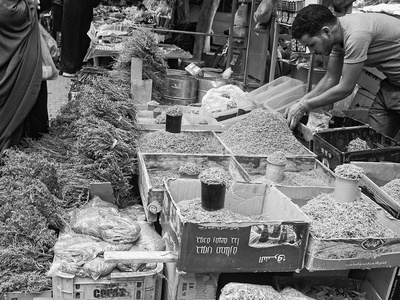
Medicinal and aromatic plants
Colombia’s rich flora provides plants used in traditional medicine, perfumes and pharmaceuticals; sustainable harvest and benefit-sharing with local communities are key conservation concerns.
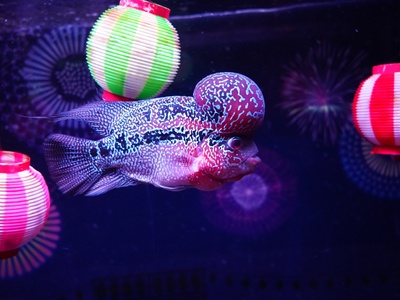
Cichlids and ornamental fish
Ornamental freshwater fish species are collected for domestic and international trade, supporting local livelihoods but risking overharvest and habitat impacts without management.
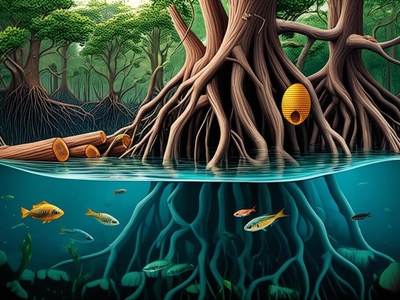
Mangrove timber and non-timber products
Mangroves supply wood, honey and fish nursery habitats vital for coastal economies; overexploitation and conversion to ponds reduce ecosystem services and community resilience.

High-value hardwoods (mahogany,etc.)
Mahogany and other precious hardwoods are sought for furniture and export; illegal logging and overharvesting threaten populations and highlight the need for sustainable management and enforcement.
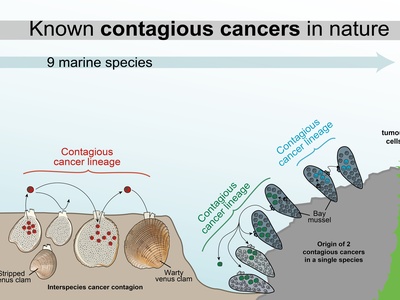
Bivalves and shellfish
Shellfish harvest supports artisanal fishers and local diets along both coasts; habitat loss, pollution and overharvest can reduce stocks and community incomes.
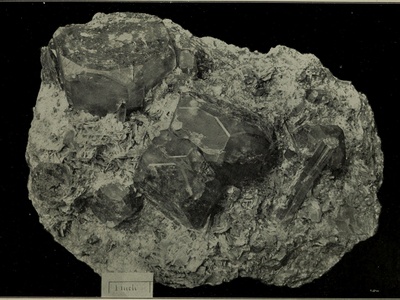
Quartz and industrial minerals
Quartz and other industrial minerals feed ceramics, glass and electronics sectors; mining is widespread and requires local land-use planning to avoid environmental harm.
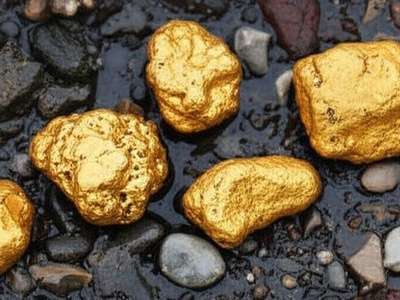
Gold (artisanal/alluvial)
Artisanal gold mining supports livelihoods in remote areas but often uses mercury, causing toxic contamination of rivers and public health problems while driving informal economies.
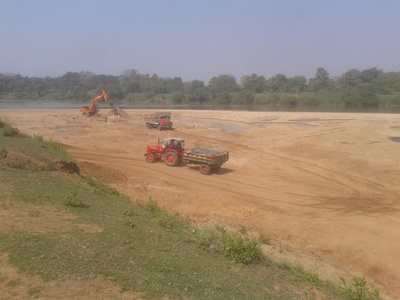
River sand (construction)
River sand is heavily used for construction and dredging; unregulated extraction destabilizes riverbanks, harms aquatic habitats and increases flood risk in urban and rural areas.
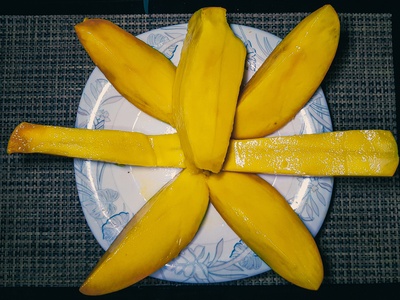
Mango and tropical fruits
Mangoes and other tropical fruits are important for domestic markets and exports, supporting smallholders but requiring cold chains and sustainable water management for growth.