In the 1890s Santiago Ramón y Cajal drew neurons with such clarity that the nervous system stopped looking like a tangle and started looking like a map. Those ink-and-paper sketches helped launch modern neuroscience.
More than a century later the map is being used for practical tools. From clinic scans to brain-sensing headbands, findings once confined to labs now show up in daily life.
Neuroscience isn’t just academic — it produces tangible solutions that change how we diagnose illness, design products, learn, and work. Below are eight concrete ways those advances touch ordinary routines and services, with examples you can try or ask about.
Healthcare and Wellbeing
Clinical neuroscience tools now shorten diagnostic timelines and expand treatment options. Advanced imaging, stimulation devices, and biomarker tests move decisions from guesswork to data-driven care.
1. Improved diagnosis through brain imaging
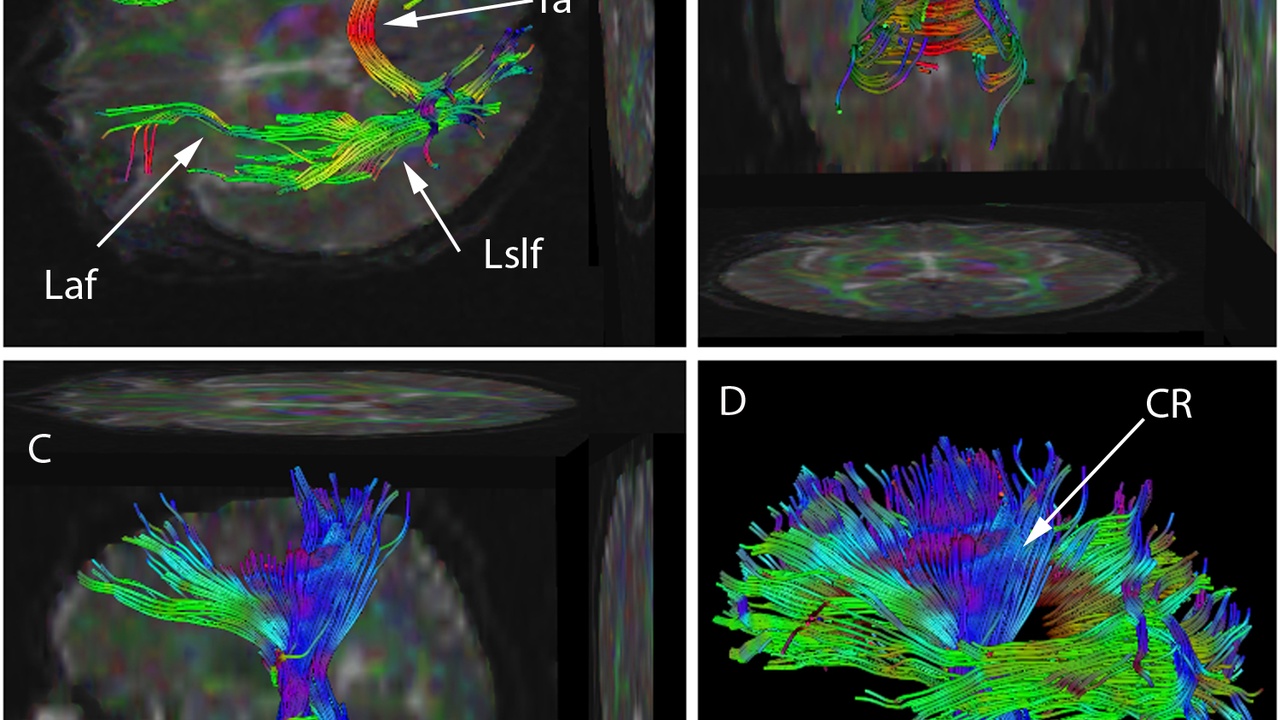
Modern brain imaging detects conditions earlier and more precisely than before. Functional MRI moved from research into broader clinical use starting in the early 1990s, while PET biomarkers for Alzheimer’s became widely available in the 2010s.
Amyloid PET tracers such as Florbetapir (Amyvid) can reveal amyloid buildup years before clinical symptoms appear. In stroke care, round-the-clock CT and MRI protocols help teams decide on thrombectomy or thrombolysis faster, cutting door‑to‑treatment times and improving outcomes.
Equipment like the Siemens Magnetom MRI is now standard in many hospitals, and emergency imaging pathways that operate 24/7 have become essential to reduce disability after acute events.
2. Neurostimulation for mental health
Noninvasive and invasive brain stimulation provide real therapeutic benefit for depression, obsessive‑compulsive disorder, and movement disorders. Repetitive transcranial magnetic stimulation (rTMS) received FDA clearance for treatment‑resistant depression in 2008.
Deep brain stimulation (DBS) has been an established option for Parkinson’s and essential tremor since approvals in the late 1990s and 2000s. Commercial systems include Neuronetics’ NeuroStar TMS and Medtronic DBS implants.
Meta-analyses report clinical response rates for rTMS in the range of roughly 40–50%, with remission rates lower but meaningful for many patients. For people who have not benefited from medication alone, stimulation can restore daily functioning and reduce caregiver burden.
3. Personalized medicine and pharmacogenomics
Genetics and biomarkers now guide smarter prescribing, cutting down on trial-and-error. Tests that cover CYP2D6 and CYP2C19 variants inform dosing for many antidepressants and antipsychotics.
Companies such as GeneSight offer psychiatric pharmacogenomic panels clinicians use to select or adjust medications. Studies indicate pharmacogenomic-guided care can reduce medication switches and adverse effects — in some trials by around 25–35% compared with usual care.
The everyday result is fewer side effects, quicker symptom relief for patients, and less time lost from work while medications are adjusted.
Technology, Products, and Design
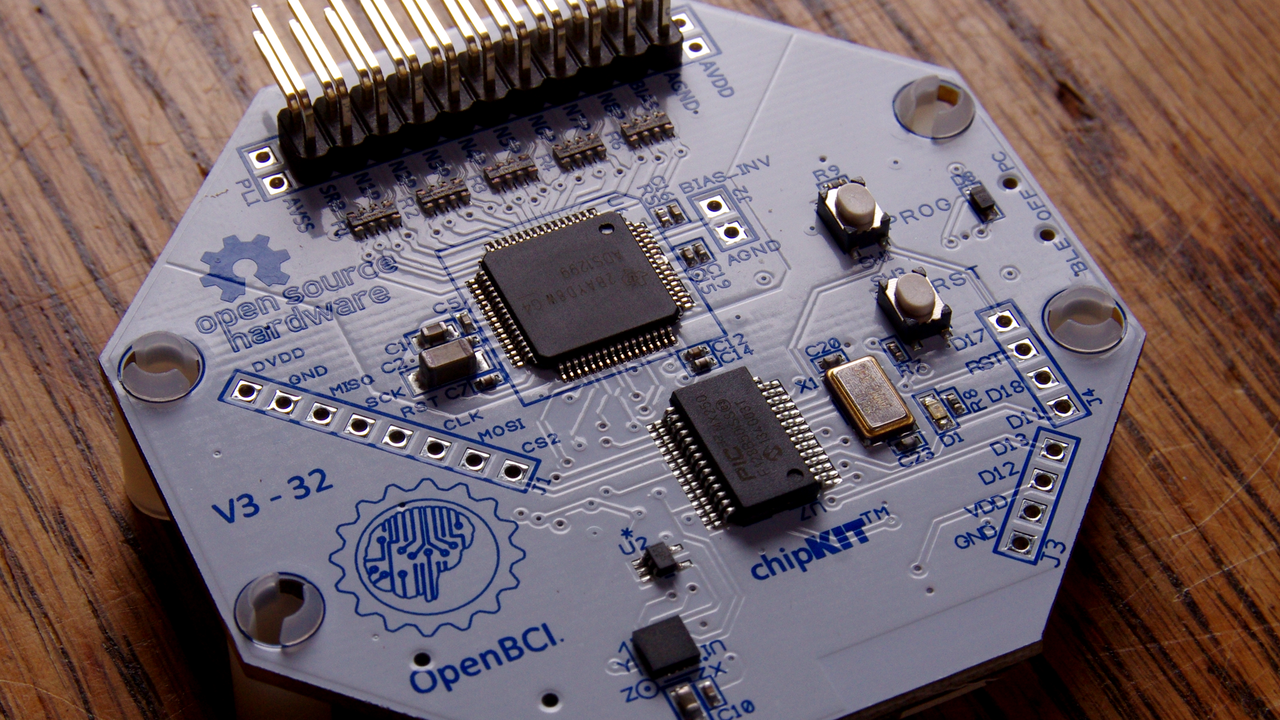
Neuroscience principles shape how products are built and tested. From brain–computer interfaces to neuromarketing and wearables, companies apply neural measurements to improve usability and deliver new capabilities.
4. Brain-computer interfaces (BCIs) in everyday devices
BCIs expand accessibility and create new control methods. High‑profile invasive demos by Neuralink in the 2020s highlighted future possibilities, while noninvasive EEG headsets already serve consumers and researchers.
Tools from OpenBCI and Emotiv offer 2–8 EEG channels in consumer devices, enough for neurofeedback, simple control signals, or research-grade prototyping. Real-world uses include assistive typing for people with paralysis, neurofeedback games for attention training, and experimental phone controls in small trials.
Regulatory, technical, and ethical hurdles remain, but BCIs are increasingly practical for niche accessibility applications today.
5. UX and product design informed by neuroscience
Objective measures such as eye-tracking, EEG-derived engagement scores, and galvanic skin response augment surveys and A/B tests. Nielsen’s acquisition of NeuroFocus signaled mainstream interest in these tools.
Controlled studies using these measures have shown measurable lifts in ad recall and attention compared with self-report alone. Designers use those insights to trim friction, reorder page elements, and reduce cognitive load in apps and sites.
The practical impact is noticeable: interfaces that guide attention better tend to reduce task time and user errors, improving everyday usability.
6. Consumer health wearables using neuroscience data
Wearables now translate brain-related signals into actionable guidance for sleep, stress, and meditation. Devices such as the Muse meditation headband and the Dreem sleep headband deliver neurofeedback at home.
Prices for consumer EEG headbands typically fall in the $150–$400 range, and several small randomized trials report reductions in perceived stress or improvements in sleep metrics after short programs. Sample sizes in those studies often range from a few dozen to a few hundred participants.
Privacy and data interpretation remain important: brain signals are noisy, and raw data should be handled with care. Still, these products give everyday users a way to practice and monitor mental habits outside the clinic.
Learning, Work, and Everyday Behavior

Neuroscience and cognitive psychology inform how we learn, work, and form habits. Simple, research-backed techniques can produce outsized improvements in retention, safety, and routine change.
7. Enhancing learning and memory strategies
Psychology has long shown that spacing and retrieval practice beat cramming. Ebbinghaus’ forgetting curve (1885) established the principle that memory decays without review, and modern trials confirm the spacing effect.
Tools such as the Anki spaced‑repetition app implement algorithms that schedule reviews when you’re likely to forget. Controlled studies comparing spaced versus massed practice report retention gains commonly in the 30–50% range depending on task and delay.
Practical routine: use short daily sessions, test yourself instead of rereading, and interleave related topics. Small changes like these pay off quickly for students and professionals preparing for certifications or language learning.
8. Improving workplace productivity and safety
Brain-based monitoring and training reduce accidents and boost focus on the job. EEG and eye-tracking systems can flag drowsiness in drivers or operators before performance collapses.
Pilot deployments of drowsiness-detection systems report reductions in lapses or near-misses on the order of about 20% in some trials. Attention-refresh training, scheduled breaks, and ergonomics informed by cognitive load research also improve alertness and error rates.
Employers are increasingly applying neurodiversity insights too: small workspace changes, predictable routines, and noise-mitigation strategies help people with different sensory profiles stay productive.
Summary
- Neuroscience delivers practical tools right now: clinical imaging and neurostimulation improve diagnoses and treatments, while consumer devices bring brain data into daily life.
- Evidence-backed techniques such as spaced repetition, retrieval practice, and simple attention strategies produce measurable learning and safety gains.
- Privacy, data quality, and regulation matter; be cautious with raw brain data and ask clinicians about validated options for treatment-resistant conditions.
- Try one small step this week: use an app like Anki for spaced reviews, test a sleep headband if sleep problems persist, or speak with a clinician about neurostimulation if other treatments have failed.
- The everyday applications of neuroscience are already here—pick one and see what it does for your routine.