California’s natural resources are a weirdly dramatic mix of abundance and shortage. The state has vast farmland, major forests, rich mineral deposits, productive fisheries, huge solar potential, and some of the most valuable water systems in the country — but they’re unevenly spread out, heavily managed, and constantly under pressure from drought, wildfire, population growth, and climate change.
Table of contents
- TL;DR
- What counts as natural resources in California?
- California’s major natural resources
- Regional differences across the state
- Economic importance and current challenges
- Conservation and sustainable use
- Summary
TL;DR
California’s biggest natural resources are water, fertile agricultural land, forests, minerals, fisheries, and renewable energy potential. Water is the most contested resource by far. Agriculture is the biggest land use and one of the biggest economic engines. Forests and woodlands support timber, wildlife habitat, and carbon storage. Minerals such as gold, borates, and sand and gravel still matter, even if the Gold Rush glow has faded. Coastal fisheries and solar power round out the list.
The catch: most of these resources are either limited, heavily managed, or both. California has the resources. It just has to keep them from falling apart under the weight of drought, heat, fire, and demand.
What counts as natural resources in California?
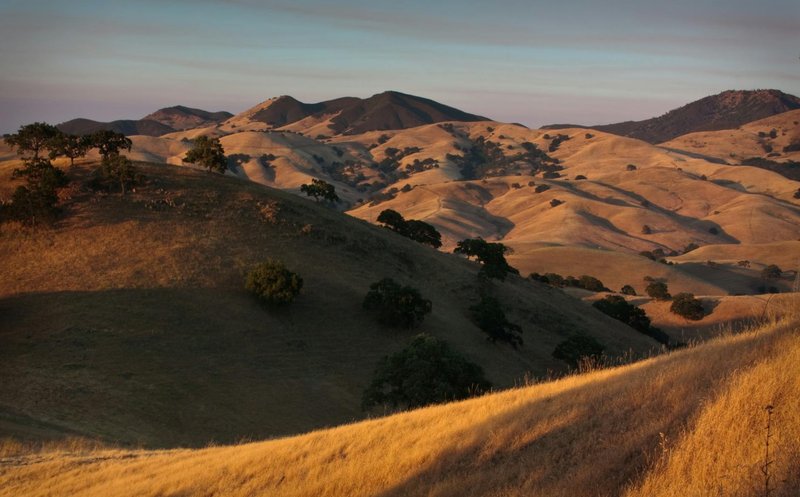
Natural resources are the raw materials and environmental systems people use directly or indirectly: water, soil, timber, minerals, fish, sunlight, wind, and productive land. In California, that list looks especially important because the state is both a giant economy and a place with sharp ecological contrasts.
A resource in the Central Valley can look nothing like a resource in the Sierra Nevada or the North Coast. That’s part of why California’s resource story is not one neat summary. It’s several different ecosystems stitched together by irrigation canals, highways, power lines, and politics. These ecosystems and their biodiversity are central to resource resilience, see 8 Interesting Facts About Ecosystems.
California’s major natural resources
1) Water
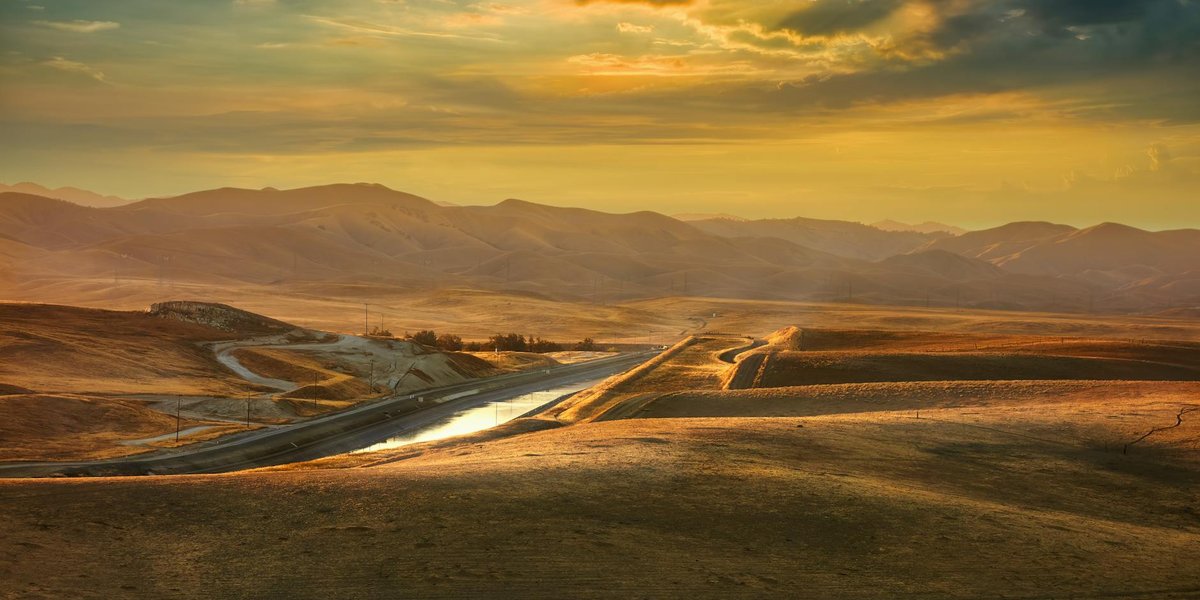
If California had a single resource that controlled the whole state’s fate, this would be it. Water comes mainly from Sierra Nevada snowpack, rivers such as the Sacramento and San Joaquin, groundwater aquifers, and major storage and delivery systems like the State Water Project and the Central Valley Project.
The California Department of Water Resources tracks how much of the state’s water supply depends on snowpack, reservoirs, and groundwater. In wet years, the system looks workable. In dry years, the whole thing turns into a long argument about farms, cities, ecosystems, and who gets to keep pumping.
Water supports:
- drinking water for tens of millions of people
- irrigation for California agriculture
- hydroelectric power
- wetlands and salmon habitat
- recreation and tourism
The problem is simple and brutal: demand is high, supply is variable, and climate change is making the swings sharper.
2) Fertile agricultural land
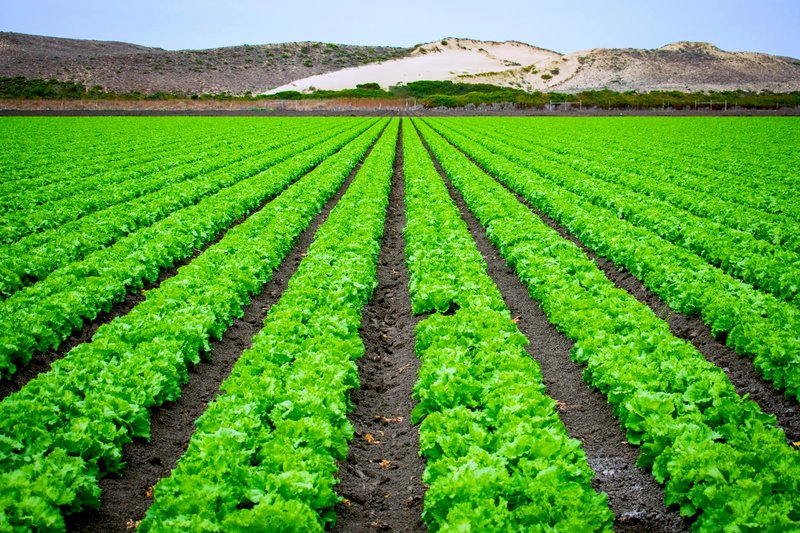
California is one of the world’s major agricultural regions because it combines long growing seasons, diverse climates, and irrigated land. The Central Valley is the heart of that system. Almonds, grapes, citrus, lettuce, tomatoes, strawberries, dairy, and many other crops depend on rich soils and controlled water delivery.
According to the USDA, California consistently leads U.S. states in agricultural cash receipts. That is not just a fun trivia fact. It means land and water are converted into food, fiber, and export value at a scale few places can match.
But farmland is not a limitless resource. Urban expansion, groundwater depletion, soil salinity, and labor and water costs all shape what can be grown and where. Some of the most productive farmland in the state is also among the most vulnerable.
3) Forests and woodlands
California’s forests include redwood forests on the North Coast, mixed conifer forests in the Sierra Nevada, and oak woodlands across the foothills and valleys. These forests provide timber, wildlife habitat, watershed protection, recreation, and carbon storage.
The U.S. Forest Service has long documented how California’s forests are also under intense stress from drought, bark beetles, and wildfire. That matters because forests are not just scenic backdrops. They are working landscapes that influence water quality, erosion, and local economies.
Timber is still a real resource, but it’s no longer the whole story. Today, forest management in California is as much about fire risk and ecological resilience as it is about lumber.
4) Minerals and mined materials
California’s mineral resources are less flashy than the Gold Rush legend, but they remain important. Historically, gold shaped the state’s growth. Today, the resource picture includes gold, borate minerals, gypsum, clay, sand, gravel, and industrial minerals used in construction and manufacturing.
The California Geological Survey is a good starting point for understanding the state’s geologic resources. Sand and gravel, for example, matter a lot because roads, bridges, housing, and public works all depend on them. Not glamorous. Very necessary.
Mining in California is tightly regulated, and the environmental legacy of older mining operations still shows up in contaminated sites, altered waterways, and land-use conflicts.
5) Fisheries and marine resources
California’s coastline supports commercial and recreational fisheries, aquaculture, ports, and marine ecosystems. Anchovies, sardines, Dungeness crab, salmon, and market squid are among the species that have mattered economically and culturally.
The state’s marine resources depend on ocean conditions, fishery management, and healthy coastal habitats. Warm water events, shifting species ranges, and ocean acidification are all changing what the coast can support. The NOAA Fisheries site is a solid reference for current management and species trends.
This is one of California’s classic resource strengths: the coast produces value, but only if the ecosystem stays productive enough to keep producing it.
6) Renewable energy resources

California has some of the best solar potential in the United States, plus strong wind resources in places like the Tehachapi Pass and Altamont Pass. Hydropower also matters, though it is more weather-dependent than people sometimes assume.
The U.S. Energy Information Administration notes that California has been a major state for renewable energy development, especially solar. That makes sunlight a genuine natural resource here, not just a nice thing to have while drinking coffee outside.
Renewable energy resources don’t get mined or harvested in the old sense, but they still count because they shape the state’s economy and infrastructure. California’s energy future is tied to how efficiently it can turn sun, wind, and water into reliable power.
Regional differences across the state
California’s resources vary sharply by region.
Northern California
Northern California has major forest resources, river systems, hydroelectric potential, and coastal fisheries. It also includes some of the state’s most important watersheds. The challenge here is balancing timber, habitat, wildfire risk, and water supply.
Central Valley
The Central Valley is California’s agricultural engine. It also sits on top of heavily used groundwater basins. That makes it both productive and fragile. In wet years, it grows a huge share of the nation’s produce. In dry years, the groundwater tables drop and the stress piles up.
Sierra Nevada
This region is dominated by water storage, snowpack, forests, recreation, and some mineral resources. The mountains act like a natural reservoir for the rest of the state. When snowpack is low, everyone notices.
Southern California
Southern California has less agricultural and forest resource land, but it has major water demand, strong solar potential, valuable coastal and marine resources, and mineral and construction materials. It’s also where resource scarcity is most visible because millions of people are trying to live in a dry climate with imported water.
Economic importance and current challenges
California’s resources feed some of the largest sectors in the state economy:
- agriculture and food processing
- forestry and timber
- construction and manufacturing
- fisheries and coastal tourism
- energy production and grid development
The state’s Public Policy Institute of California has extensive research on water, land use, and climate stress. That research points to the same uncomfortable truth: California’s resource system was built for a climate that no longer exists.
The biggest challenges are:
- drought and groundwater depletion
- wildfire and forest degradation
- habitat loss and biodiversity decline
- competition between urban, agricultural, and ecological water use
- sea level rise and coastal erosion
- climate-driven shifts in fisheries and snowpack
These are not separate problems. They stack.
These challenges are interlinked with biodiversity and ecosystem services that underpin resilience; see 10 Interesting Facts About Biodiversity.
Conservation and sustainable use
California has spent decades trying to make resource use less wasteful and less destructive. That includes:
- water recycling and conservation
- groundwater management under the Sustainable Groundwater Management Act
- forest thinning and prescribed fire
- habitat restoration
- renewable energy expansion
- coastal and marine protections
None of this is magic. It’s management. Sometimes effective, sometimes politically messy, often both.
The state’s future depends less on discovering new resources than on using existing ones without exhausting them. Water has to be shared more carefully. Forests have to burn less catastrophically. Farmland has to remain productive without draining aquifers into the ground. Energy has to come from cleaner sources without making the grid fragile.
Summary
California’s natural resources include water, fertile farmland, forests, minerals, fisheries, and abundant renewable energy potential. Some are renewable, some are not, and most are under pressure from climate change and human demand. Water is the most important and most contested resource in the state, while agriculture remains the biggest economic user of land and water. Forests, oceans, and minerals add major ecological and economic value. The central challenge in California is not finding resources. It’s managing them well enough to keep the whole system working.