TL;DR
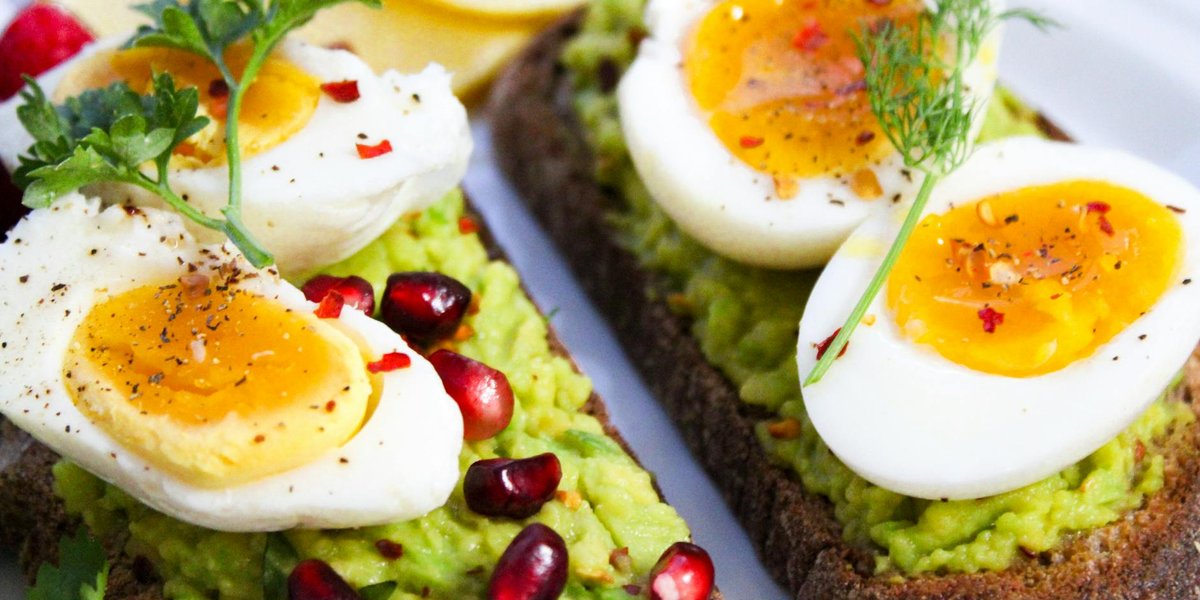
Healthy fats are mostly unsaturated fats — the kind found in foods like olive oil, avocados, nuts, seeds, and fatty fish. These are the fats that tend to support heart health and fit well in a balanced diet.
The easiest rule: choose more plant oils, nuts, seeds, avocados, and fish; go easier on heavily processed trans fats and large amounts of saturated fat. You don’t need to fear fat. You just need better fat.
Table of contents
- What counts as a healthy fat?
- Examples of healthy fats
- Best healthy fats for heart health
- Healthy fats for weight management
- How to use healthy fats without overdoing it
- Quick takeaway
What counts as a healthy fat?
Healthy fats usually means unsaturated fats:
- Monounsaturated fats: found in olive oil, avocados, peanuts, almonds, and many seeds
- Polyunsaturated fats: found in walnuts, sunflower seeds, flaxseed, soy foods, and fatty fish
- Omega-3 fats: a type of polyunsaturated fat that shows up in salmon, sardines, mackerel, chia seeds, flaxseed, and walnuts
For a simple public-health baseline, the USDA’s Dietary Guidelines for Americans recommend replacing saturated fats with unsaturated fats where possible, not adding more fat just for the thrill of it.
The fats most people want to limit are:
- Trans fats, which are strongly linked to worse heart health
- Too much saturated fat, especially when it crowds out more nutrient-dense foods Examples Of Saturated Fats: The Complete List
That doesn’t mean foods with some saturated fat are “bad.” It means the best everyday fat sources are usually the ones with more unsaturated fat and useful nutrients attached.
Examples of healthy fats
1. Olive oil
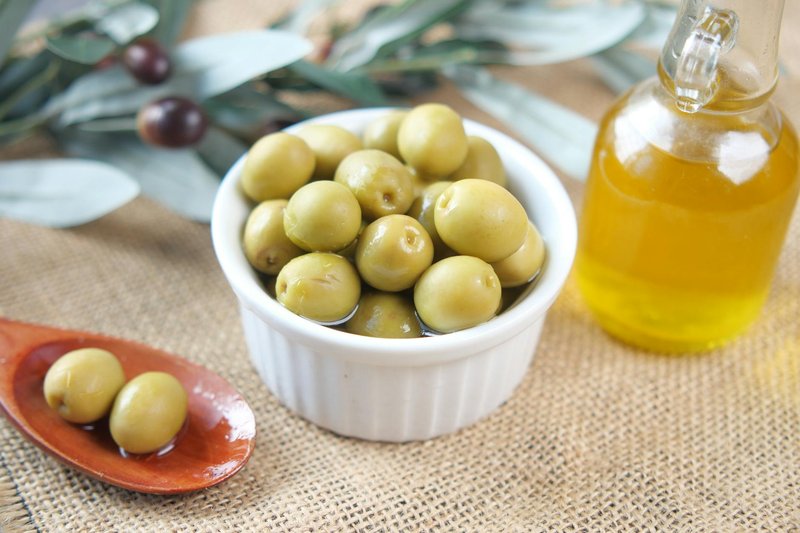
Extra-virgin olive oil is the classic healthy fat for a reason. It’s rich in monounsaturated fat and polyphenols, and it’s one of the easiest swaps if you’re trying to cook with a better fat. The American Heart Association has long grouped olive oil with heart-friendly unsaturated fats.
Use it on roasted vegetables, salads, beans, or bread. A tablespoon goes a long way.
2. Avocados
Avocados bring monounsaturated fat plus fiber, potassium, and a texture that makes almost anything feel like a meal. Half an avocado is a practical serving for most people.
Mash it on toast, slice it into grain bowls, or use it instead of mayo in sandwiches.
3. Walnuts
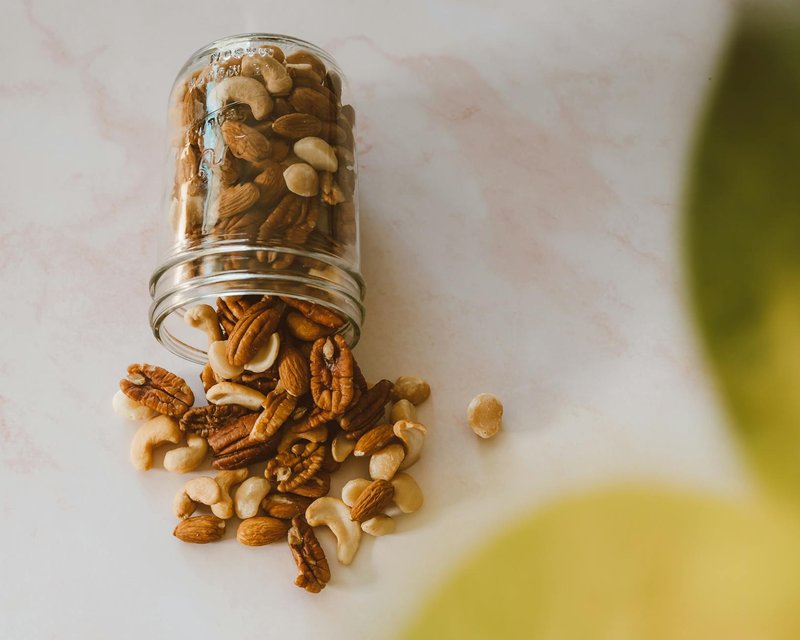
Walnuts are one of the best plant sources of omega-3 fat, specifically alpha-linolenic acid (ALA). They’re also easy to overeat, because they’re snackable in the most dangerous way.
A small handful — about 1 ounce — is a solid serving.
4. Almonds
Almonds are packed with monounsaturated fat, and they come with protein and vitamin E. They’re the kind of snack that quietly does its job.
Eat them plain, stir them into yogurt, or use almond butter on fruit.
5. Chia seeds
Chia seeds are tiny, but they bring fiber and ALA omega-3s. They absorb liquid and turn weirdly gel-like, which is either a feature or a warning depending on your mood.
Mix them into oatmeal, yogurt, or pudding.
6. Flaxseed
Ground flaxseed is one of the easiest ways to add plant omega-3s to your day. Whole flaxseed often passes through you like a polite visitor, so grind it first.
Add it to smoothies, cereal, or baked goods.
7. Salmon
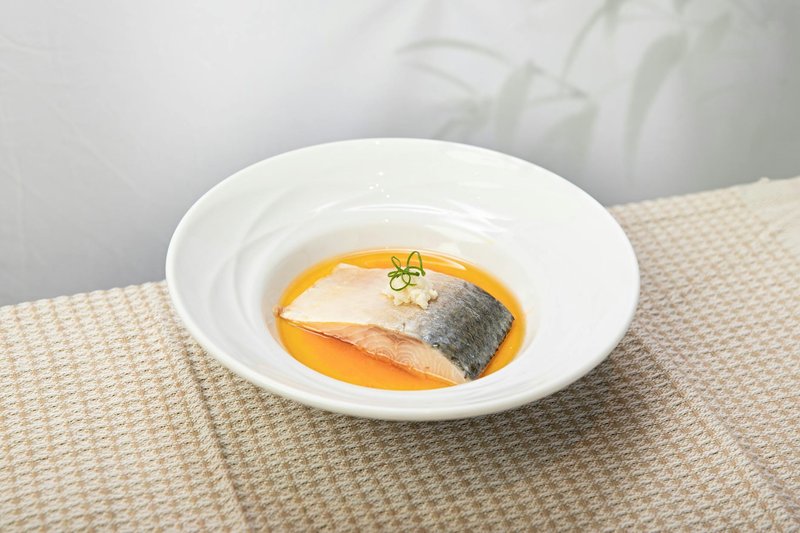
Salmon is one of the most famous omega-3-rich foods for good reason. Fatty fish like salmon provide EPA and DHA, the long-chain omega-3s that have the most evidence behind them. The NHS recommends eating at least one portion of oily fish a week.
Bake it, grill it, flake it into salads, or make it the main event with rice and vegetables.
8. Sardines
Sardines are small, cheap, and stubbornly underrated. They’re high in omega-3s and usually come with calcium if you eat the bones.
Eat them on toast, with crackers, or mixed into pasta.
9. Mackerel
Mackerel is another oily fish loaded with omega-3s. It has a stronger flavor than salmon, which is exactly why some people love it and others need time.
Try it smoked, grilled, or in a rice bowl with acidic ingredients like lemon or pickled onions.
10. Herring
Herring is a traditional oily fish that delivers the same basic benefit: lots of omega-3 fats in a compact package. Pickled herring is common in some cuisines and not nearly as strange as it sounds once you try it.
11. Tuna
Fresh tuna can be a useful source of healthy fat, though the amount varies by species and cut. Keep in mind that some tuna choices are also higher in mercury, so rotating fish types is the smarter move. The FDA’s advice on fish is a good reference if you eat seafood often.
12. Sunflower seeds
Sunflower seeds are rich in unsaturated fat, especially vitamin E-rich versions that show up in trail mix and seed butter. They add crunch without needing much effort.
Sprinkle them on salads or oatmeal.
13. Pumpkin seeds
Pumpkin seeds, also called pepitas, are a neat mix of healthy fats, magnesium, and a salty crunch that makes them easy to keep eating. That’s the catch.
Use them on soups, grain bowls, or yogurt.
14. Peanut butter
Peanut butter contains mostly unsaturated fat, plus protein. The catch is obvious: some brands add a lot of sugar and palm oil, which drags it down.
Look for one with peanuts and maybe salt. That’s it.
15. Almond butter
Almond butter is basically peanut butter’s slightly fancier cousin. It has a similar fat profile, with a bit more vitamin E.
Spread it on toast, apples, or celery if you enjoy looking like a wellness commercial.
16. Sesame seeds and tahini
Sesame seeds and tahini offer unsaturated fats and a deep, nutty flavor that makes vegetables less boring. Tahini is especially useful because it works in sauces, dressings, and dips.
17. Soyfoods
Tofu, edamame, and soy nuts all bring unsaturated fat along with protein. They’re a good plant-based option when you want fat without a big meat portion.
18. Dark chocolate
Yes, chocolate contains fat. No, that doesn’t mean chocolate cake is now a health food. But dark chocolate, especially in modest amounts, does contain cocoa butter, which is mostly saturated fat with some stearic acid that behaves a bit differently in the body than other saturated fats.
Use the 70%+ stuff in small portions. Don’t kid yourself with “just one more square” seven times.
19. Eggs
Eggs contain fat, including some unsaturated fat, and they’re an easy source of choline and protein. They’re not a “fat food” in the same way nuts or oil are, but they do belong on a healthy-fat examples list because they’re nutrient-dense and versatile.
20. Plain Greek yogurt
Full-fat Greek yogurt contains more saturated fat than nuts or olive oil, but it also gives protein, calcium, and a pretty useful satiety bump. This is a “depends on the rest of your diet” food, not a villain.
Choose plain versions and add fruit or nuts yourself.
21. Cheese
Cheese contains fat, and in moderation it can fit a balanced diet. It’s not the poster child for healthy fats, but it can be part of a smart eating pattern if portions stay sane. A little goes a long way, especially with stronger cheeses.
Best healthy fats for heart health
If heart health is the main goal, the strongest everyday choices are:
- Olive oil
- Walnuts
- Flaxseed and chia
- Salmon, sardines, mackerel, and herring
- Avocados
These foods are rich in unsaturated fats, and many also bring fiber or omega-3s. That combination is doing more work than fat alone. The Harvard T.H. Chan School of Public Health has a helpful overview of why replacing saturated fat with unsaturated fat tends to improve lipid profiles. For a more detailed look at saturated fats to limit, see Examples Of Saturated Fats: The Complete List.
Healthy fats for weight management
Fat is calorie-dense, so portion size matters. That said, some healthy-fat foods are especially helpful when you want meals to feel satisfying:
- Avocados
- Nuts and seeds
- Greek yogurt
- Eggs
- Salmon
The trick is pairing fats with fiber and protein. A handful of walnuts is better than a handful plus a family-size bag. Same food, different reality.
Good combos:
- Apple + almond butter
- Yogurt + chia seeds
- Salad + olive oil + salmon
- Oatmeal + flaxseed + walnuts
How to use healthy fats without overdoing it
A useful serving guide:
- Oil: 1 tablespoon
- Nut butter: 1 to 2 tablespoons
- Nuts or seeds: 1 small handful, about 1 ounce
- Avocado: about 1/4 to 1/2 fruit
- Fatty fish: 3 to 4 ounces per serving
A few practical rules:
- Use oil as a flavor tool, not a free-pour hobby
- Choose unsalted nuts when you can
- Buy plain yogurt and add your own toppings
- Rotate fish instead of eating only tuna
- Keep trans-fat-heavy foods out of the “healthy fats” conversation entirely
For more formal guidance on seafood, the FDA’s fish advice is worth a look, especially for pregnant people and anyone eating fish often.
Quick takeaway
The best examples of healthy fats are the ones you can actually eat regularly without turning every meal into a math problem: olive oil, avocados, nuts, seeds, fatty fish, and a few dairy and soy foods in the right portions.
If you want the shortest possible shopping list, start here:
- Olive oil
- Avocados
- Walnuts
- Chia or flaxseed
- Salmon or sardines
- Almonds or peanut butter
That’s enough to improve a lot of meals without making your kitchen feel like a nutrition lab.